

Plant-based chef in Beijing and neo-classical pianist in Malta merge their talents for a multisensory meal, offering an album of taste and sound, Li Yingxue reports.
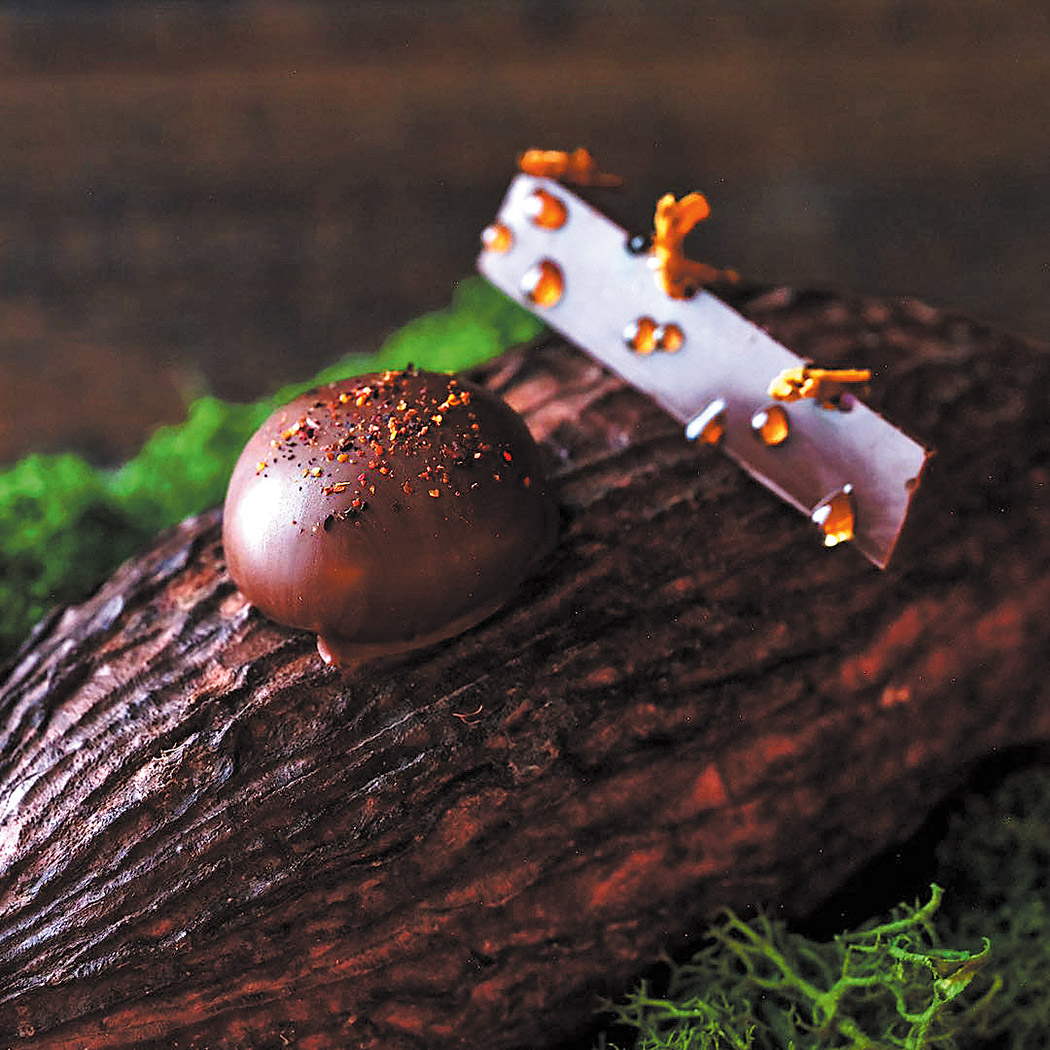
Tucked behind the gray-brick facades of Beijing's Dafangjia hutong (alleyway), a heavy wooden door opens into stillness. Inside Under Clouds Green, a plant-based Yunnan cuisine restaurant, the city's noise dissolves almost instantly.
In the courtyard, a century-old jujube tree rises through the building toward the sky, while a red rammed-earth wall from Jianchuan, Yunnan province, catches the light, quietly anchoring the space in another landscape.
It is here, between north and southwest, structure and wilderness, that an unusual collaboration takes shape.
READ MORE: Mushrooming passion turns into profession
Titled Five Walks with Plants, the project brings together a 34-year-old chef from the Bai ethnic group, Zhang Yunjia, and Europe-based neo-classical pianist Cai Yun. Through 15 spring dishes and a piano album of the same name, the two artists — working across continents — compose what they describe as a multisensory "four-hand duet at a distance".
For Zhang, the kitchen is her instrument. For Cai, the piano is a landscape. Together, they translate rhythm into flavor and texture into melody, allowing diners to "hear" with their palate and "taste" with their ears.
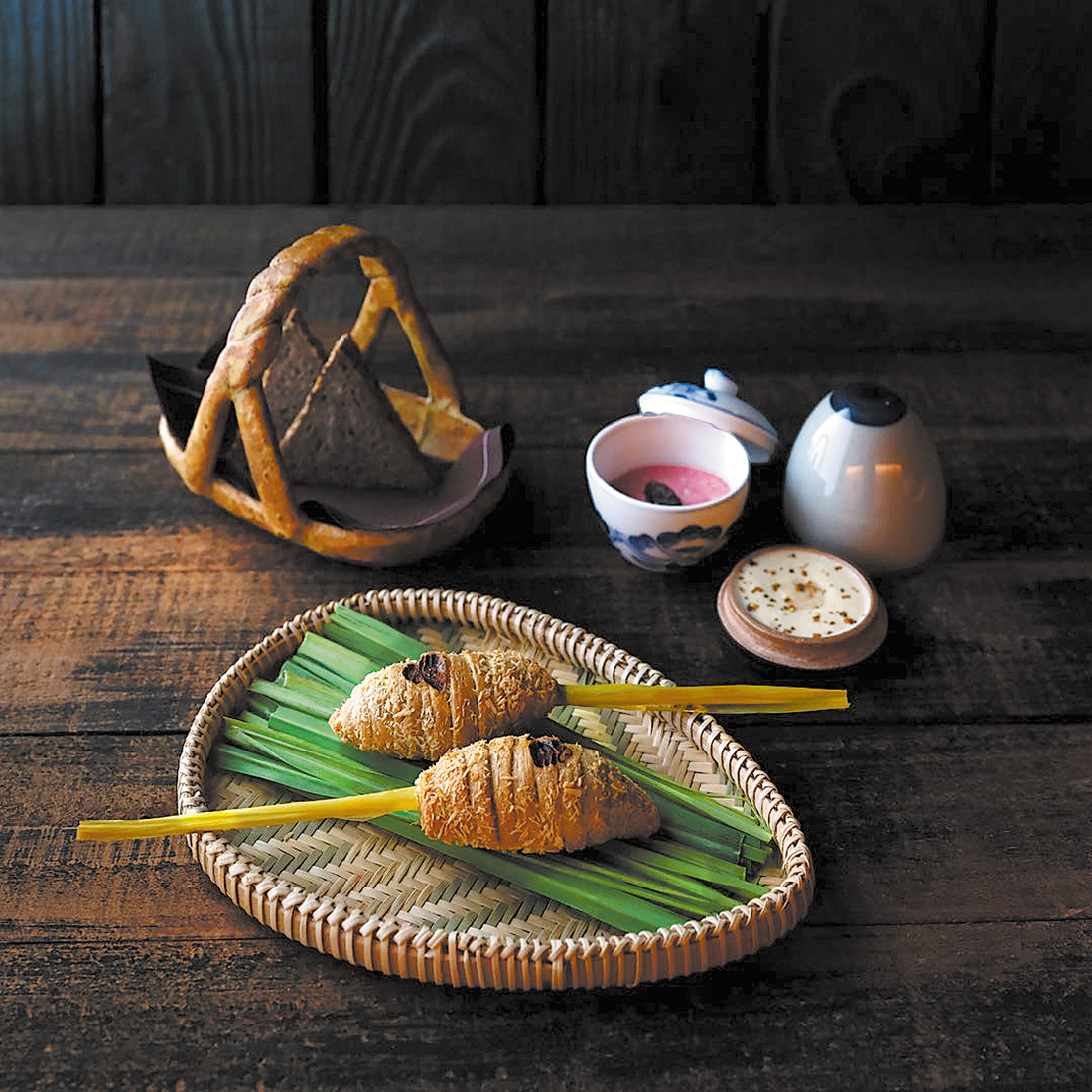
A meeting of minds
The idea began, fittingly, with a walk. For Cai, now based in Malta, walking represents a way of thinking — unhurried, attentive, and open to resonance. That sensibility drew her, before they even met, to Zhang's restaurant.
"I first came across it online before returning to China," Cai recalls. "I was immediately struck by the space. My family works in architecture, so I'm very sensitive to how environments feel."
Their eventual meeting in Beijing was emotional. Zhang attended Cai's performance and found herself in tears. Soon after, she extended an invitation: come and taste the food before leaving China.
Cai accepted, and found unexpected parallels. "What stood out first was the refinement," she says."The textures, the plating, the way flavors are distributed: it's all incredibly delicate. At the same time, the dishes feel clean, almost restrained. There's also a sense of lightness. That combination mirrors how I approach music."
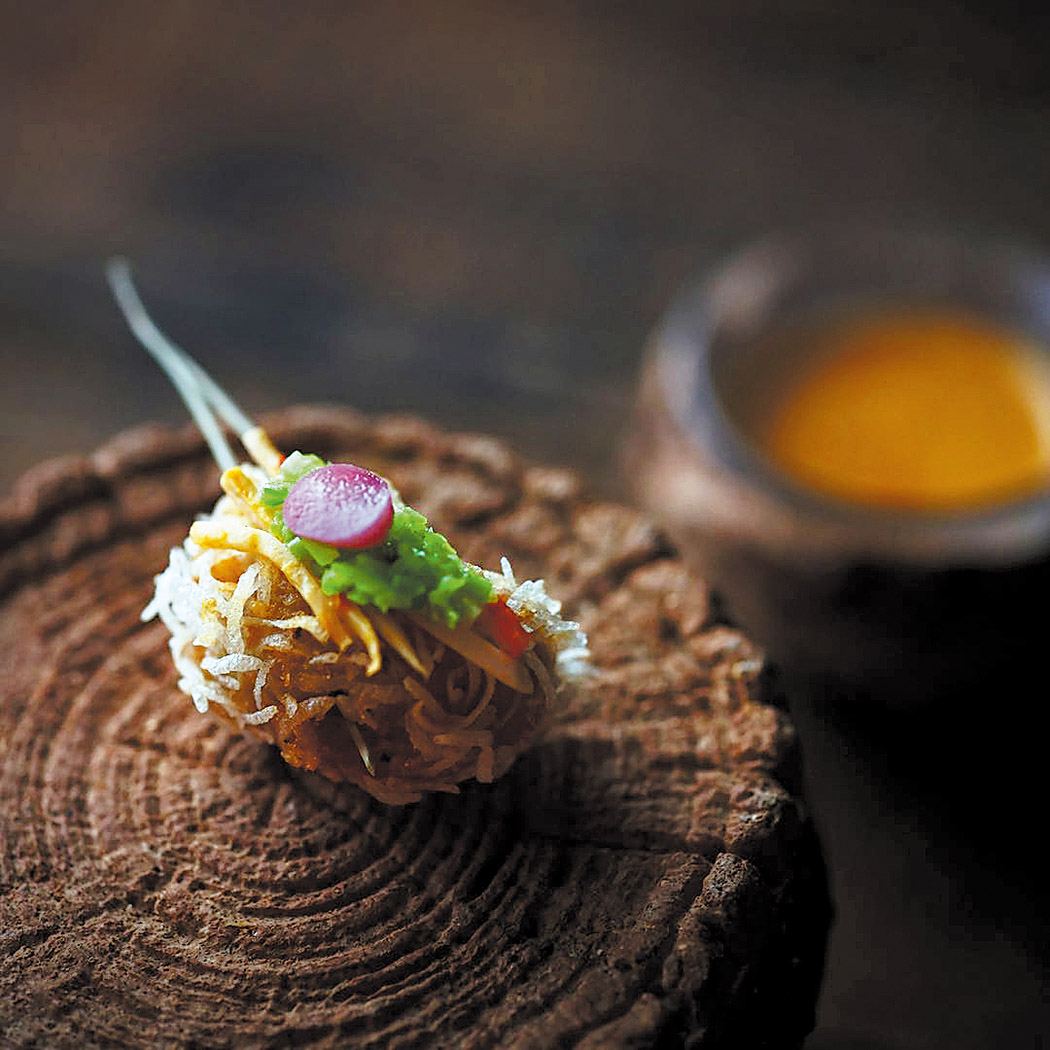
One particular dish lingered in her mind: dried radish shaved with the precision typically reserved for truffles. "In Europe, truffles are always associated with luxury," she says. "By treating something as humble as preserved radish in the same way, she was making a statement that Yunnan cuisine can carry the same dignity."
That moment revealed something deeper. "It showed her inner conviction. She knows exactly what she's doing, and she respects it."
Cai recognized a shared stance. As one of the few Chinese musicians in Malta working in neo-classical composition, she too navigates questions of identity and expression.
"She's completely at ease with her Yunnan roots," Cai says. "I feel the same way about my music and my cultural identity. That's where we connect."
Their collaboration unfolded remotely. Drawing on Zhang's menu concepts, ingredients and techniques, Cai composed five pieces — Elements, Below, Ground, Beyond, and Walker — each tracing the life cycle of plants, from water to earth to air. To Cai, plants embody a quiet, distinctly feminine force: layered, restrained, and often invisible at the surface.
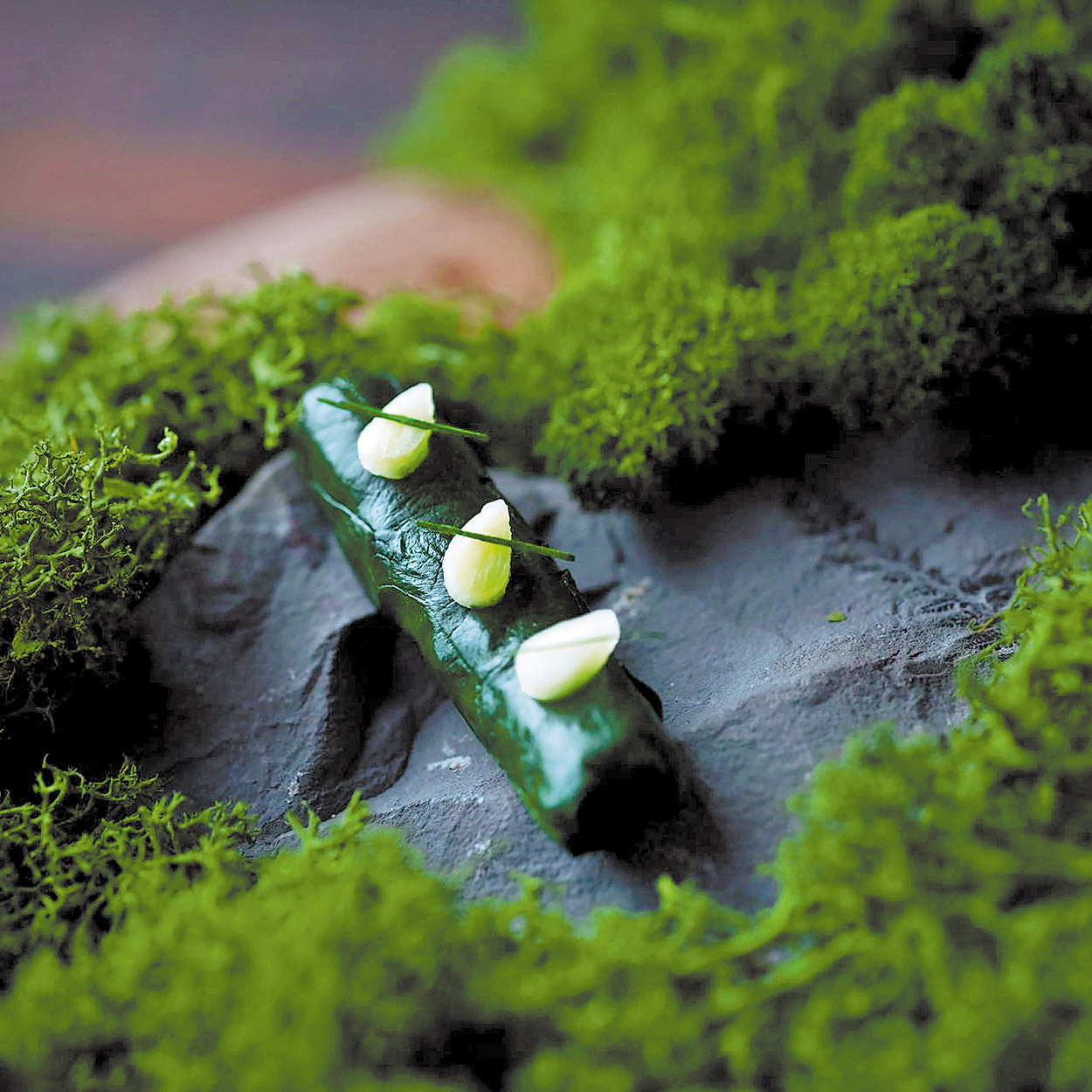
Creating from the heart
That same idea lies at the heart of Zhang's cooking: "The presentation on the plate is only the result. The real power is in what you don't see."
Her inspiration for the spring menu came from the film Before Sunrise — a story built on conversation, movement, and gradual emotional unfolding.
"I wanted the menu to feel like that," she explains. "Five walks, five stages of connection. A process where the senses slowly awaken."
The journey begins with the most fundamental elements. For Zhang, that means everyday ingredients of Yunnan: potatoes, corn and fruit. A crisp shard of multicolored potato puree cracks like soil under pressure, a quiet metaphor for germination.
From there, the experience moves downward into water and earth for the Below and Ground chapters. A delicate broth of grass buds evokes flooded rice fields, while a tempura of Ottelia acuminata — an aquatic plant rarely fried — reimagines a familiar ingredient.
"Underwater plants are white,"Zhang explains, "but when sunlight reaches them, they turn green. That transformation fascinates me."
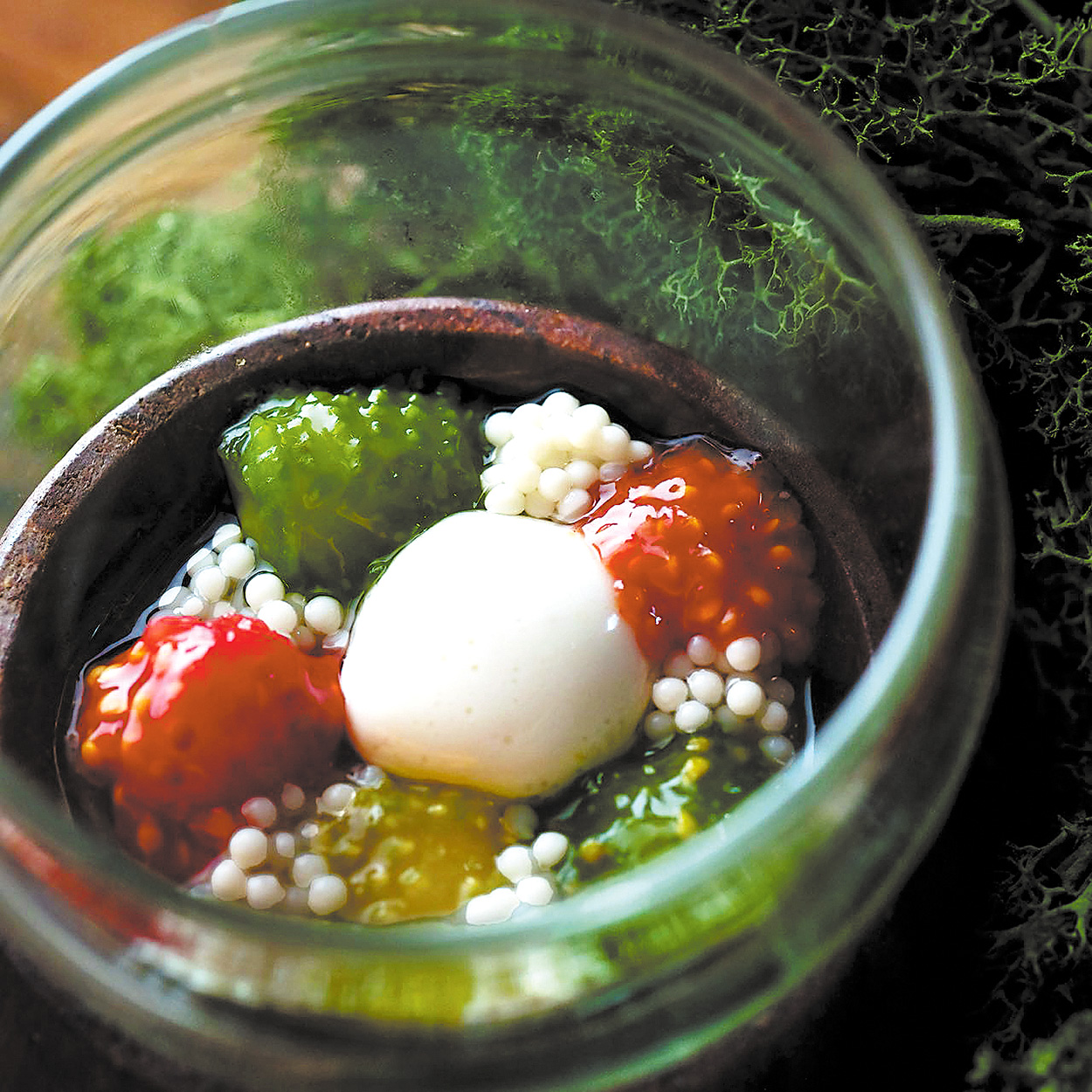
As the courses progress, textures soften, deepen, and then rise again. A dish of sprouted grains — quinoa and brown rice formed into roasted rice balls — signals emergence. Paired with pan-fried blossoms and a stir-fry of often-discarded plant parts, it reflects Zhang's refusal to waste.
"I want to use every part of the plant," she says. "That's how you respect its life."
Diners often describe Zhang's food as expansive, even "grand", for the way it channels Yunnan's biodiversity. Yet the sensibility behind it is rooted in something more intimate: the kitchens of her childhood.
Her grandmother, also from the Bai ethnic group, cooked with quiet precision. Her mother, by contrast, embodied a more familiar narrative — long hours in the kitchen, feeding others at the cost of her own energy.
"That kind of sacrifice scared me,"Zhang admits. In professional kitchens, she encountered another challenge: an industry still shaped by unspoken barriers for women. Instead of retreating, she chose to build her own system.
At Under Clouds Green, there is no shouting, no rigid hierarchy. The atmosphere is calm, structured, and defined by mutual respect.
"I want it to feel warm," she says,"where people feel taken care of. I only serve what I would give my own family."
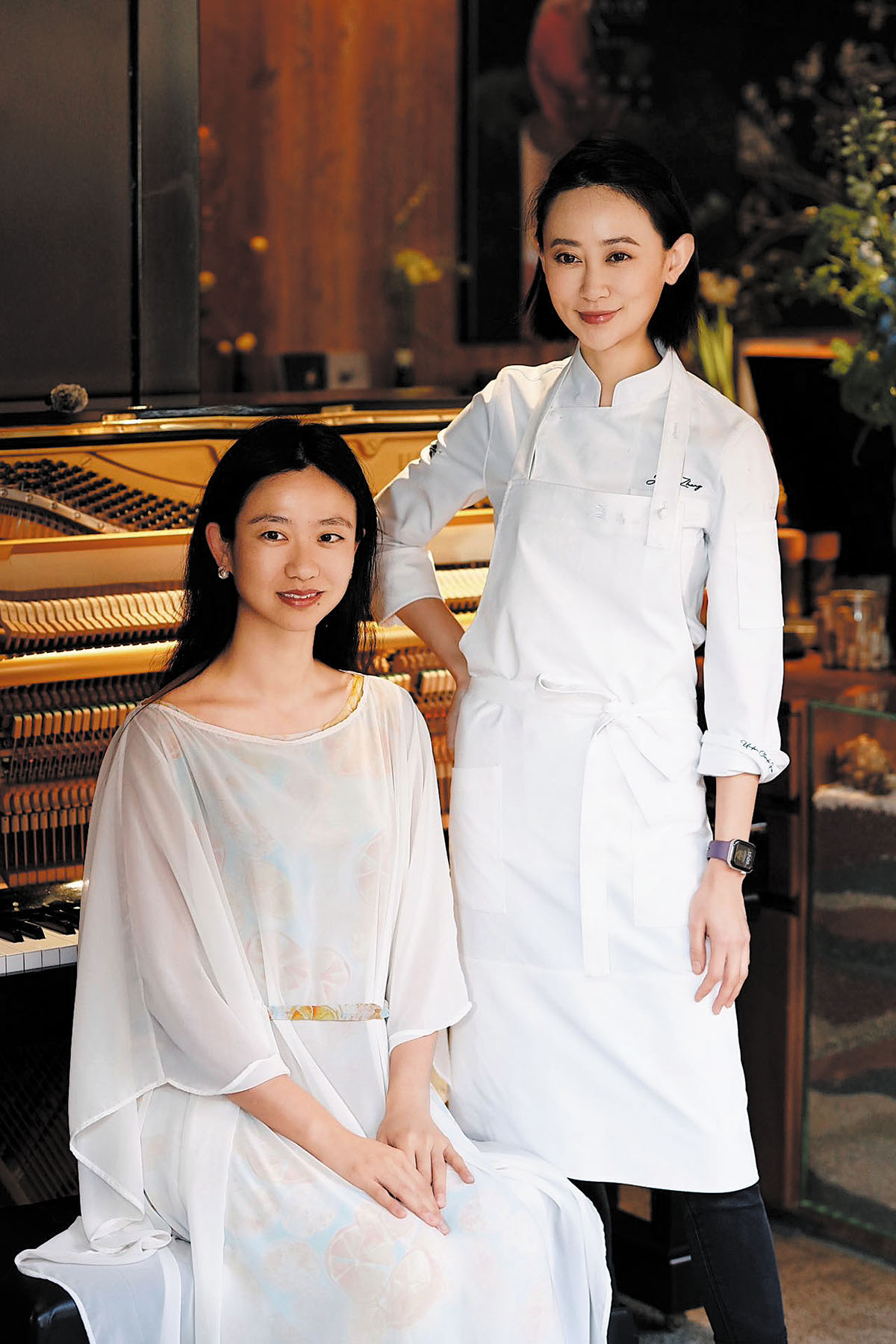
Zhang's path has been anything but linear. She studied accounting in New York, married, had a child at 24, opened a cafe, and trained at a cooking school in France. At just 33, she opened her own restaurant.
The cost of that journey remains tangible. Her children live in Yunnan, and she speaks openly about the guilt she carries.
"But I also think, that showing them what it means to dedicate yourself to something you love — that's another kind of strength,"Zhang says.
Outside the kitchen, Zhang lives simply: one winter coat, no jewelry, no excess. Her attention is reserved for what matters — seasonality, growth and transformation.
"Yunnan food is like the province's embroidery," she says. "Very delicate, very beautiful — but always with a certain roughness."
ALSO READ: Beijing on a plate
This evolving maturity has not gone unnoticed. Xie Li, a wine expert and author who has followed Zhang's culinary journey, sees a profound progression in her current work. "The menus have become increasingly refined," Xie notes. "Her underlying logic is clearer, and her distinct style and narrative are now sharply defined."
That balance between refinement and rawness, control and spontaneity runs through both her cooking and Cai's music.
As the final notes of Walker fade into the evening, diners step back out into the hutong breeze. The experience lingers, not as a single flavor or melody, but as a shifting interplay between the two.
In their long-distance duet, Zhang and Cai offer a quiet proposition: that the most powerful forces are often the least visible — taking root beneath the surface and gathering strength over time, before finally, and inevitably, coming into bloom.
Contact the writer at liyingxue@chinadaily.com.cn
