

When the Hong Kong International Film Festival (HKIFF) launched in 1977, it opened with Roberto Rossellini’s Year One (1974), largely because at the time major film movements like the Hong Kong New Wave were still around the corner, and China’s “Fifth Generation” of filmmakers, later recognized as such, was still on the cusp of emerging, as was the Beijing Film Academy’s class of 1982 that would help define it.
Since then, Chinese-language cinema has come into its own, cultivating a long list of award-winning, internationally recognized filmmaking giants. In Revisiting Chinese Cinema: The Beginning of a New Journey, HKIFF looks back at what it nurtured in its early years, and gives itself a well-earned pat on the back.
Geoffrey Wong, HKIFF director of programming, says that the festival has always acted as a window on Chinese-language cinema. “In the ’70s no one watched Chinese cinema apart from Chinese-speaking people. By showcasing Chinese films, we helped other programmers watch them. Since then some have become very big.”
READ MORE: Lights, camera, milestone!
That’s an understatement. The 12 films in the program are all classics in some way, be it for reinterpreting genre, creating new and unique cinema language, pioneering non-traditional structures or embracing alternate aesthetics. These were filmmakers willing to, as the saying goes in the tech industry nowadays, move fast and break things, and so remain as relevant today as when they were premiered around five decades ago.
Iconic breakthroughs
At first blush the selection looks a bit obvious, but these films were largely the opening salvos of filmmakers who would go on to have — and in some cases still have — acclaimed careers. They had a lasting influence on generations of filmmakers, some of whom, like Philip Yung, Anthony Chen and Chen Yu-hsun, are featured in the festival.
The Hong Kong New Wave spanned the late-’70s to approximately 2000, with the greatest transformation happening between 1978 and 1984. Filmmaking was the dominant diversion at the time — private television units were still a rarity — coinciding with the return of a rash of overseas-educated directors, as equally aware of their Asian roots as influenced by Western pop culture. They were also freshly acquainted with modern film technology and relaxing social mores, and many would contribute to Hong Kong’s outsized influence on Asian cinema, and beyond, in the ’90s and 2000s. The Matrix (1999) would not exist without the Hong Kong New Wave, and American filmmaker Quentin Tarantino — whose Reservoir Dogs (1992) looks like a remake of Ringo Lam’s City on Fire (1987) — and south Korean action auteur Ryoo Seung-wan (The Unjust, 2010) owe a great deal to it.
Hong Kong New Wave
HKIFF 2026 reflects on this period with a trio of genre-busting debuts. Ann Hui’s The Secret declared the beginning of the New Wave in 1979. The film explores identity within the framework of an experimental thriller that injected horror tropes into the mix while hinting at the humanism that would become a hallmark of Hui’s work. Tsui Hark’s The Butterfly Murders (1979) married wuxia — a Chinese martial arts-dominated superhero genre set in ancient times — with murder mystery and history, tinged with time-bending allegory, cementing the maker’s visual signature. Patrick Tam similarly reinterpreted the rules and language of the wuxia epic in his aggressively modern and literary The Sword (1980), featuring then-unknown action choreographer Ching Siu-tung, who would go on to work on Stephen Chow’s Shaolin Soccer (2001). Allen Fong’s sophomore film, Ah Ying (1983), prised open the door for social reflection in Hong Kong cinema, thanks to its nonprofessional cast and kitchen-sink drama tone.
The Fifth Generation
On the Chinese mainland, the Fifth Generation emerged in the mid-’80s, giving way to the sixth around 1990 and truly paving the way for the country’s arrival on the world cinema stage. This was a generation of filmmakers eager to move beyond the social-realist traditions of earlier directors and reflect critically on the ideology of the “cultural revolution” (1966-76). The Fifth Generation, like so many filmmakers in Asia at the time, was turning its attention to the details of everyday life, often via localized storytelling that encompassed China’s vastness.
ALSO READ: Pictures of diversity
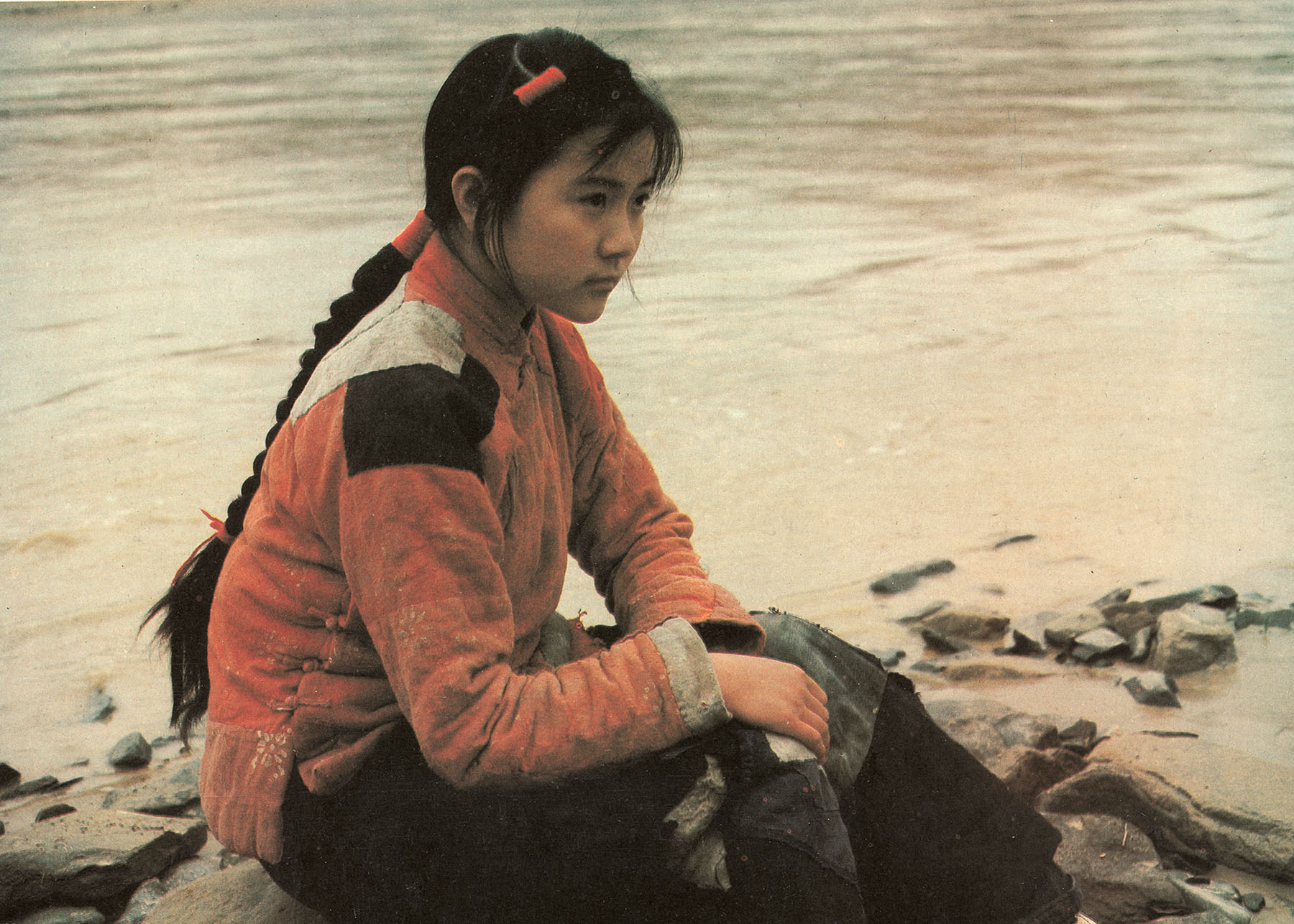
Chen Kaige’s first film, Yellow Earth (1984), became one of the first global breakouts to come out of the Chinese mainland. Appropriately enough, it is about a young woman trying to break free of rigid traditions imposed on her by family. The film’s cinematographer was Zhang Yimou, who followed shortly with his 1988 directorial debut, the Golden Bear-winning Red Sorghum, similarly chronicling the life of a woman working in a sorghum liquor distillery. Huang Jianxin’s 1985 debut, The Black Cannon Incident, is a subversive black comedy about bureaucratic paranoia.
