

China Media Group stages a rare, collective judgment of films in the digital age, Xu Fan reports.
In cinema's earlier era, a film's fate often rested in a critic's hands. A single review could elevate a work to classic status or quietly bury it. That system has largely dissolved in the age of algorithms, where online chatter and short-video hype now drive box office outcomes with ruthless speed.
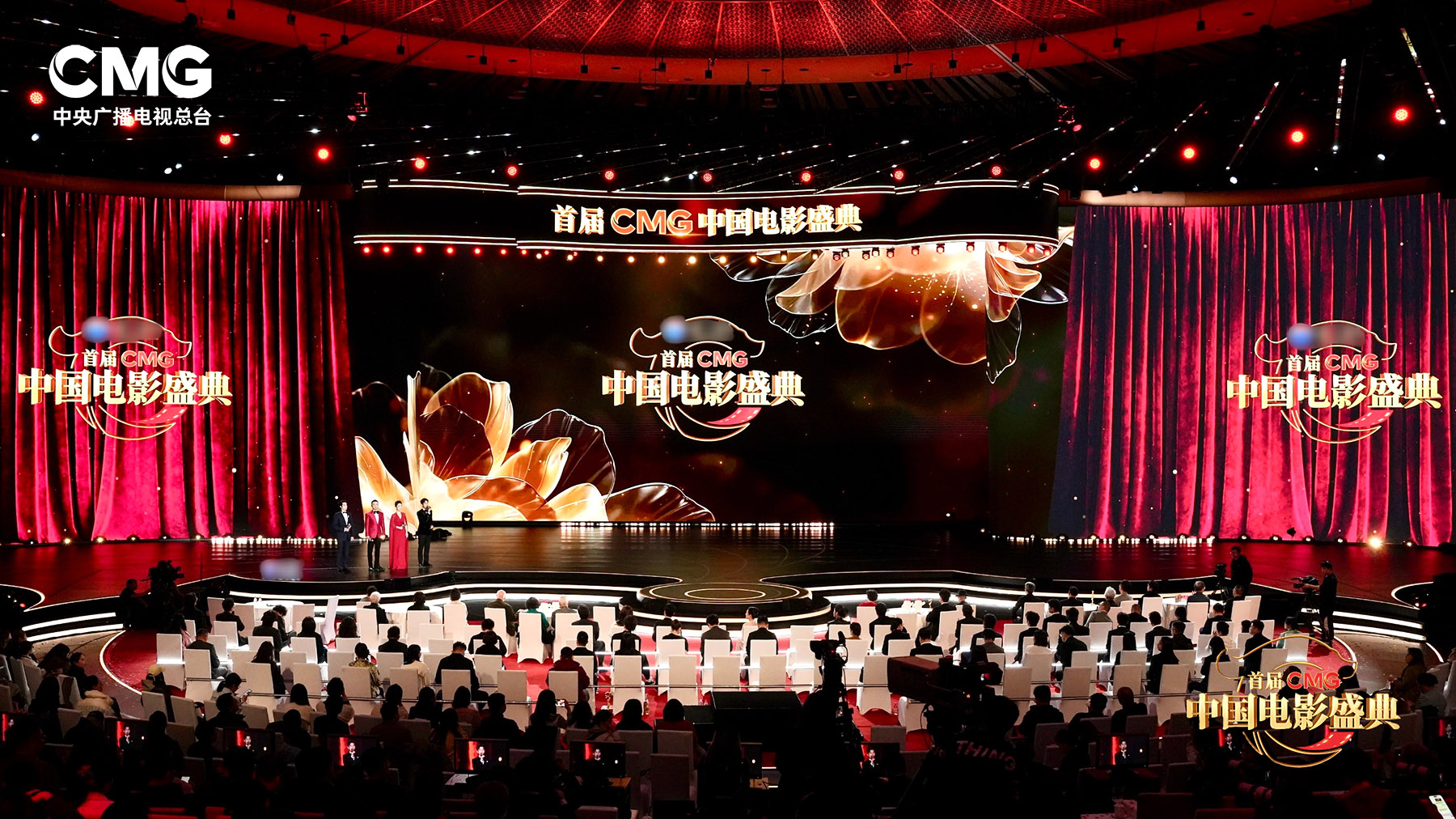
Yet, for a moment this month in Beijing, that older logic returned. The inaugural China Media Group's Chinese Film Gala on March 20 convened 100 critics and veteran film journalists from 50 outlets to select the past year's most outstanding films, filmmakers, and performers. The process — deliberate, collective, and grounded in professional judgment — felt almost radical against today's backdrop of fragmented attention and viral noise.
For cinephiles, the event echoed the Critics' Choice Movie Awards, long seen as a bellwether for the Oscars. The ceremony was held at the Beijing Yanqi Lake International Convention and Exhibition Center, which has, since 2015, frequently served as the primary venue for the opening ceremony of the Beijing International Film Festival.
Behind the wins
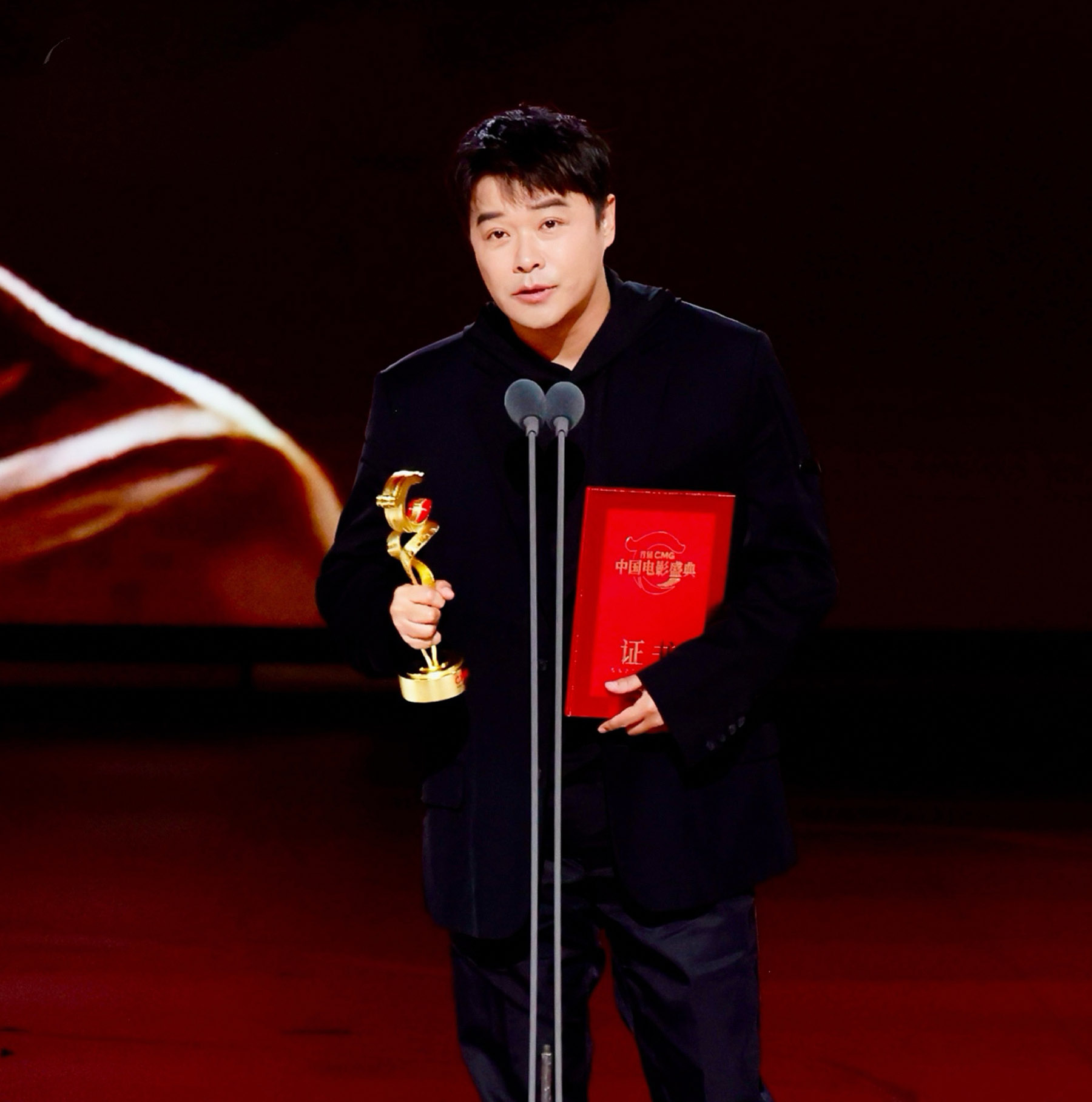
The biggest winner of the night was Dead to Rights, a historical drama following ordinary citizens who risked their lives to expose atrocities during the Nanjing Massacre. The film swept five major honors: Screenwriter of the Year, Director of the Year, Drama Film of the Year, and both leading acting awards in the drama category.
Director Shen Ao, who expressed appreciation to his fellow creators, shared a lesser-known anecdote: the film's original Chinese title was Jixiang Zhaoxiangguan (auspicious photographic studio) — where the protagonist, a kindhearted postman, narrowly escapes execution by a Japanese correspondent who desperately needs someone to develop film.
The title was later changed to Nanjing Zhaoxiangguan, anchoring the story explicitly to the historical trauma of the city, where more than 300,000 people were killed, lending the film a weight of history and a complex undercurrent of patriotism.
Shen added that the change in title is to remind the audience that the story is not imagined, but rooted in documented history — a narrative shaped by memory, grief, and a quiet form of resistance.
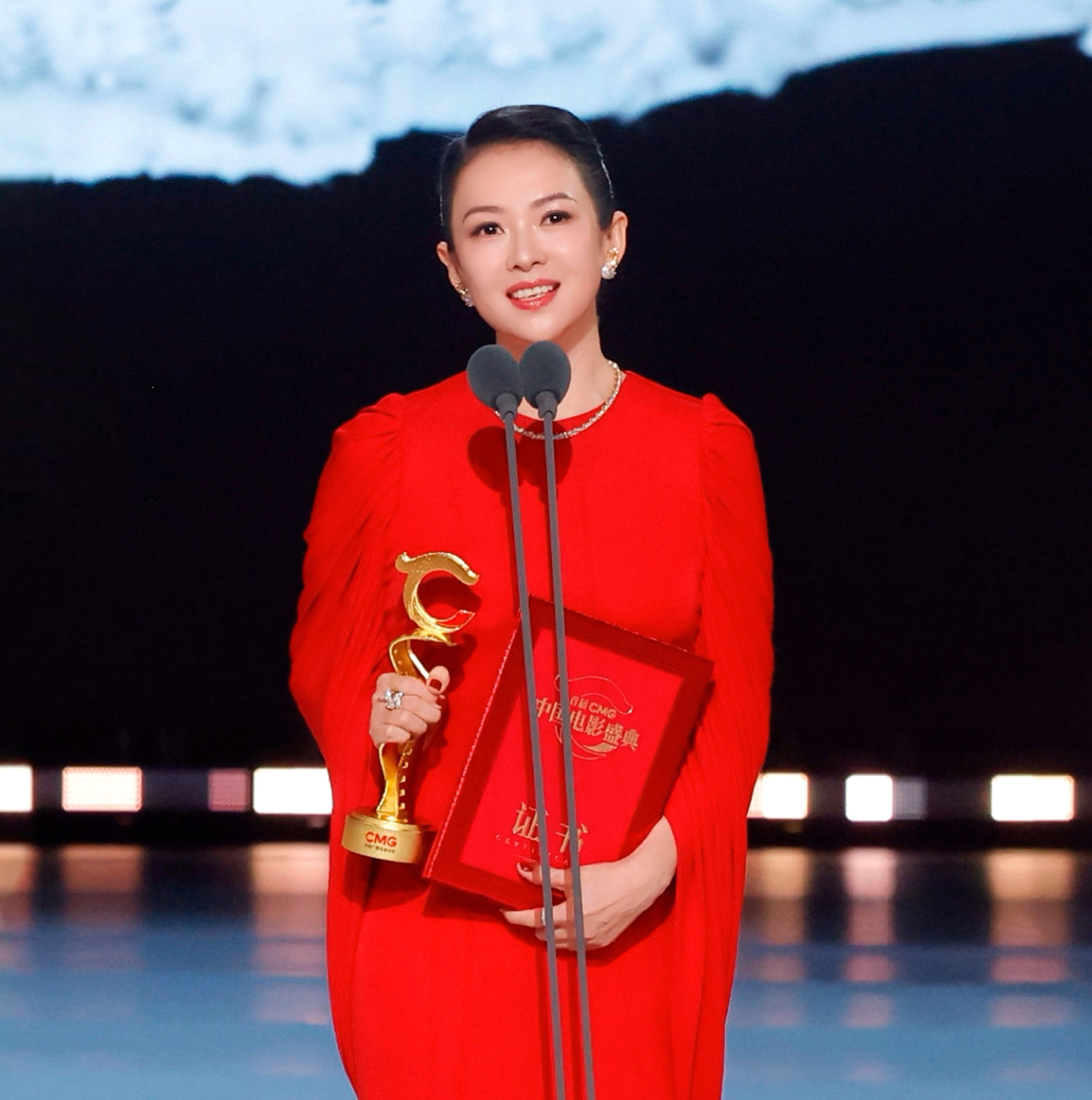
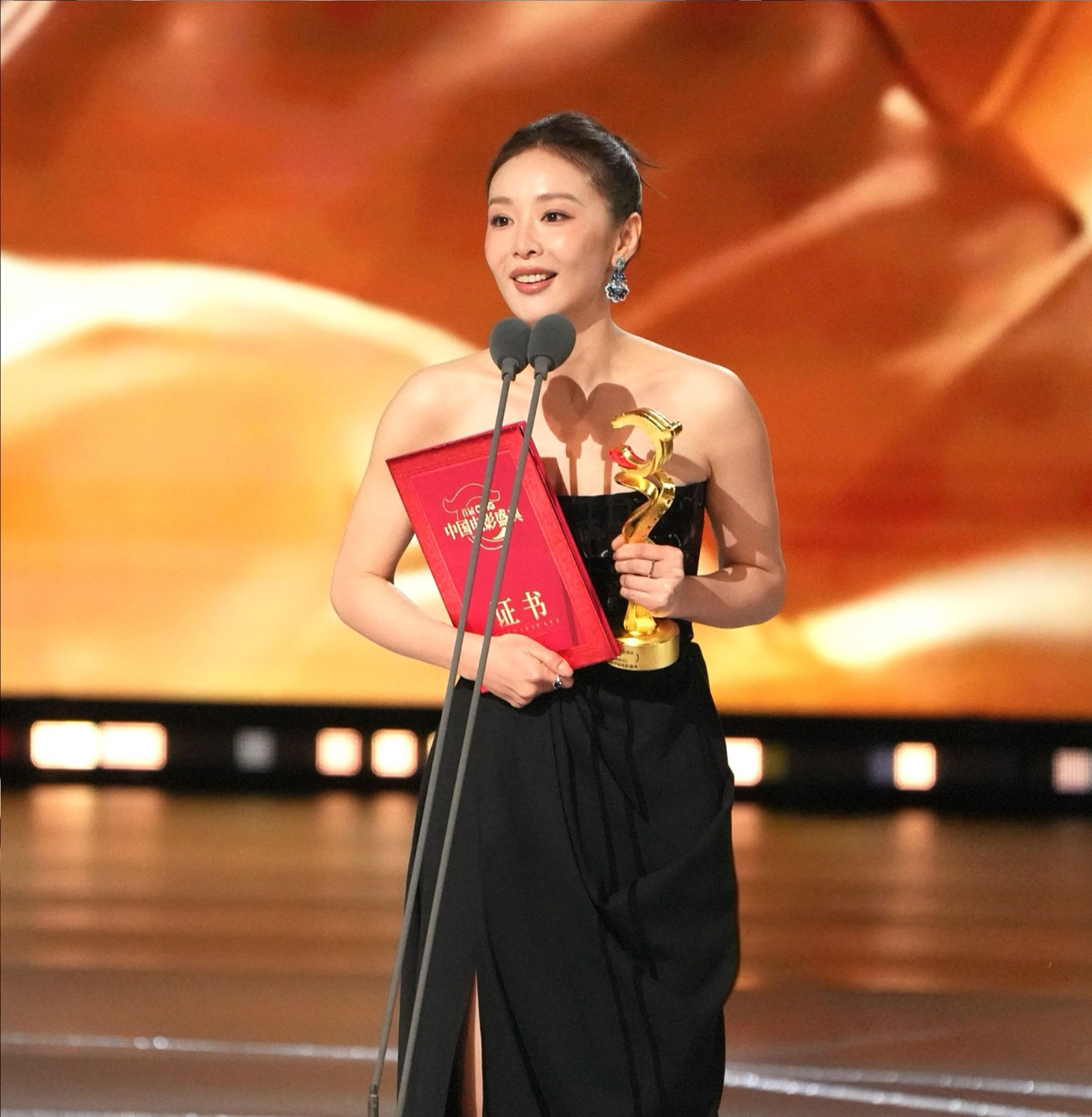
Actress Gao Ye, who won the Actress of the Year in a Drama Film honor jointly with Zhang Ziyi, described how her role deepened her appreciation for today's peace and prosperity. In Dead to Rights, she plays a struggling performer whose initial vanity and pursuit of stardom give way to moral awakening amid the horrors of war, as she secretly begins passing evidence of the Japanese army's atrocities. Her co-winner Zhang, who bagged the honor for her portrayal of a wife suspected of killing her abusive husband in She's Got No Name, went to great lengths to inhabit the role.
"It's a great era for creation — one that allows different kinds of films to flourish," she said.
To render the character convincingly — a woman worn down by a decade of domestic violence — Zhang insisted on being physically struck by her co-star Wang Chuanjun, who plays her husband, to capture genuine fear. She reduced her weight to 42 kilograms to reflect prolonged trauma. And to prepare for scenes involving her husband's dismemberment, she visited a slaughterhouse, studying the mechanics of the process firsthand.
"During the film's promotion, some audience members asked me, 'Why did you torture yourself like this?' I told them: 'Whatever the role needs to convey is what I should become'. The characters I've played all belong to the past, left on the silver screen. I'm always ready for the next one," she said.
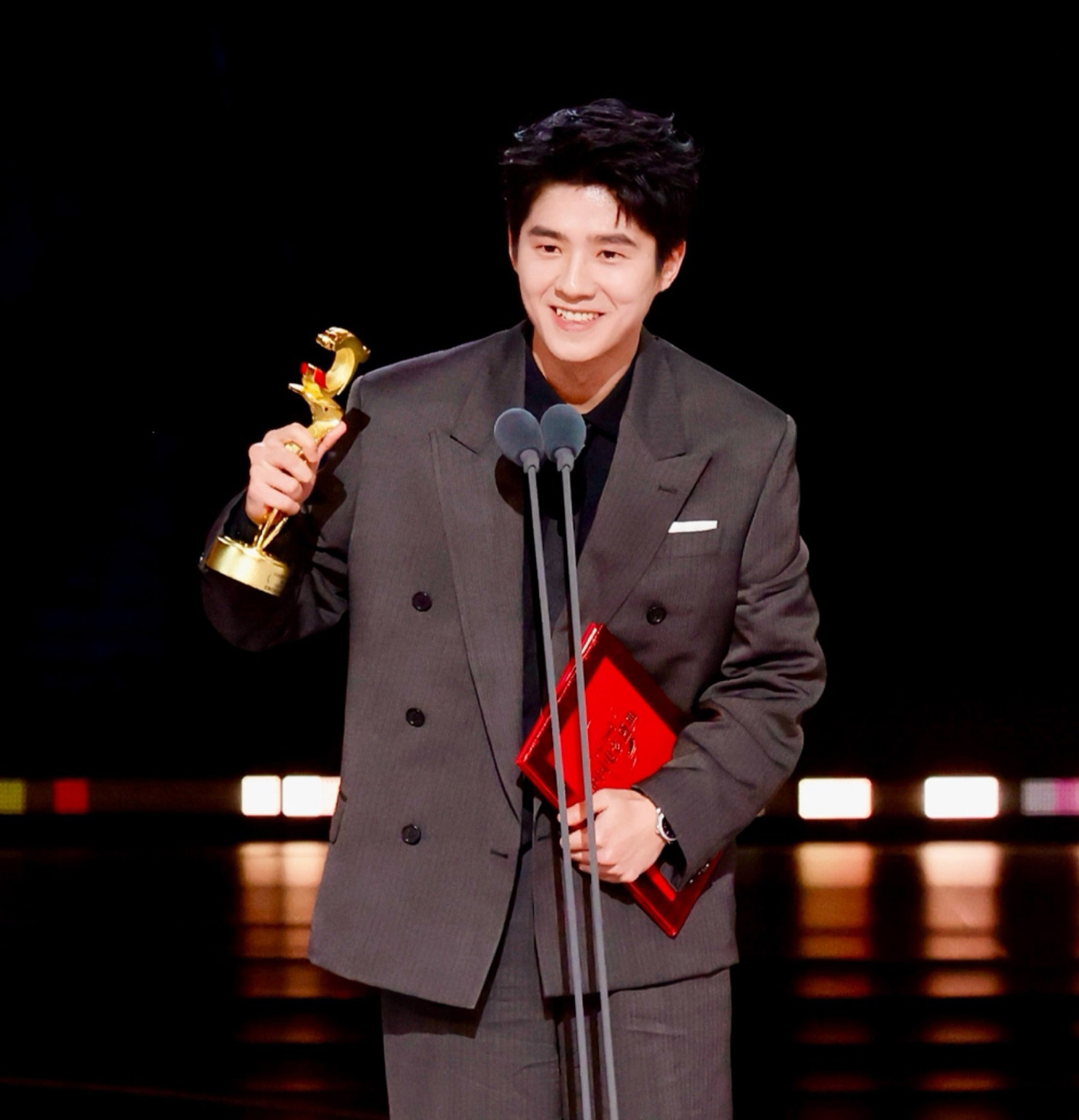
Several major categories resulted in ties, including Actor of the Year in a Drama Film and Director of the Year, an unusual outcome. Liu Haoran, who portrays the postman in Dead to Rights, shared the Actor of the Year award with Yi Yangqianxi, whose performance in the sci-fi film Resurrection spans five sharply contrasting roles, from manipulator to remorseful son. In the director category, Shen Ao shared the honor with Yang Yu — better known as Jiaozi — the filmmaker behind the animated blockbuster Ne Zha 2. The film has become a global phenomenon, ranking among the top five highest-grossing films worldwide with a box office exceeding 15.9 billion yuan ($2.2 billion).
Jiaozi, who has withdrawn from public appearances while working on the franchise's next installment, did not attend the ceremony. In his place, Wang Changtian, chairman of Beijing Enlight Media, accepted the award and emphasized that the film's recognition should not be measured solely by its commercial success.
"Box office records will always be broken," Wang said. "Only truly meaningful work endures. We hope the Ne Zha franchise can bring more positive influence to the industry, inspiring more fellow filmmakers to create acclaimed works and continue to boost the industry," he said.
The film also secured Animation of the Year and Visual Effects of the Year, reinforcing its influence beyond revenue alone.
Other honors reflected the diversity of the industry. Hong Kong actor Tony Leung Ka-fai won Action Actor of the Year for The Shadow's Edge. Chen Sicheng's Detective Chinatown 1900 took Comedy Film of the Year, while Dong Chengpeng, better known by his stage name Dapeng, won Comedy Actor of the Year for his role in The Lychee Road, set in the Tang Dynasty (618-907). A total of 19 awards were presented, including Tribute of the Year, which went to iconic director Chen Kaige, whose recent directorial epic trilogy The Volunteers retells a war decisive for New China's fate over 70 years ago.
Industry reflections
Beyond the trophies and speeches, however, it was the quieter reflections that carried the most weight. This year marks the 121st anniversary of Chinese cinema. The industry now spans more than 93,000 screens across over 15,500 theaters, making it one of the largest film markets in the world. Yet, scale has not insulated it from pressure.
Artificial intelligence is beginning to influence storytelling processes. Younger audiences are gravitating toward short-form video. Traditional theatrical viewing is no longer the default. These shifts have prompted unease among industry veterans.
Novelist and screenwriter Liu Zhenyun said that writers today face mounting difficulties, as their work is shaped by many forces — directors, actors, producers, and even data-driven algorithms. In the future, he suggested, writers may find themselves "negotiating" with artificial intelligence, which could attempt to steer creative decisions.
"Yet, what a storyteller truly seeks is to preserve beloved characters — their joy, anger, struggles and sorrow — in moving images, so that they may endure for decades, even centuries," said Liu, expressing a firm belief that human creativity cannot be replaced by AI.
ALSO READ: Future script for film powerhouse
Marco Muller, an Italian film scholar who has developed a strong connection with Chinese cinema over the past 40 years, recalled introducing director Chen Kaige's Yellow Earth to the West. The film won the Silver Leopard Award at the 38th Locarno Film Festival in 1985.
"Since then, I have tried to serve as a bridge connecting Chinese films to the world, and I have been fortunate enough to witness how Chinese stories have gradually made their way onto the global stage," said Muller.
"With Ne Zha 2 ranking among the top five in global box office history, this child (the titular deity Nezha) who refuses to accept fate has captivated many audiences who have never been to China," he added.
"In recent years, China has also seen a wealth of creative talent and outstanding stories, such as Dead to Rights — which has conquered global audiences with its authentic narrative and historical storytelling. You don't need to tailor stories to others. If you stay true to your culture, the world will come to you," said Muller.
Contact the writer at xufan@chinadaily.com.cn
