

Countries' bilateral trade volume has exceeded $200 billion for years and created 1 million jobs
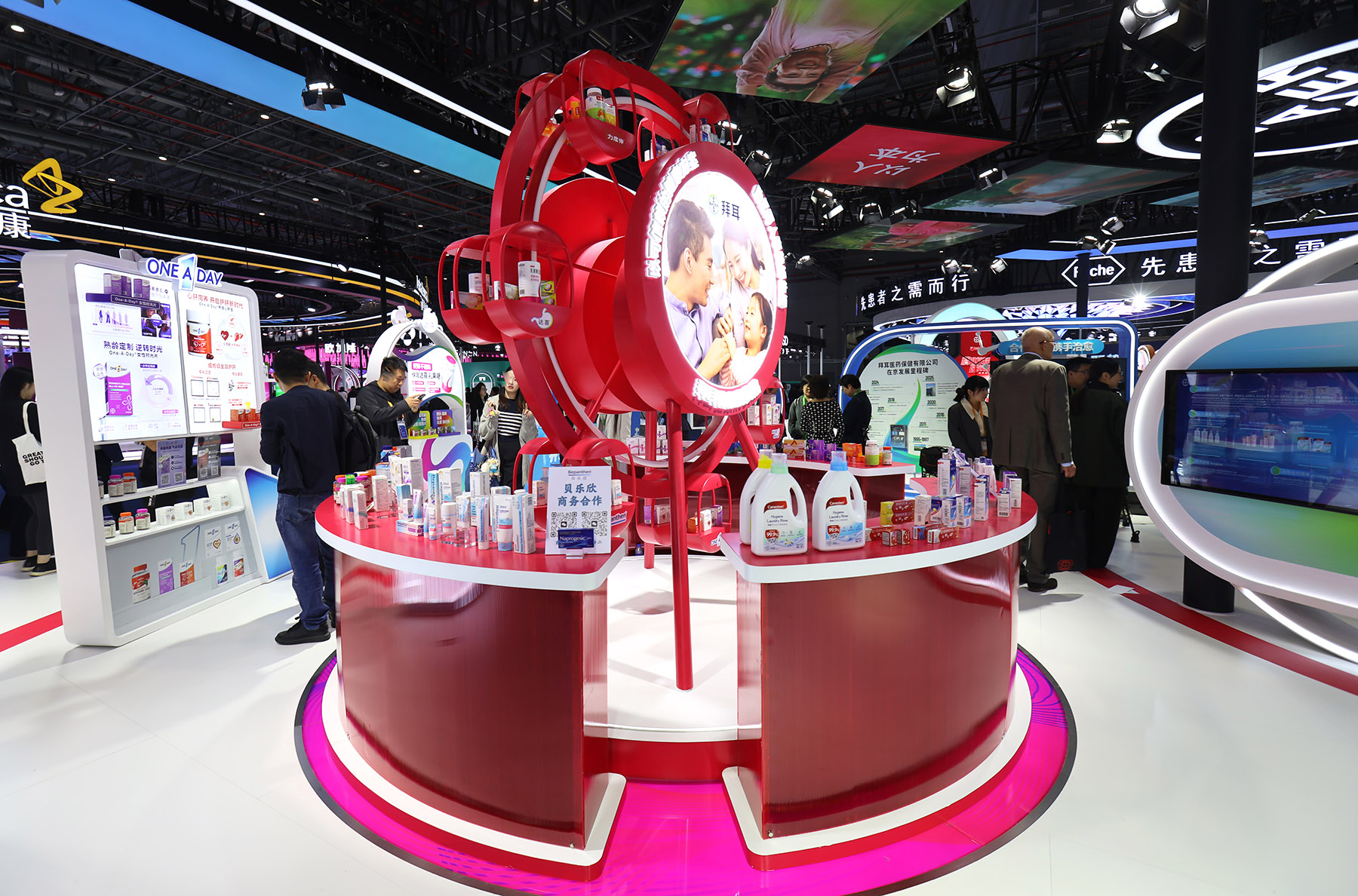
At the CHKD Forum 2025 held by the Chinese Chamber of Commerce in Germany in December, political and business figures agreed that though there are growing uncertainties in the global economic environment and geopolitics, China-Germany cooperation is providing crucial support for the economic development of both countries and injecting impetus into sustainable development globally.
Participants held that the continuous deepening of technological innovation, green development and industrial cooperation will bring new growth and long-term beneficial outcomes to both sides.
"China-Germany cooperation outweighs competition; the two countries' consensus surpasses differences; and the mutual benefit forms the cornerstone of China-Germany relations," said Zhai Qian, minister of the economic and commercial office of the Chinese embassy in Germany.
Zhai noted that the China-Germany bilateral trade volume has exceeded $200 billion for years, with 2.4 percent of Germany's total economic output and more than 1 million jobs directly linked to it. The stock of two-way investment between China and Germany has surpassed $60 billion. Meanwhile, more than 5,000 German enterprises and more than 2,000 Chinese enterprises are investing and operating in each other's country. Bilateral cooperation has been continuously deepened in traditional industries as well as emerging sectors such as green energy and the digital economy.
READ MORE: Li: Partnership with Germany can help boost global growth
Chen Longjian, chairman of the Chinese Chamber of Commerce in Germany, noted that China-Germany cooperation has been deepened, especially in cutting-edge fields including new energy vehicles, smart manufacturing and green energy. The two sides are moving toward a "joint innovation" partnership. High-level communication between China and Germany has created a more transparent and predictable cooperation framework for enterprises.
Volker Treier, chief executive of foreign trade at the German Chamber of Commerce and Industry, said that the latest survey shows more than half of German enterprises in China plan to strengthen ties through strategic cooperation or joint ventures, and Germany will remain attractive to Chinese enterprises.
With a solid industrial foundation, innovative strength, technical talents and a stable legal environment, Germany provides reliable conditions for Chinese enterprises to take root in Europe in the long term, Treier said.
"China-Germany economic cooperation not only delivers growth dividends to both sides, but also contributes to global sustainable development goals," said Nikolas Zippelius, a member of the German Bundestag.
In the first three quarters of 2025, Germany-China trade volume again exceeded Germany-US trade volume, making China one of Germany's most important economic partners. For many German enterprises, China is not only a sales and procurement market, but also a key investment destination and production base.
The two sides boast a high degree of compatibility in industrial structures, with a solid foundation for cooperation in traditional sectors such as machinery manufacturing, automobiles, chemical engineering and high-end technologies, and prominent cooperation potential in emerging fields including digitalization and green energy, Zippelius said.
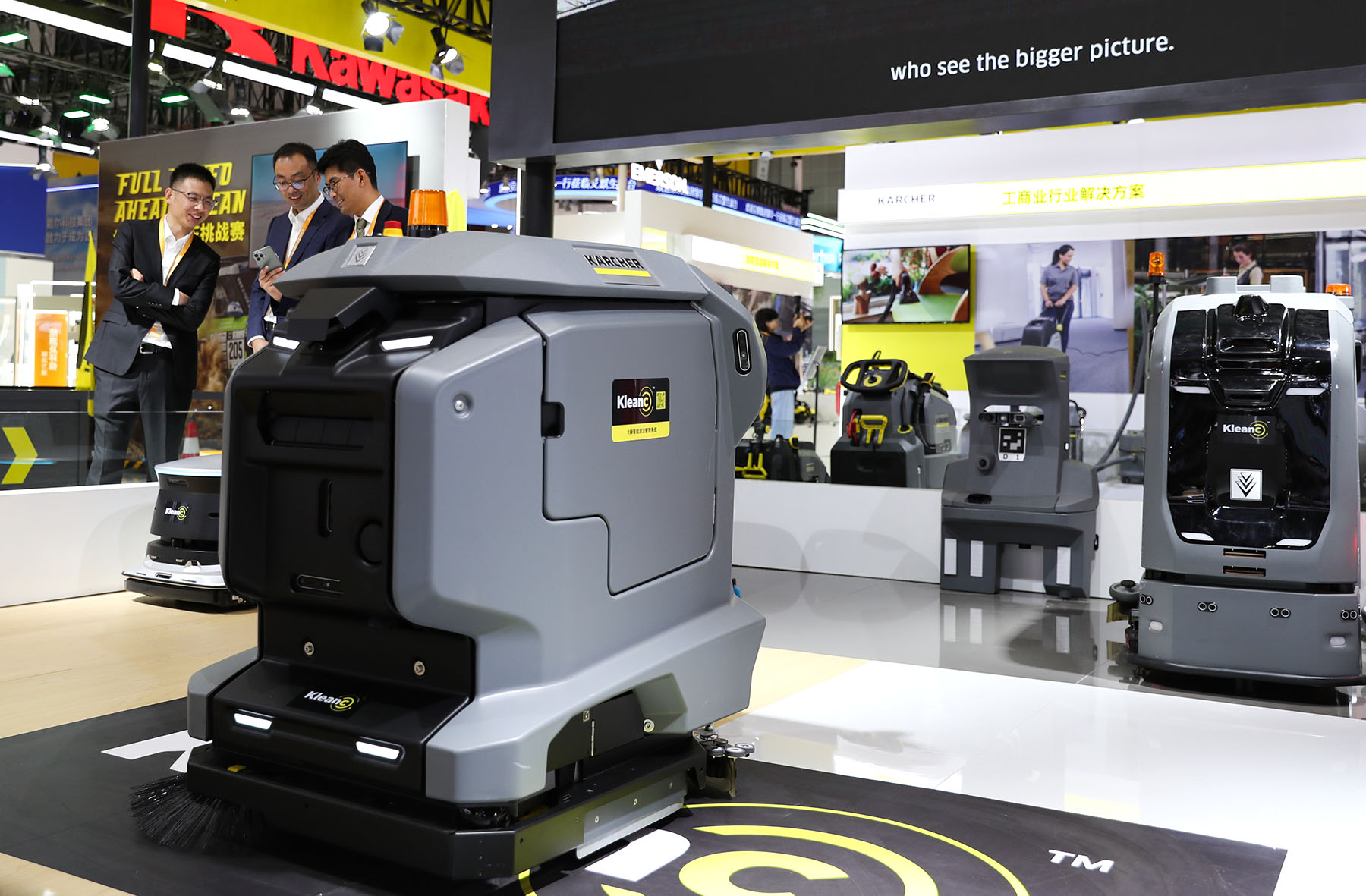
Business confidence
According to a survey about the business confidence of Chinese companies in Germany jointly released by the Chinese Chamber of Commerce in Germany and market consultancy KPMG in November, Germany remains an important investment destination for Chinese companies in Europe despite rising labor costs, regulatory hurdles and geopolitical uncertainty.
The survey indicated that Germany holds a central position in the European operations of Chinese enterprises. Specifically, 40 percent of the responding companies intend to expand their workforce, while a comparable proportion of them expects to maintain their current headcount.
Speaking at the launch event, Andreas Glunz, managing partner of international business at KPMG in Germany, noted that as Chinese enterprises seek to establish value chains across Europe and deepen integration via partnerships, they are increasingly adopting localization strategies in Germany.
"Germany still has many strengths, and this creates win-win opportunities for Chinese investors," he said.
Booming industry
China has also remained one of Germany's most active foreign investors in recent years.
On Nov 12, 2025, the ninth Sino-Germany Automotive Conference was held in Changchun, capital city of Northeast China's Jilin province. It gathered more than 400 representatives from the automotive industry, institutions and enterprises across both countries to explore new trends in the global automotive industry as well as new opportunities for China-Germany industrial cooperation.
At the opening ceremony, Chen Jian, former vice-minister of commerce, noted that the bilateral relations have developed steadily and mutually beneficial cooperation has yielded fruitful results since the establishment of diplomatic ties between China and Germany 53 years ago.
As China accelerates its modernization drive, the policy dividends brought by high-level opening-up and the superlarge market will provide broader space for development and cooperation for enterprises from all countries including Germany.
Yang Andi, a member of the Jilin Provincial Committee of the Chinese People's Political Consultative Conference, noted that Jilin is a model of China-Germany automotive industrial cooperation. Bilateral cooperation in the automotive sector has promoted complementary advantages and expanded development space in the production and manufacturing, research and development, and market application of both fuel and new energy vehicles, injecting impetus into the development of the automotive industry of both countries.
ALSO READ: German firms keen on expanding in China
Automobiles are a pillar industry in Jilin's economy. On Oct 30, the 30-millionth FAW-Volkswagen vehicle rolled off the assembly line in Changchun. Qiu Xiandong, chairman of China's automaker FAW Group, said this demonstrates the vitality of opening-up and the advantages of China's superlarge market.
FAW-Volkswagen will continue to deepen China-Europe economic and trade cooperation and promote the high-quality development of the global and Chinese automotive industries.
Founded in 1991, FAW-Volkswagen Automobile is a large Sino-German joint venture passenger car manufacturer. It currently owns three brands — Volkswagen, Audi and Jetta — offering more than 30 models.
"For us, this is undoubtedly a momentous milestone," Ralf Brandstaetter, chairman and CEO of Volkswagen Group China, said.
In the course of deepening its roots in the Chinese market, Volkswagen Group said it has been bringing higher-quality mobility experiences to people, and will continue to serve as an important bond for deepening Germany-China cooperation.
