A veteran puppeteer brings Hehuang theater from village courtyards into contemporary urban spaces.
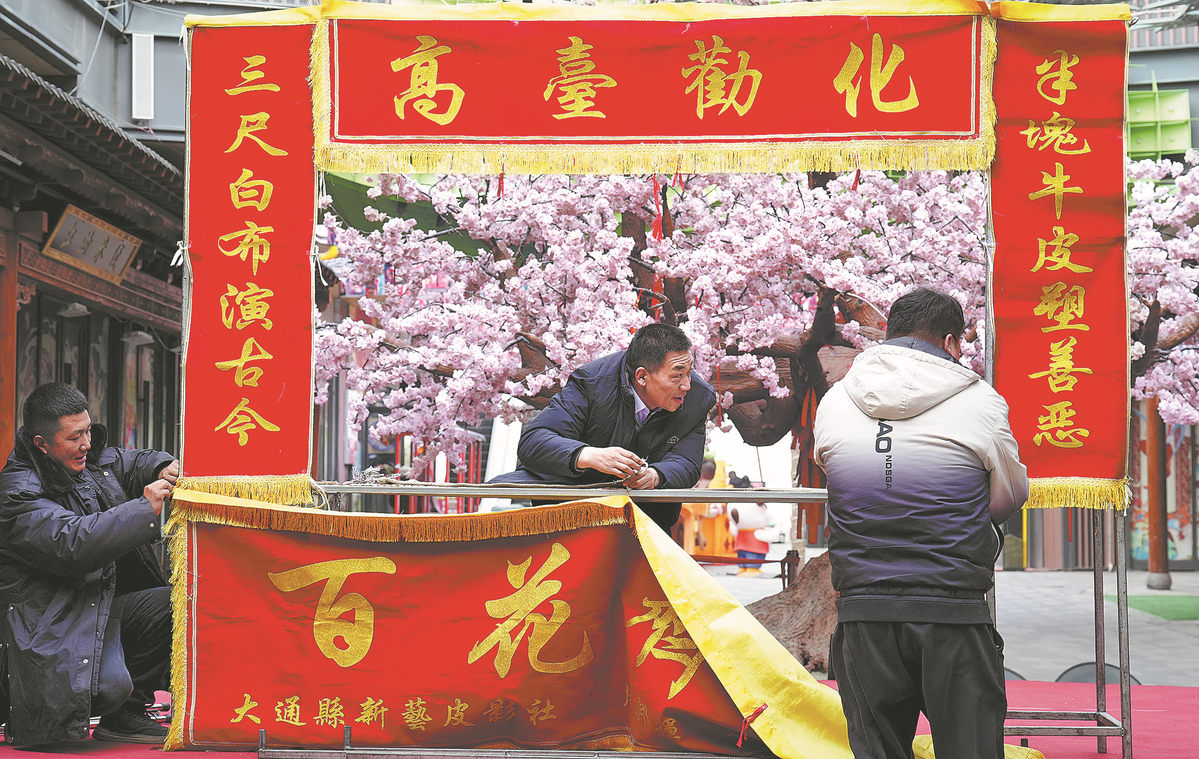
The curtain hangs lightly, its white surface glowing softly. Behind it, lamps flicker to life, and a unique, resonant singing voice, the hallmark of Hehuang shadow puppetry, begins to weave through the air in Xining, the capital city of Qinghai province.
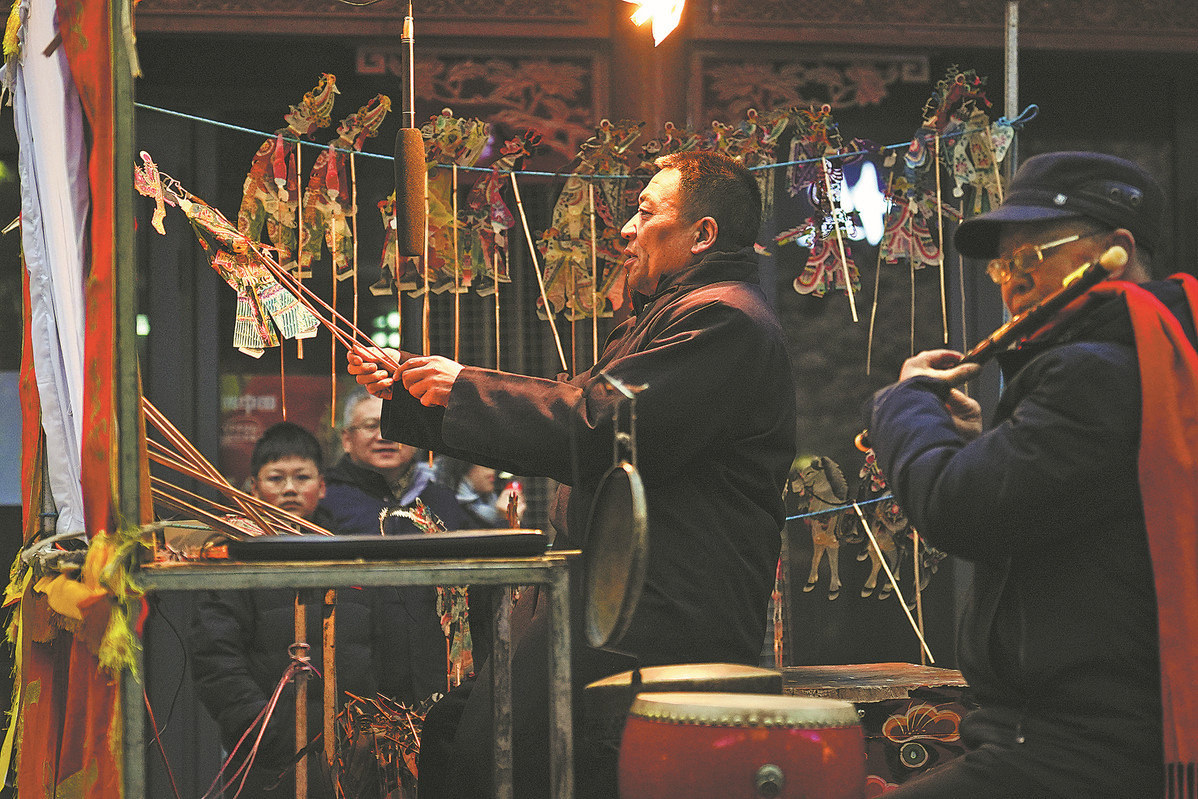
Behind that luminous screen, hands moving in a practiced blur, shadow puppet performer Zhou Banghui brings leather figures to life. The 52-year-old makes figures such as generals, princesses and mythical beasts, dance and duel with effortless grace. This is already his troupe's fifth performance of the year in the city.
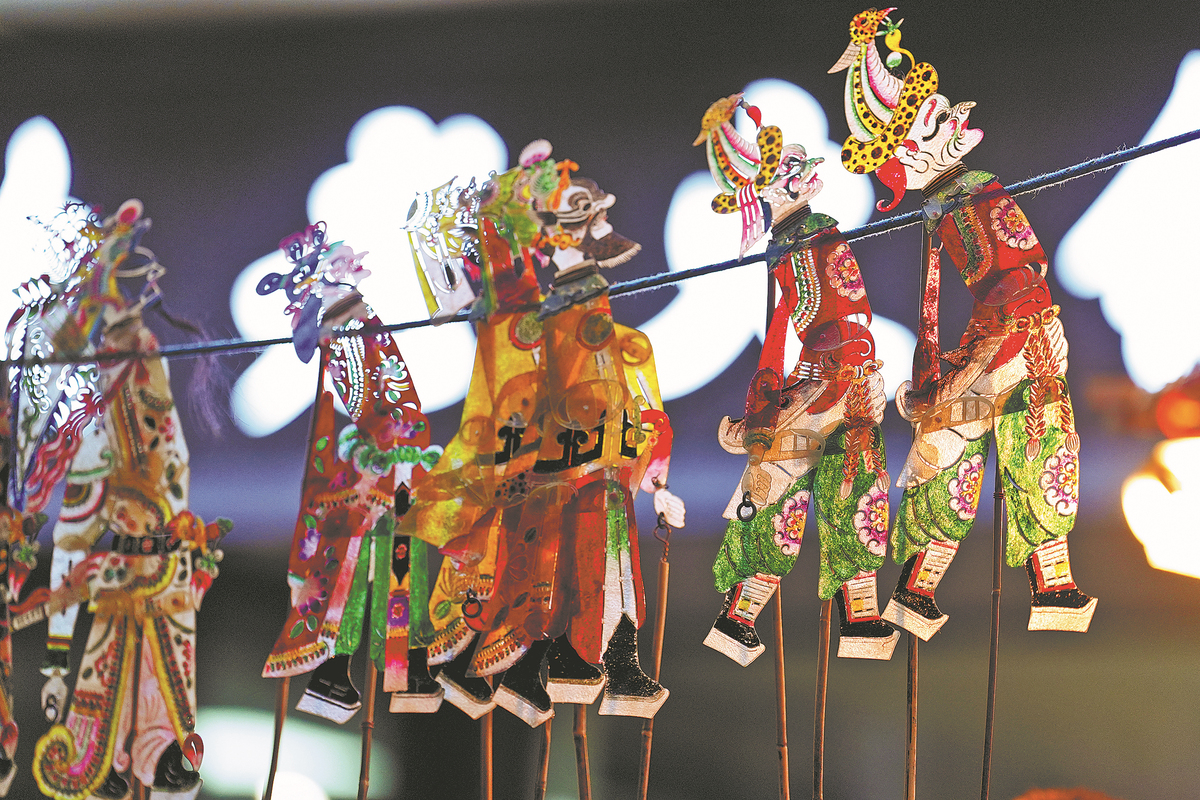
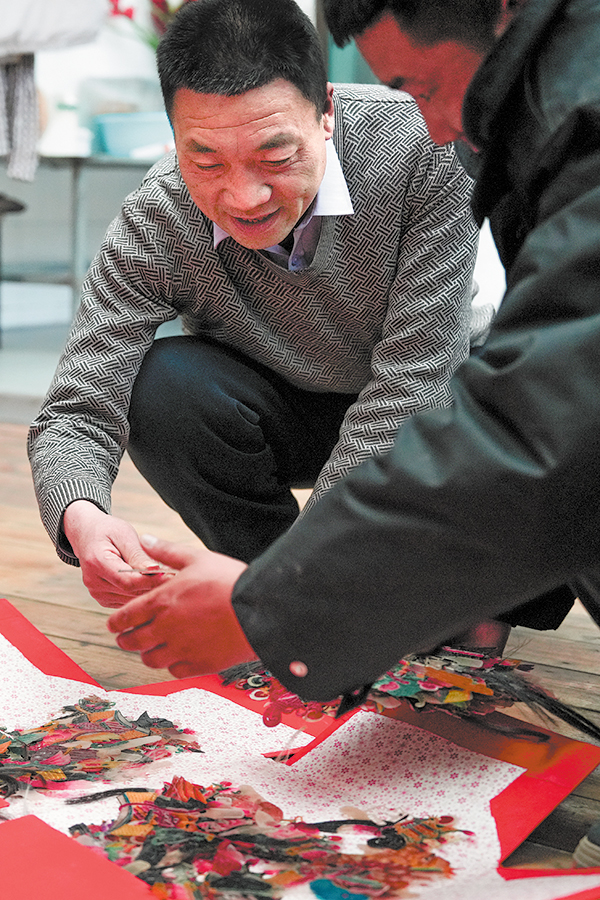
Dating back to the Western Han Dynasty (206 BC-AD 24), piyingxi, or shadow puppetry, is a form of theater that uses colorful silhouette figures made of leather and is accompanied by music and singing. Manipulated by puppeteers using rods, the figures create the illusion of moving images on a translucent cloth screen illuminated from behind. The art form was inscribed on UNESCO's Representative List of the Intangible Cultural Heritage of Humanity in 2011.
Zhou's journey with the folk art began in 1996. For nearly three decades, the smell of rawhide and the feel of weathered control rods have been constants in his life.
In 2011, he founded a shadow puppet troupe, a band of 13. A typical performance involves a puppeteer, several musicians playing instruments such as the suona (a woodwind instrument), the sihu (a four-stringed bowed instrument) and percussion, and a singer who voices all the roles.
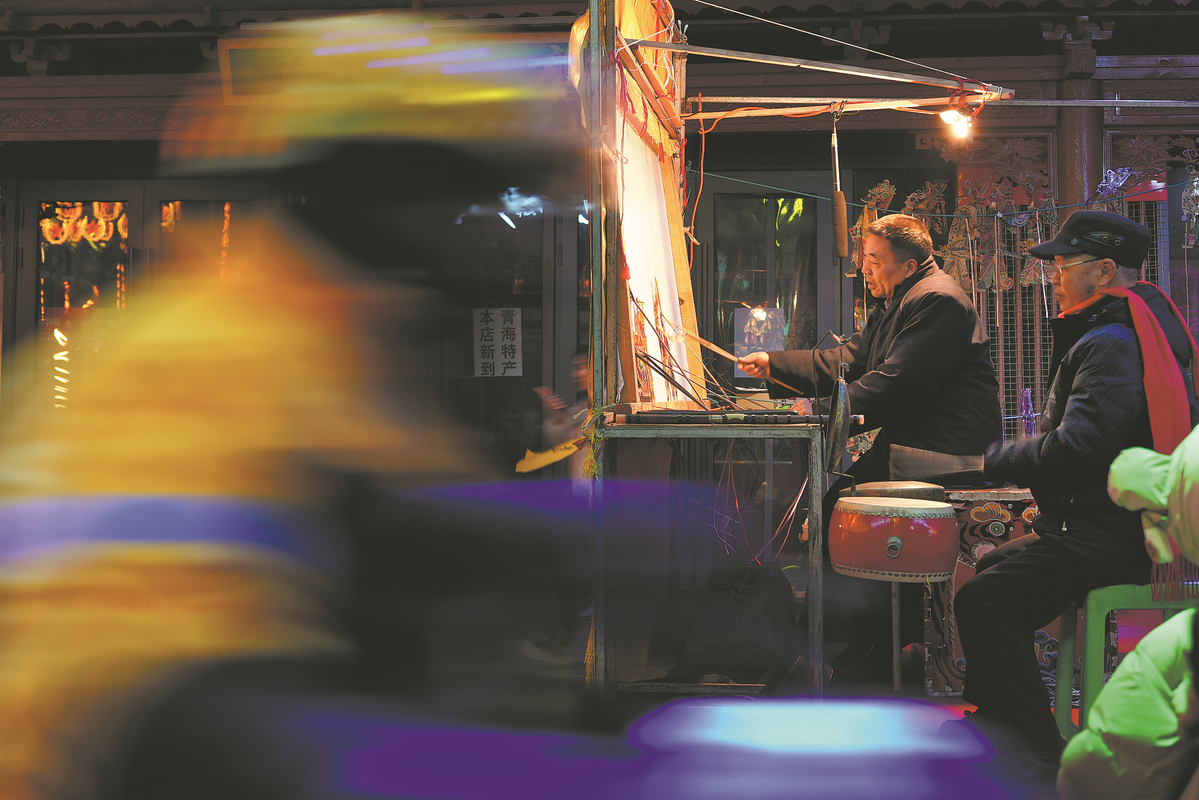
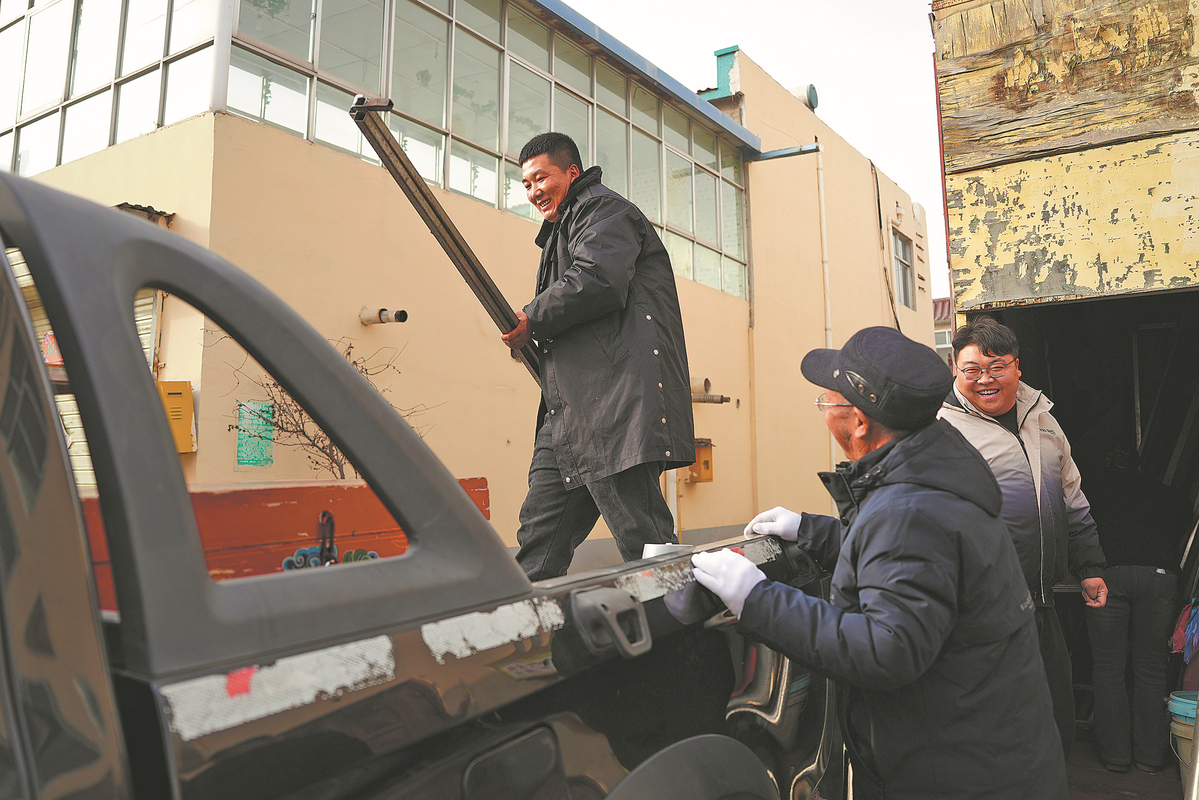
For years, their stage was the countryside: village courtyards, open squares and temple fairs. Under the moon or electric lights, silhouettes told stories of loyalty, love and legend from the classics.
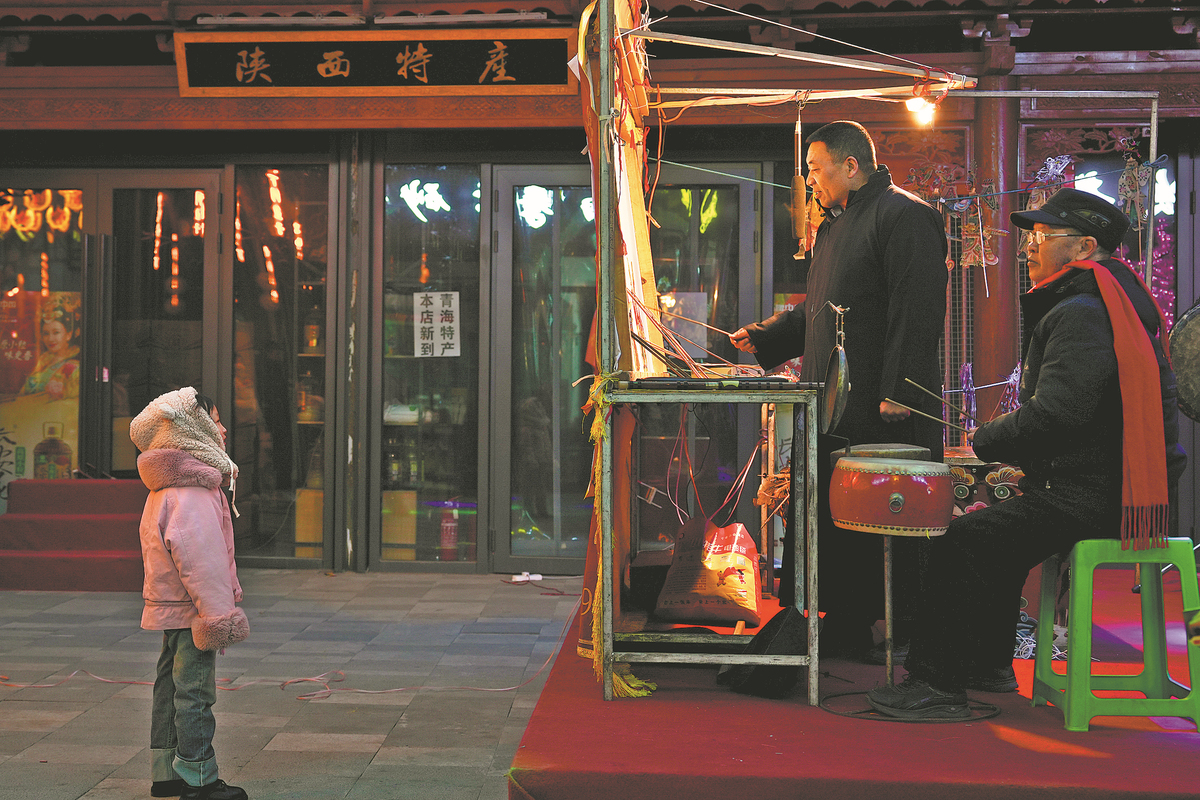
Last year, the troupe gave more than 120 performances, around 20 of them in downtown Xining. Tourist attractions and bustling commercial complexes have since become their new, modern prosceniums.
"No matter where we perform, the moment the singing starts, joy follows. Our shadow puppetry must keep its roots in the countryside, but it also needs to branch out into the city and take root there," Zhou says.
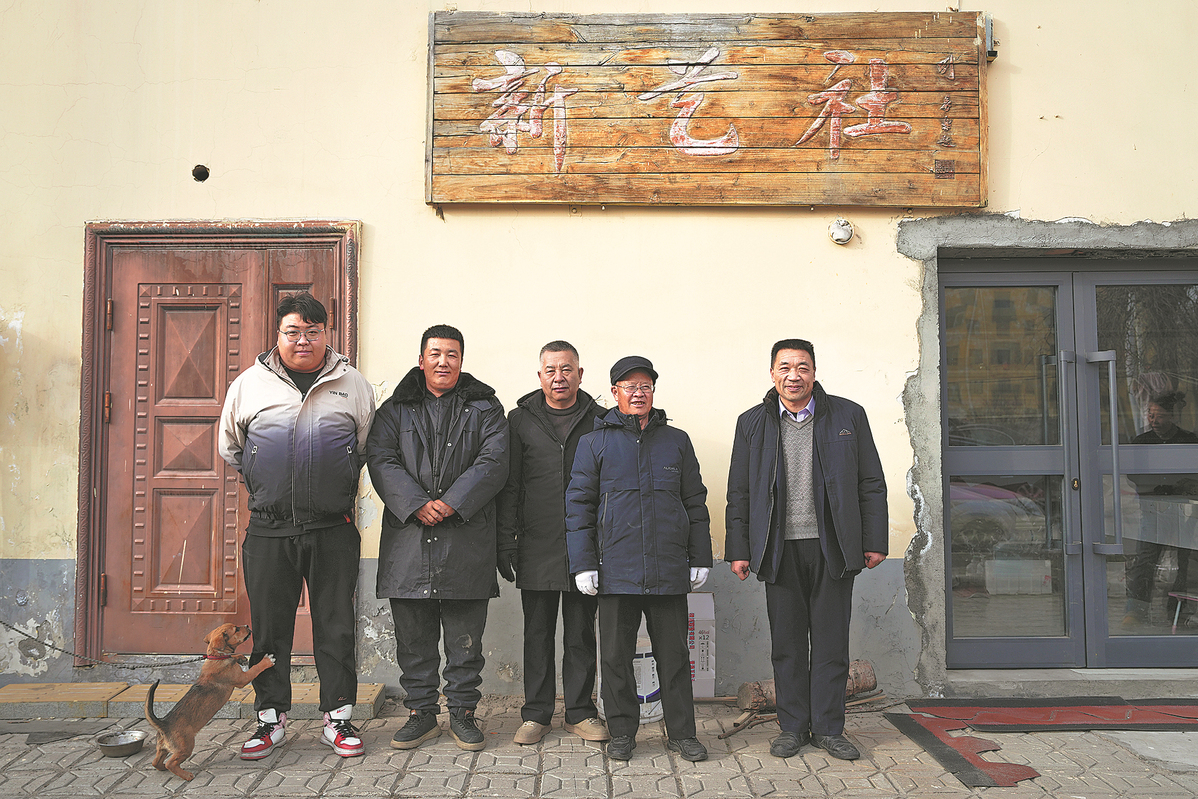
With the Chinese New Year approaching, the troupe's schedule has grown denser, with more than 20 performances already booked.
Looking ahead, Zhou hopes the troupe's performances will make more and more people fall in love with shadow puppetry.
As the music swells again and the lamps brighten, the figures carved from oxhide take flight once more behind the screen.
Behind that single, illuminated rectangle of cloth, they dance a silent ballet that connects, across distance and difference, the shimmering lights of the city with the enduring shadows of the village.