

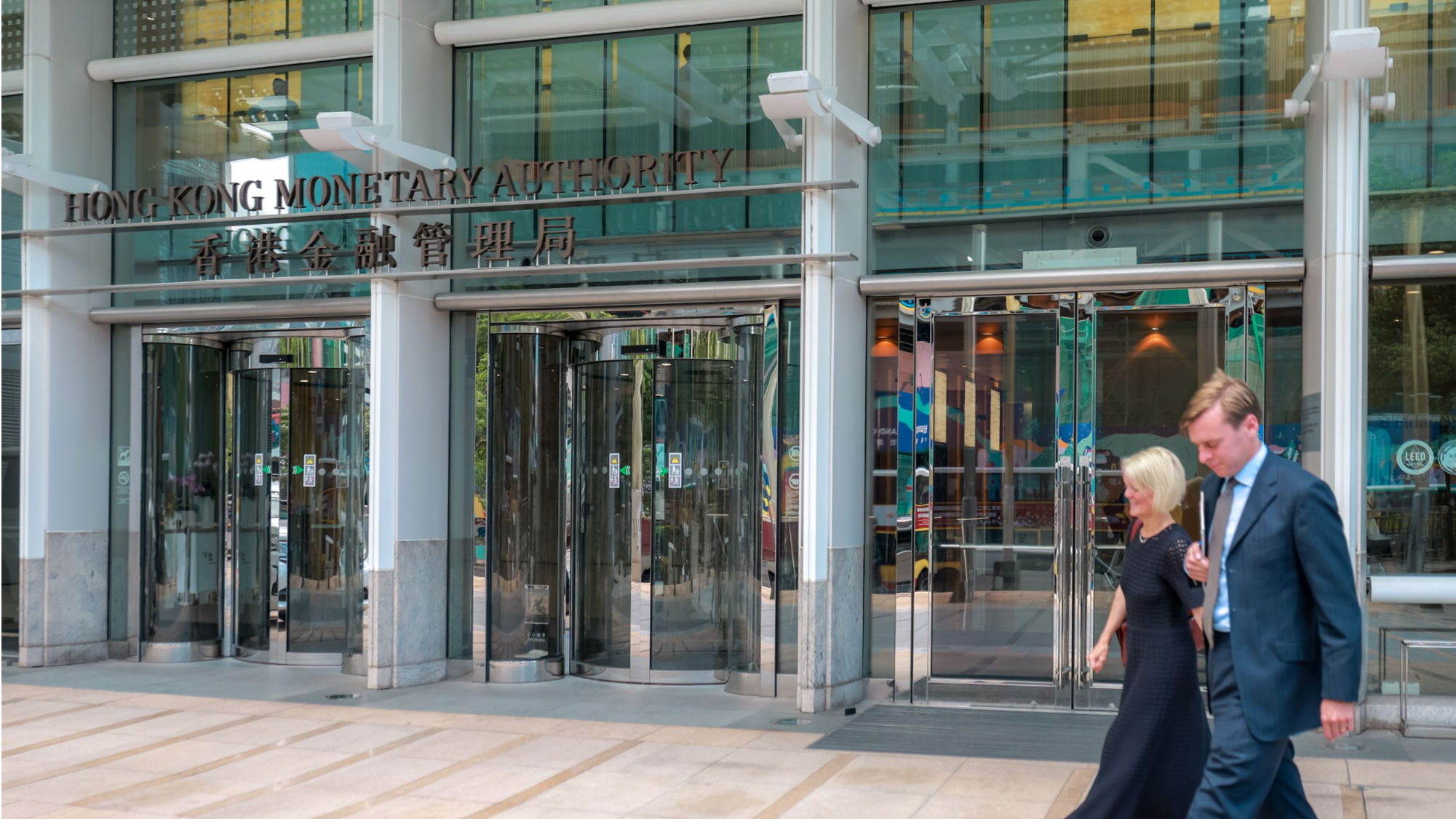
The Exchange Fund, Hong Kong’s investment arm set up to ensure the stability of its currency peg, delivered a record return of HK$331 billion ($42.4 billion) in 2025, benefiting from resilient performance across global financial markets.
The result marked a more than 50 percent jump from HK$218.8 billion in 2024 and translated into an annual return of 8 percent, the highest since 2007, the Hong Kong Monetary Authority said on Wednesday.
All major asset classes posted positive returns, an outcome that has been achieved only twice in the past 15 years — in 2017 and 2020. Equity investments generated HK$108 billion, with Hong Kong stocks contributing HK$33.9 billion, while gains on bonds reached HK$142.2 billion.
HKMA Chief Executive Eddie Yue Wai-man said the strong performance was underpinned by the resilience of global financial markets in 2025. Major stock markets saw broad-based gains, with many setting record highs.
The S&P 500 rose 16 percent last year. The Hang Seng Index, the benchmark of Hong Kong equities, jumped 28 percent on strong capital inflows. US Treasuries also performed well as the Federal Reserve cut interest rates, and the dollar slid 9 percent against major peers.
Markets were volatile in the first half of 2025, weighed down by trade tensions and geopolitical risks, Yue said, adding that global equity and bond markets sold off sharply after Washington announced new tariff measures in early April.
“As we entered the second half of the year, the investment environment improved notably, bolstered by the smaller-than-expected impact from trade conflicts as well as the swift advancement of artificial intelligence technology which attracted investment flows.”
ALSO READ: HK benchmark surges 700 points, hitting its highest level in over four years
Interest-rate cuts by major central banks helped support investor confidence, while the decline of the US dollar also contributed to foreign-exchange valuation gains for the Exchange Fund, Yue said.
The fund has adopted a diversified investment approach in both asset classes and currencies, he added. US dollar assets, for instance, accounted for 79 percent of the portfolio as of the end of 2024, with the remainder invested in non-dollar currencies such as the renminbi and euro, compared with a US dollar share of around 85 percent in earlier years, Yue said.
In response to the surge in gold prices, which climbed to a record above $5,200 per ounce on Wednesday, Howard Lee Tat-chi, CEO of the Exchange Fund Investment Office, said the fund does not hold investments in physical precious metals. The exposure to non-physical is limited due to their low liquidity.
Lee said asset allocation decisions are not adjusted in line with short-term market movements, but based on long-term return and risk assessments, typically looking five to 15 years ahead.
“The exceptional confluence of multiple favourable factors in the global financial markets in 2025 may not last for a long time,” Yue said, as market performance could be influenced by global economic conditions, monetary policies of major central banks, developments in AI and geopolitical conflicts.
The HKMA will prioritize capital preservation while pursuing long-term growth, Yue said, adding that it will manage the Exchange Fund with prudence and flexibility, deploy appropriate defensive measures and maintain a high level of liquidity.
Contact the writer at irisli@chinadailyhk.com
