

After retiring from gymnastics, Guan Chenchen embraces a new challenge on screen while championing healthier, science-based weight management.
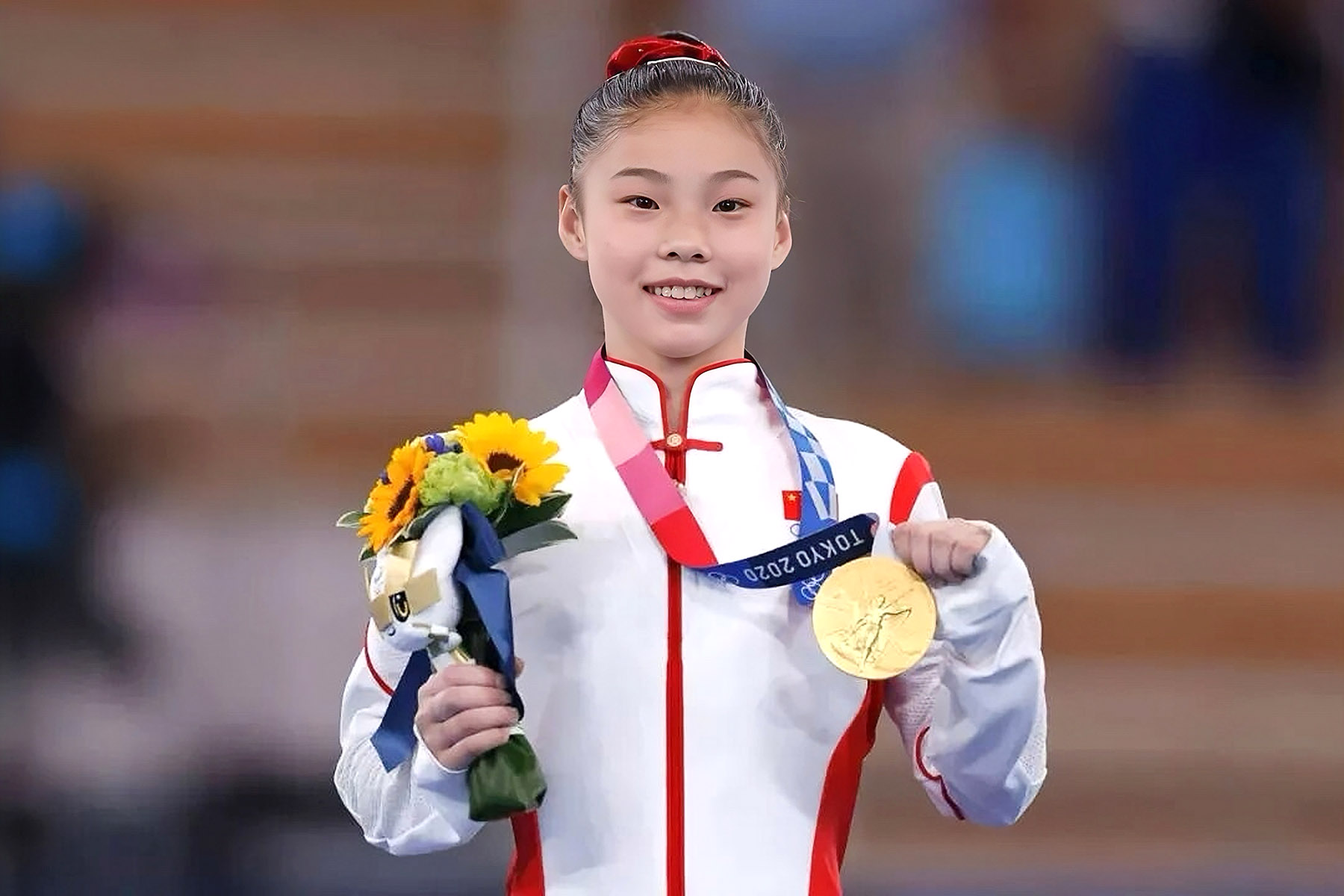
Olympic champion Guan Chenchen has made her screen debut in The Secret to Fat Loss, China's first costume micro-drama centered on scientific fitness, which officially premiered online on Jan 9.
Blending time travel, light comedy, and practical fitness science, the series follows the story of a modern fitness coach who accidentally travels back in time — only to find himself trapped in a severely overweight body. Instead of surrendering to despair, the protagonist applies contemporary exercise methods and nutrition knowledge to achieve a dramatic transformation.
Guan plays a forthright and passionate noblewoman who defies tradition by fleeing an arranged marriage and turning to the protagonist for help.
For Guan, the shift from elite competition to on-screen performance is a new challenge.
READ MORE: Zhejiang: The cradle of champions
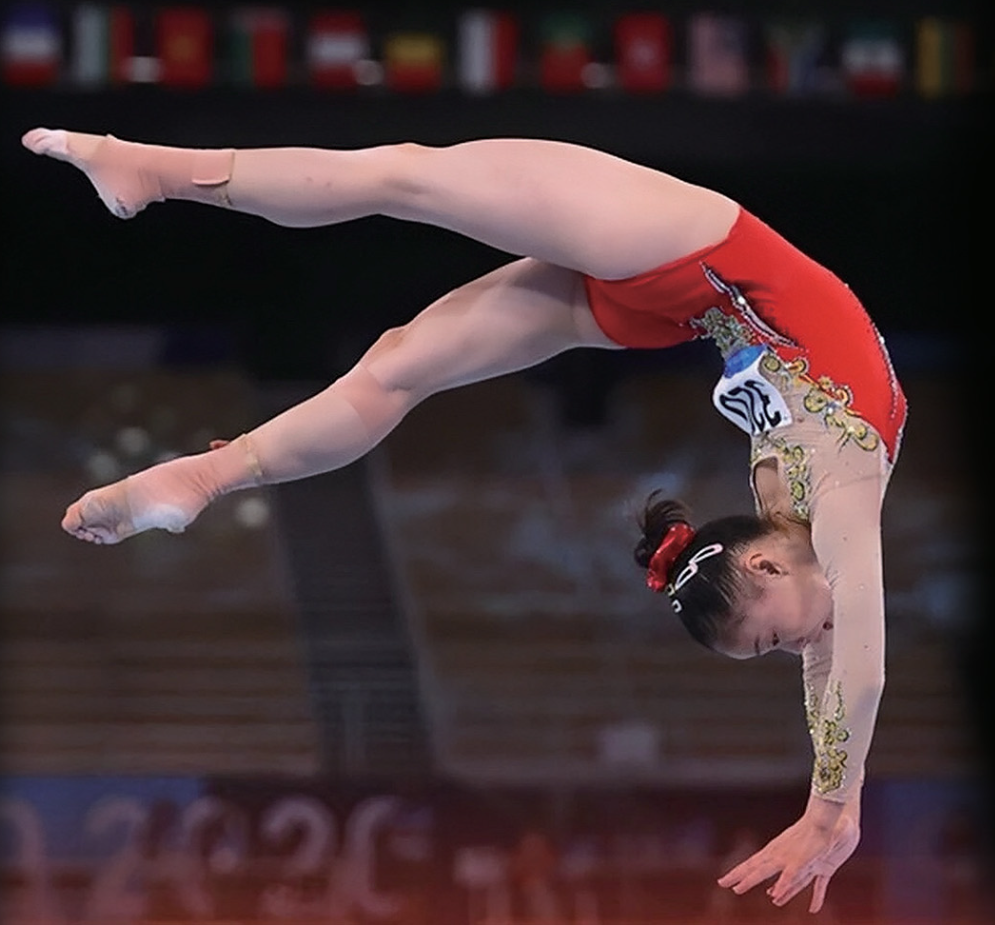
After winning gold in the women's balance beam at the Tokyo Olympics in 2021, she announced her retirement in 2022, which drew widespread attention — and disappointment — from fans. But her departure from competition didn't mean leaving the sports world behind. Now 21, Guan is studying sports science at Zhejiang University in Hangzhou. She also contributed her professional expertise to the drama, helping weave scientific fitness concepts into the story.
Guan acknowledged the difficulty of the transition. "Moving from the balance beam to a period drama was a major challenge," she said. "In gymnastics, expression is conveyed through movement, while acting requires emotional delivery through facial expressions."She revealed that she initially declined the role, citing her lack of acting experience and concerns that her performance might not feel convincing on screen. Her decision changed only after the production team emphasized the project's educational purpose.
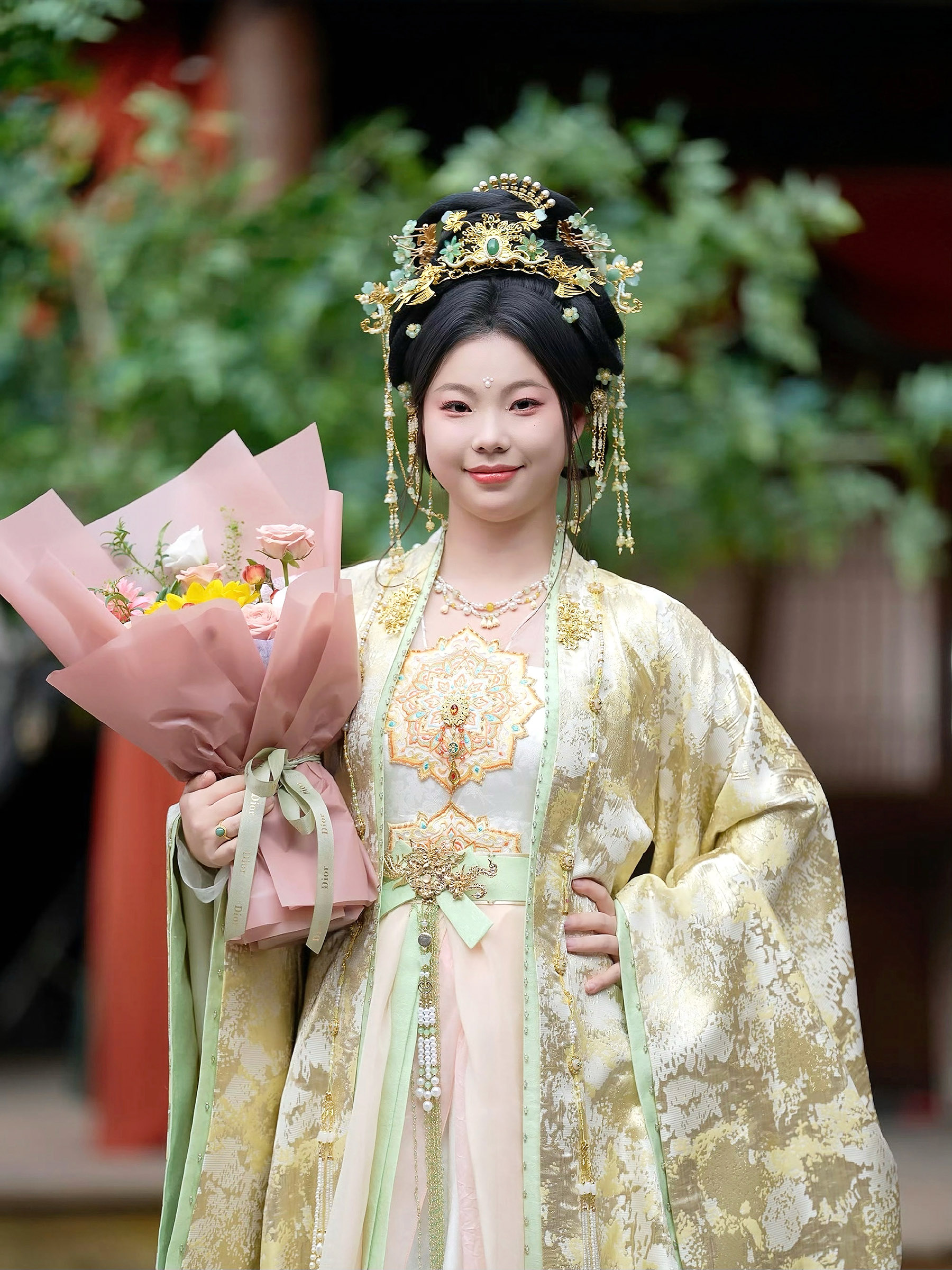
One chase scene left a particularly strong impression on Guan. She explained that it was hard to portray real fear when she knew a scripted rescue was coming. To make the moment more authentic, the director adjusted the scene and instructed her co-star to make a sudden — but safe — prop-knife movement. Guan's instinctive reaction was caught on camera and ultimately became one of the drama's most emotionally intense moments.
Despite being new to acting, Guan found that her athletic background gave her an advantage. The drama reimagines modern aerobics as ancient breathing practices, while gym-based routines are adapted into historically plausible training methods and tools.
"The use of traditional stone weights to demonstrate core training was especially effective, as it aligned with the historical setting while still accurately conveying fitness principles," Guan said.
She also provided professional input on movement design, refining stretching angles to balance visual authenticity with scientific accuracy.
The drama's emphasis on scientific fitness mirrors Guan's own post-retirement experience. "After stepping away from competition, I gained weight quickly at first," Guan said. "But I gradually got back on track through structured training and balanced nutrition — the same principles highlighted in the series."
She also cautioned viewers against extreme dieting and overly intense workouts, stressing that sustainable results come from long-term commitment and a plan tailored to individual needs.
Beyond physical training, the series also promotes a broader concept of what "healthy beauty" means. The story underscores that weight management should be about personal well-being rather than external validation, and that strength is an essential dimension of women's self-expression.
"From this perspective, the drama encourages audiences to reassess conventional ideas of health and confidence," Guan said.
Science-based fitness
As a project developed under the guidance of the General Administration of Sport of China, the drama places scientific accuracy at its core. All exercise routines and dietary concepts were reviewed by experts, while actors received instruction from professional trainers. The production team also released a handbook on scientific weight management, designed as a viewing guide with plot-linked Q&A sections to help audiences better understand key principles of exercise and nutrition.
Guan said this "micro-drama plus guide" model reflects a deliberate effort to connect entertainment with public education.
"Traditional fitness content often struggles to keep audiences engaged, while story-driven formats can deliver knowledge in a more accessible and effective way," she said.
According to DataEye, a company specializing in global digital content marketing, the total output value of China's micro-drama industry reached 100 billion yuan ($14.35 billion) in 2025 — about twice the country's annual box office revenue.
With their fast-paced storytelling and strong emotional appeal, micro-dramas are seen as a natural fit for sports content, Guan added, as sports narratives often come with clear goals, intense competition, and inspirational turning points.
Policy support has further accelerated this trend. In September 2025, the General Office of the State Council issued guidelines on unlocking the potential of sports consumption and promoting the high-quality development of the sports industry.
For the first time, the document proposed a creative initiative encouraging people to exercise with micro-dramas and train with top athletes to promote scientific fitness and wider public participation in sports.
Guided by national policies and growing market demand, Guan believes sports-themed micro-dramas could become a new bridge between professional athletics and the public.
"If successfully developed, this integration could deliver benefits across multiple sectors — boosting the sports industry, expanding the digital content market, and promoting public fitness at the same time," she said.
Appearing in a micro-drama has also reshaped Guan's understanding of the social role of athletes. "I now view sports professionals not only as competitors, but also as advocates for scientific fitness," she said.
Looking ahead, Guan plans to continue promoting healthy exercise through short-form video content and school outreach programs, aiming to make practical, accessible fitness knowledge available to more young people.
Contact the writers at duaoran@i21st.cn
