

Ancient bamboo manuscripts reveal how horse management shaped governance, military strength, and knowledge systems in early China, Yang Yang reports.

Researchers studying the Tsinghua Bamboo Slips have identified what they describe as the earliest known specialized material on horse management in China, unveiling the findings at a book launch for The Tsinghua University Warring States Bamboo Manuscripts (Vol XV) on Jan 19.
The release comes as the Year of the Horse approaches, lending contemporary resonance to discoveries rooted more than two millennia in the past.
The newly published volume presents texts on horse evaluation, disease treatment, training and riding, subjects that had not previously appeared in surviving historical records. Researchers say the materials are of particular importance to the study of science, technology and culture in pre-Qin China, before 221 BC.
READ MORE: Hidden world of pre-Qin politics
In 2008, Tsinghua University received an alumni donation of nearly 2,500 pieces of bamboo slips, forming what is now the largest known collection of the Warring States Period (475-221 BC) relics.
The collection, covering a wide range of subjects, including Confucian classics, historical records and philosophical texts, is widely regarded as one of the most significant archaeological discoveries of recent decades.
Since 2011, the research team at Tsinghua University has been releasing annual reports detailing its findings.
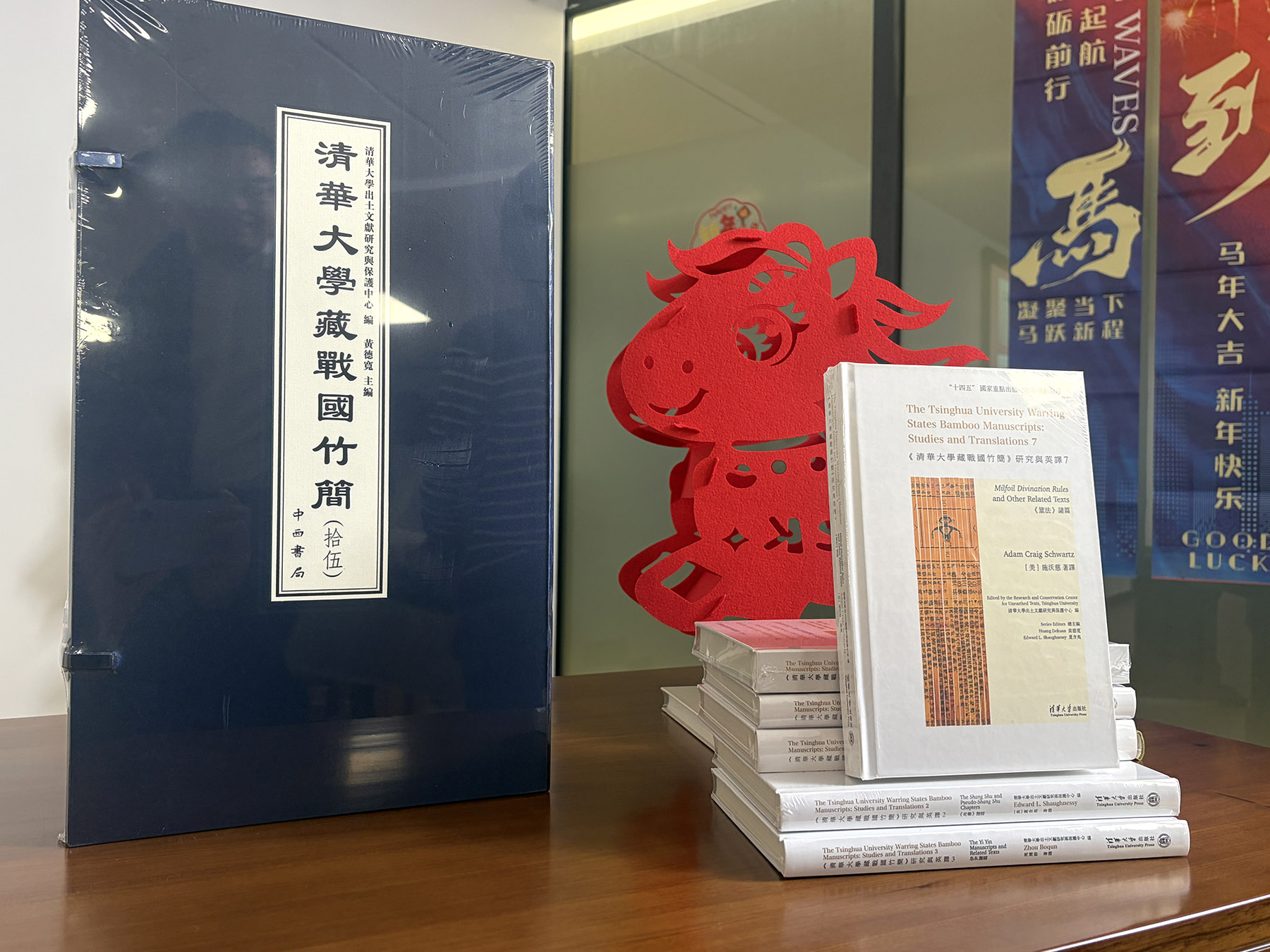
With 14 volumes already published, the 15th focuses exclusively on horses, the only animal discussed across the entire collection. The latest volume of The Tsinghua University Warring States Bamboo Manuscripts, published by Zhongxi Book Company, brings together five bamboo manuscripts: Xu Ma (Observing Horses), Fan Ma Zhi Ji (All Horse Ailments), Xun Ma (Taming Horses), Yu Shu (Art of Driving Horses) and Yu Ma Zhi Dao (The Way of Driving Horses).
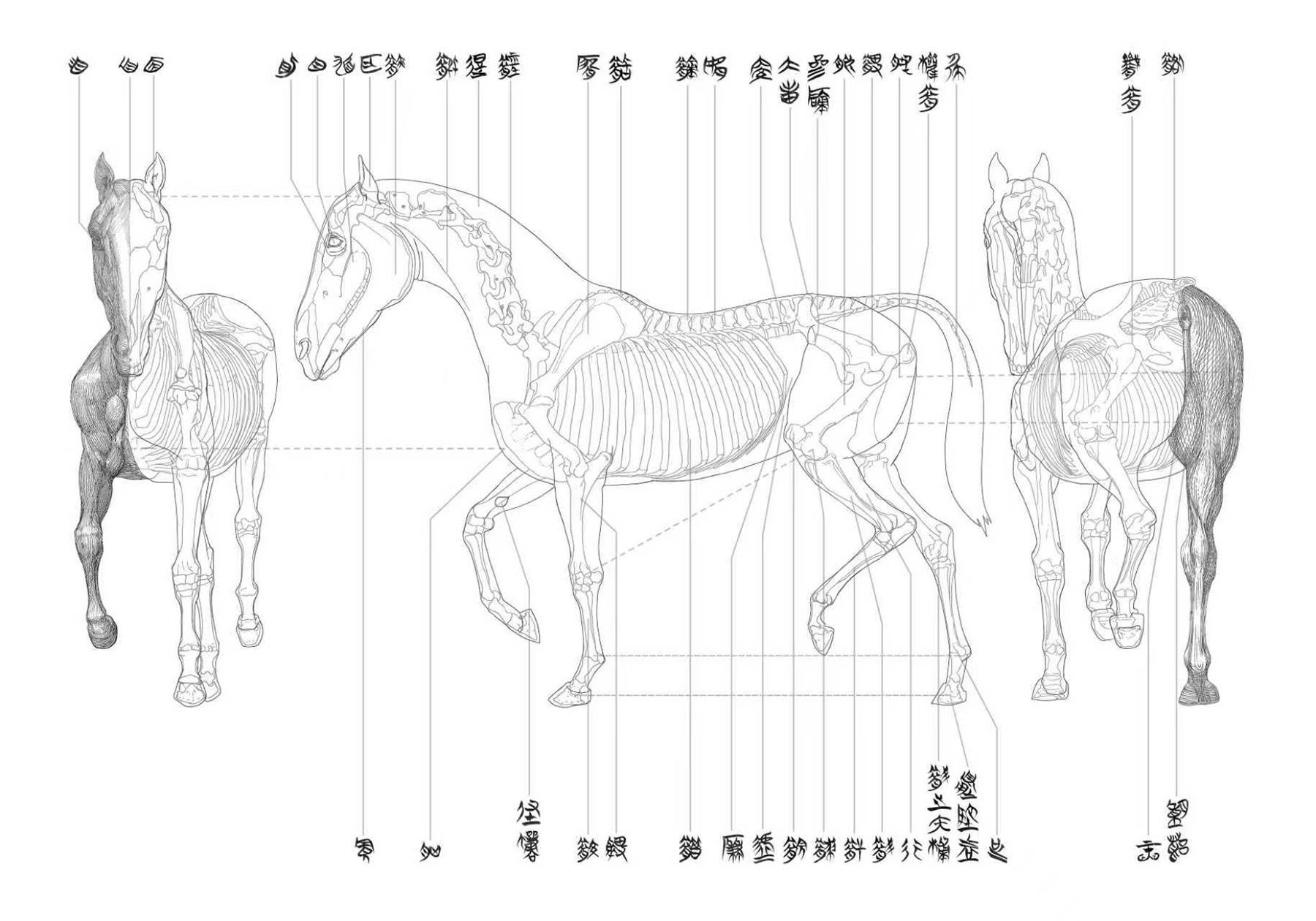
Xu Ma comprises 40 bamboo slips that focus on the art of evaluating horses. It describes the physical traits of 12 types of horses and offers guidance on how to identify them. The text provides valuable insight into ancient methods of horse appraisal and is relevant to the study of animal husbandry, zooarchaeology and early veterinary science, says Jia Lianxiang, a researcher from the Research and Conservation Center for Unearthed Texts at Tsinghua University.
Fan Ma Zhi Ji consists of 24 bamboo slips, with the 13th slip missing, leaving 23 slips in existence. It systematically records various equine diseases and their symptoms, making it the earliest known specialized document on horse treatment. This is of great significance for the study of the history of veterinary medicine in ancient China, Jia says.
The Xun Ma section, preserved on 12 bamboo slips, summarizes practical experience in horse training. It focuses on methods for training horses and regulating their feed and water, and maintaining their health, underscoring the importance of systematic and scientific care.
Yu Shu, made up of 38 bamboo slips, offers a comprehensive introduction to mastering horse riding based on the animal's body movements. It fills a gap in the ancient Chinese literature on horse riding skills and provides rare insight into the practical meaning of "driving" as one of the "Six Arts", says researcher Shi Xiaoli.
The final manuscript, Yu Ma Zhi Dao, contains 12 bamboo slips that focus on the general principles of horse riding. It compares the art of riding to governing a country and managing people, advocating a balanced approach of "gradual and steady advancement, combining benevolence with authority".
The ideas in this section closely align with the Legalist school of thought prevalent during the Warring States Period, including those of thinkers like Shen Dao, Shen Buhai, and Han Feizi, says researcher Cheng Hao, in his presentation.
Horses are the only animal discussed in the Tsinghua Bamboo Slips because these manuscripts were primarily written for the nobility, focusing on state governance and administration, says Huang Dekuan, director of the Research and Conservation Center for Unearthed Texts at Tsinghua University.
Horses held exceptionally high status in national life at the time, Huang says. From pulling chariots to their later development into cavalry, horses directly enhanced a state's military strength and productivity.
Several manuscripts suggest that during the Warring States Period, a nation's strength was epitomized by "a million armored soldiers, a thousand chariots, and 10,000 cavalry horses", Huang says. This formulation is comparable to how modern societies measure military strength by referencing advanced weaponry, he adds.
"Therefore, horses were a direct symbol of military power and advanced productivity during that era," he says.
He also notes that, beyond their use in warfare and chariots, horses symbolized social status. Strict rules governed how many horses could pull a chariot, depending on rank: six for the monarch, five for feudal lords, four for high ministers, three for lower-ranking officials, two for scholars and one for commoners.
Chariot driving was also one of the "Six Arts", making mastery of horse management a core component of elite education.
"In essence, these documents about horses are closely related to the politics, history, and culture of the time, falling under the category of equine management documents. They reflect a political system and organization," says Huang.
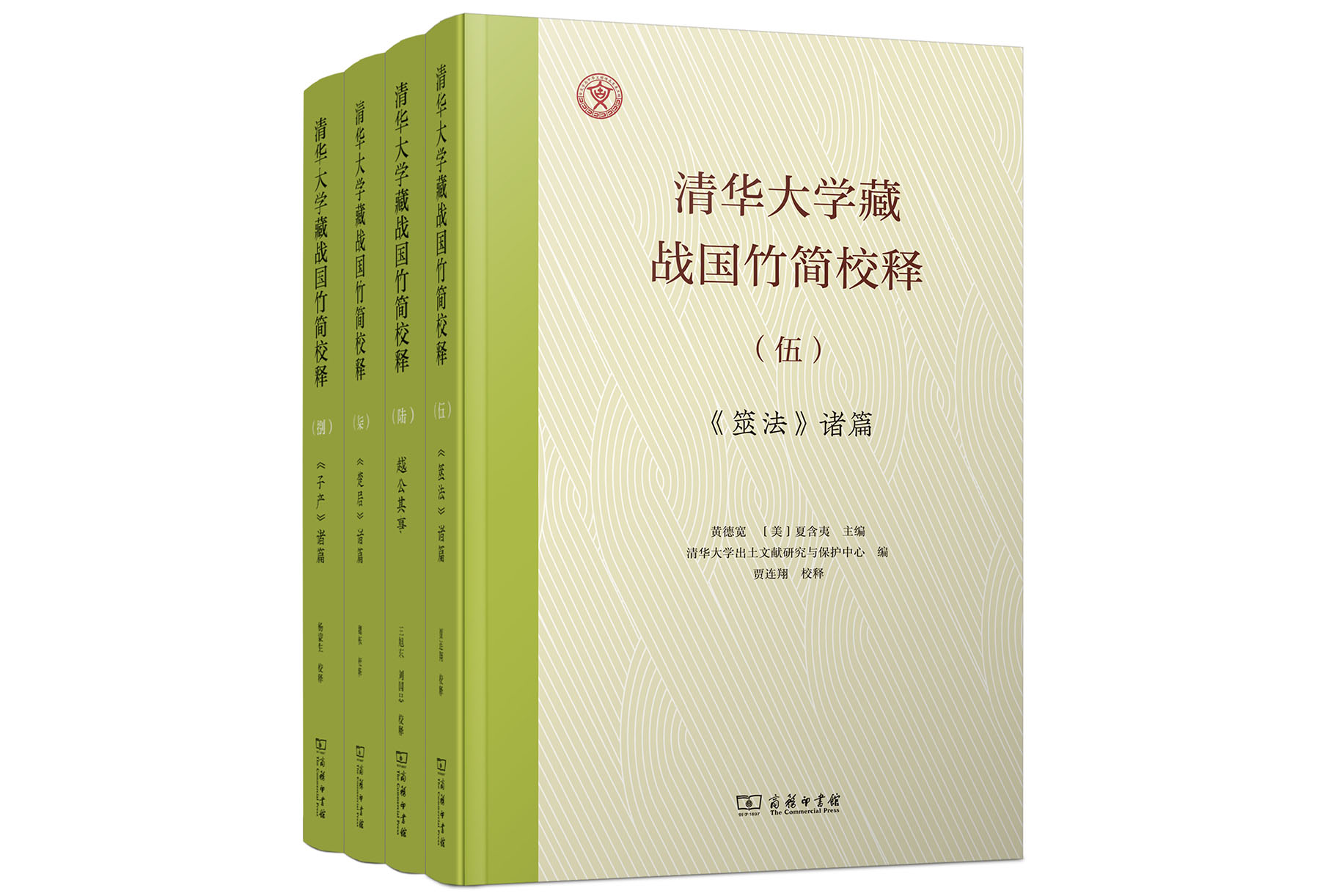
Alongside the 15th volume of the bamboo manuscripts, the event launched the fifth to eighth volumes in the second collection of Collated Interpretations of the Tsinghua University Warring States Bamboo Manuscripts and the seventh volume of The Tsinghua University Warring States Manuscripts: Studies and Translations.
The Collated Interpretations series, published by Commercial Press, is set to comprise 18 volumes. This collection systematically compiles all organized and released Tsinghua Bamboo Slips, incorporating revisions and annotations informed by the latest research advancements. The series also translates the complex and obscure Warring States bamboo texts into accessible vernacular Chinese, to promote and popularize these texts among the general public.
The Studies and Translations series, published by Tsinghua University Press, also plans to release 18 volumes. Each volume will summarize the latest research progress in the academic community and provide annotations and translations of the bamboo texts. The texts will be presented in a four-part format: the original text, its transcription into clerical script, modern Chinese characters, and English translation.
"In addition to the print editions, we have also released digital versions, or e-books, of the four volumes previously published. These ebooks are now widely available through major international platforms like Amazon and Google," says Shi Lei, deputy editor-in-chief of Tsinghua University Press.
ALSO READ: Manuscripts illuminate elaborate use of rituals
Reflecting on the challenges of compiling the horse-focused volume, Huang says the team initially struggled due to a lack of practical experience with horses.
For example, "None of us had firsthand knowledge of horse handling, which made certain passages difficult to interpret. While we could recognize some of the characters, their precise meanings were unclear. Since the volume also covered treatments, we consulted traditional Chinese medicine practitioners, studied medical texts, and delved into a wide range of literature to deepen our understanding," he notes.
The forthcoming 16th and final volume, Huang says, will focus on philosophy and provide a comprehensive overview of the entire Tsinghua Bamboo Slips collection, including statistics on the total number of texts and characters. In addition to an English translation, work on a Japanese edition has already begun.
"Fully and accurately interpreting the content of the Tsinghua Bamboo Slips is a task that extends beyond a single generation of scholars, let alone just our team. Therefore, in our future work, we will continue to incorporate feedback and suggestions from the academic community to refine and improve our interpretations," Huang says.
Contact the writer at yangyangs@chinadaily.com.cn
