

Drama therapy workshops use improvisation and role-play to help young people navigate anxiety, conflict and their search for connection.
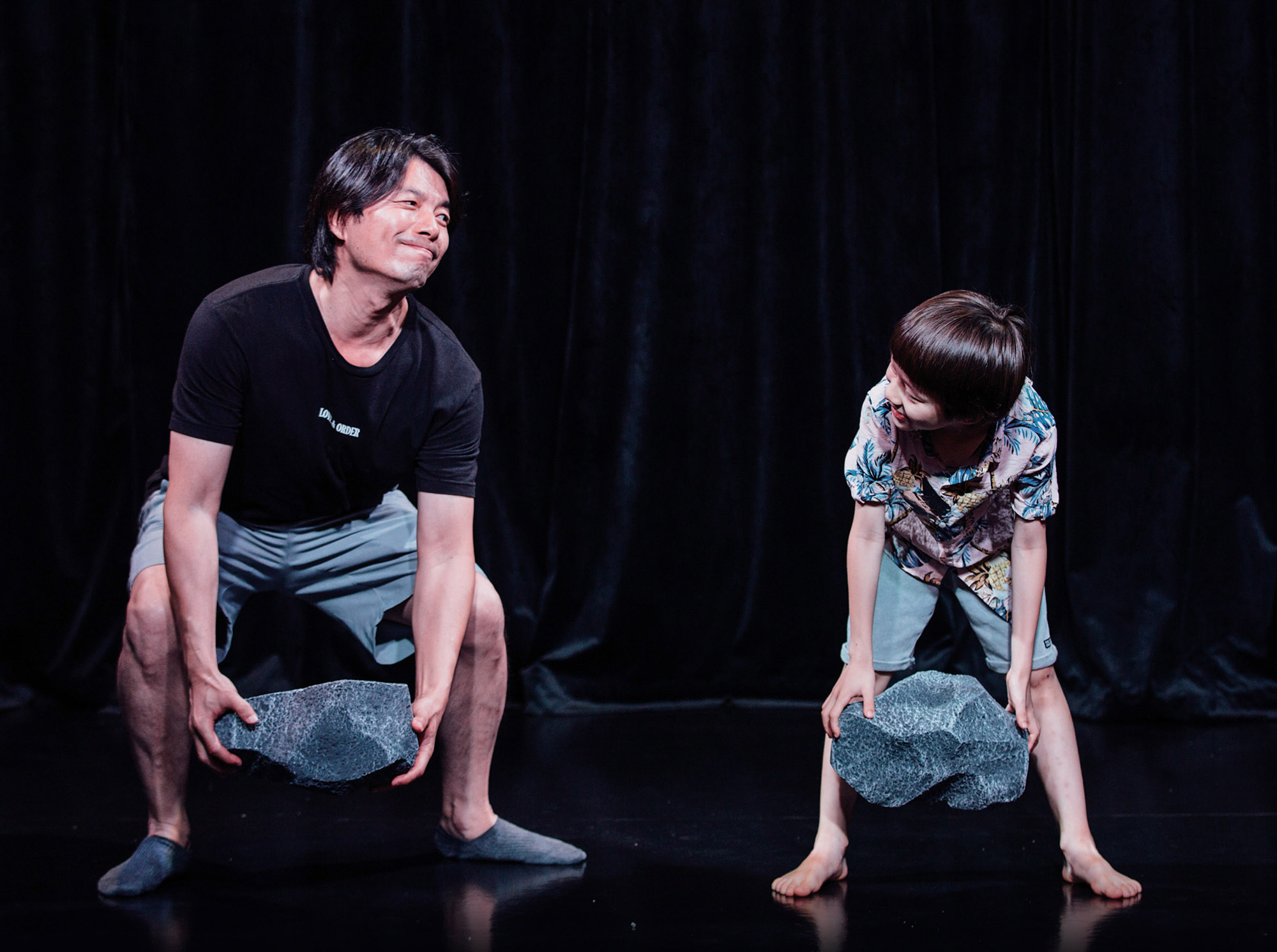
As soft meditation music filled the room, several young participants lay down, closed their eyes, and began to move slowly, imagining they were trapped in a sleep they could not wake from. Moments later, they were asked to picture themselves as children again — loosening their bodies and letting their faces settle into the most innocent, carefree expressions they could remember.
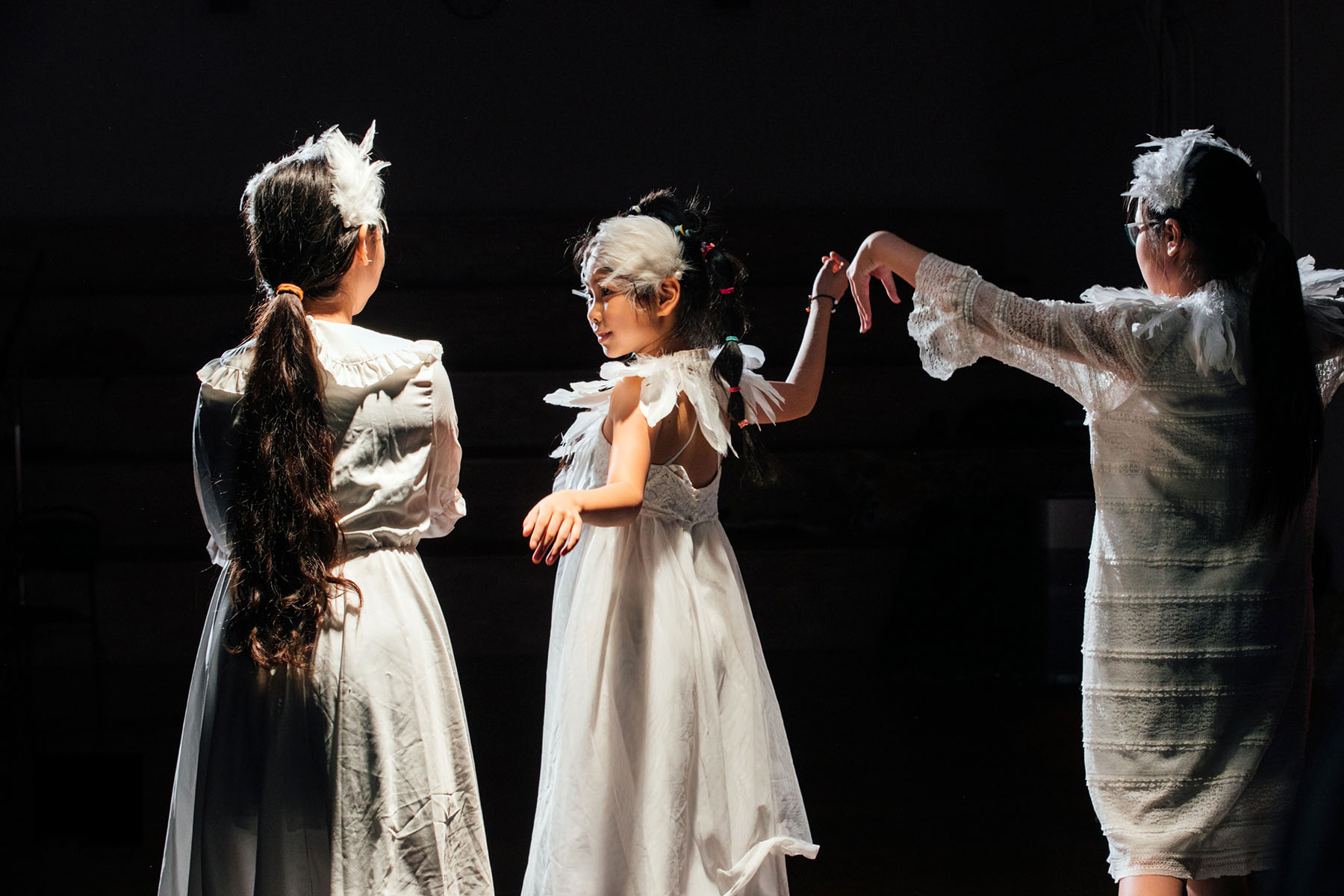
This was not a performance rehearsal, but a drama therapy workshop at the Galli Theater in Beijing, where stage-based exercises are used as tools for self-exploration and emotional growth.
Founded by German philosopher, actor, and playwright Johannes Galli, the Galli Theater combines theatrical techniques with psychological training.
READ MORE: Issues raised by theater group see audience get in on the act
The organization launched its training program in China in 2013, and its Beijing center became fully operational in 2019.
As a space for psychological growth for children, families, and adults, the Beijing center has produced 20 fairy-tale musicals, eight plays for adults, and seven preventive behavioral theater programs, along with a wide range of workshops and seasonal camps.
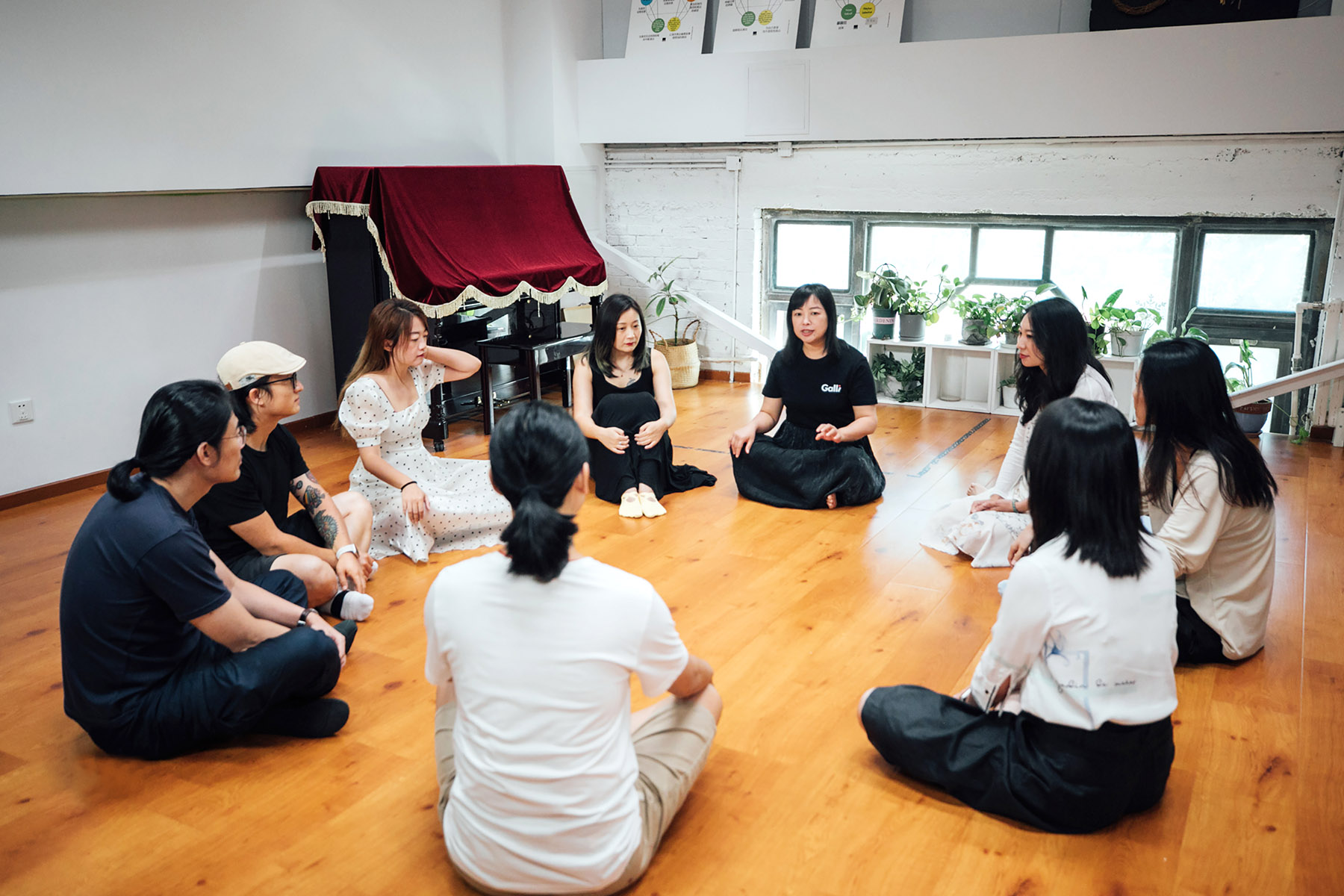
Zhang Xin, co-founder of Galli Theater China, said that what sets drama therapy apart from traditional theater is the close interaction between the stage and the participants.
"Unlike grand theaters or opera houses, which can feel distant and inaccessible to those without acting experience, our theater is open to everyone," she said. "We want people to feel they can take a step closer and become part of the action on stage."
"Everyone has the potential to stand here," she added.
Zhang truly enjoys her time on stage as a trainer. "Most of the time I'm physically tired, but the experience is spiritually nourishing," she said. "I feel that each time I do this work, I'm planting seeds — and more people can draw strength from what they experience on stage."
Chen Biwen, another trainer at Galli Theater, has observed a growing number of young people stepping onto the stage, each arriving with their own expectations and motivations — some wanting to express emotions, others hoping to improve themselves.
"We are not working only with people who are mentally 'ill'," she said. "We are open to everyone."
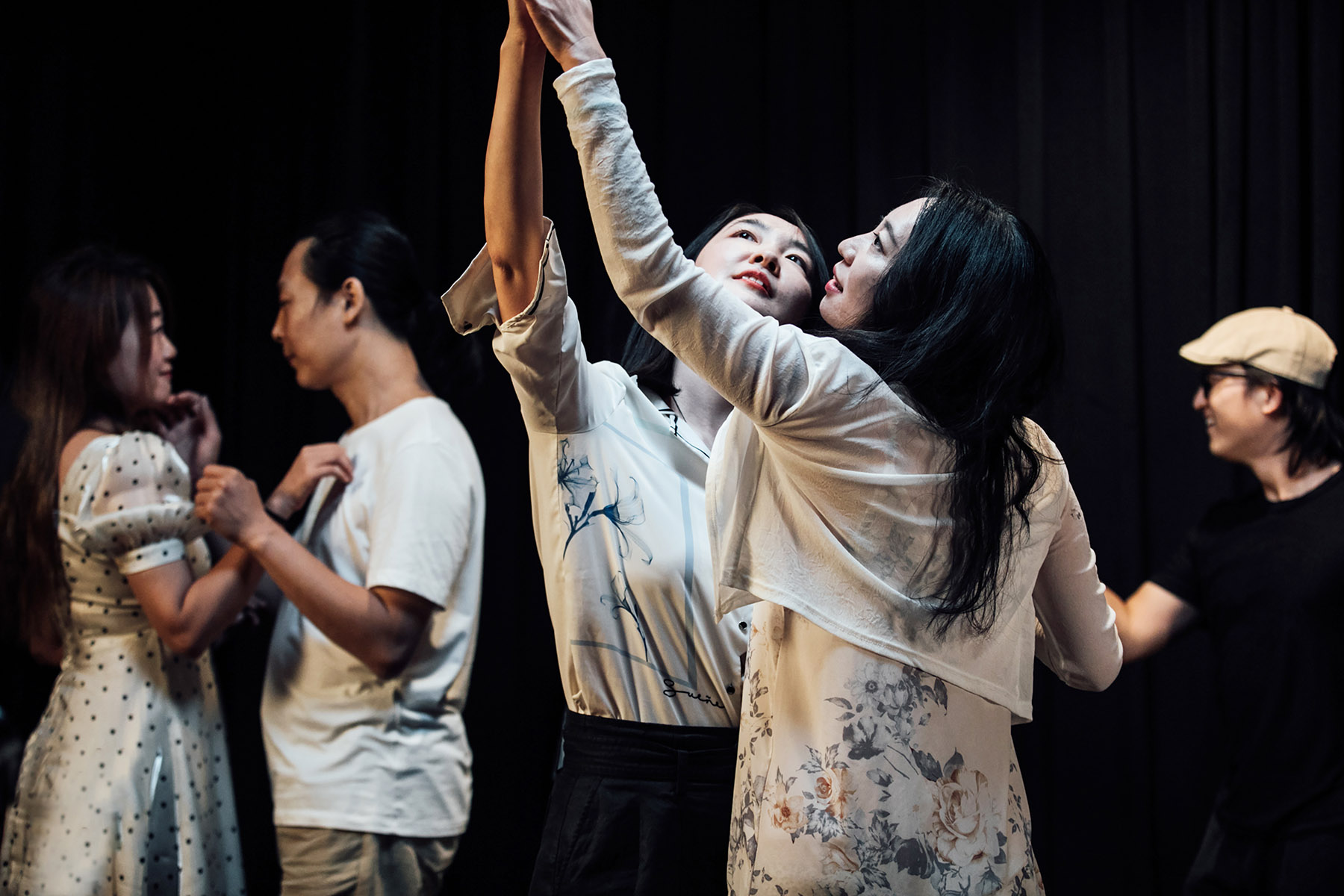
The stage gives participants an opportunity to rehearse situations they may find difficult to face in real life. For instance, some people want to confess their feelings to someone but don't know how.
"In real life, there is no chance to practice," Zhang said. "But on stage, you can try again and again, and learn how to handle real-life situations in a psychologically healthy way."
The workshops also address issues that have become increasingly common in modern urban life — anxiety, uncertainty, and the difficulty of making decisions shaped by relationships and life choices.
"For my generation, especially those of us who grew up in big cities, there are simply too many options," said Hong Yixin, a participant.
"That can be confusing," she added. "When everything feels possible, and we must take responsibility for every step we make, it somehow becomes even harder."
At the heart of the theater's approach is the "Seven Kellerkinder" theory developed by Galli himself. It personifies different inner personality traits as childlike characters: arrogance appears as a "big shot", stinginess becomes a "miser", while other traits take the form of irritability or the tendency to gossip.
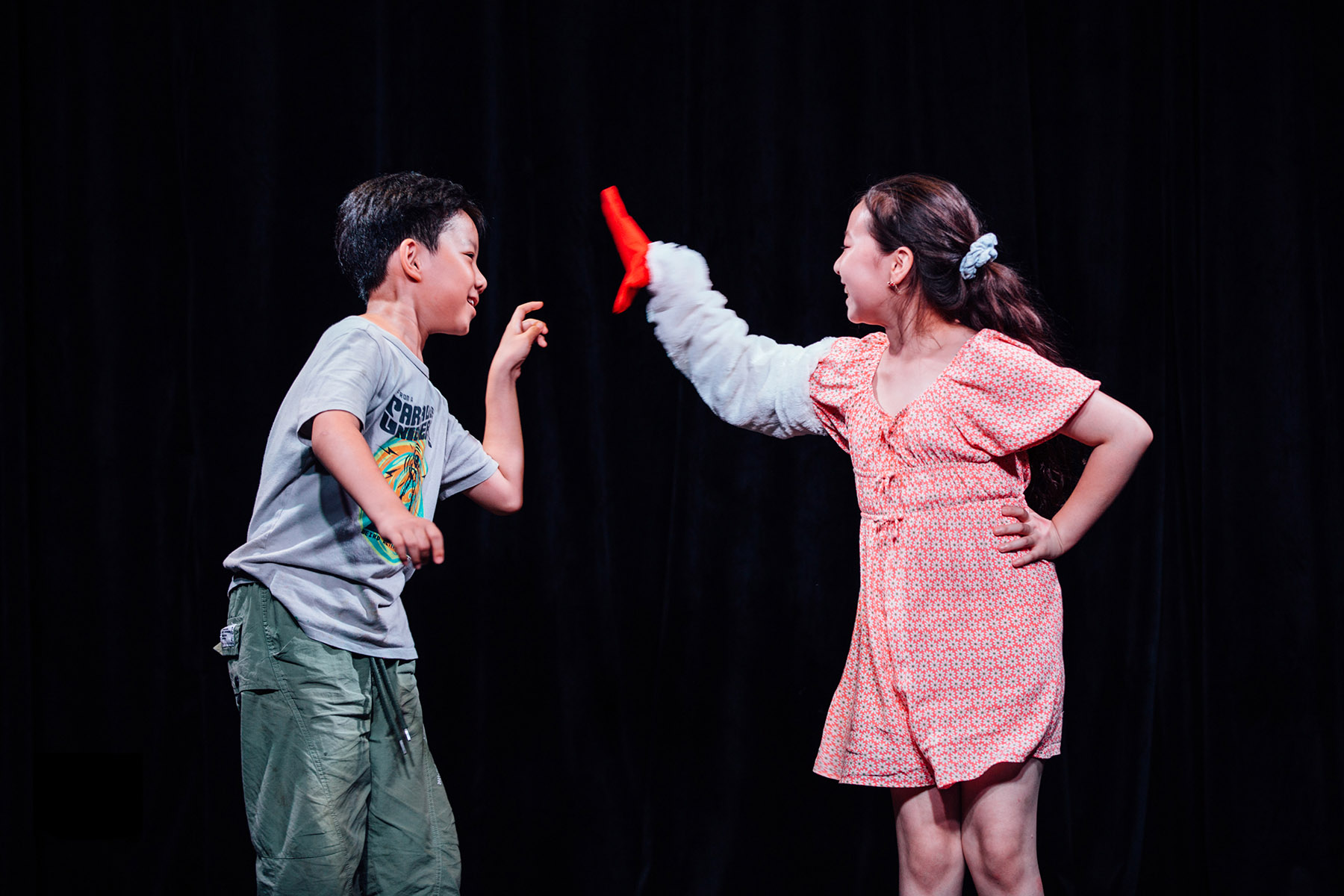
Rather than being treated as flaws, these traits are seen as sources of potential strength. Arrogance, for example, can become leadership, and gossiping can transform into love and connection.
In workshops, participants bring these "inner children" to life through improvisation, observing their own patterns and learning how to reshape them.
For Hong, this experience changed the way she understood conflict.
"Conflict in real life may not be as terrifying as we imagine," she said. "Anger or confrontation often comes from a desire to protect others or solve problems, but they can come out the wrong way when people don't know how to express their good intentions properly. Once you recognize that, conflict can even bring people closer."
Having once tried to free herself from old constraints by pushing back against them hard — cutting people off, shutting down emotionally, and refusing to compromise — she later realized that this kind of resistance only created new problems.
"Now I'm learning how to set boundaries without denying myself — and how to stand my ground without going to extremes," she said.
Body wisdom
At first glance, the workshops may seem like they focus on the mind. But the real work happens through physical experience. Chen believes body-based exercises are crucial because the body often reveals what the mind tries to hide.
"Our brains learn how to deceive," she explained.
"But the body doesn't lie. By transforming subconscious patterns into tangible images and movements, people can see what's happening inside them much more clearly."
Chen herself experienced a profound shift through her time on stage. In her late 20s, she began working with Galli and slowly rebuilt her sense of self — a journey that ultimately inspired her to become a trainer.
ALSO READ: Shanghai's musical scene finds a new home in the sky
For her, the purpose of coming to the theater is to get closer to one's true self. "It's not about becoming someone else or striving to be a 'better' person, as the definition of 'better' is different for everyone," she said.
That mindset is also what helped her stop chasing other people's approval.
"I learned on stage that strength has to come from within, and that taking care of myself first is necessary," she said. "Once I did that, I realized people didn't need my constant 'sacrifice'. That made my life feel lighter, easier, and happier."
"If participants leave the theater feeling more aligned with who they truly are, then that is priceless," she added.
Contact the writers at guojiatong@i21st.cn
