

More urbanites finding relief, healing in tranquil pastime
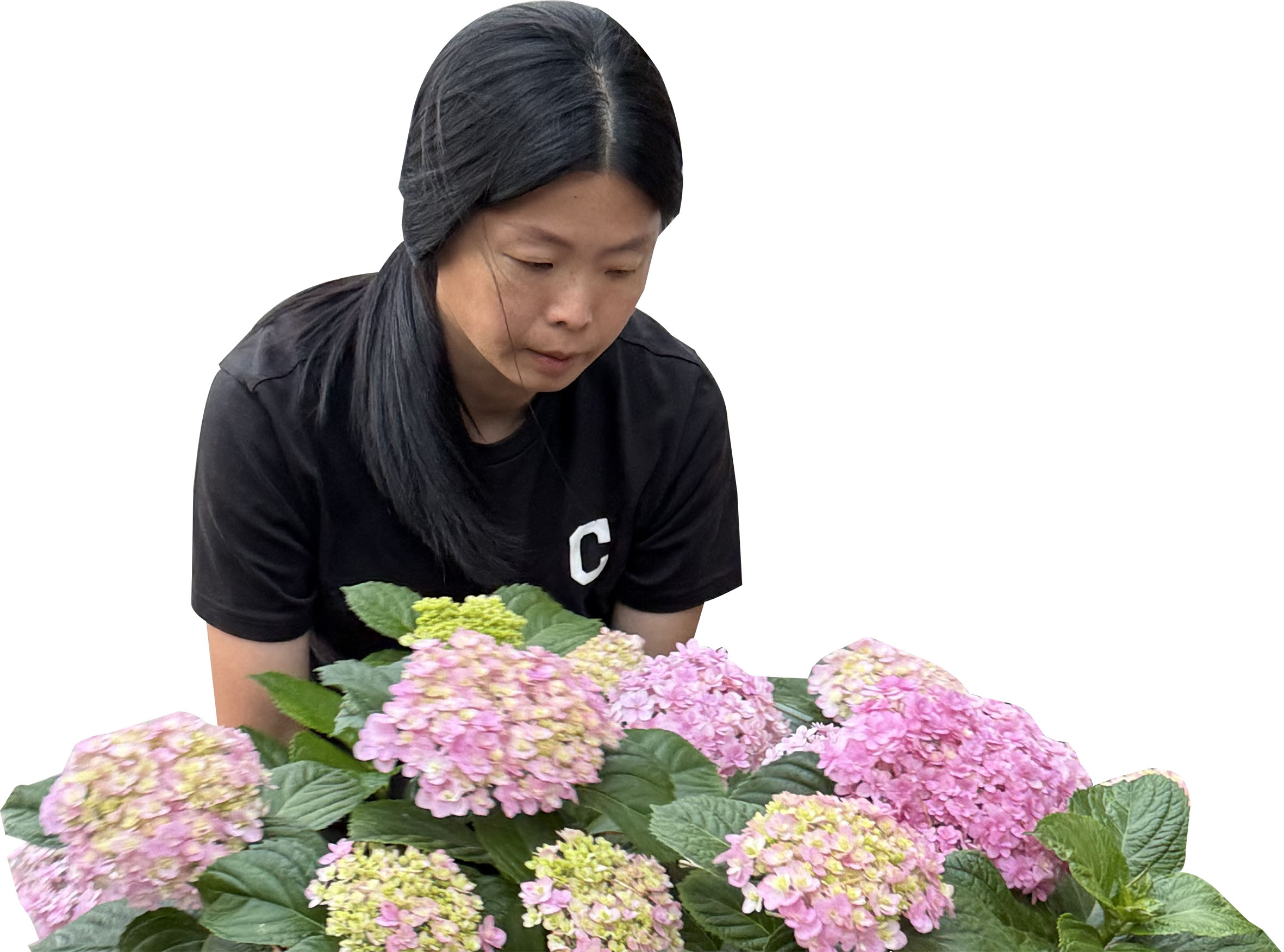
Ruan He believes her garden in Fuzhou, Fujian province, is not only a place where exotic flowers and plants flourish, but also a sanctuary for healing and connection.
Three years ago, her eldest daughter was diagnosed with a mental health condition, an issue that took a toll on their relationship.
"I was constantly traveling for work, and I wasn't there for my daughter during some of her most difficult moments," Ruan said. "She needed me, and I wasn't present."
The stress of managing her daughter's condition, combined with the pressure of her high-paying white-collar job, led Ruan to reevaluate her priorities. She began to spend more time at home, tending to her garden and offering a calming presence for her family. Her daughter, once withdrawn, found solace in the peacefulness of the garden.
"The garden became a place where we could reconnect," Ruan, 42, said. "It was a space where my daughter could relax, breathe, and find comfort. And I found healing too."
Inspired by the therapeutic power of gardening, Ruan began to think seriously about making a change in her life. In August 2024, she decided to quit her user interface design job of over 20 years because "it wasn't fulfilling me anymore".
"Gardening, on the other hand, brought me joy and peace. It felt like the right time to follow my passion," she said.
READ MORE: A green revolution in urban living
Her main inspiration was online plant enthusiast and gardening expert, Wang Ding, who has more than 5 million followers across several social media platforms including Weibo, WeChat and Xiaohongshu (RedNote).
His popularity is a reflection of younger generations' growing interest in gardening, and their focus on exotic plant species and learning horticultural skills.
A casual scroll through social media platforms reveals a flood of photos of lush indoor mini jungles, meticulously arranged balcony gardens, and carefully curated plant collections. The hashtag "My home cannot be without plants" has accumulated over 920 million views and sparked millions of discussions.
"Young people, who are often juggling work, social lives, and personal aspirations, find solace in nurturing plants," said Wang, better known online as Uncle Wang.
"A sense of tranquility flows from watching a small seed sprout into a vibrant, thriving plant. It is an antidote to the pressure and chaos of city life — something that can be controlled and cared for in a world that often feels out of their hands."
In recent years, plants have played an unexpected but undeniable role in the lives of young people in China, Wang said. What was once considered a hobby for older generations associated with quiet, contemplative activities has become a powerful attraction for millennials and Generation Z, he said.
Floral sanctuary
Eight years ago, Ruan lived the typical life of a financially secure person, but she felt something deeper was missing.
She was also starting her foray into gardening, with limited success. Ruan said she struggled with the wrong materials, poor-quality soil, and inappropriate plant choices for Fuzhou's hot and humid climate.
"I had tried many different suppliers, but none of them seemed to understand my needs," recalled Ruan.
"But when I found Wang Ding, it was different. His advice made sense for where I was living. He understood the local climate and tailored his suggestions accordingly. His approach resonated with me on a personal level."
Ruan began to closely follow his advice, experimenting with different plants that were suited to Fuzhou's climate. She started out cautiously, planting bougainvillea and tropical plants that thrived in the region. She also became more knowledgeable about the fertilizers, soils, and tools she was using, following Wang's suggestions for each step in the process.
Through her garden, she found something more valuable than any promotion, salary increase or recognition — peace, fulfillment, and a sense of connection to something greater than herself, she said.
After Ruan made the decision to leave her job, she transformed her three-acre property into a lush, thriving garden with over 500 plant species.
"At first, it was just about creating a beautiful space for myself," she said. "But as I learned more, and got more involved, I realized I could do so much more. I could share this passion with others."
To help achieve this, she opened a small cafe next to her garden.
"I never thought I'd run a cafe," she said. "But the garden brought people to me. They wanted to sit, drink coffee, and enjoy the space. It felt like a natural extension of what I was already doing."
Ruan said she doesn't charge an entry fee because "it's a space for people to come and enjoy". She said visitors often comment on the peaceful atmosphere of the garden, with many saying that simply sitting in the space helps them relax and find comfort.
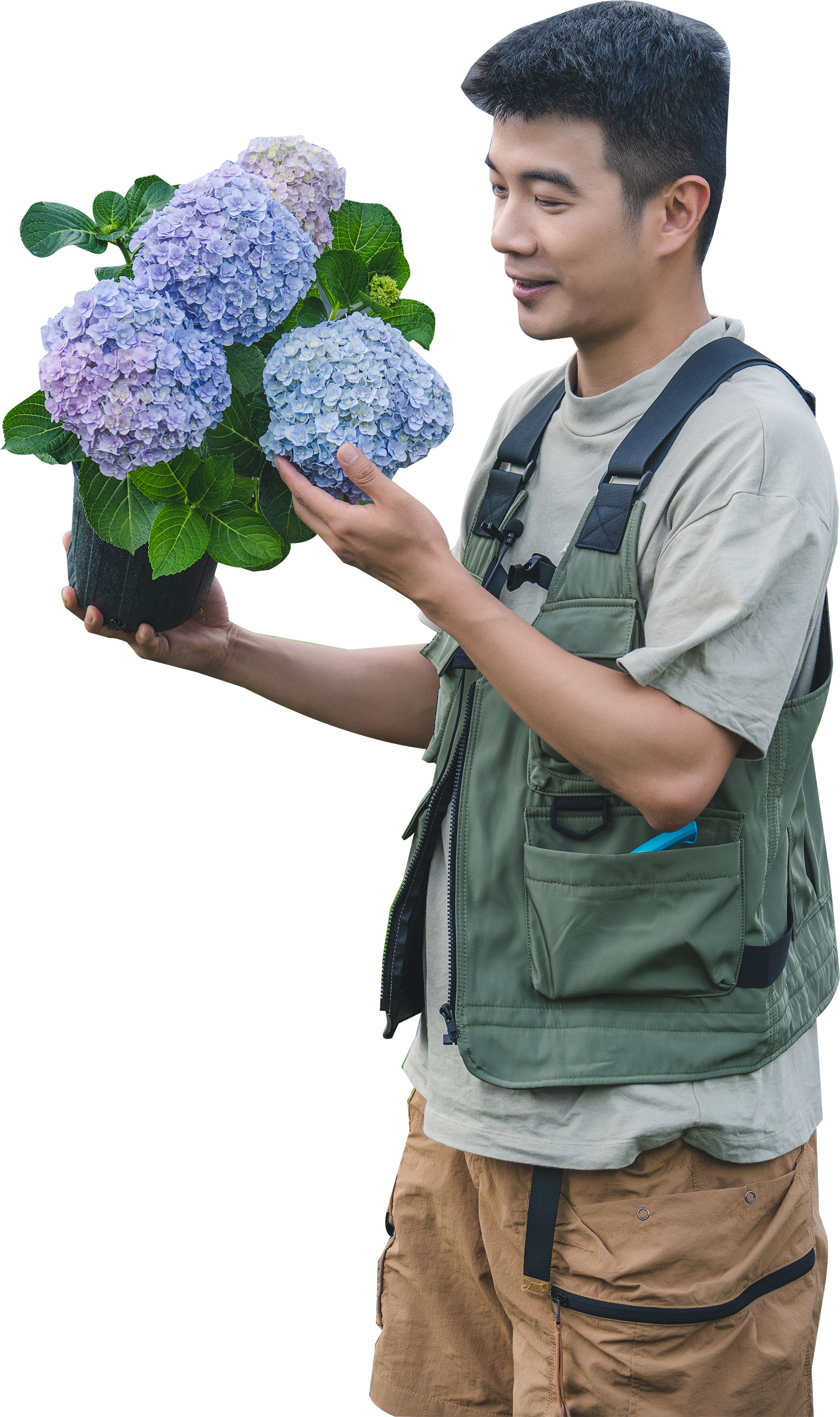
Green guru
Wang, also 42, is not a trained horticulturist and has no formal background in agriculture or forestry.
His journey into the plant world had started as a hobby, like many other enthusiasts. Through years of dedication, learning, and sharing his experiences, he eventually turned his passion into a thriving business.
Born and raised in the bustling city of Shanghai, Wang grew up surrounded by a concrete jungle, where opportunities to connect with nature were few and far between.
After graduating from university, he landed a stable job but always longed for a life that included flowers, greenery, and the harmony of nature.
Wang left his job and moved to Chengdu, Sichuan province, a city known for its mild climate and scenic beauty. He moved into an older home with a spacious 80-square-meter terrace, where he could plant the flowers he wanted to nurture.
He filled his new space with rows of European roses and hydrangeas, spending hours each day tending to them. Wang's balcony soon became a small garden oasis, a place where he could escape the stresses of everyday life.
Today, he lives in Tongxiang in northern Zhejiang province, where he has a 150-mu (10-hectare) base and grows a variety of plants. Along with his team members, he livestreams daily from the base.
Wang's online platform began with livestreams where he would share his gardening knowledge, focusing on how to choose the right plants for particular climates and how to nurture them properly. He wasn't just selling products; he was offering advice, sharing tips, and helping fellow plant lovers grow their skills.
Wang said his approach to gardening is simple: understand the environment where the plant grows and lives, use the right materials, and embrace the process.
"Gardening is not just about planting something and hoping it grows. It's about understanding the plant's needs, its cycle, and how it interacts with the environment," he said.
"When you put in the effort, you get the reward. The act of nurturing something is incredibly therapeutic."
Plants, once restricted to the garden or windowsill, have found a new role in home decor, providing comfort, style, and even a sense of accomplishment, he said.
Exotics, orchids
In recent years, the types of plants popular among young people have changed. Once, it was mostly low-maintenance, hardy species like succulents and cacti.
But now, the trend has expanded to include rarer and more exotic varieties — like the monstera, also called the "Swiss cheese plant" due to its unique leaf holes, and orchids.
Some gardeners are choosing plants not just for their beauty, but for the challenge of growing something that requires more attention and care. These young plant enthusiasts, many of whom have no formal horticultural training, are using the internet to learn everything from propagation techniques to dealing with plant diseases, creating a community of self-taught experts.
In 2024, the total retail consumption market for flowers in China reached nearly 220 billion yuan ($31.48 billion), with an estimated year-on-year growth of 8 percent, according to a report released by the China Flower Association in August.
E-commerce sales accounted for approximately 120 billion yuan, representing 54.5 percent of the total market.
Over the past three years, e-commerce has consistently been the main driver of market growth, and online sales of orchids (especially the butterfly orchid) now account for over 20 percent of the total, with smaller and medium-sized flower varieties becoming increasingly popular.
Small potted plants and tropical plants continue to see strong demand, with e-commerce channels now accounting for more than 40 percent of the market share. This not only reflects consumers' preference for online shopping but also highlights a growing interest in unique and personalized plant varieties, the report said.
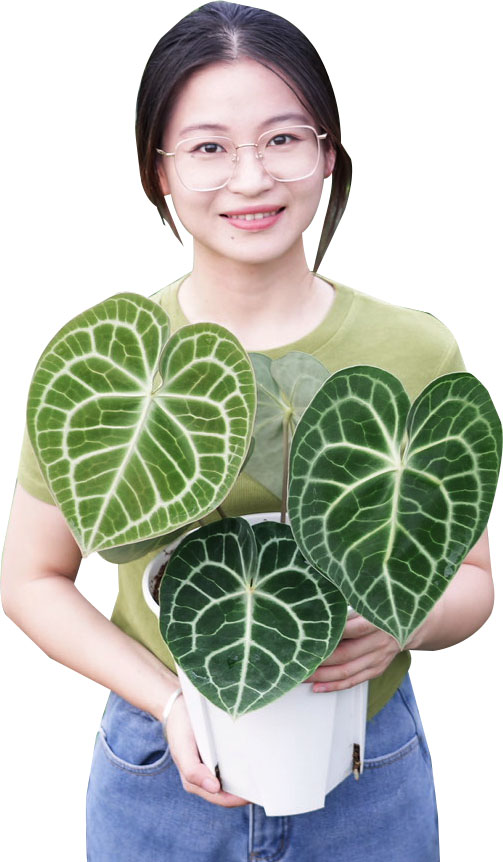
Seeds of an idea
Liao Wantian, who grew up in the Guangxi Zhuang autonomous region, also has her plant base in Tongxiang and runs an online business.
After graduating from Zhejiang A&F (Agricultural and Forestry)University in 2018 with a degree in horticulture, she found a stable job in Hangzhou, Zhejiang.
In 2020, Liao left her job to start a business with her boyfriend, a horticulture major from Shandong Agricultural University.
"At first, I didn't know how I would make it work," she said. "I only had 10,000 yuan in savings, which was hardly enough to even rent a greenhouse. But I was driven by my passion and the belief that this was a growing industry."
She applied to an agricultural innovation park aiming to attract young entrepreneurs to rural areas. In 2015, the Zhejiang provincial government launched an agricultural entrepreneurship platform to address the financial difficulties faced by entrepreneurs at the startup stage.
Chong Fu agricultural innovation park, located in Tongxiang, offers low-interest loans, insurance guarantees, rental reductions, startup subsidies and housing benefits, according to Chi Jia, Party secretary of the park.
"We cannot do it without government support," said 29-year-old Liao.
ALSO READ: Flower industry pioneers profit from fields of dreams
Over the past decade, the number of entrepreneurial entities in the park has grown from four to 93. The number of young people starting their businesses here has increased from seven to 270, with 88 percent of them new Tongxiang residents, said Chi.
The average age is around 30, while the park's annual output value has increased from 8 million yuan to 356 million yuan.
Chi said the park has boosted the collective income of surrounding villages by 6.2 million yuan per year, providing over 1,300 local jobs and increasing the annual total income of surrounding villagers by over 56 million yuan.
Liao said her focus is on capitalizing on the growing demand for indoor plants. In just one year, she managed to accumulate assets worth 1 million yuan, thanks to her innovative sales model, which combined media self-promotion, livestreaming sales of premium plant varieties, and offline wholesale for more affordable options.
Liao quickly built a loyal customer base and thriving business, and what started as a small-scale venture quickly grew into a 15-mu operation.
"As a young entrepreneur, I found my true calling in plants," Liao said.
"It's incredible how plants have become a popular trend among my generation. There's something so fulfilling about cultivating life and connecting with nature far away from the hustle and bustle of big cities. This lifestyle brings me peace, creativity, and a sense of purpose."
Contact the writers at chennan@chinadaily.com.cn
