

Beyond bridges and rails, collaboration widens through zero-tariff policy, reinforcing South-South trade amid global protectionism

As Belt and Road Initiative projects gather pace across Africa — upgrading transport networks, strengthening energy systems and expanding digital connectivity — the scope of China-Africa cooperation is broadening beyond infrastructure.
Complementing these advances, China has extended zero-tariff access to imports from all 53 African countries with which China has diplomatic relations, a move announced in June that is widely seen as boosting Africa's trade competitiveness while deepening economic ties between the two sides.
This comes amid tightening trade policies in parts of the global economy, adding geopolitical significance to China's decision to further open its market to African exports.
Analysts and policymakers say the move reinforces South-South cooperation at a time when developing economies are increasingly seeking more predictable and mutually beneficial trade and investment partnerships.
READ MORE: Chinese foreign minister outlines proposals to advance China-Africa cooperation
According to GIT-ZONE International, a global business development organization in Egypt, the removal of tariffs offers tangible commercial benefits for African exporters.
"Tariffs are often one of the biggest obstacles for African businesses looking to enter high-demand foreign markets such as China," the organization said in a statement last month."Now, exporters across agriculture, manufacturing, mining and textiles will have easier and more profitable access to Chinese buyers."
In contrast to rising protectionist measures in the West — including increased United States tariffs on certain African imports — China is positioning itself as an open and inclusive trade partner, the organization said. By strengthening ties with the Global South, it added, China is reinforcing its long-term economic alliances.
China's tariff announcement has generated optimism among African agricultural exporters and farmers, many of whom expect their incomes to rise.
Willy Mutai, CEO of the Tea Board of Kenya, said the tariff removal is a major boost for his country's tea sector, allowing easier access to the Chinese market.
As China's economy grows, Mutai said rising disposable incomes are driving higher demand for imported, high-quality tea. He attributed the growing appetite for black tea in China to shifting cultural preferences and spending patterns among affluent consumers.
"Coupled with promotional activities, we estimate that our tea exports will grow from 4 million kilograms recorded last year to 20 million kg by 2027, and possibly 50 million kg by 2030," Mutai said.
Such growth, he added, could intensify competition and enable farmers to secure better prices at auction for crush, tear and curl teas. For orthodox teas, factories could earn at least $1 more per kilogram — nearly 35 percent above the current average auction price of about $2.
The Avocado Society of Kenya also welcomed the move, describing it as a significant opportunity to boost exports and farmer incomes.
The association said it has been working to harmonize standards and ensure Kenyan avocados meet China's stringent requirements, including pest management protocols and dry-matter content thresholds, to fully capitalize on the new market access.
James Shikwati, founder and director of the Inter Region Economic Network in Kenya, said that while the US is introducing multiple tariff barriers across different regions, China has taken a contrasting approach, creating fresh opportunities for Africa.
"This sends a clear signal to Africa that, despite rising protectionism elsewhere, the Chinese market remains accessible at zero tariffs,"Shikwati said.
However, he cautioned that success will depend on preparation.
"You cannot simply walk into the Chinese market; you need to understand its structure and demands," he said, adding that attending exhibitions in China offers valuable insights into consumer preferences and market trends.
Africans, he said, are increasingly leveraging these opportunities by showcasing and promoting their products. Western countries previously adopted similar strategies, entering China to scale production before expanding globally, he added.
"If a product works well in Kenya, why not use the Chinese market of more than 1.4 billion people as a launchpad?" he said. "Success in China could pave the way for global expansion."
Meanwhile, 2025 has seen progress on several BRI projects reshaping Africa's connectivity and development landscape. These include new solar energy projects in Zambia, the upgrades to the Tanzania-Zambia Railway Authority, and Kenya's plans to extend the Standard Gauge Railway from Naivasha to Malaba.
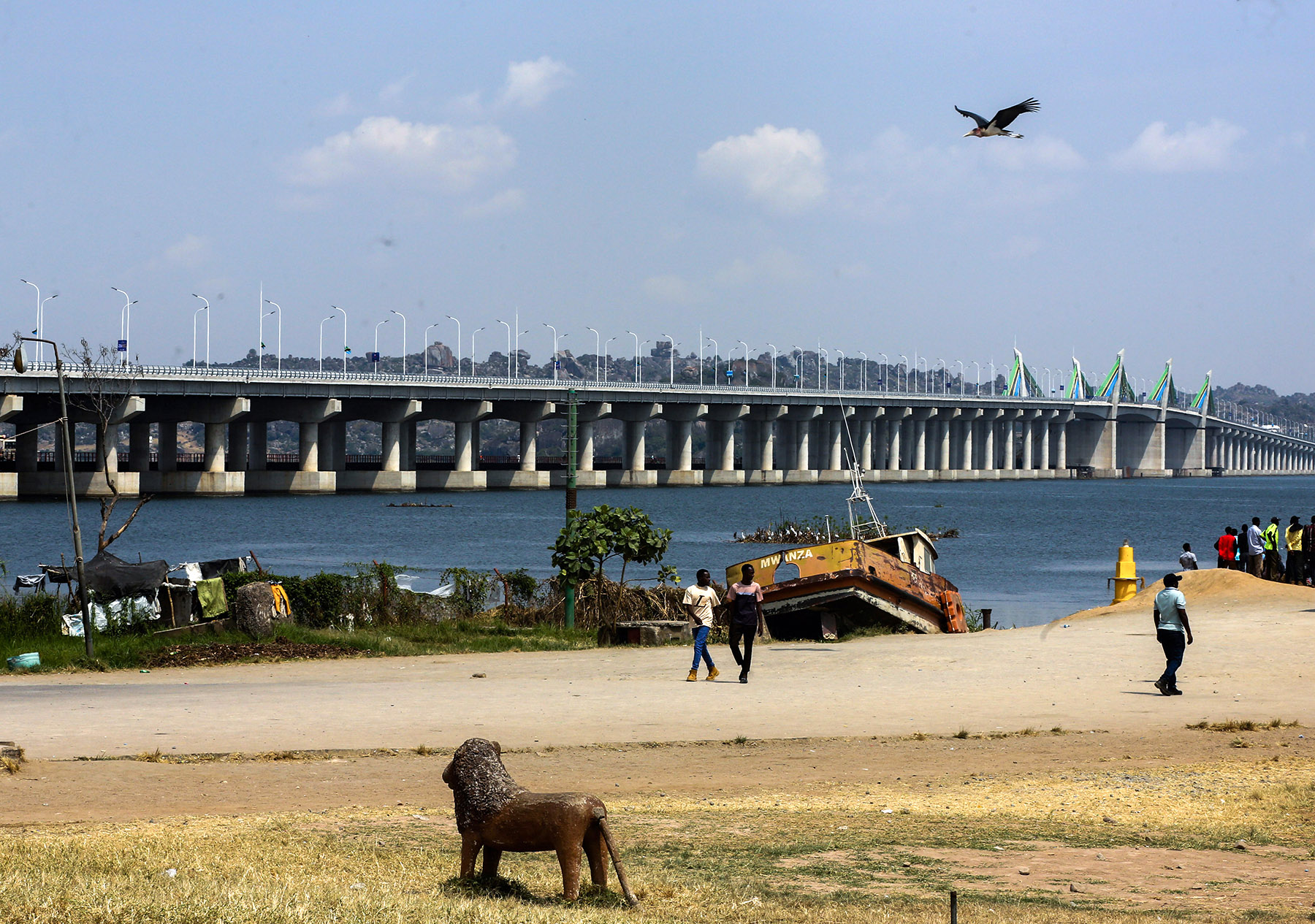
In North Africa, construction is progressing on Morocco's Kenitra-Marrakech high-speed rail extension, while East Africa marked the opening of Tanzania's Magufuli Bridge, an engineering landmark enhancing regional transport connectivity across Lake Victoria.
Several deep-sea ports and logistics hubs were also completed or advanced during the year, underscoring China's continued role as a key partner in Africa's infrastructure transformation.
Cliff Mboya, a postdoctoral researcher at the University of Johannesburg's Centre for Africa-China Studies, highlighted progress in implementing commitments from previous Forum on China-Africa Cooperation summits, highlighting a surge in green development projects across the continent.
"Chinese investment in electric vehicles, data centers and renewable energy is expanding, and technology transfer is underway," Mboya said, citing Kenyan students who recently graduated from cloud computing and internet of things programs at Chinese universities.
Based on current trends, he said many commitments made at the last FOCAC summit in Beijing in 2024 are likely to be fulfilled by the next meeting.
Green energy cooperation, particularly in Ethiopia, continues to gain momentum and aligns with the country's long-term development priorities, supported by dedicated financing mechanisms.
Innovative solutions
Mboya also noted a shift away from traditional sovereign lending toward public-private partnerships, with Chinese companies increasingly adopting such models and, in some cases, collaborating with European partners. This approach, he said, could help stabilize economic conditions and introduce more innovative infrastructure solutions.
He further pointed to China's support for multilateralism, reinforcing Africa's role in global governance amid geopolitical tensions.
Emmanuel Matambo, research director of the Centre for Africa-China Studies, said that he was encouraged by the 2024 FOCAC Beijing Summit's emphasis on skill development for Africa's biggest yet most underserved groups — women and youth.
He welcomed the focus on women's leadership, emphasizing a shift from ideological rhetoric to measurable, actionable commitments.
Matambo underscored China's move toward "small and beautiful" infrastructure projects, saying that smaller, privately managed initiatives are often more economically sustainable than some past mega projects.
"The private sector is Africa's main engine of growth and job creation," he said. "Expanding its role in strategic infrastructure is critical."
Dennis Munene, executive director of the China-Africa Center at the Africa Policy Institute in Nairobi, Kenya, highlighted the far-reaching effects of the BRI across the continent.
"While infrastructure ... often receives the most attention, the BRI's scope goes far beyond visible construction," Munene said.
He spoke of the initiative's financial dimension, saying African countries and other Global South nations have gained access to more affordable financing mechanisms to support development.
Regarding trade, he said China has remained Africa's largest trading partner for more than a decade, reshaping economies across the continent.
The BRI's emphasis on human capital — through scholarships, vocational training and capacity-building programs — has strengthened local communities and enhanced skills, he added.
Citing various reports, Munene said BRI-related activities are estimated to support hundreds of thousands of jobs annually, amounting to millions of opportunities since the initiative's launch.
"The impact is not just on GDP but on everyday lives," he said.
Peter Kagwanja, president and chief executive of the Africa Policy Institute in Nairobi, said Africa and China have completed one year of cooperation to advance modernization across six priority areas outlined at the 2024 FOCAC summit.
The event provided a blueprint for building an all-weather China-Africa community with a shared future, Kagwanja said.
Kenya's Mombasa-Nairobi-Naivasha Standard Gauge Railway has contributed to increased investment, trade facilitation, technology transfer and industrialization, he said. Estimates by Kenyan institutions suggest the railway has raised GDP growth by about 1.5 percentage points, with further gains projected over the longer term.
During the 2025-27 period, he said, activity along the SGR economic corridor is expected to intensify as China and Kenya pursue additional infrastructure partnerships, subject to financing and implementation processes.
Talent development
Talent development and vocational exchange programs have also expanded. In August, China, in partnership with the African Union and the United Nations Industrial Development Organization, hosted an international seminar on professional education management in Addis Ababa, Ethiopia, under the Luban Workshop framework.
The seminar brought together experts, educators and African policymakers to explore ways to align vocational training with labor market needs.
Luban Workshops provide handson training in emerging technologies — including AI, cloud computing and the internet of things — helping bridge skill gaps and improve employment prospects for African youth.
Fredrick Otieno, a scholar on China-Africa relations in Kenya, said the workshops are providing practical skills aligned with local industries such as manufacturing, infrastructure and digital technology.
"These programs assist trainees in securing jobs in local industries, including Chinese-invested industrial parks as well as domestic enterprises,"Otieno said.
The Plan for China-Africa Cooperation on Talent Development aims to train thousands of technical experts and vocational educators annually by combining language training with vocational skills tailored to local demand, he said.
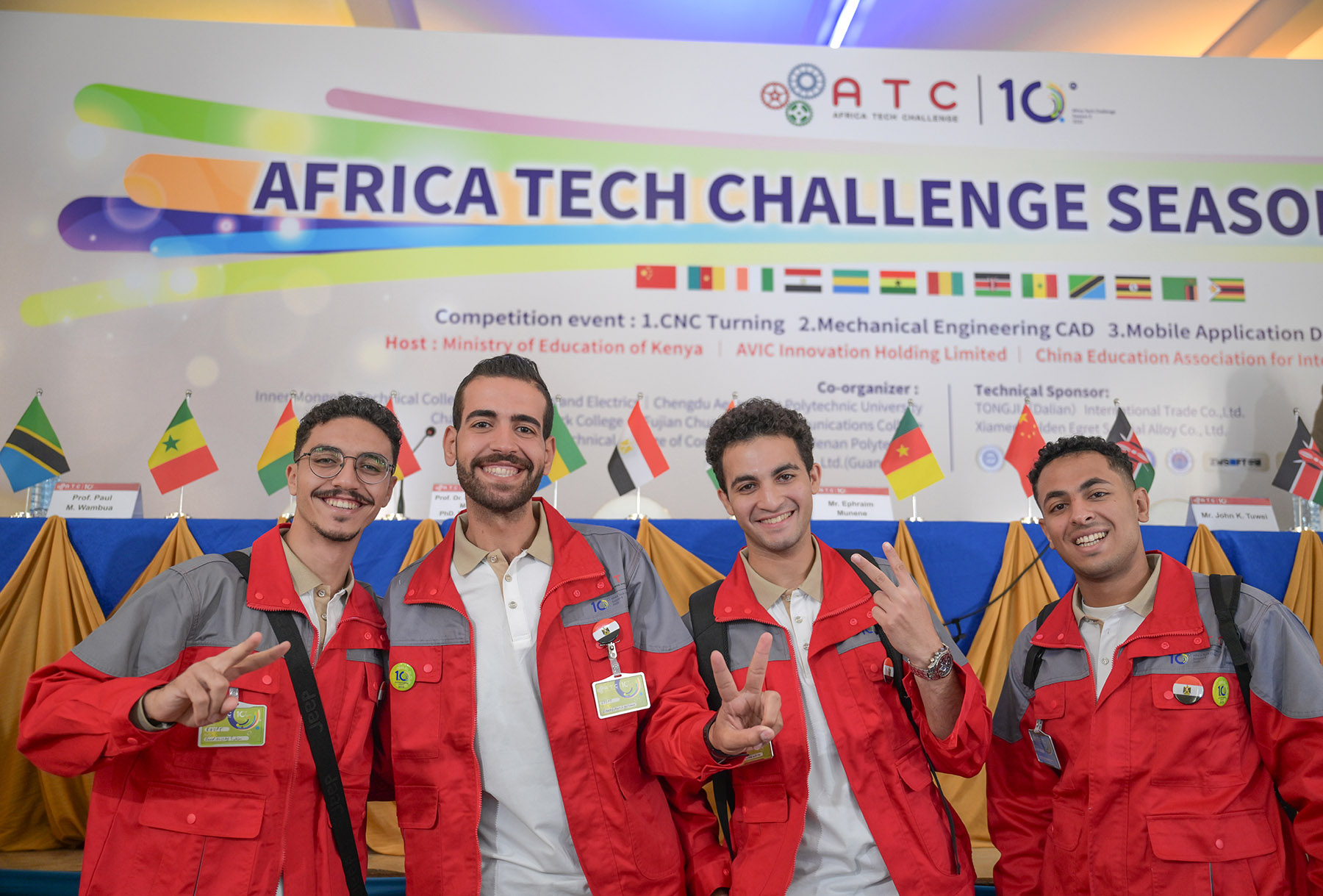
The Africa Tech Challenge, a corporate social responsibility initiative by China's AVIC Innovation Holding, has also contributed to technical skills development across the continent.
Held annually, the program offers intensive training and culminates in a competition for technical and vocational education and training students. It focuses on areas such as computer numerical control machining, computer-aided design for mechanical engineering, programmable logic controller technology and design thinking.
Otieno said the program equips young people with advanced technical skills, preparing them for the fourth Industrial Revolution.
China continues to offer scholarships to African students through government and university partnership programs.
In August, 11 South African students received Chinese government scholarships, while eight others were selected for academic degree programs in fields including cybersecurity, engineering management and healthcare.
During the same period, 52 Kenyan students were awarded Chinese government scholarships. An additional 20 students from the University of Nairobi received scholarships under a tripartite agreement signed in December 2023 between China's Ministry of Education, the University of Nairobi and Tianjin Normal University, aimed at promoting Chinese-language education.
Otieno said China's talent development efforts align closely with Africa's priorities, particularly skills for industrialization, infrastructure development, agriculture and digital transformation — areas highlighted in national development plans across the continent.
Through these initiatives, he said, Africa has recorded increased employability, stronger technical competencies and enhanced cross-sector professional skills.
Graduates of China-supported language and vocational programs have found employment in sectors such as railways, construction and manufacturing, while scholarships and professional training in agriculture, engineering and other fields have helped build local capacity in critical industries.
The key beneficiaries of Chinese talent development initiatives include the youth and recent graduates, local industries and participants in China-Africa academic exchange programs, who gain exposure to international curricula and professional networks, Otieno said.
However, he stressed the need to expand outreach beyond urban centers, saying rural and underprivileged communities often have limited access to such programs.
African governments and stakeholders should act as active partners rather than passive beneficiaries by developing clear national skills agendas aligned with labor market needs, including renewable energy and digital services, he said.
Governments, he added, should also regulate and accredit training programs to ensure quality, relevance and recognition both within Africa and internationally.
This should be complemented by measures to guarantee equitable benefits for all segments of society, particularly disadvantaged groups, and by fostering public-private partnerships with local businesses to jointly develop training curricula and employ graduates, he said.
For inclusive and sustainable growth, Otieno said China-Africa skills development initiatives must be collaboratively structured, with African priorities at the center.
He advocated partnerships that strengthen local agency, equity and long-term resilience in addressing skill gaps in key economic areas such as digital, health, agri-tech and manufacturing.
Otieno urged a stronger focus on entrepreneurship and the development of micro-, small — and medium-sized enterprises through technical and business skills support.
ALSO READ: China, Africa see rapid trade growth over past 25 years
Investment in teacher training and technology transfer is essential to ensuring lasting effects in African contexts, he said.
Otieno called for the integration of regional skills standards to enhance labor mobility and build a competitive African workforce across borders, while prioritizing inclusivity for disadvantaged groups.
To ensure China's initiatives support Africa's development goals, Otieno emphasized the importance of political goodwill and co-design at the negotiating table.
African governments and regional bodies should lead priority-setting to ensure that training programs respond to country-specific labor market needs and align with long-term frameworks such as the AU's Agenda 2063, he said.
He also underscored the need for transparent performance-monitoring frameworks to track outcomes such as employment rates, startups and the application of skills in priority industries.
Contact the writers at edithmutethya@chinadaily.com.cn
