

Shanghai medical team uses expertise to treat, train locals in remote Yunnan
Just a few days after a complex surgery removed a 1.3-kilogram tumor from his neck, patient Zha said he was simply grateful for each deep, unimpeded breath he could take.
Despite still having to move with deliberate caution, the 62-year-old resident of Malipo, a remote border county in Southwest China's Yunnan's Wenshan Zhuang and Miao autonomous prefecture, had already experienced a drastic improvement in his quality of life.
Struggling with severe breathing difficulties for months, his suffering was caused by a rare disorder known as Madelung's disease, and was further complicated by advanced cancer in his lower throat.
His complicated condition had left local doctors perplexed as his suffering intensified. That was until a medical team from Shanghai arrived mid-October, offering a lifeline.
READ MORE: Early care for childhood myopia called key
"When we first saw the patient around Oct 20 at a free medical consultation event in a local county, his neck had swollen to the size of a bucket, compressing his airway to a mere slit," said Xu Chengzhi, a physician from the Eye and ENT Hospital of Fudan University in Shanghai.
Xu was part of a national-level mobile medical team sent to conduct an aid mission in Wenshan starting Oct 15 for about three weeks. Under the guidance of the National Health Commission, more than 80 medical teams have been dispatched to less developed and remote regions with weaker healthcare resources since July.
Madelung's disease is a rare condition characterized by uncontrolled growth of benign tumors in the neck and back, causing pain and respiratory distress. While the exact cause is unknown, heavy alcohol consumption is considered a major risk factor.
CT scans revealed Zha's tumor had grown markedly in just one month. The Shanghai experts estimated he might not have survived another two or three weeks without immediate surgery to remove the mass.
"We initially considered transferring him to Shanghai for the operation, but his condition was too frail. We eventually determined that performing the operation locally was the quickest and safest approach," said Xu, whose hospital specializes in the treatment of conditions of the ear, nose and throat.
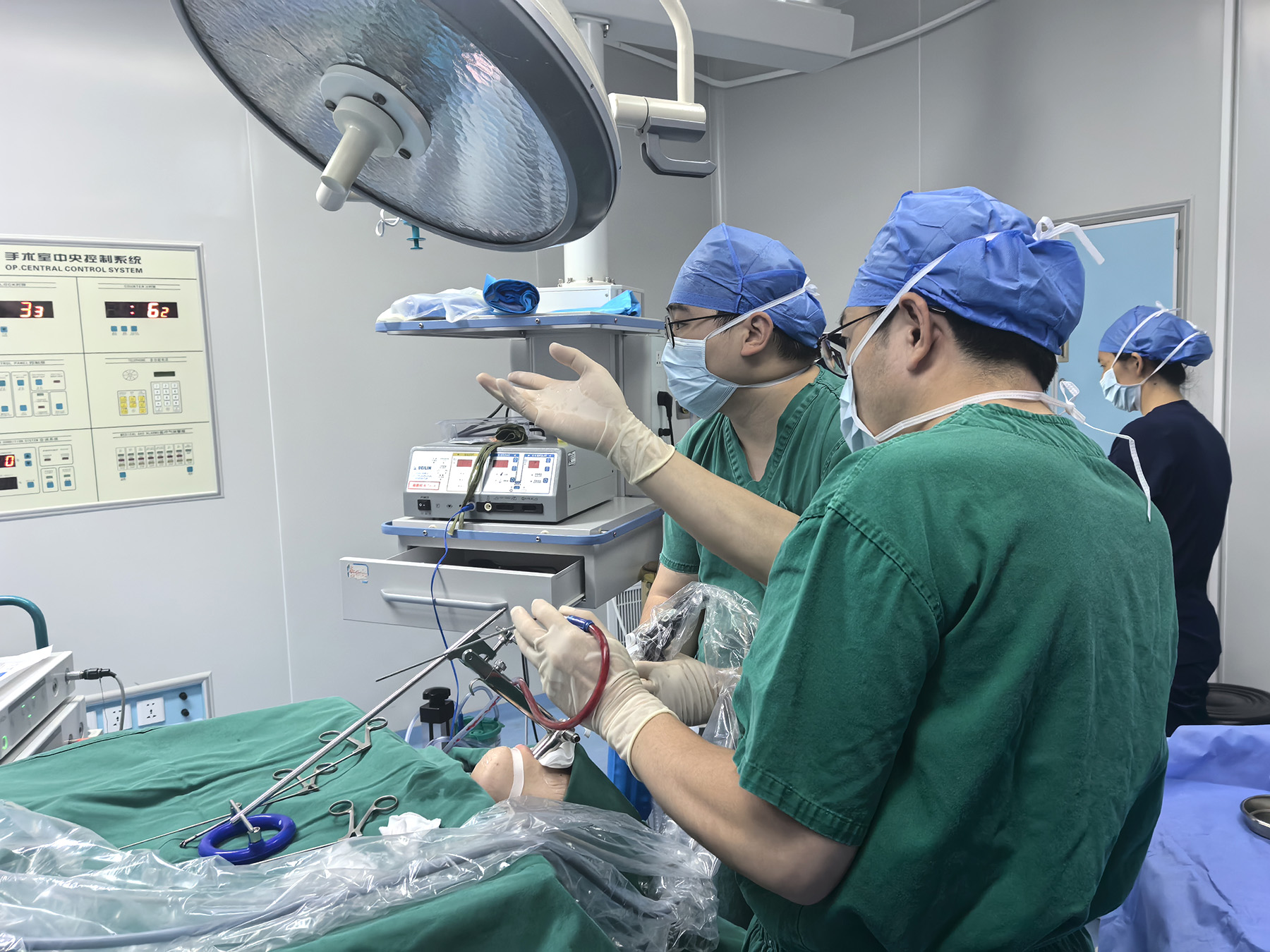
With over 18 years of experience, Xu had encountered only one case comparable to Zha's complexity. "This was among the most challenging procedures of my career. Any surgeon, even from top-tier hospitals in Beijing or Shanghai, would find it difficult," he said.
One of the high-risk steps was the intubation, which involves inserting a breathing tube into the trachea after anesthesia. If standard methods failed, doctors would need to swiftly perform an emergency tracheotomy, a procedure to create an opening in the windpipe to place a tube directly.
"While some Madelung's patients have a thin, 1-to-2-centimeter layer of fat around the trachea, Zha's was encased in roughly 8 cm of tissue riddled with blood vessels, making an emergency incision extremely hazardous," said Xu.
"We assessed that successful intubation was highly probable, but the consequences of even a slim chance of failure would be fatal. Our goal, after extensive consultation, was to make the procedure as fail-safe as possible," he added.
To resolve the issue, Xu said that the expert team had decided to adopt a technique called awake tracheal intubation, meaning placing the breathing tube while the patient was still conscious and breathing independently.
"The process causes discomfort, but the advantage is that if conventional intubation failed, the patient would still be able to breathe on his own. This would give us time to resort to an extracorporeal membrane oxygenation (ECMO) machine," Xu said.
The ECMO life support system is expensive and not widely available. "It was a great relief to us upon hearing that one such machine was available within the prefecture," he said.
A meticulously planned operation then swung into action about a week after the patient was admitted into the Wenshan prefecture hospital. The night before, an additional anesthesiology expert was dispatched from Shanghai to the hospital and an ECMO machine was placed on standby.
The surgery lasted eight hours and was carried out via the joint efforts of local medical staff and the Shanghai physicians. The critical intubation proceeded smoothly, and overall bleeding was minimal.
"Zha appeared well the next morning, with his blood oxygen level reaching a normal 100 percent. Before the surgery, it was below the critical 95 percent threshold even when he was wearing a respirator," Xu said, adding that Zha is expected to be discharged in two weeks.
"Leveraging insights from this case, we plan to further investigate the underlying cause of the condition," he added.
Zhou Xingtao, president of the hospital, said: "Throughout the treatment of the patient, we had implemented advanced difficult airway management protocols, a multidisciplinary team diagnosis and treatment model and a comprehensive healthcare management chain locally. This has demonstrated the capability and technical expertise of the national-level team.
"The case has also established a diagnosis and treatment model that has the potential to be replicated to handle such complicated diseases in the region," he added.
According to the hospital, the team sent to Wenshan consisted of 35 experts, specializing in eye, ear, nose and throat, dental medicine, related plastic surgery, radiation oncology, nursing and health education.
As of Oct 29, the team had performed a total of 67 surgeries on eyes, ears, noses and throats, as well as eight complicated dental treatments.
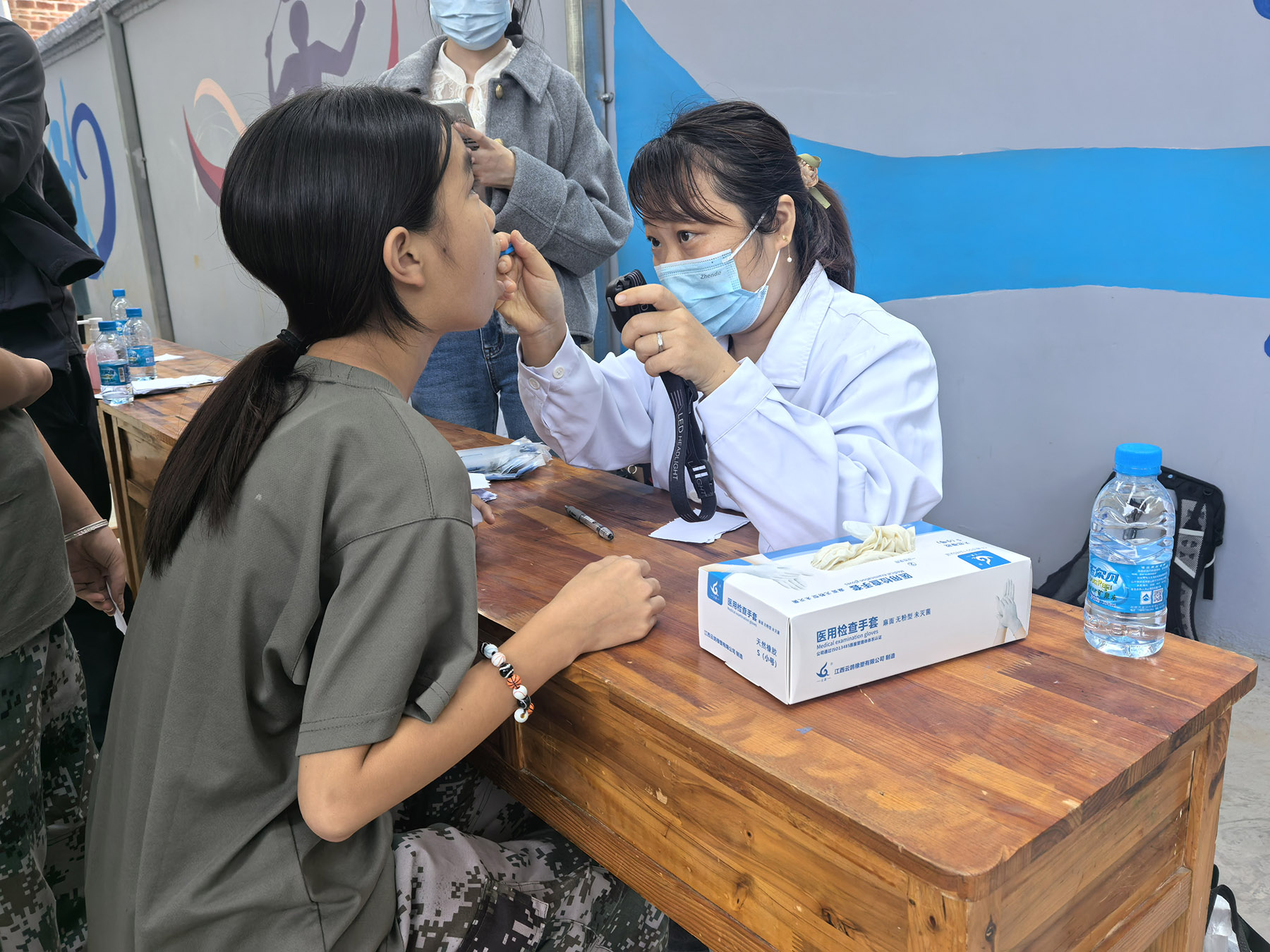
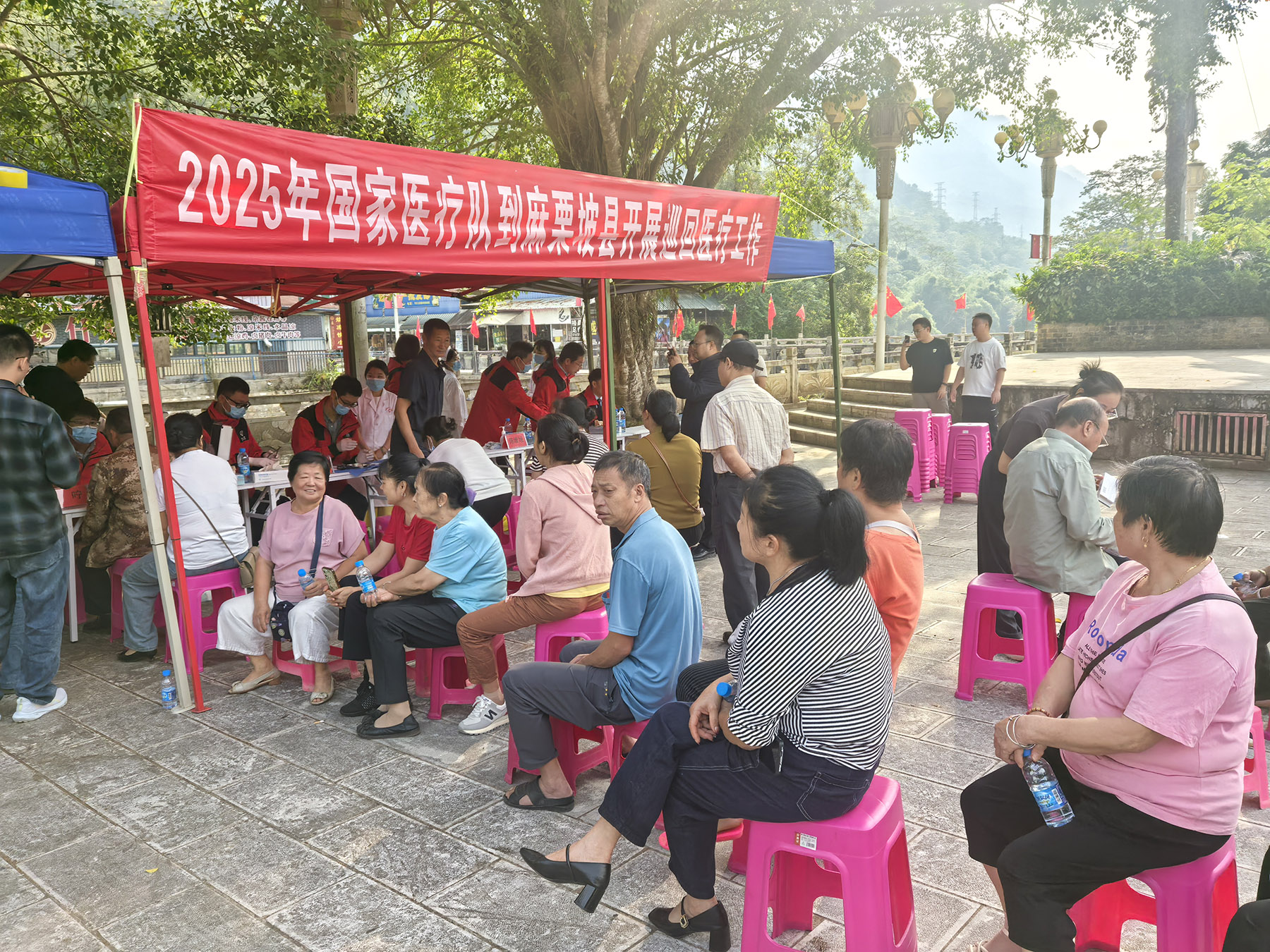
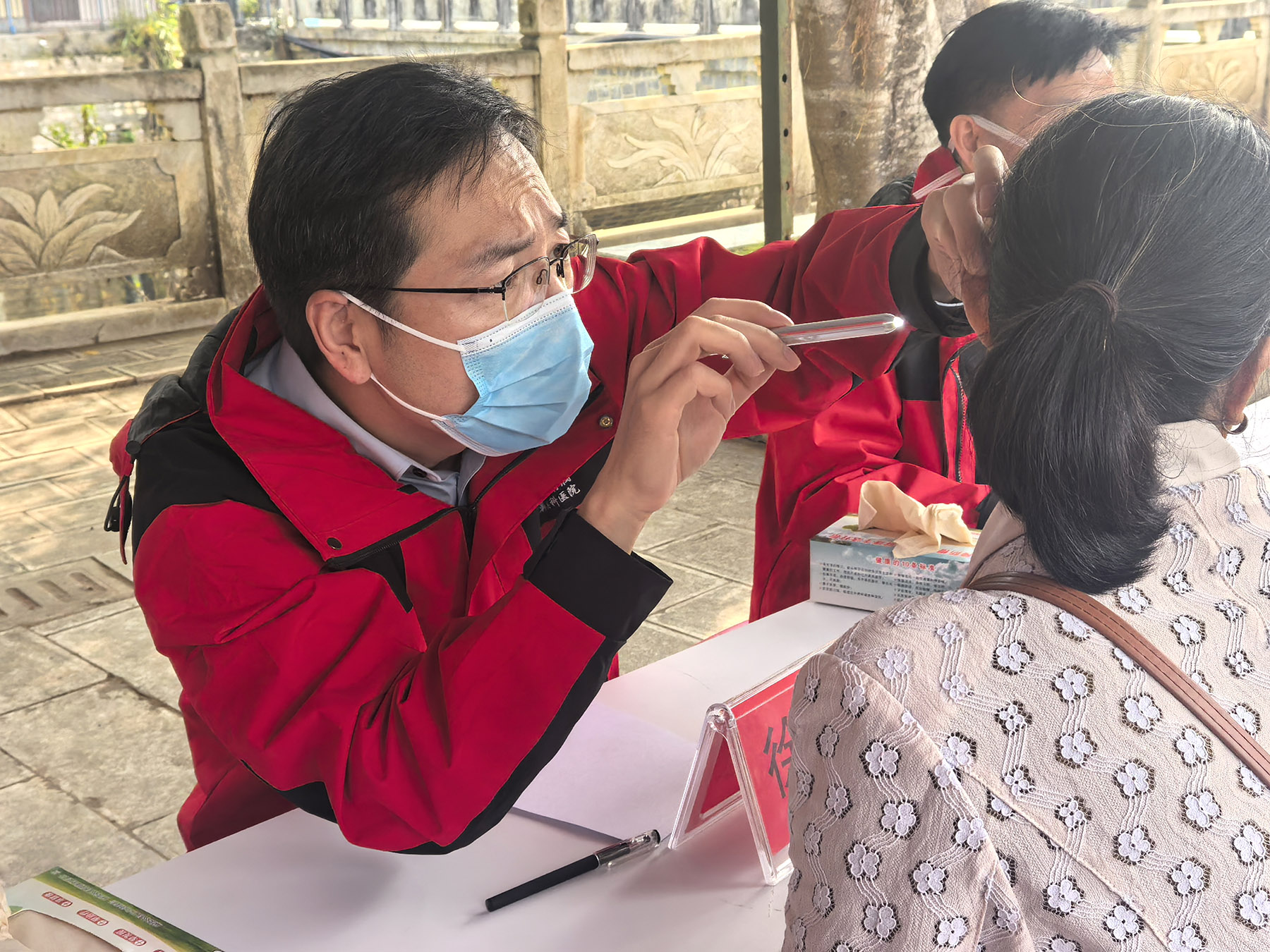
The Shanghai experts also provided free medical consultations at hospitals, rural clinics and communities, benefiting nearly 700 patients. They visited two local schools, offering professional eye and oral health screenings for more than 1,000 students, and establishing digital records for eyesight and oral health.
Pan Yunjun, a 54-year-old resident in Malipo's Tianbao township, was excited to learn that experts from Shanghai would be offering free consultations one October morning at an outdoor square in the township.
"I have been troubled by chronic sinusitis for months and my headache and nasal congestion worsen when I catch a cold," he said. "The Malipo county hospital is over 30 kilometers away from my home, but today I was able to see senior doctors at my doorstep — less than 1 km from my home.
"It was very convenient and the doctor gave me detailed suggestions on medication usage and tips for alleviating symptoms. I am very satisfied and thankful for their help," he added.
Another crucial task of the national medical team is transferring their medical skills to local doctors through on-site surgical teaching and other approaches, so as to enhance local medical capabilities.
Xu, the Shanghai physician, guided local doctors in carrying out procedures during his mission in Wenshan, including a session that removed a pea-sized growth from a female patient's vocal cords.
"The patient, a woman in her 20s, had a hoarse voice caused by a 9-millimeter polyp — unusually large for such a condition, as typical cases present as tiny as a sesame seed," he said.
The core of the minimally invasive procedure lasted only around five minutes and Xu, as a seasoned physician, acted only as an assistant, preparing instruments and offering counsel to 32-year-old Song Haili, a local doctor.
ALSO READ: AI healthcare solutions make progress, but caution urged
"His hands are very steady. He is gifted," said Xu. "I think my role is to instill in him a sharp eye for details. In this case, the key was not to remove as much tissue as possible, but to excise the lesion while sculpting the vocal cord to a smooth contour so that the patient could regain her voice seamlessly after the surgery."
Xu said that he saw great potential in local doctors like Song, who have accumulated experience with simpler cases but need support to handle more complex ones.
"Our time here is short and being able to guide them through difficult procedures is a precious opportunity to help build their confidence and skill," he said.
Zhou, the hospital president, added that the hospital has established a remote diagnosis and treatment platform with the prefecture-level health commission to share standard setting, quality control and management expertise to local hospitals in Wenshan.
"We will continue to leverage internet tools to strengthen local medical capabilities, such as expanding the types of diseases that will be discussed through the platform, engaging more local institutions and holding case discussions and online ward rounds regularly," he said.
Contact the writers at wangxiaoyu@chinadaily.com.cn
