

From noodles and dumplings to opera and festivals, explore the authentic flavors and captivating performances shaped by millennia, Deng Zhangyu reports.
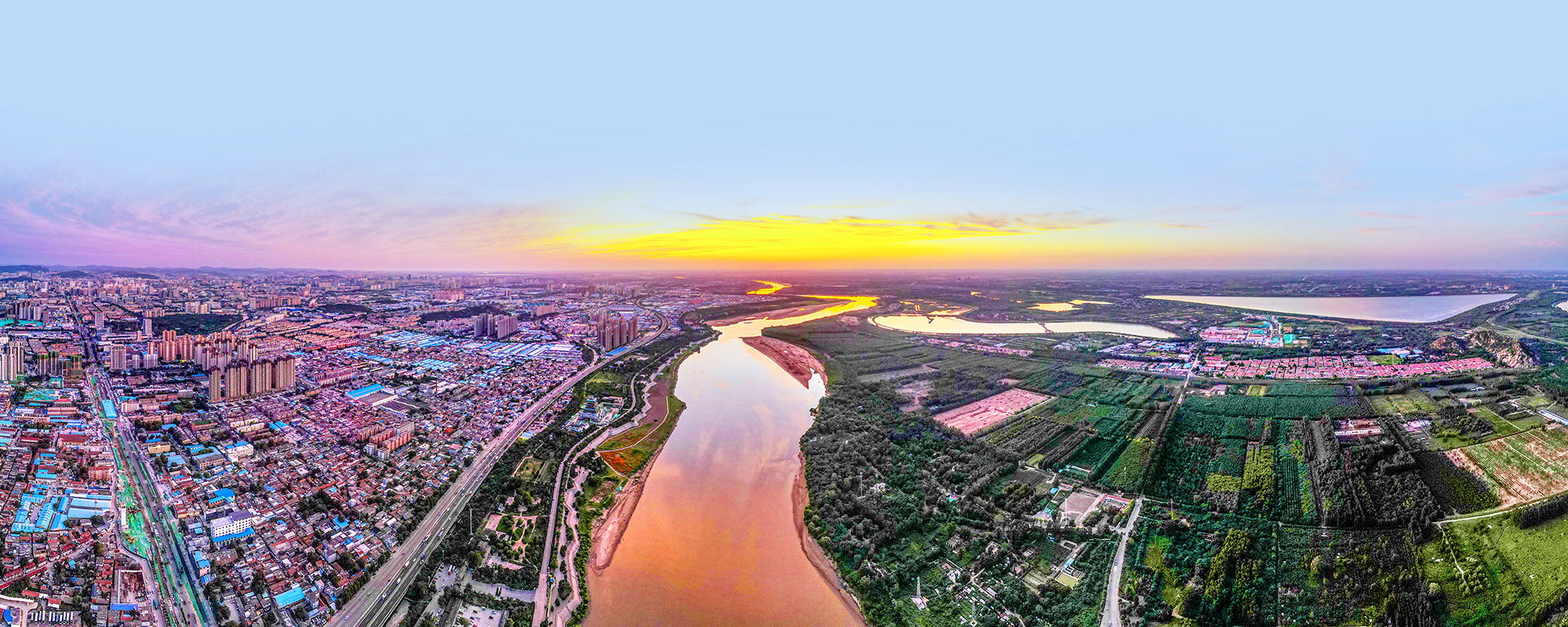
The Yellow River has not only nurtured Chinese civilization but also cultivated countless intangible cultural treasures. For generations, residents along its basin have passed down their daily rituals — food, arts and celebrations that reflect their deep connection to the water and land. We have curated a journey through key cities to savor iconic dishes and immersive performances that can be found along the river's entire course in the Yellow River National Cultural Park.
READ MORE: Civilization shaped by mighty waters
Each stop blends unique flavors — like tender meats and aromatic broths — with captivating arts, from rhythmic music to elaborate rituals. Affordable and accessible, these experiences provide a deep dive into the Yellow River's enduring legacy. Don't just travel; we invite you to taste, watch and feel the pulse of ancient China.
Qinqiang Opera
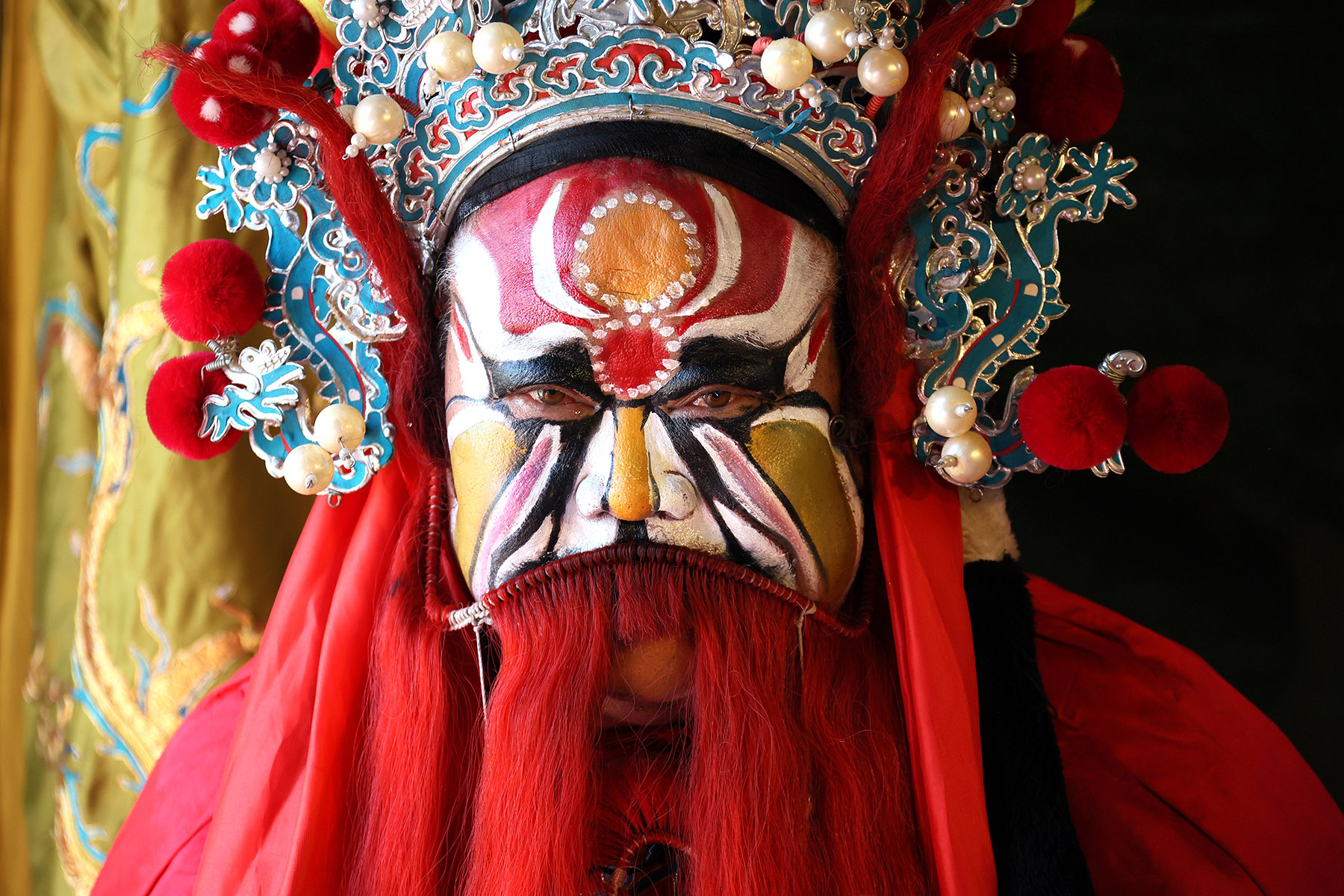
Step into the world of Qinqiang Opera, a theatrical treasure from Shaanxi province that dates back centuries. As one of the oldest forms of Chinese opera, this dynamic art form dazzles with its raw, high-pitched vocals, intricate makeup, and exaggerated movements, all set to the rhythm of traditional instruments, such as the suona (a double-reed woodwind instrument) and the banhu (a bowed, stringed instrument). Performers bring historical sagas and folk tales to life through a blend of singing, dialogue and acrobatics, embodying themes of heroism and emotions that resonate across cultures.
As a national intangible cultural heritage, Qinqiang Opera offers a window into China's rich past. For the best experience, attend a live show at theaters or intimate teahouses in the old quarters of Xi'an, Shaanxi province, where English subtitles and lively audience interactions enhance its accessibility.
Confucian ritual
The Confucius Memorial Ceremony offers a profound cultural journey at the birthplace of the ancient philosopher in Qufu, Shandong province.
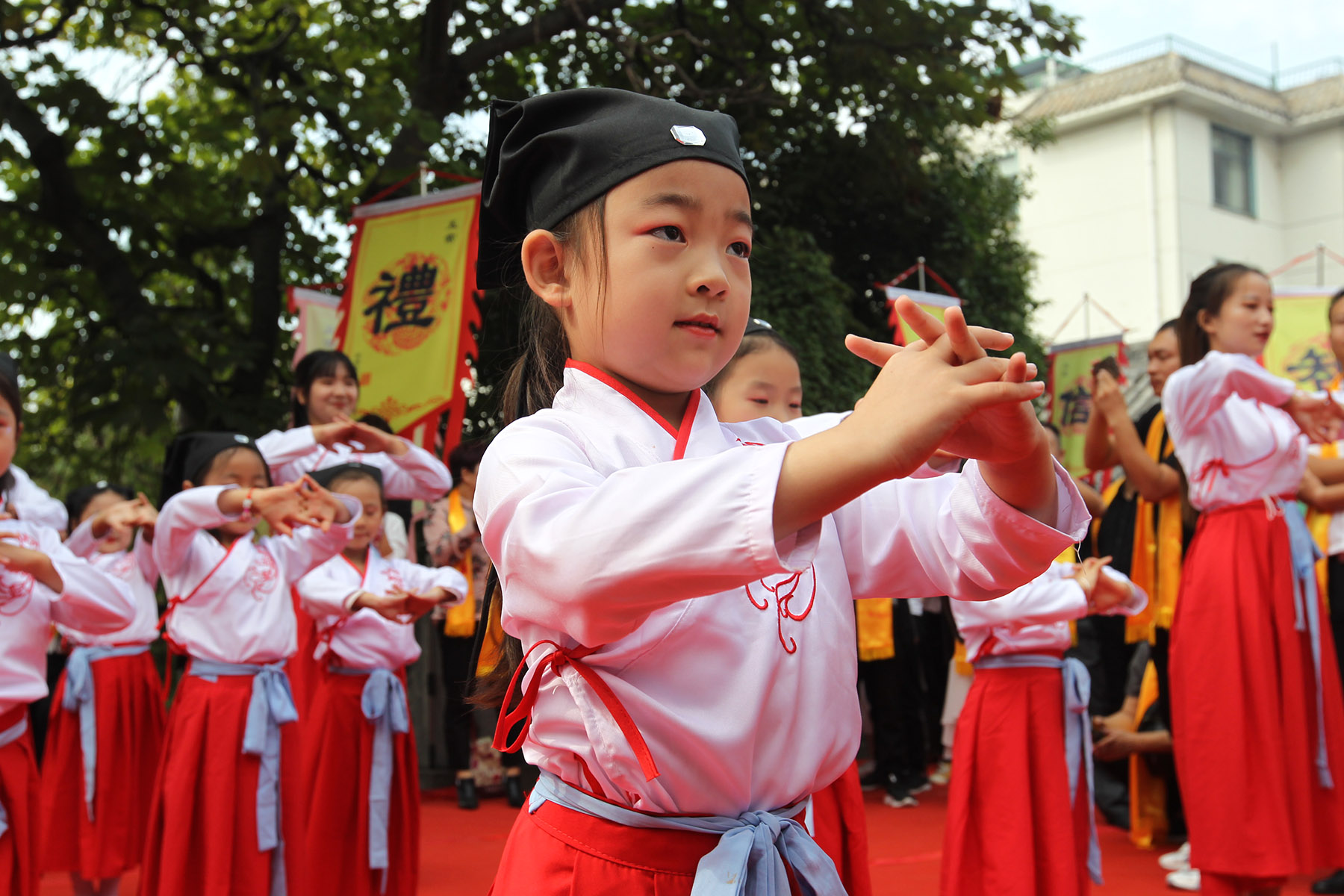
This grand ritual, dating back over 2,000 years, honors his legacy with solemn activities like ceremonies, traditional music and dance performances, and recitations of classic texts.
Participants don traditional attire and follow ancient rites to express their reverence, featuring highlights such as elegant dances and music that embody Confucian dignity.
Held annually around Sept 28 (Confucius' birthday), you can witness this ceremony in Qufu. Guided tours and immersive historical explorations are offered, often for free or at a low cost.
Don't miss this chance to witness these living traditions, a highlight for travelers seeking cultural depth along the Yellow River.
Luoyang Peony Festival
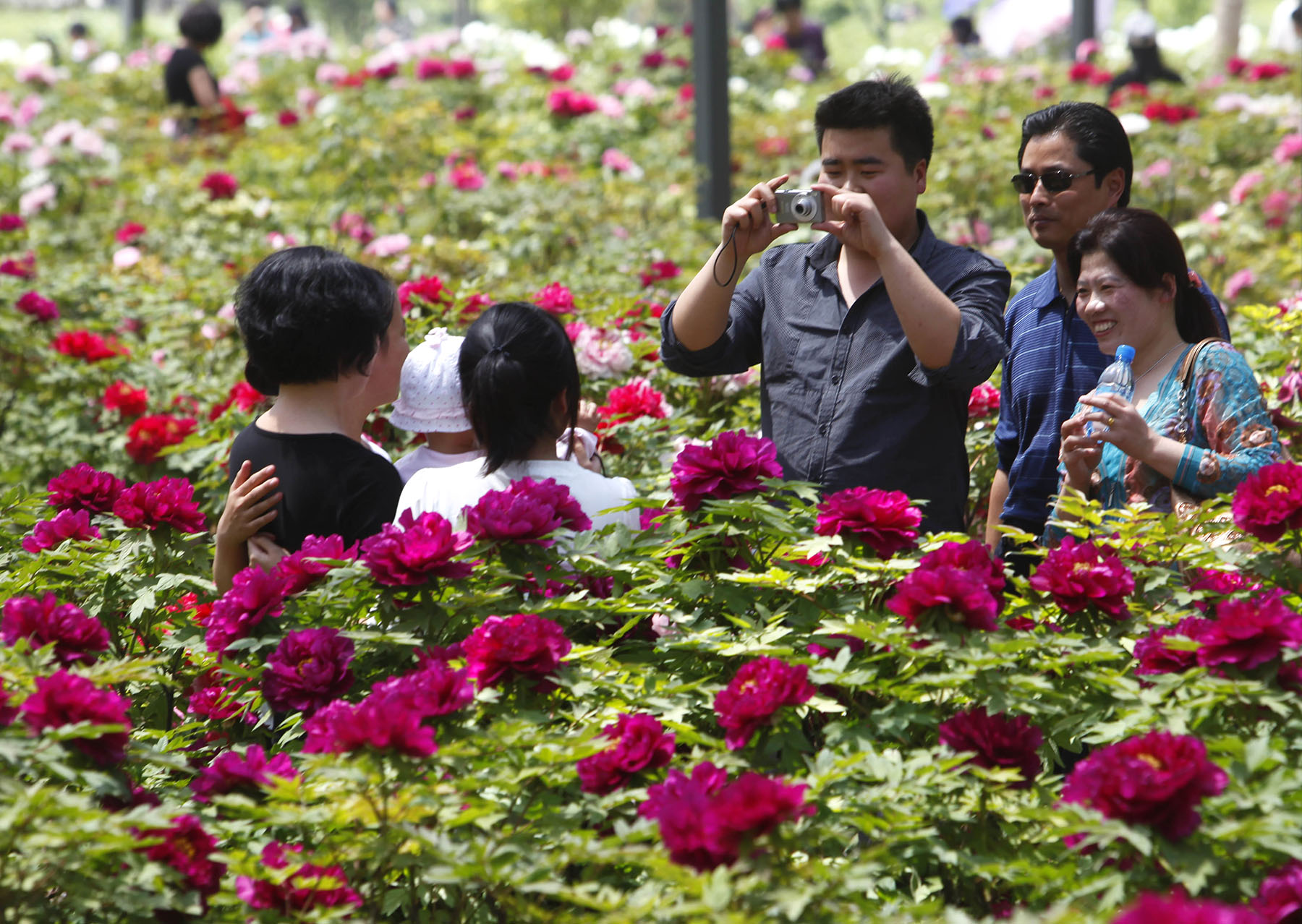
For an unforgettable spring adventure, head to the Luoyang Peony Festival, a spectacular event held each year from April to May in Luoyang, Henan province, celebrating the city's title as the "Millennium Capital, Peony City". With origins tracing back to the Tang Dynasty (618-907), when nobles and poets revered the flower, this festival blends natural beauty with rich cultural heritage.
Stroll through vast peony gardens showcasing hundreds of varieties and admire the blooms lining streets across the city — even traffic lights are shaped like peonies. Beyond viewing the flowers, visitors can also enjoy cultural performances, folk dances and art exhibitions. For a magical touch, dress in hanfu (traditional attire) to feel like you've stepped into ancient China. In the city's streets and alleys, it's easy to find shops offering hanfu rentals and makeup services to complete the time-travel journey.
Shadow puppetry
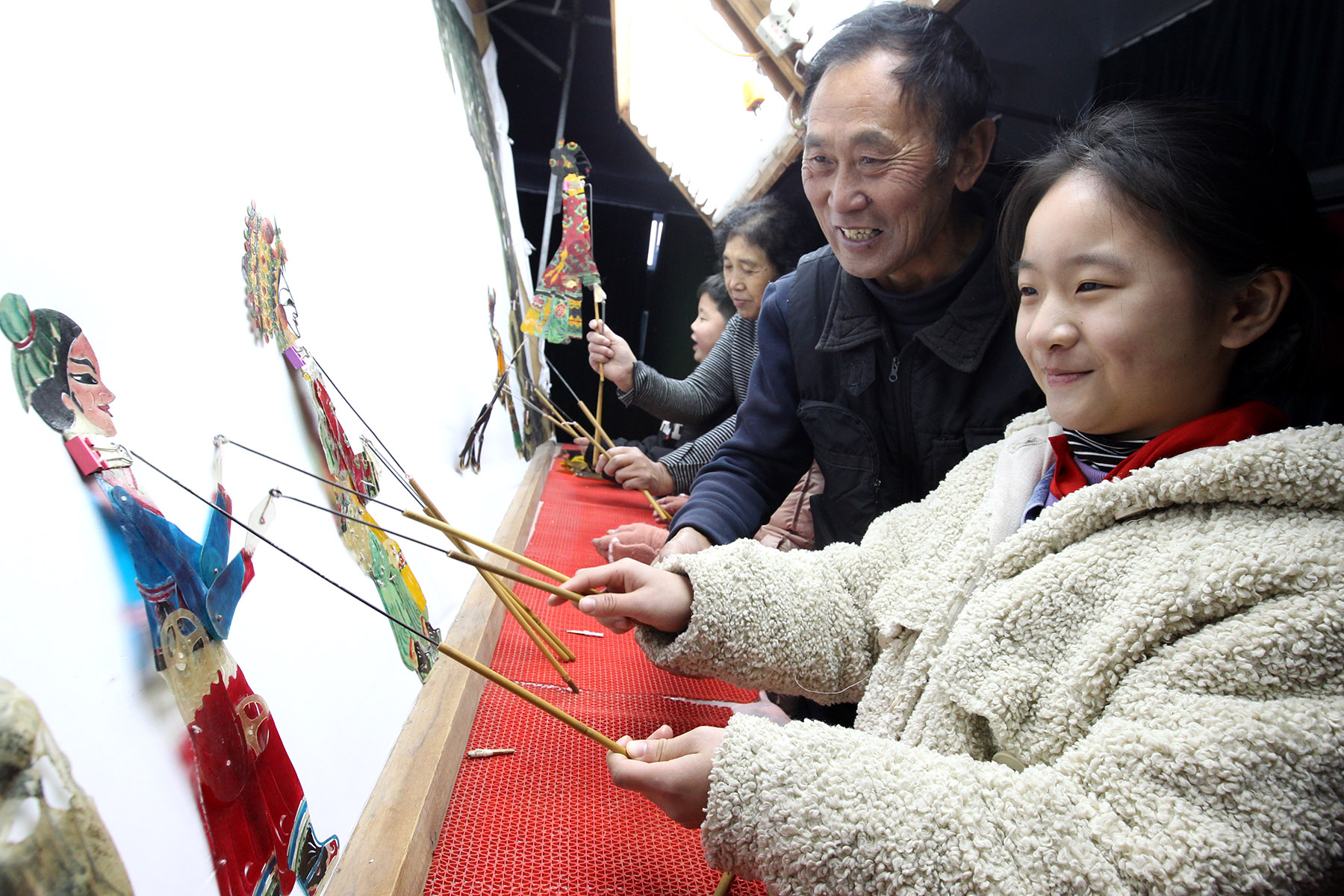
Chinese shadow puppetry offers a captivating blend of artistry and storytelling. Inscribed on the UNESCO Representative List of the Intangible Cultural Heritage of Humanity in 2011, this art form features intricately carved leather puppets that cast dynamic shadows on backlit screens. The puppets, crafted from donkey or ox hide and dyed in vibrant colors, are skillfully manipulated with rods.
Performances in Shaanxi province feature live folk music, rhythmic percussion, and vocal narrations that bring epic tales like Journey to the West to life.
The puppeteers' skill in creating illusions, combined with poetic narratives, makes each show a visual symphony. Some performances feature English subtitles, and hands-on workshops allow visitors to try the art form. Tickets range from 50 to 150 yuan ($7-21), providing an accessible window into Chinese folk traditions.
Mutton soup with flatbread
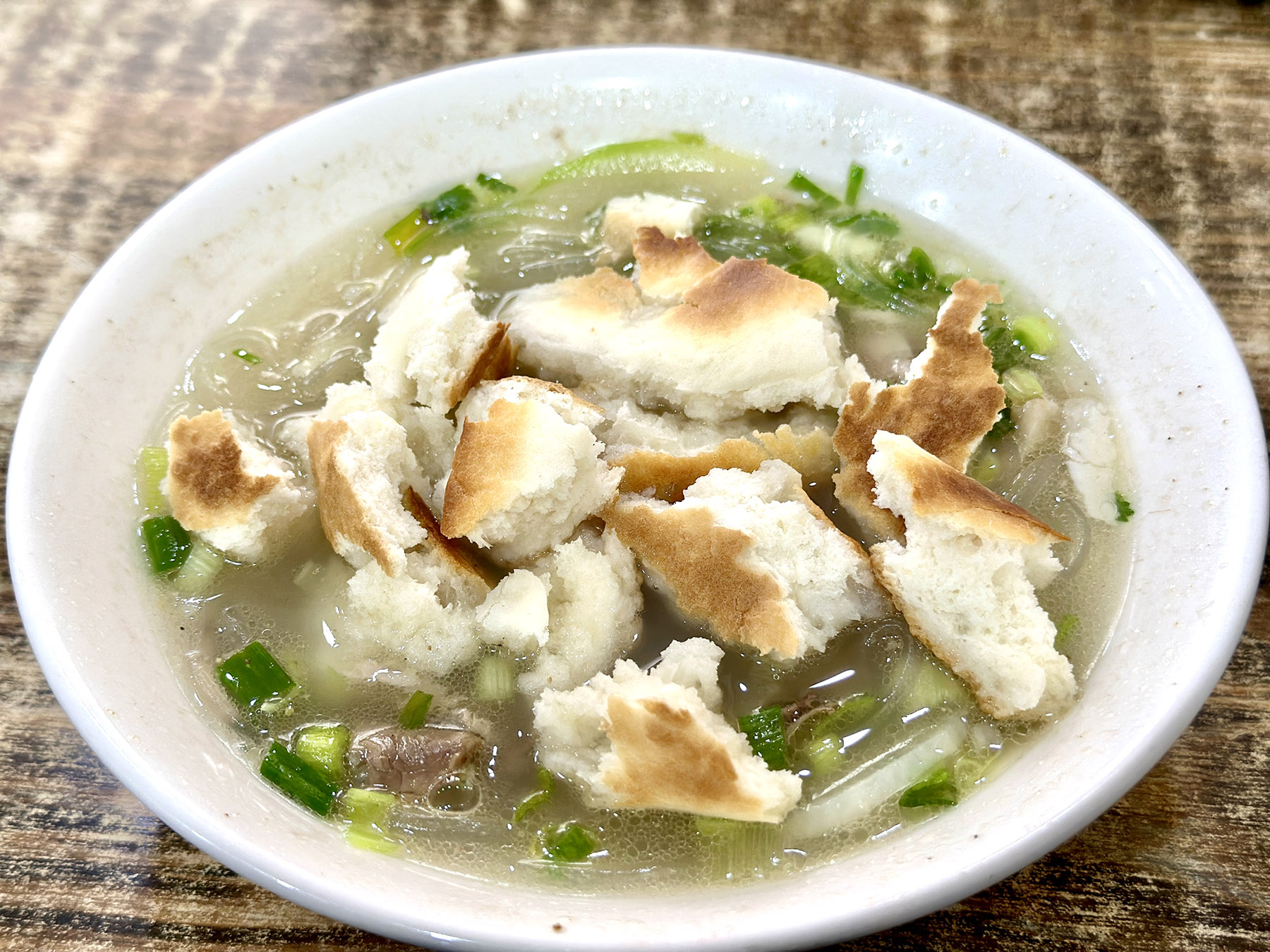
For an authentic taste of Shaanxi cuisine, don't miss yangrou paomo, a warm mutton soup with crumbled flatbread that's both hearty and interactive. This Xi'an specialty features tender, slow-cooked lamb in a rich, milky-white broth seasoned with Chinese herbs and spices.
Eating yangrou paomo is a ritual in itself. Diners tear the flatbread into small pieces by hand before soaking them in the fragrant lamb soup until they absorb the broth while still retaining a pleasant chewiness. Then, mix in the accompanying coriander, chili paste and pickled garlic.
The combination of soft bread, succulent lamb and robust broth creates a comforting, textured experience perfect for colder days.
Most authentic restaurants in Shaanxi offer this classic dish at very affordable prices, typically around 30 yuan ($4.2).
Braised carp
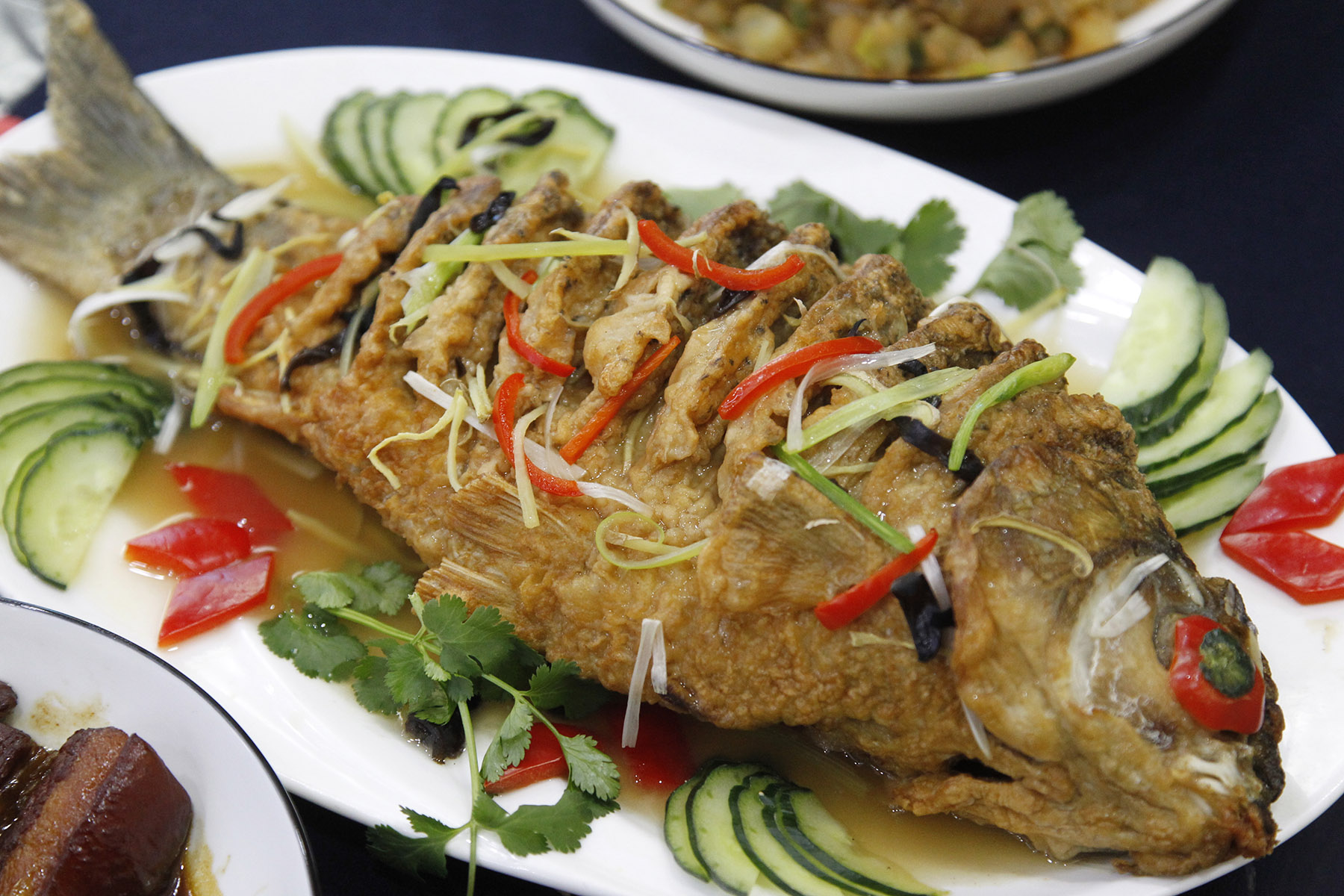
A traditional dish steeped in history, this prized fish has been enjoyed by Chinese people for centuries.
Thriving in the Yellow River's silty waters and swift currents, the carp develops exceptionally firm, lean muscles and a naturally sweet, delicate flavor that sets it apart.
It's cooked by braising in soy sauce, ginger and spices, creating a tender, aromatic dish that honors its heritage.
To enjoy, gently pull apart the flaky flesh with chopsticks and pair it with steamed rice to balance the robust flavors.
To taste this delicacy, Zhengzhou in Henan province is an excellent starting point, but many cities along the Yellow River offer authentic options.
Look for farmhouse restaurants and small village eateries where fresh carp is prepared on the spot, ensuring a memorable, locally sourced meal.
Lanzhou beef noodles
A bowl of beef noodles is an essential culinary experience when visiting northwestern China, especially in Lanzhou, the capital of Gansu province.
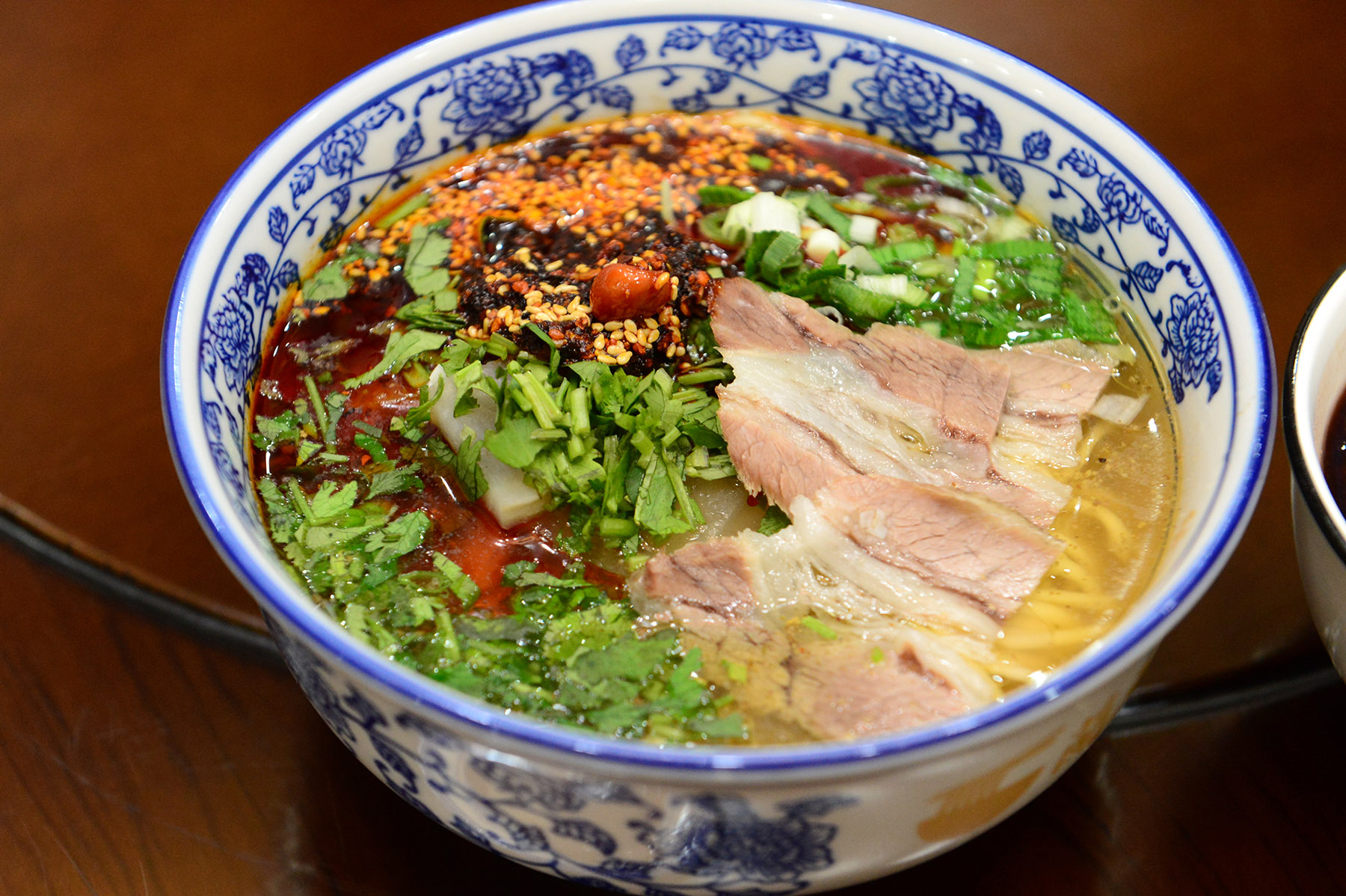
This iconic dish features hand-pulled noodles that are chewy and silky, served in a clear yet rich beef broth that is slow-simmered for hours with spices and radishes. The classic presentation adheres to the principle of "one clear, two white, three red, four green, and five yellow", referring to a clear broth, white radish, red chili oil, green cilantro and scallions, and yellow, shiny noodles.
Each bowl is crafted right before your eyes, with skilled chefs stretching and pulling the dough into thin, uniform strands. The size of the noodles can be adjusted according to customer preferences. The combination of tender beef slices, aromatic soup and springy noodles creates an unforgettable harmony of flavors and textures.
Kaifeng soup dumplings
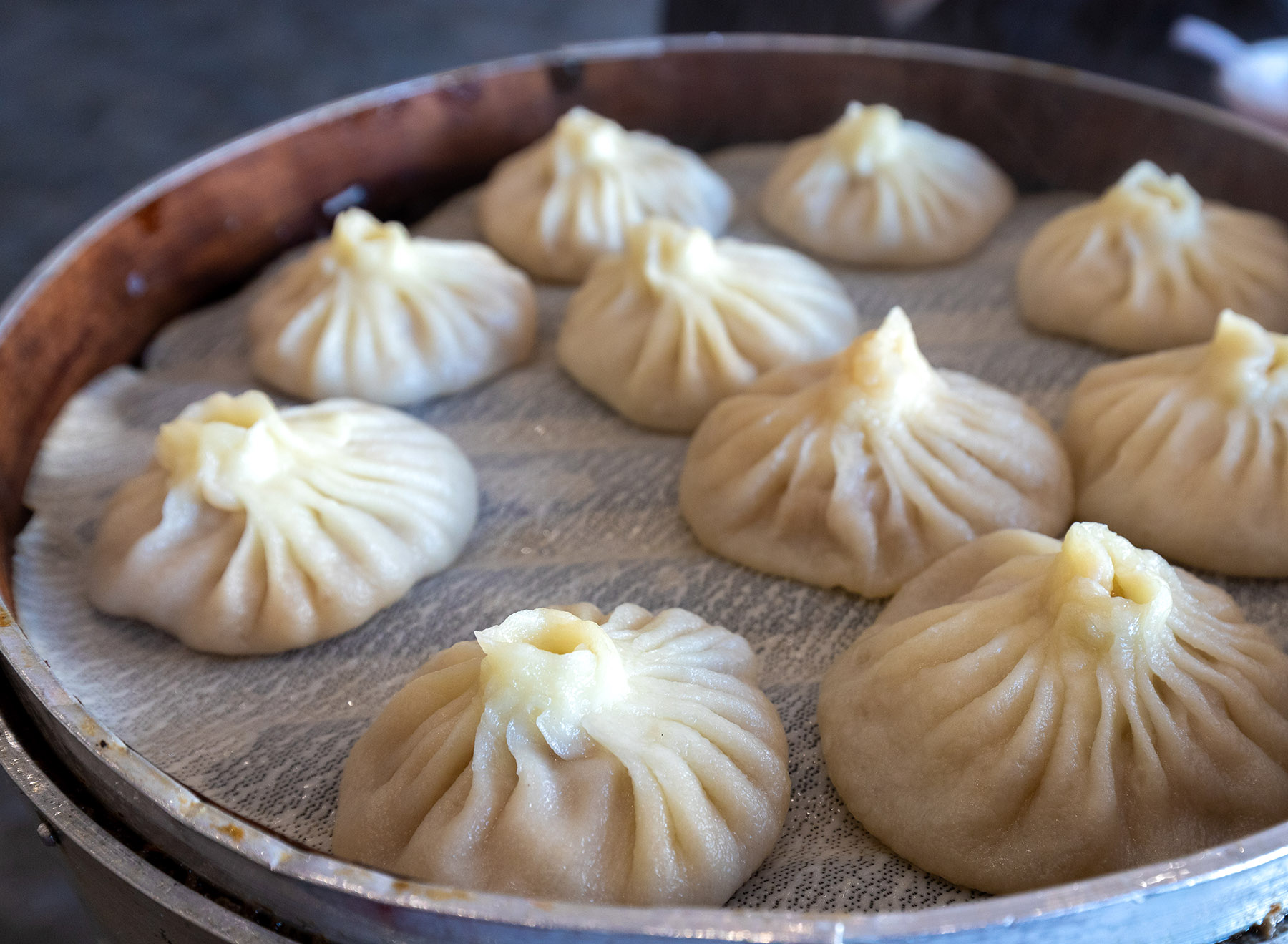
Soup dumplings are a beloved local delicacy in Kaifeng, Henan province. They are known for their delicate, thin wrappers and surprising burst of hot, savory soup inside. They're expertly crafted with a juicy filling of minced pork or other meats, seasoned with ginger and scallions, and sealed to trap a rich, aromatic broth that steams them to perfection. When the freshly steamed dumplings arrive, they are nestled in bamboo baskets, emitting wisps of steam.
ALSO READ: Where two rivers turn gold in a realm of wonder
The technique for eating them is crucial: gently lift a dumpling with chopsticks, place it on a spoon, and nibble a small hole in the side to sip the hot soup first — this avoids burns to the mouth from a sudden burst of hot soup. Dip the remaining dumpling in vinegar or a touch of shredded ginger to balance its richness.
Street food stalls serve excellent interpretations, generally priced at around 10 to 50 yuan ($1.4-7) per basket.
Contact the writer at dengzhangyu@chinadaily.com.cn
