

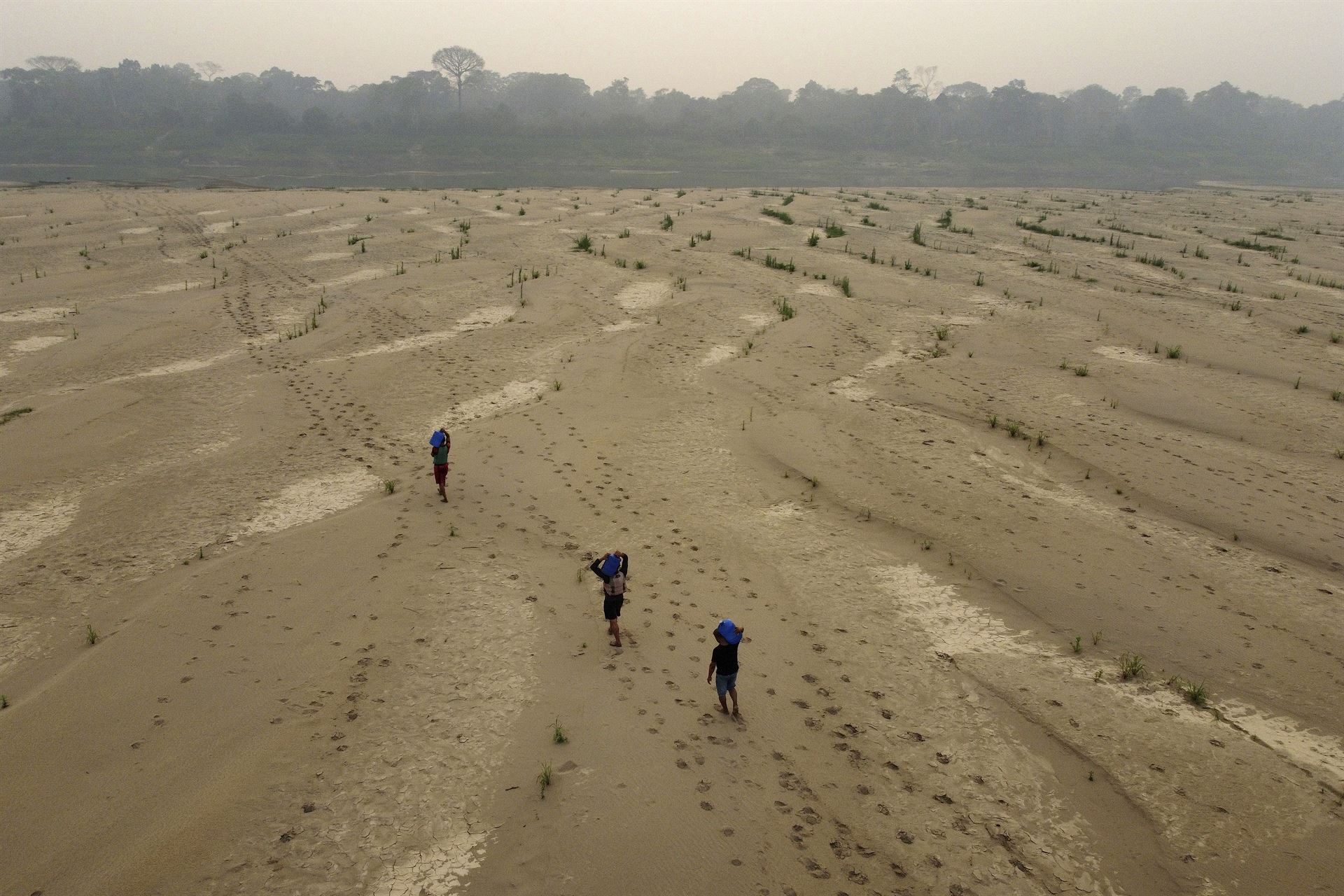
GENEVA - River flows around the world fell to all-time lows last year amid record heat, endangering water supplies in an era of growing demand, a UN weather agency report showed on Monday.
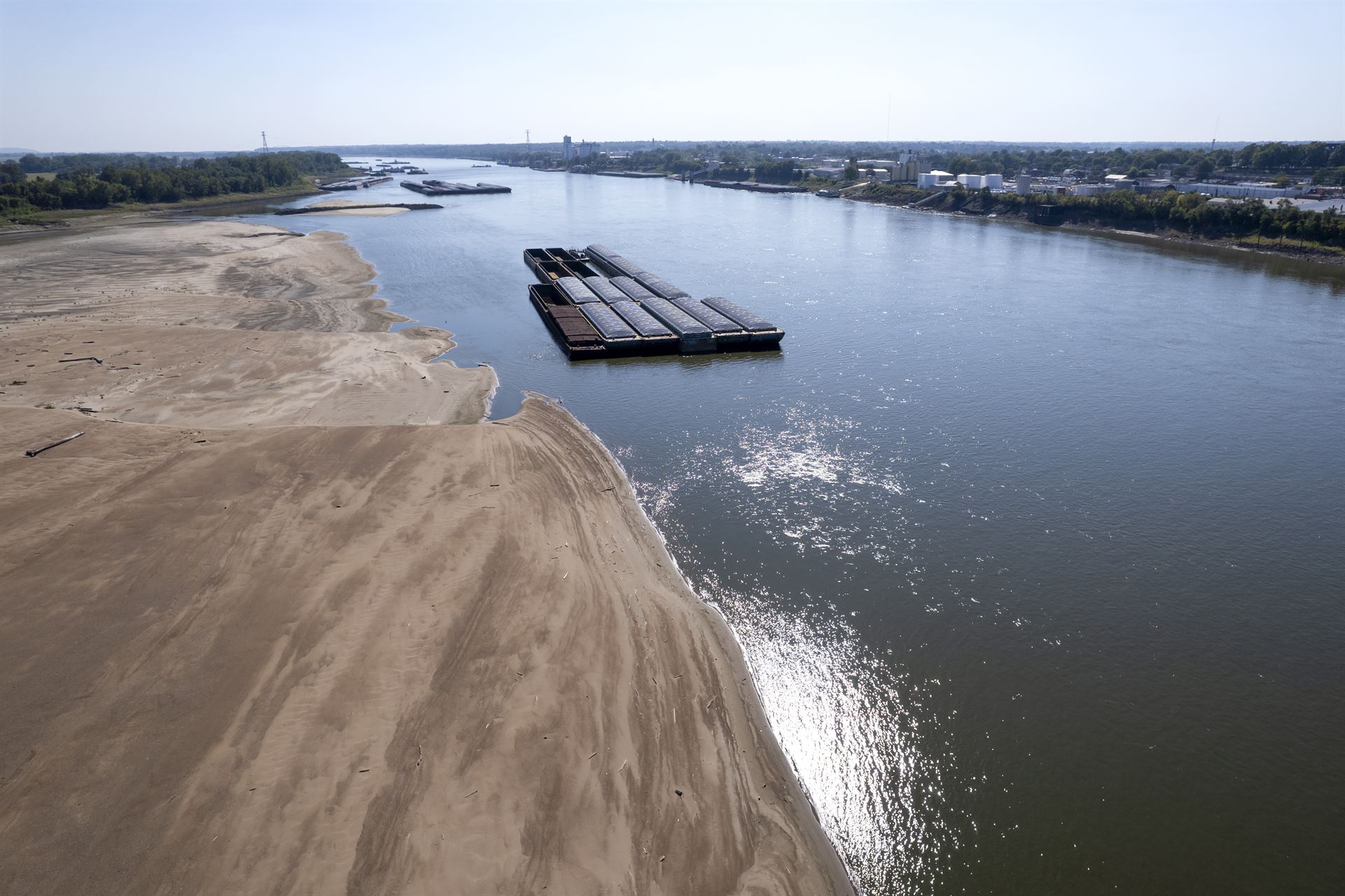
Prolonged droughts cut river flows in large parts of North, Central and South America with the Mississippi and Amazon River basins reporting record low water levels in 2023, according to the State of Global Water Resources report based on data going back 33 years.
ALSO READ: UN weather body: Ozone layer on road to recovery despite volcano eruption
The Ganges and Mekong river basins also experienced below-average conditions. Overall, 50 percent of global catchment areas showed abnormal conditions, with most being in deficit and reducing water availability for agriculture and industry.
"Water is becoming the most telling indicator of our time of climate's distress and yet, as a global society, we are not taking action to protect these reserves," World Meteorological Organization (WMO) Secretary-General Celeste Saulo told reporters at a Geneva press briefing.
ALSO READ: Africa faces steep costs as temperatures soar, says WMO
She warned that water cycles were becoming more erratic due to climate change and called for increased hydrological monitoring to track and respond to the changes.
The Amazon drought has recurred this year, with mud banks emerging in previously navigable segments.
READ MORE: Sea levels rising faster in Pacific than elsewhere, says WMO report
Stefan Uhlenbrook , the WMO's Director of Hydrology, said he expected more water scarcity this year in parts of the world where new heat records have been reported.
"When the glacier is gone in a few more decades. It will be very dramatic," he said.
