

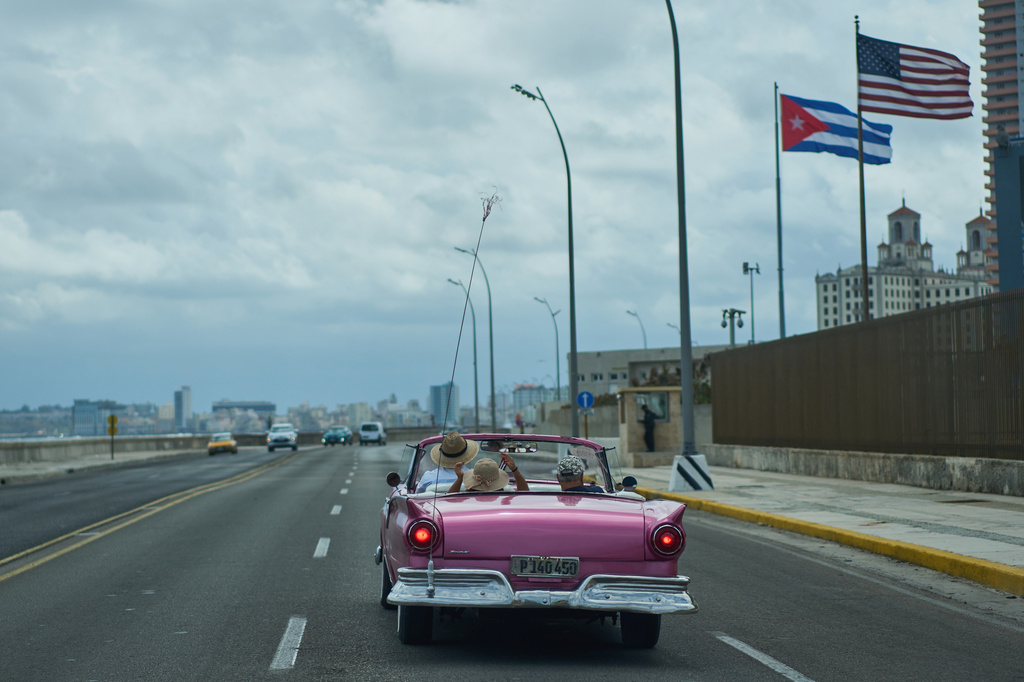
WASHINGTON/HAVANA – US President Donald Trump said Thursday his predecessors have mulled intervening in Cuba for decades and now it looks like he will be the one that does it.
"Other presidents have looked at this for 50, 60 years, doing something," Trump told reporters at the White House. "And, it looks like I'll be the one that does it. So, I would be happy to do it."
Cuban Americans can go back and help, he added.
'Deal with Cuba unlikely'
On earlier Thursday, US Secretary of State Marco Rubio said that the likelihood of a negotiated agreement with Cuba is not high at the moment.
"In the meantime, we'll keep doing what we need to do," Rubio told reporters before leaving for a NATO foreign ministers meeting in Sweden.
Raul Castro indictment draws criticism
A US indictment against Cuban Revolution leader Raul Castro over the downing of two aircraft nearly 30 years ago has drawn strong criticism in Cuba, where officials, scholars and residents see the move as politically motivated and part of Washington's broader pressure campaign against Havana.
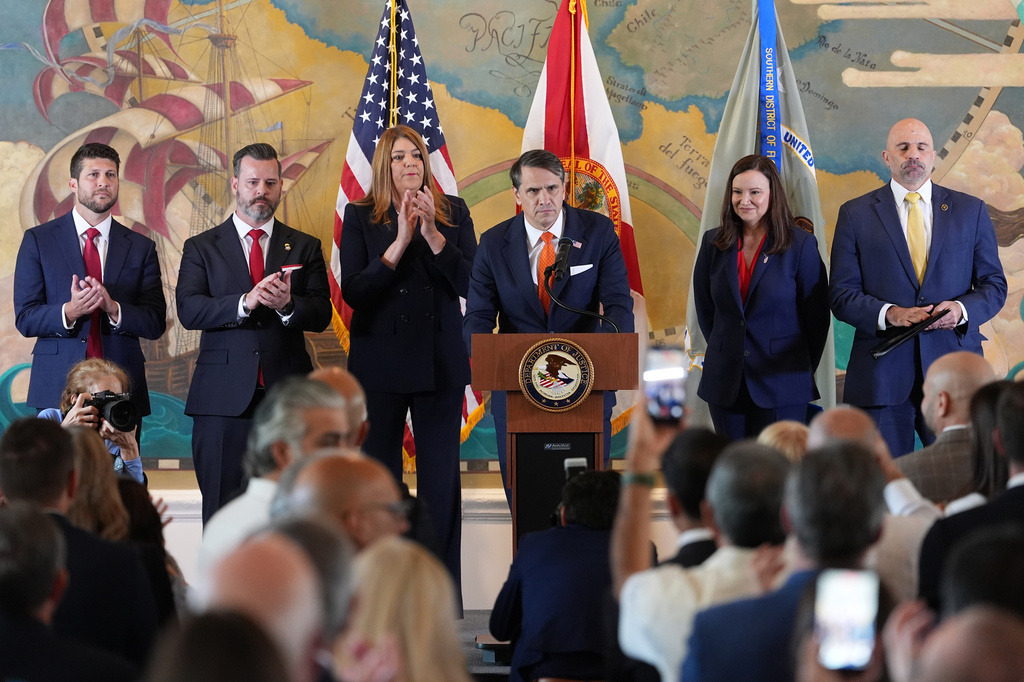
On Wednesday, a grand jury from the US District Court for the Southern District of Florida indicted Castro in connection with the downing of two planes operated by a US-based Cuban exile group named "Brothers to the Rescue" in 1996.
Cuban President Miguel Diaz-Canel said the US indictment of Castro is a "political maneuver" with no legal basis, adding that Washington "is lying and manipulating the events surrounding the downing of the small planes belonging to the narco-terrorist organization Brothers to the Rescue".
Diaz-Canel rejected Washington's account of the incident, saying Cuba acted in "legitimate self-defense" after repeated violations of the island country's airspace by members of the Miami-based group. Cuba issued more than a dozen warnings about the violations before the aircraft were shot down, he said.
Cuban Foreign Minister Bruno Rodriguez also condemned the indictment, calling it "illegitimate and illegal" and saying it seeks to reinforce what he described as a "fraudulent narrative" to justify aggression against the Cuban people.
Luis Rene Fernandez, a Cuban economist and professor at the University of Havana, said the indictment is part of what he called a "high-intensity hybrid war" by the United States against Cuba.
Liuba Hernandez, a 43-year-old self-employed worker, said the accusation against Castro appears to be another excuse for maintaining pressure on Cuba. She said tighter US sanctions have worsened fuel shortages and power outages, which affect work and daily life across the country.
