

APEC mechanism to help advance ocean governance: Industry leaders
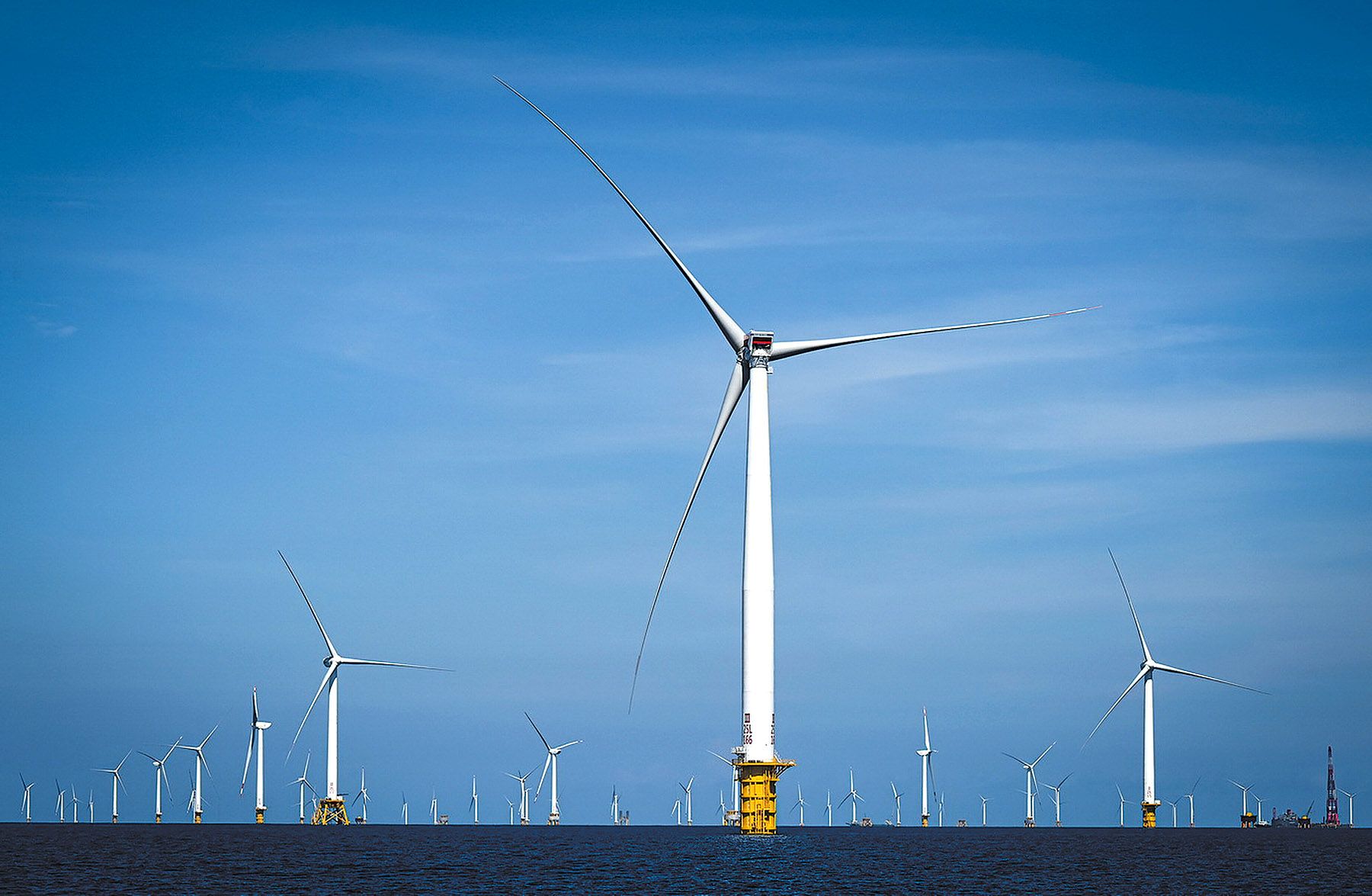
The Asia-Pacific Economic Cooperation, or APEC, mechanism offers significant opportunities to advance ocean governance, which is key to utilizing marine resources in a sustainable manner, industry insiders believe.
Emphasizing the importance of fostering a maritime community in the Asia-Pacific region, they called for concerted efforts to enhance public maritime literacy, share expertise in ecological protection, regulate emerging marine technologies, and promote green shipping.
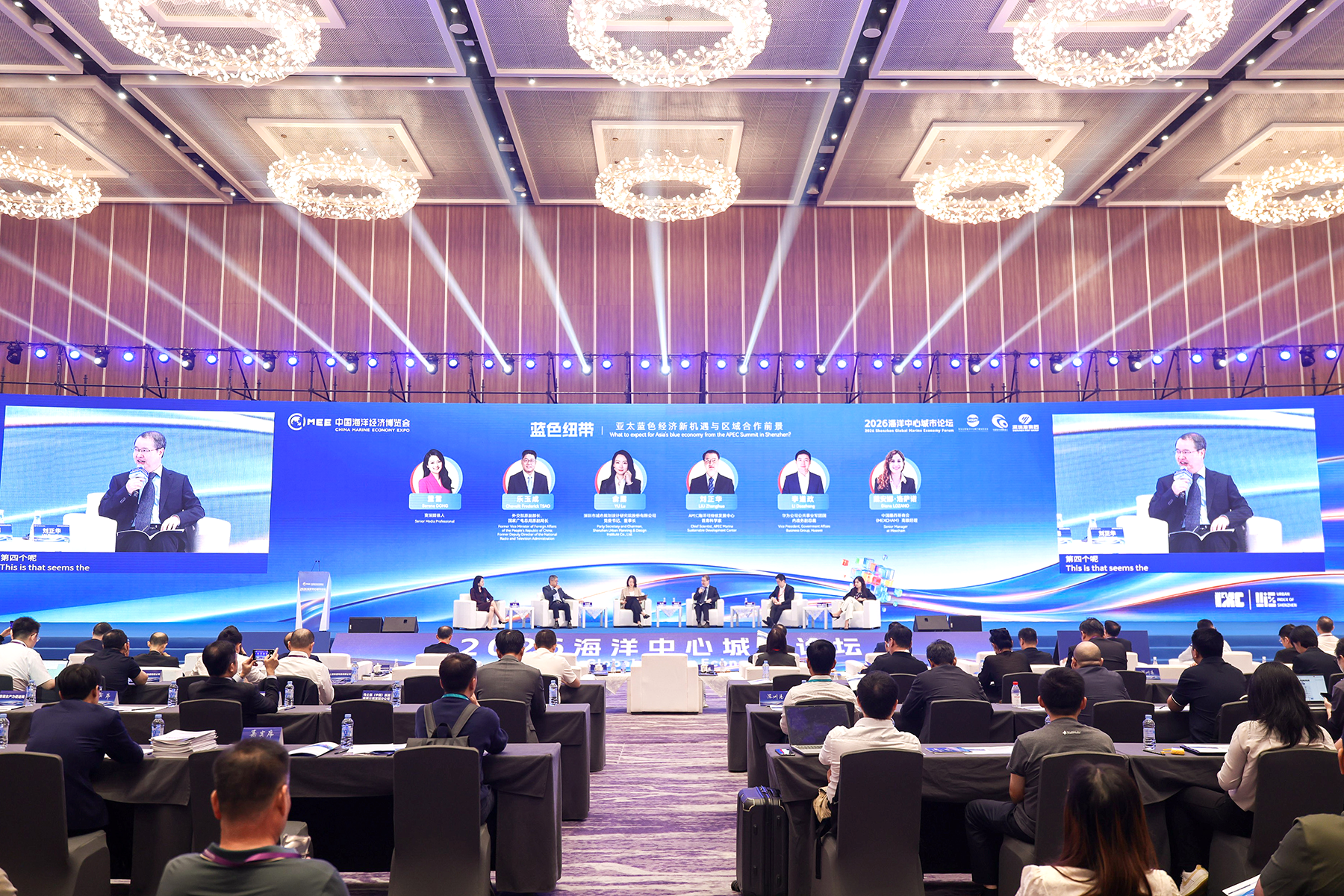
The remarks were made during a key meeting focusing on the Asia-Pacific region's maritime cooperation prospects at the 2026 China Marine Economy Expo in Shenzhen, the host city of the 33rd APEC Economic Leaders' Meeting.
READ MORE: China's marine economy posts steady growth in H1
The Asia-Pacific region is one of the world's most important centers of marine economic activity, with highly integrated marine industries and exceptionally diverse marine resources. The ocean serves not only as a natural link connecting the region's economies, but also a vital arena where resources, trade, and security intersect.
Liu Zhenghua, a research fellow at the Ministry of Natural Resources' Third Institute of Oceanography, and also the chief scientist of the APEC Marine Sustainable Development Center, said that blue economy has been a key item on the APEC agenda.
Action plans for marine debris prevention, combating illegal, unreported and unregulated fishing, and sustainable small-scale fisheries have been implemented. A new road map regarding marine literacy was launched in November this year and another about ocean resilience is under active discussion.
Marine issues span multiple sectors, including energy, tourism, and transportation. Going forward, these sectors will be better coordinated to protect the integrity of marine ecosystems, and greater efforts will be made to raise public awareness of marine issues and encourage public engagement, Liu said.
Under the APEC framework, China launched the "Blue Citizen Initiative", a landmark proposal to strengthen local communities' role in ocean governance. In July, representatives from 12 APEC economies took part in the Blue Citizen Community summer school on Shenzhen's Dapeng Peninsula, gaining firsthand insight into local efforts to protect marine ecosystems.
Through the platform of APEC, Yu Lu, president of Urban Planning and Design Institute of Shenzhen, believes that the conservation of mangroves can serve as an important avenue for promoting regional protection of marine ecosystems.
The Asia-Pacific region has the world's richest mangrove resources, which provide multiple benefits to marine ecosystems such as protecting coastlines, improving water quality, and mitigating global warming.
Under the APEC framework, Shenzhen and other cities can share their experience in this field with areas facing mangrove degradation and extreme weather threats. Such regional collaboration will also promote the exchange of ecological restoration technologies and joint efforts across economies to develop demonstration projects, Yu believes.
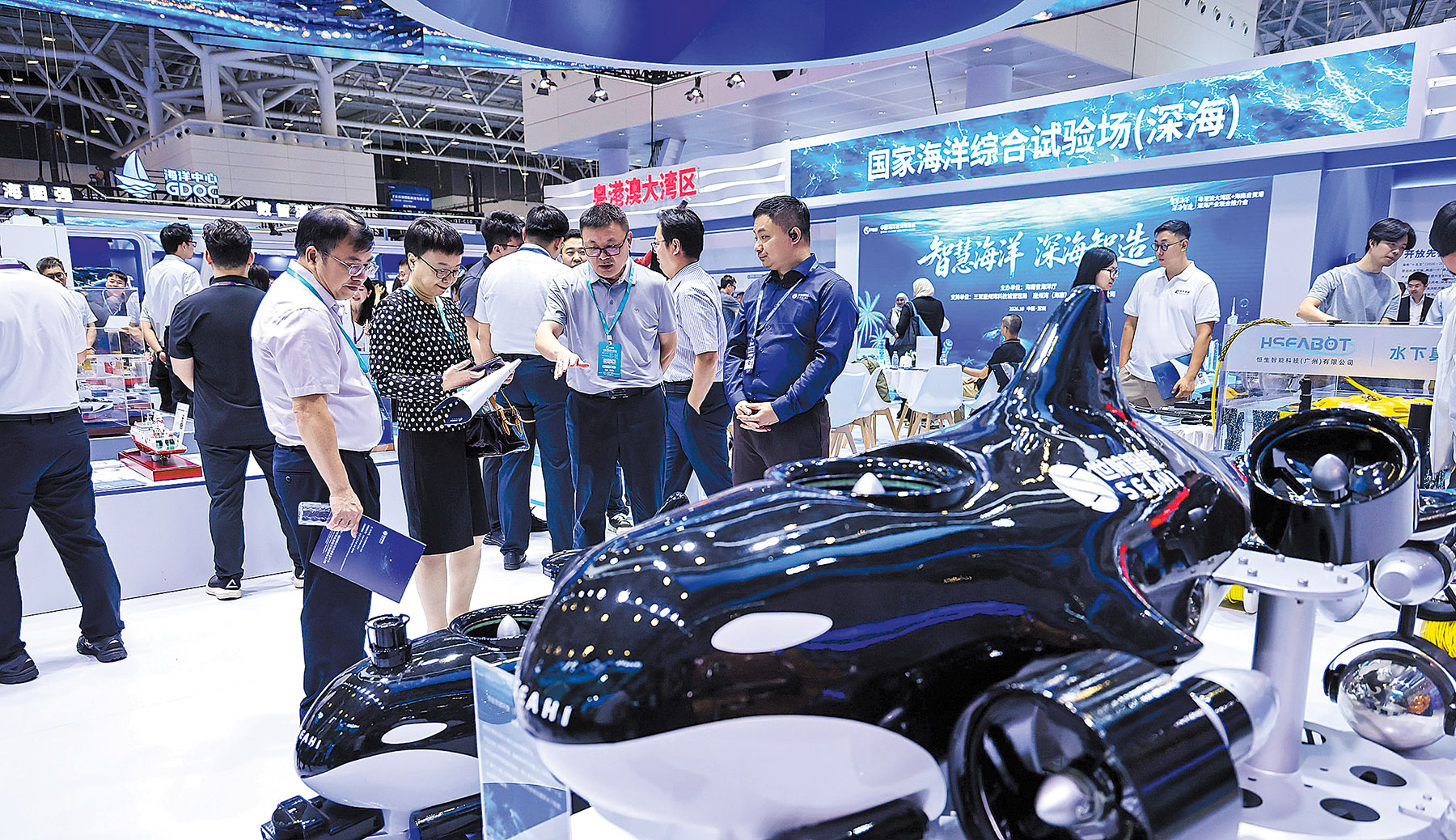
Li Daozheng, vice-president of Government Affairs Business Group of Huawei, a leading provider of telecommunication infrastructure and smart devices, said that technological advances have greatly expanded the scope of their applications in marine industries, which are no longer driven by policy alone.
Emphasizing that marine technology has reached a new turning point, he said that Huawei has achieved many breakthroughs in standardizing underwater sensing devices, optimizing submarine transmission technology, and deploying data centers across the Asia-Pacific region.
The telecommunication giant will double down its efforts to assist APEC economies in building future-oriented intelligent systems with Chinese technologies, according to Li. He believes there is great potential for pilot cross-boundary cooperation in specific areas such as typhoon trajectory forecasting and equipping unmanned shipping facilities with AI systems.
ALSO READ: HK sees opportunity to kickstart blue economy
Diana Lozano, senior manager at the Mexican Chamber of Commerce in China, said APEC meetings provide a vital platform for facilitating cross-Pacific trade and building smarter, greener, and more resilient maritime supply chains.
As a primary new shipping hub connecting Asia with North America, Mexico is looking to adopt AI-driven supply chain tracking and automatic terminal management to handle growing trade volumes, she said.
To promote sustainable maritime development, it is also seeking partnerships to establish green shipping corridors and decarbonize its ports through measures such as shore power and clean-fuel bunkering, she said.
Li Wenfang and Chen Hong contributed to the story.
Contact the writers at bingcun@chinadailyhk.com
