

Lifetime of friendship, generosity and understanding echoes across continents and 10 decades
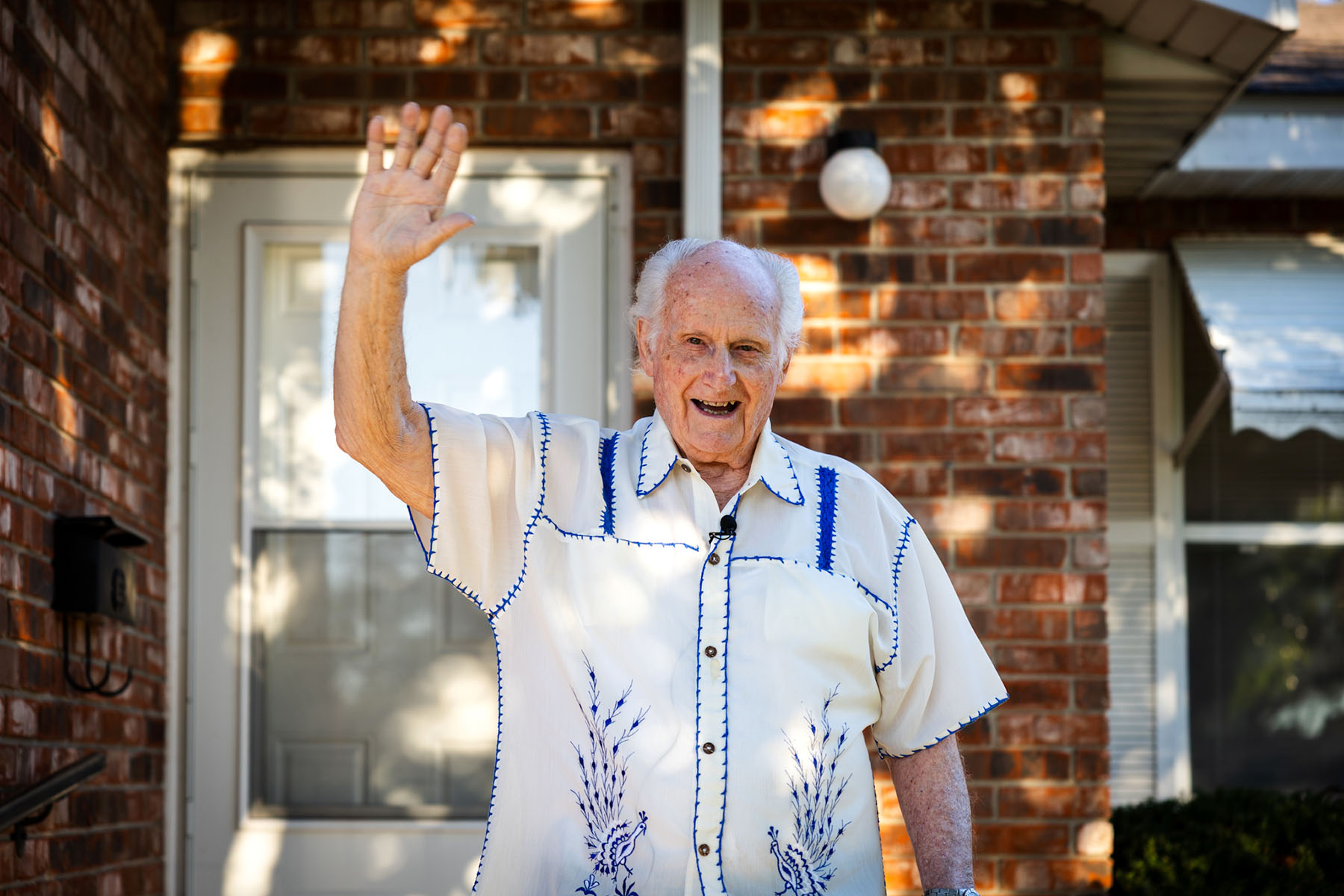
Three tiles embedded in the ground near the doorway to David Plymire's home in the United States bear Chinese characters. They read, fu (good fortune), heping (peace) and xi (joy).
Plymire is an American, but in a small town in northwestern China, there is a children's rhyme about him.
For generations, children in Huangyuan, Qinghai province, on the eastern edge of the Tibetan Plateau, have recited a comical story about the "big nose" American boy. Until recently, few people knew that the child it describes was a real person, who is now 95 and living thousands of kilometers away across the Pacific.
READ MORE: China says will continue to support exchanges with Americans
"An American with a big nose who loves Chinese niangpizi (cold spicy noodles)," Plymire said, reciting the children's poem in a recent interview with China Daily.
"Then the big nose goes to the river to wash the pepper out of his nose, and he falls in the river and drowns."
Plymire chuckled at the image.
On the northern outskirts of Springfield, Missouri, the birthplace of America's famous Route 66, Plymire lives in a retirement community. He speaks fluent Mandarin as well as the local dialect of Huangyuan, where he spent 17 years of his early life.
He has returned to China more than 20 times, raising money for medical equipment and helping improve healthcare in the town he still calls home. The childhood rhyme, now circulating online, has introduced his story to a new generation of Chinese, many young enough to be his great-grandchildren.
Local boy at heart
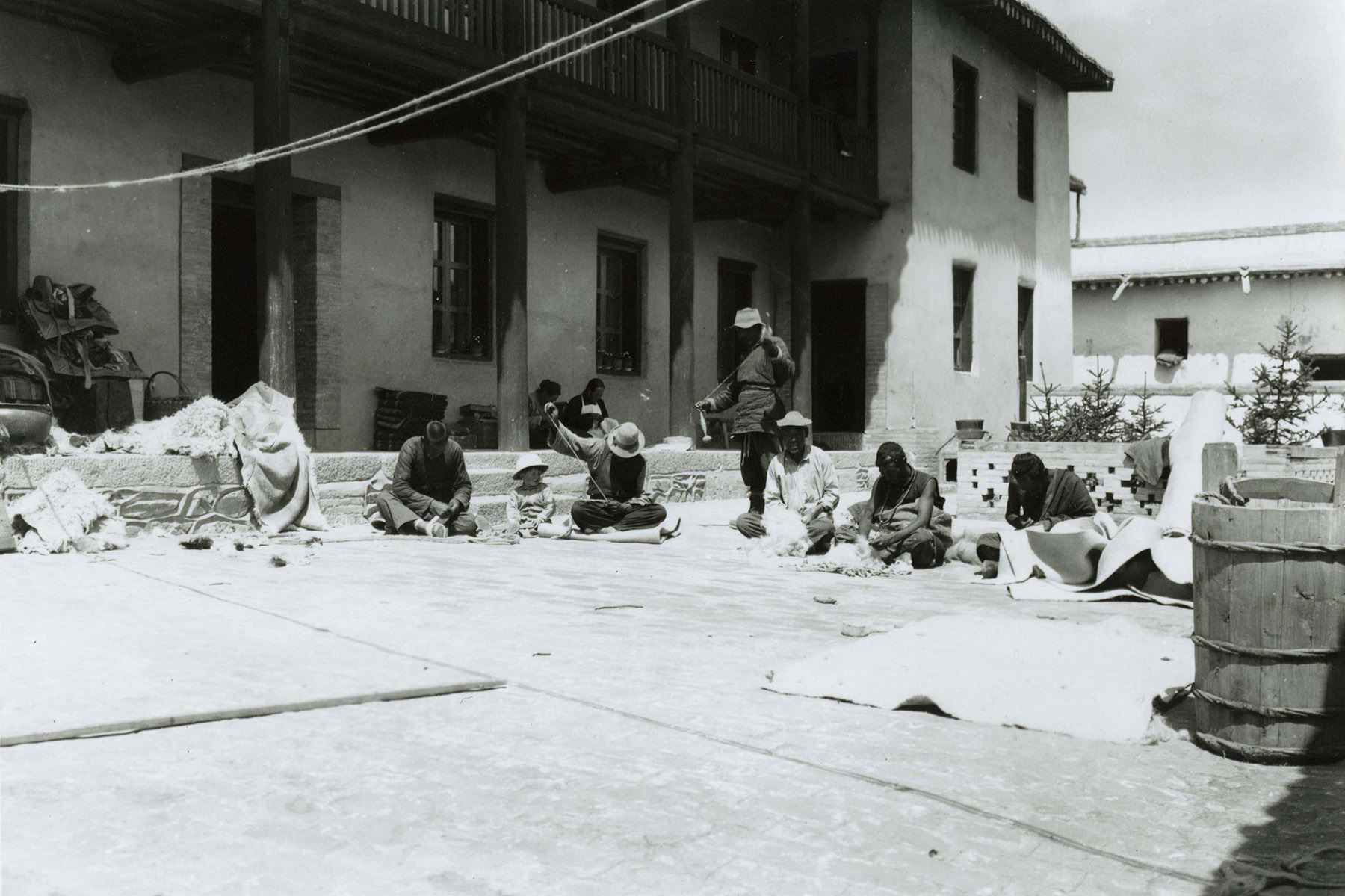
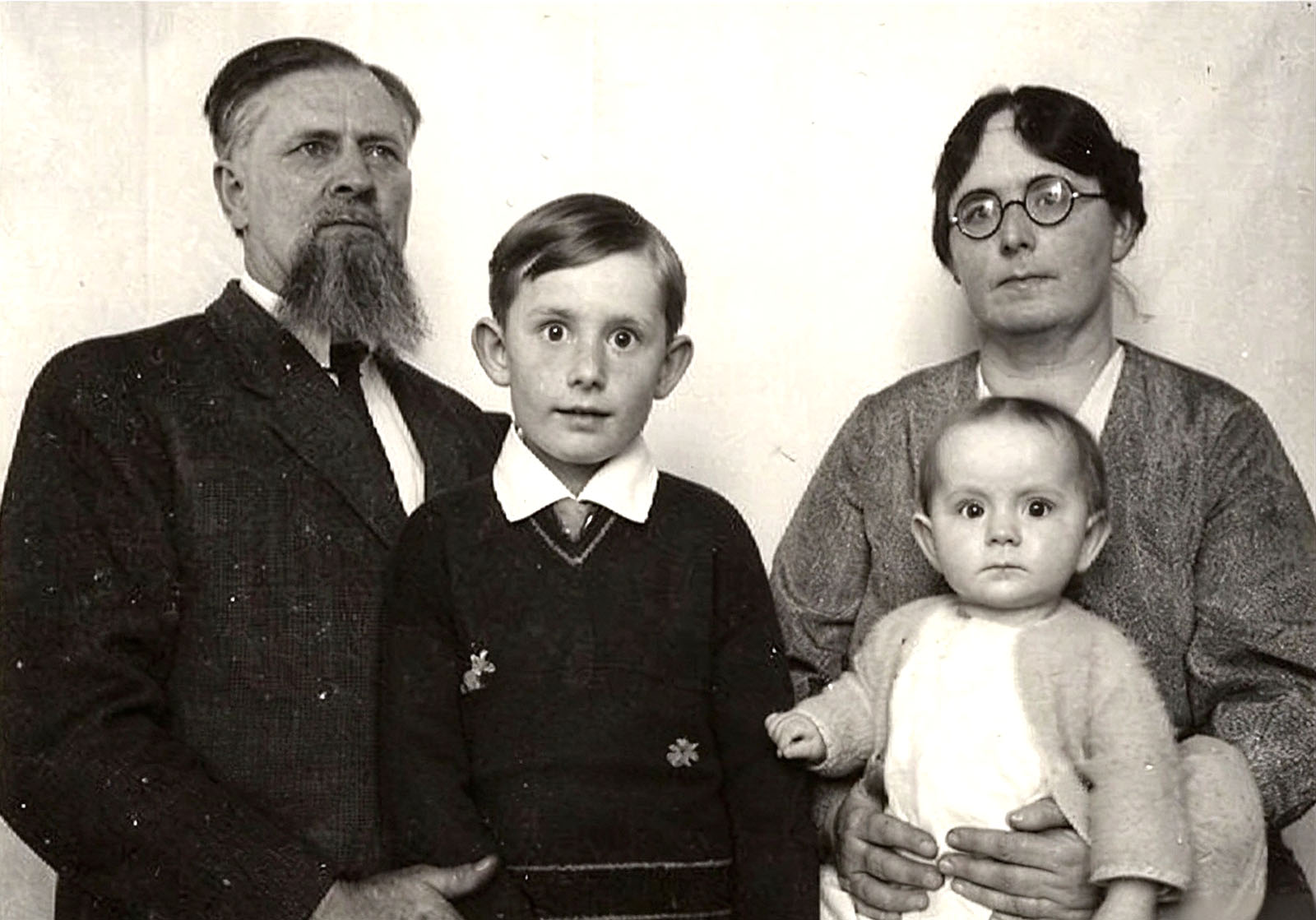
His father, Victor, an American missionary, came to China in 1908 and traveled to northwestern China in the 1920s, settling in Huangyuan. Historically known as Dangar, the town was a major trading hub along the ancient Tea Horse Road.
Born in Los Angeles in 1931, Plymire was brought to Huangyuan by his family in 1932 and grew up to the sound of jingling camel bells.
He remembers playing with his friends on the hill behind town, swimming in the river, and standing on tiptoe in a crowd to catch a glimpse of a truck passing through. Cars in those days had to be started by a hand crank at the front of the vehicle. Some of the local kids had seen Plymire's windup toys. When they saw a driver cranking his car, they figured he was winding it up too.
During the war, when planes flew overhead, Plymire and his buddies wondered how they got off the ground. The only things the boys had ever flown were kites. Plymire figured someone must have thrown the plane into the air and run really, really fast.
He also remembers when the one-way trip from Xining to Huangyuan by horse-drawn cart took a full day and his father stopped at an inn along the way. At 17, Plymire said he was already so tall that he had to sleep diagonally across the bed, from corner to corner. The innkeeper took one look at the boy and scolded his father, asking: "Why hadn't he found his son a wife yet?"
The Plymires were treated much like any local family.
As Plymire recounted these stories, the details came back to him with remarkable clarity. He said he could still picture it all in his mind.
Plymire never tires of telling stories about his childhood in Huangyuan.
"I only hope that I tell the same story each time. Sometimes I leave some (part) out accidentally," he said.
"A lifetime can have only one old home, and so that's how I feel. Here in Springfield, … my body is here, yet my heart is there where I have so many happy memories and friends that I know are still there," he added.
Flavors, memories
Plymire has his lunch meals delivered to his home. But he also keeps a stash of his "own food" on hand.
In his freezer are homemade dumplings, a couple of pig ears and some pig tongue. He also keeps instant noodles on hand, which he adds a few Chinese sauces to and sometimes cooks for himself.
One of his favorite dishes is shouzhua yangrou, a traditional northwestern Chinese dish of boiled mutton usually eaten by hand. Lamb is easy enough to find in the United States, he said, but mutton is harder to come by.
"That's in the area where I grew up, that was the major meat," he said. He misses the taste.
When Plymire lived in Huangyuan, rice was rare, and a pound (450 grams) of rice would have made a decent wedding gift. He usually ate mantou, or steamed buns.
Later, when he returned to the United States for school, a geography teacher told the class that the Chinese ate rice as their staple food. Plymire raised his hand.
"This book is wrong," he said. "They eat bread."
He later realized that he was the one who was wrong. He had lived in only one small corner of China, but that corner had shaped his understanding of the country and much of how he saw the world.
What people know of a place, he said, is often limited to what they have seen. He encourages people visiting China today to venture beyond Beijing and Shanghai, visit smaller towns, and get a sense of how people live in different parts of the country.
Traveling for Plymire has become difficult due to his age. He hasn't been back to China in 10 years. He misses everything about Huangyuan, he said, but still keeps up with news about the town and China online.
"China has made some very rapid advances," he said. "I have covered enough time so that I've been able to compare the China of today, with the China of 50 years ago because I was there. China has made great strides."
Medical assistance
Plymire's father provided basic medical care and performed minor surgical procedures for local residents.
One day, a man was taking his horse to get some water when the animal became spooked and the reins badly injured his thumb.
He came to Victor Plymire and asked if he could cut the thumb off. Victor told him he had no anesthetic and that it would hurt. The man said that was fine.
Young Plymire watched as his father took out a small knife he kept sharp and filled a basin with disinfectant. He cut around the thumb, and it dropped into the basin.
The man thanked him and went home.
Medical resources in the area had long been limited.
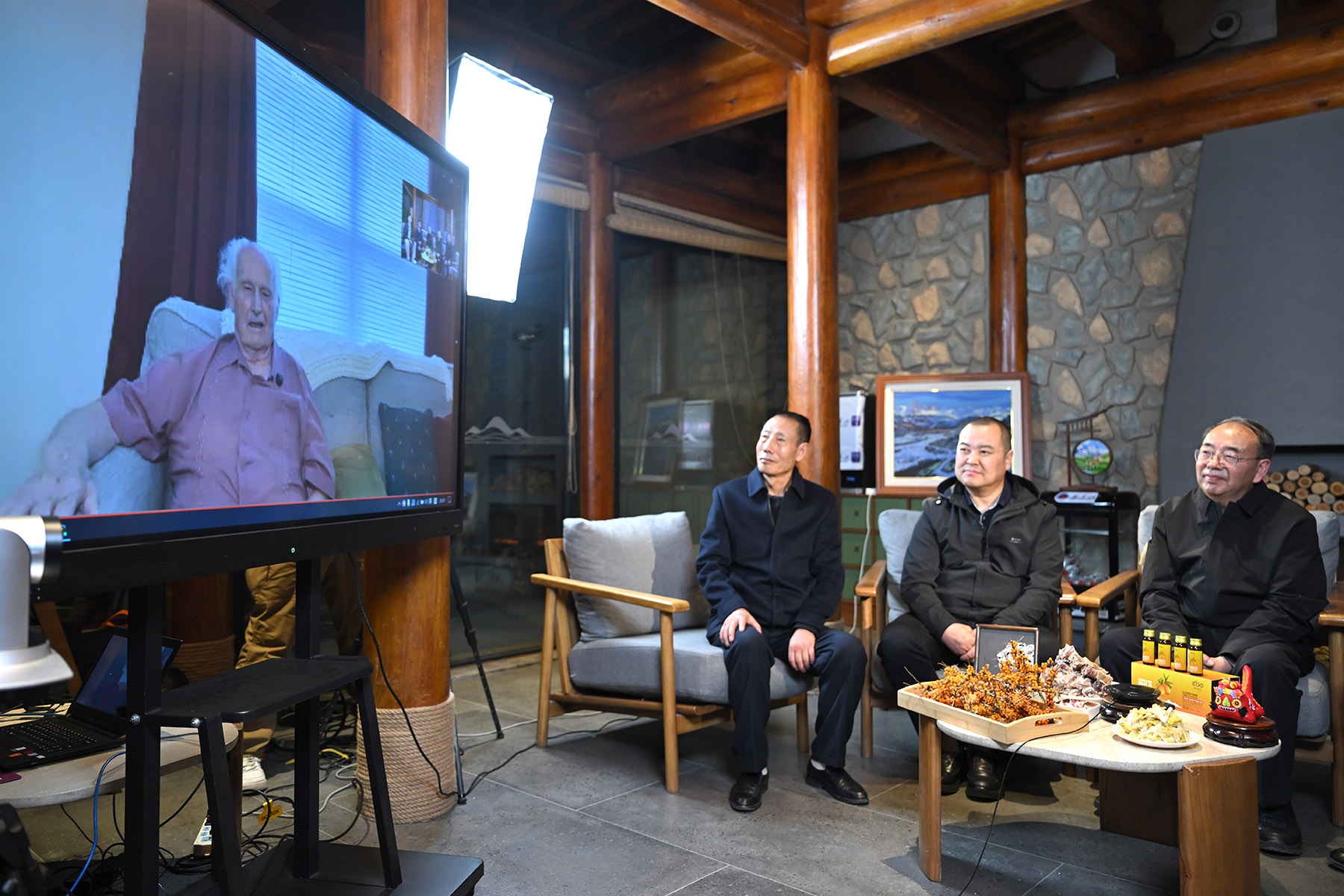
Plymire returned to Huangyuan in 1987 after nearly four decades away. The following year, he met Wang Shikang, then director of the Huangyuan County People's Hospital. The two soon became friends.
One evening, Plymire called Wang and learned that the doctor was out riding his bicycle to see an elderly patient who couldn't make it to the hospital.
"That was unusual," Plymire recalled.
He was impressed by the local doctors, but noticed how little medical equipment they had.
"They were well trained, and all they needed was the tools," the 95-year-old said.
Plymire began raising money for medical equipment for Huangyuan. For over three decades, he helped provide the hospital with more than 30 pieces of medical equipment worth a total of 6 million yuan ($900,000).
He had to convince American donors and local organizations why such expensive equipment should go to a small town in northwestern China. He also had nagging questions. Would the doctors know how to use it? Would the hospital be able to maintain it?
Plymire said he trusted Wang, the hospital's director. Some patients would later bypass hospitals in their own hometowns to seek treatment in Huangyuan.
Personal commitment
One of the first big-ticket items was a $20,000 ultrasound machine. Plymire bought it in Hong Kong in early 1989 and purchased an extra plane ticket for it to be transported to the mainland.
With commercial shipping unavailable at the time, Plymire personally transported the unit to Xi'an, Shaanxi province.
After getting off the plane, he had to catch a train to Huangyuan. Railway staff told him that something so valuable had to be insured and that it would have to travel in the baggage car rather than in the passenger compartment.
Plymire looked around the platform. There, alongside his $20,000 ultrasound machine, were watermelons, cabbages and live chickens; he laughed. He decided to let the machine travel with them.
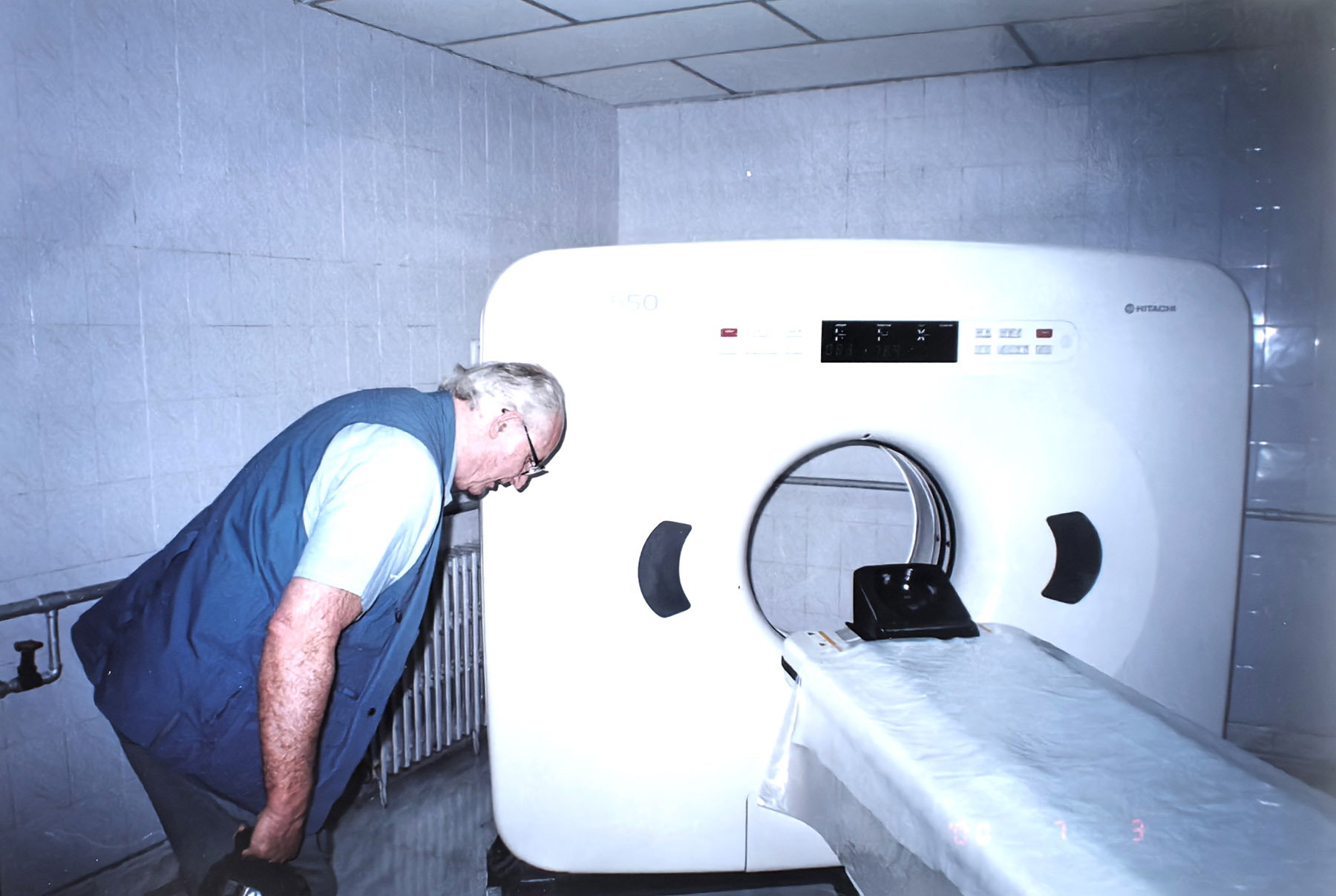
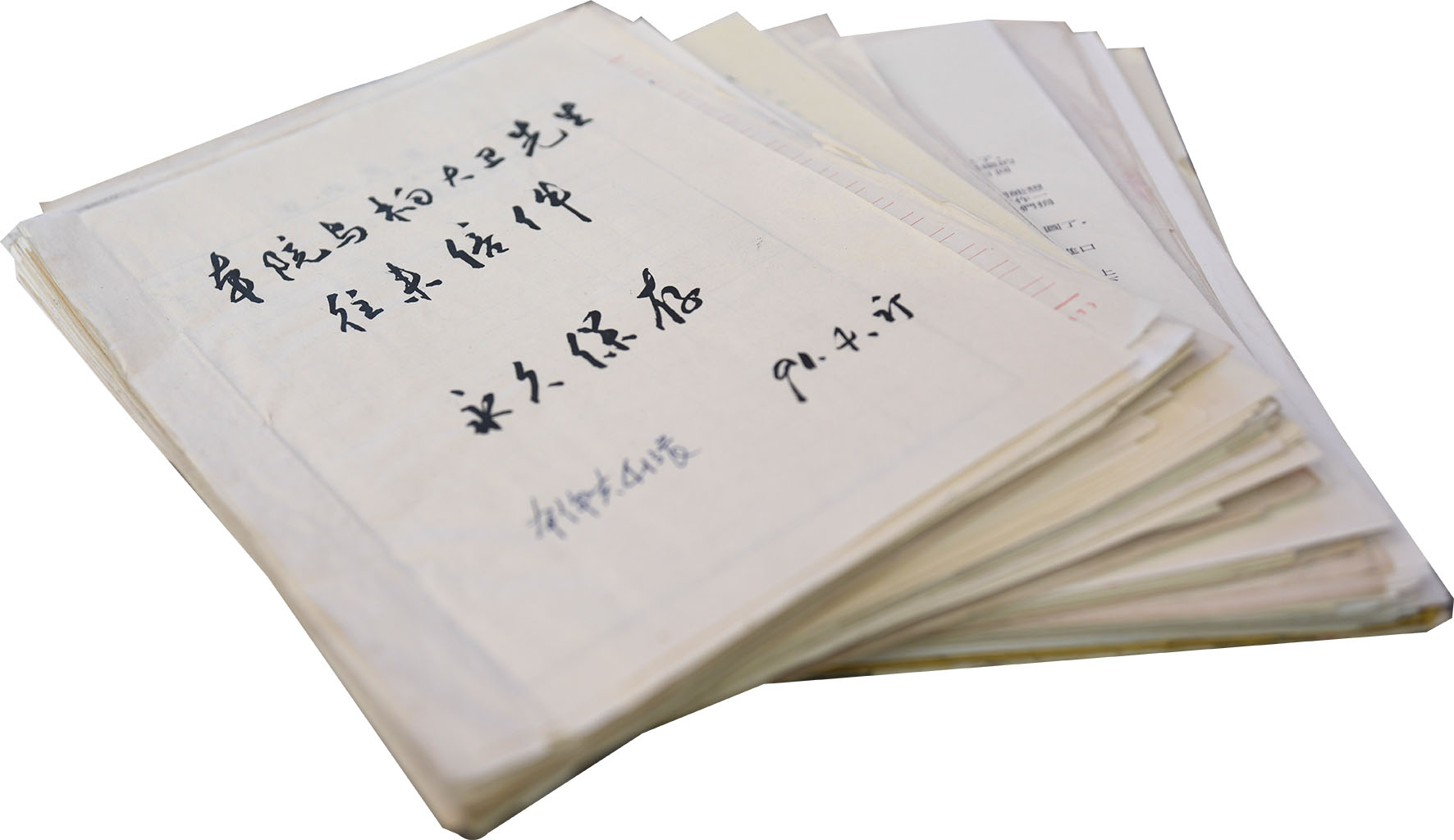
Plymire made three trips to bring a CT scanner, which was rare and expensive, to Huangyuan. The scanner enabled the hospital's first brain surgery and helped save lives during its 15 years of service. Today, it has pride of place in the hospital's exhibition hall alongside archival records documenting his many other contributions.
Looking back, Plymire said the equipment was well taken care of by the hospital staff. He said he trusted the people of Huangyuan. Many of the machines he helped bring to the hospital have since been replaced by newer, more advanced equipment.
"They have done very well, and the hospital has developed so well. They have been able to even replace equipment. Well, that original CAT scan like me has been retired," he joked.
The money raised went entirely toward medical equipment, not travel expenses.
'No strings attached'
Plymire said his work was motivated by his Christian faith, but helping people was not about converting them. Whether or not someone shared his faith made no difference to him. His help came with "no strings attached", he added.
His sister Mary Ann Plymire helped fund the county's first ambulance. In 1998, the siblings were named honorary residents of Huangyuan.
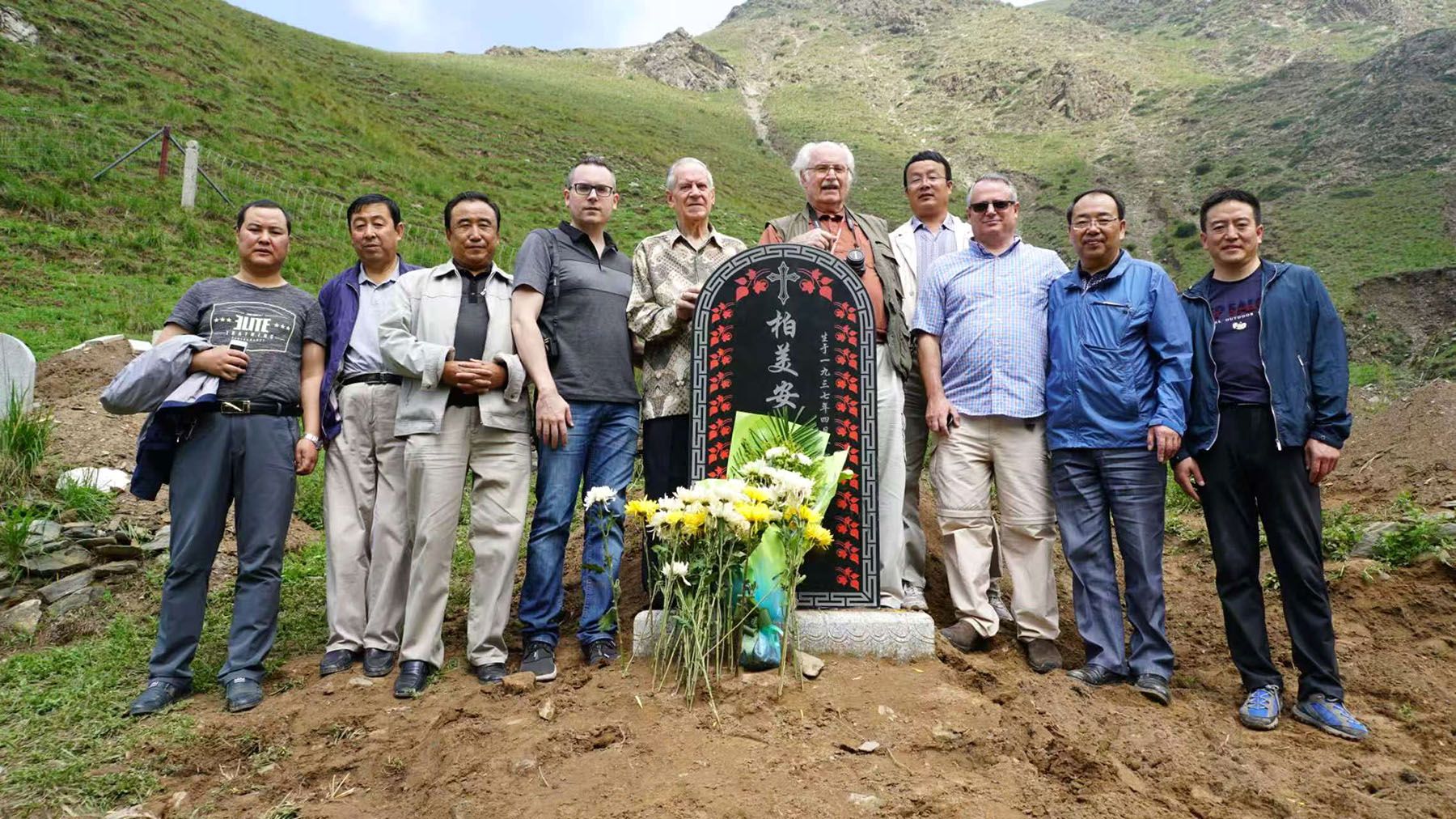
Mary Ann died in Canada in April 2016. In keeping with her last wish, Plymire brought her ashes back to Huangyuan. It was his last trip "home".
Plymire spent much of his life giving back to Huangyuan, a town that had given him so much and shaped the person he became, he said. Growing up there, he learned Chinese traditions, from respecting one's elders to treating others with courtesy.
"He loves the Chinese people. He loved his work there with the Chinese. He loved living there," Dorothy Davidson, a retired librarian who has been working with Plymire on a book about his life, told China Daily.
ALSO READ: Foundation of Sino-US ties laid by people
"He grew up from the age of one or two in China, so that was his life. It wasn't an American life. It was a Chinese life."
Davidson said she was particularly moved by Plymire's experiences in China. To her, his story was one of people-to-people connections, and she wanted to share it with American readers as well.
"An American with a big nose who loves Chinese niangpizi," Plymire repeated softly.
People from Qinghai province were surprised to learn that the rhyme they had grown up reciting was based on a real person. Others shared stories passed down by their grandparents about the two generations of Plymires who had lived in Huangyuan.
Plymire himself wondered why.
"I am curious as to why everybody would be interested in this. I don't consider myself as anything extraordinary or special," he said. "Maybe you can tell me."
Xinrui Ge contributed to this story.
Contact the writers at mingmeili@chinadailyusa.com
