

160th anniversary of revolutionary's birth celebrated on both sides of Strait
Editor's note: The Taiwan question is a key focus for China and the international community. China Daily is publishing a series of reports to track hot Taiwan-related topics and address disinformation from the Democratic Progressive Party administration.
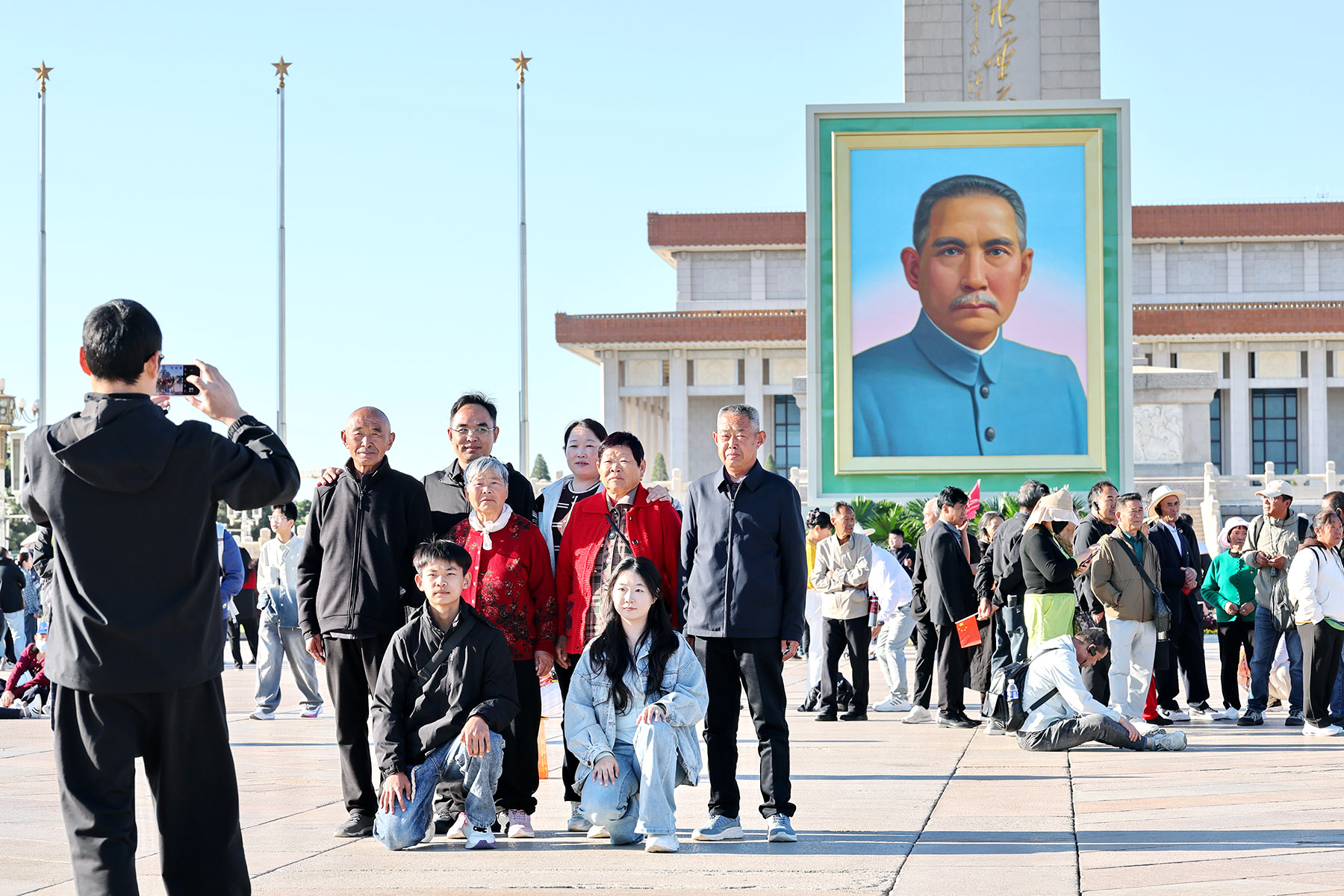
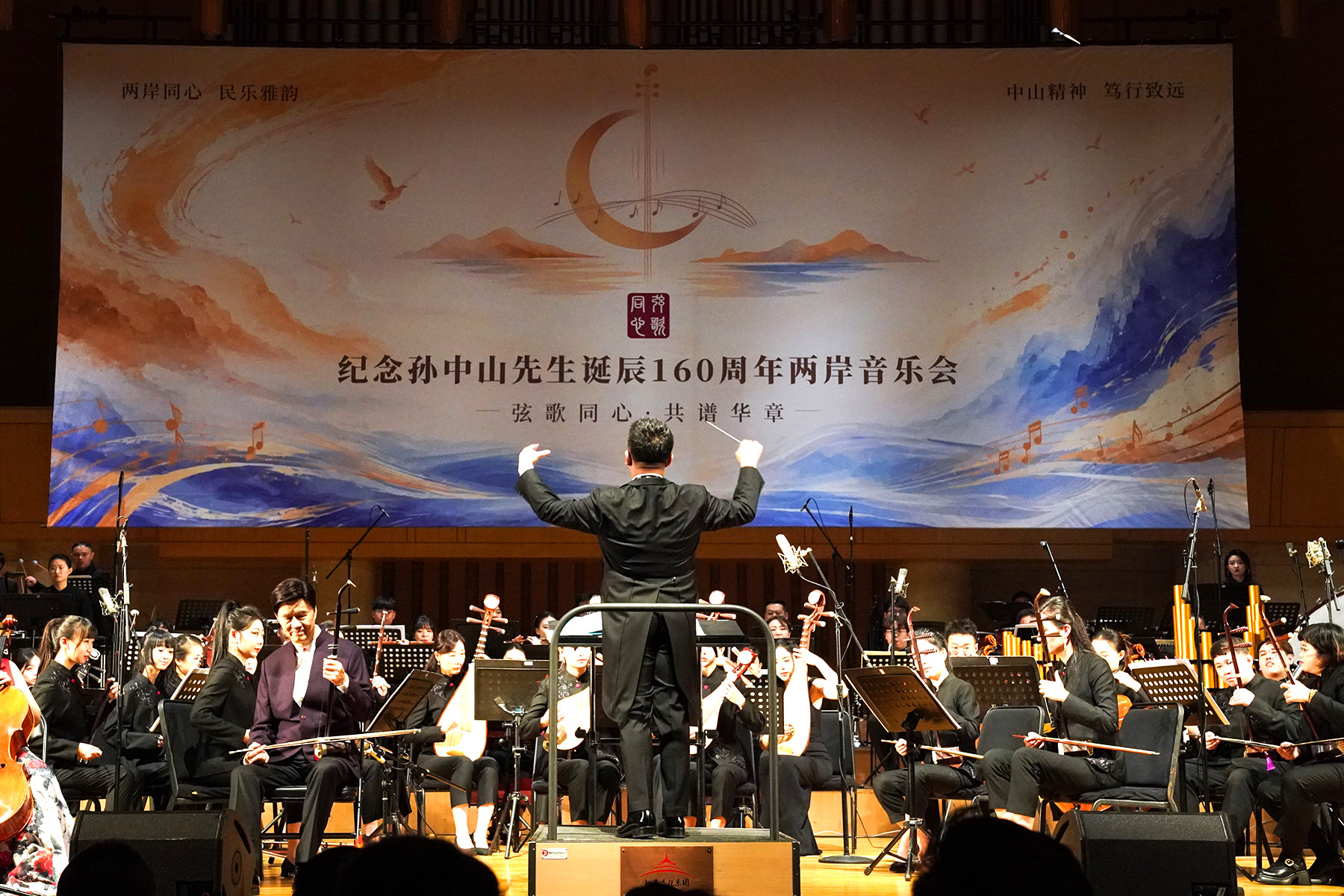
People on both sides of the Taiwan Strait are commemorating the 160th anniversary of Sun Yat-sen's birth through various events, calling for concerted efforts to achieve the reunification and rejuvenation of the Chinese nation.
Cross-Strait scholars have criticized the Democratic Progressive Party authorities in Taiwan for playing down Sun's legacy and pursuing policies aimed at removing Chinese cultural elements and weakening historical ties with the Chinese mainland.
Sun, who was born on Nov 12,1866, and died in 1925, is widely regarded by the Chinese people as a great pioneer of China's democratic revolution for his leading role in the 1911 Revolution, which put an end to more than 2,000 years of imperial rule in China.
Sun's legacy serves as an important bridge connecting people across the Strait.
During his life, he visited Taiwan three times, in 1900, 1913 and 1918, when the island was under Japanese colonial occupation. His ideas inspired many local young patriots, some of whom traveled to the mainland to take part in revolutionary activities, while others organized anti-Japanese resistance on the island.
READ MORE: DPP slammed for betraying nation, history
Hsu Hsiu-hui, a professor at the Center for Studies of Fujian and Taiwan at Fujian Normal University, said that the success of the 1911 Revolution rekindled the hope of Taiwan compatriots to return to their motherland.
Lin Tsu-mi (1878–1925), a prominent figure from Taiwan's Wufeng Lin family, represented a key historical connection in this history. Lin formally renounced his Japanese "colonial nationality" to restore his Chinese nationality.
"His primary purpose in restoring his nationality was to follow Sun's revolutionary cause," Hsu said. Lin eventually led his own forces to Fujian to fight alongside Sun against regional warlords and seek the establishment of a unified nation.
Today, numerous roads and parks across Taiwan and the mainland bear Sun's name.
Hsu noted that while this history has been long obscured, it proves that Taiwan compatriots never backed away from the motherland's revolutionary causes.
Hsu said that the "de-Sinicization" efforts by the DPP on the island have been ongoing for decades, and Sun has been removed from school textbooks, leaving many young people unaware of Sun's history.
Under the current curriculum guidelines by the DPP, Chinese history has been reclassified under East Asian history, treating China as a "foreign neighbor", Hsu said.
"As a mother, I was deeply worried that my children would grow up to be pro-'independence' youth under this educational framework," Hsu said, adding that she relocated her family to the mainland in 2019.
Chen Chien-an, an associate professor at the School of Journalism and Communication at Minnan Normal University, which is based in Zhangzhou, Fujian, shared his personal memories of growing up in Taiwan surrounded by Sun's legacy.
"I attended Zhongshan Primary School in Yilan county (in Taiwan), which sat right across from Zhongshan Park," Chen said, recalling that Sun's presence extended from Taipei's historic Zhongshan Hall to the island's Sun Yat-sen Freeway.
However, Chen observed that younger generations in Taiwan are becoming less aware of this heritage, as schools and parents gradually downplay Sun's historical significance under the current political atmosphere on the island.
This rising ignorance, Chen noted, is exacerbated by the DPP authorities' deliberate manipulation of mainstream media and suppression of mainland social platforms, which has created a chilling effect that makes many people hesitant to share objective information.
Chen said that the DPP fears cross-Strait exchanges because they worry Taiwan compatriots will realize the mainland is highly developed, which would immediately debunk the political lies and stereotypes propagated by the ruling party.
To rekindle youth interest, Chen suggested integrating scattered cultural resources across Taiwan, Macao, and Zhongshan in Guangdong province, using generative artificial intelligence to create short dramas or animated series to approach young people directly via social media.
Hsu said that an increasing number of Taiwan students and teachers are "voting with their feet" due to the mainland's growing economic strength and favorable policies, such as the pilot integration measures in Fujian, and the inclusion of Taiwan residents in the mainland's urban and rural medical insurance system.
To counter the historical amnesia imposed by the island's authorities, Hsu's academic center has been compiling a comprehensive set of history textbooks designed for middle and high schools, which are distributed to educators in Taiwan as supplementary materials.
Hsu added that the center helped organize a touring photo exhibition marking the 80th anniversary of Taiwan's restoration to the motherland, which travels across the mainland to chronicle the island's history of anti-colonial resistance.
"History remains our most vital shared heritage and our most natural common language because it carries the memory of our ancestors," Hsu said.
Breaking barriers
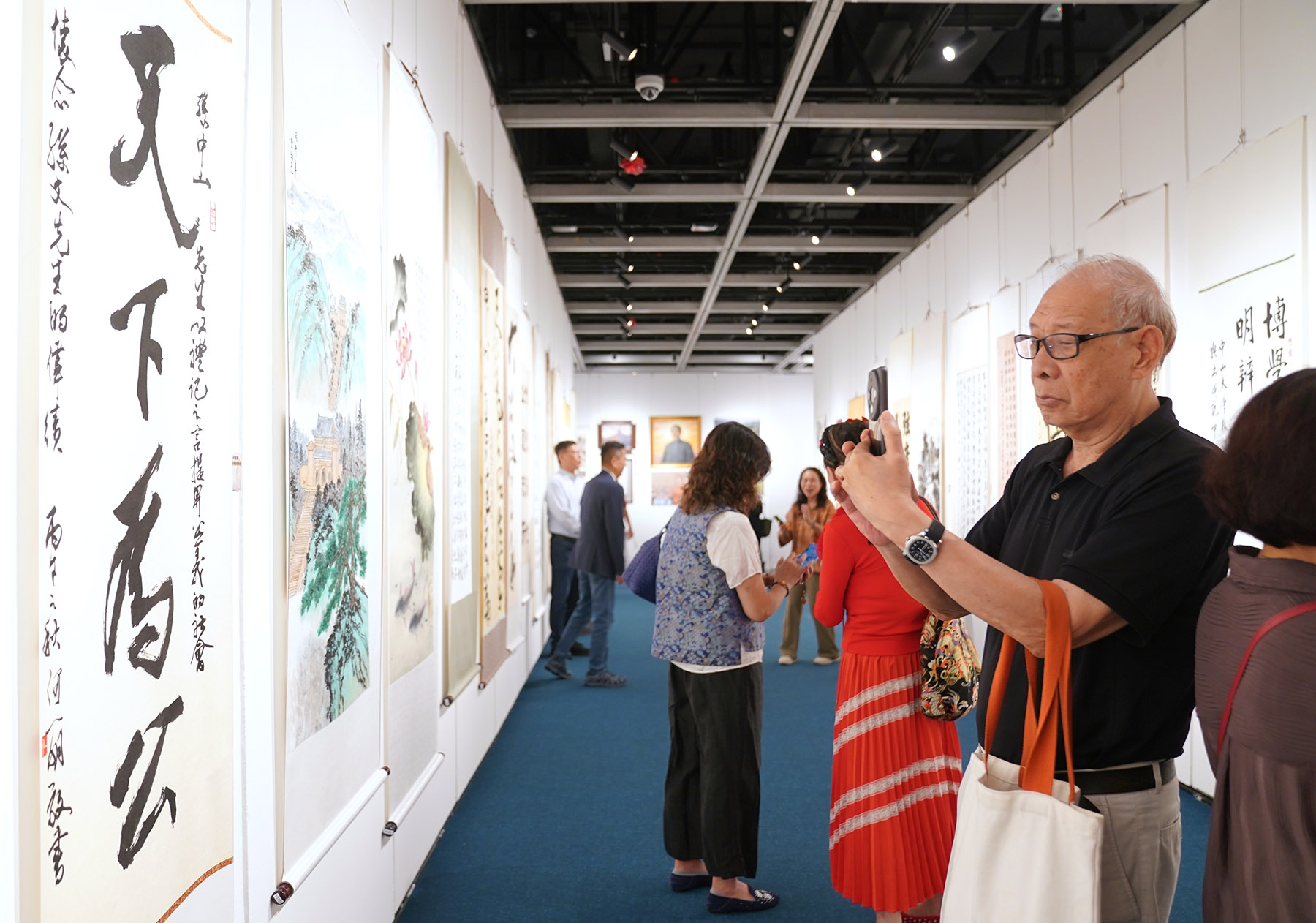
In November, the mainland organized a series of commemorative activities for Sun's 160th birth anniversary, including an archival exhibition on Sun and Taiwan, and a joint calligraphy event in Beijing.
The National Committee of the Chinese People's Political Consultative Conference will hold a high-profile commemorative meeting on Thursday, bringing together representatives to honor Sun's legacy and advance national reunification.
A youth exchange will be held in Guangzhou, Guangdong province, from Nov 12 to 16, where cross-Strait scholars and young media professionals will participate to document their journey in Sun's footsteps.
Lai Zhongxiong, chairman of the Fujian Society for Sun Yat-sen Research and a professor at Fujian Agriculture and Forestry University, said that commemorations of Sun hold profound practical significance for advancing national reunification.
ALSO READ: Sun Yat-sen historical relics exhibition opens in Hong Kong
"Sun remains a historical giant profoundly venerated by compatriots on both sides of the Taiwan Strait," Lai said. "His lifelong pursuit of national independence, prosperity, and rejuvenation forms the bedrock of our shared memory."
Despite deliberate attempts by certain political factions on the island to sever cultural ties through a "de-Sinicization" agenda, Lai said that honoring Sun serves as a powerful reminder of their inalienable historical roots, cultural bonds and shared national sentiments.
"Sun's uncompromising quest for national unity offers insights for today's cross-Strait ties," Lai said, noting that as families sharing ancestral roots, compatriots must step up exchanges to expand common interests.
The essence of national reunification is not about manufacturing new divisions, but rather about erasing legacy estrangements and ensuring compatriots on both sides jointly share future development dividends, he said.
Reflecting on China's historic strides, Lai said that Sun's vision of reviving China is turning into a reality, urging both sides to seize the historic opportunity to pursue a peaceful future of reunification.
Contact the writers at zhangyi1@chinadaily.com.cn
