

Pressures of living — social, economic and academic stress — have exerted an enormous toll on young Hong Kong people, who sometimes resort to taking their own lives. As William Xu reports, the city’s high suicide rate among students has triggered alarm bells, necessitating joint action in the community to plug it.
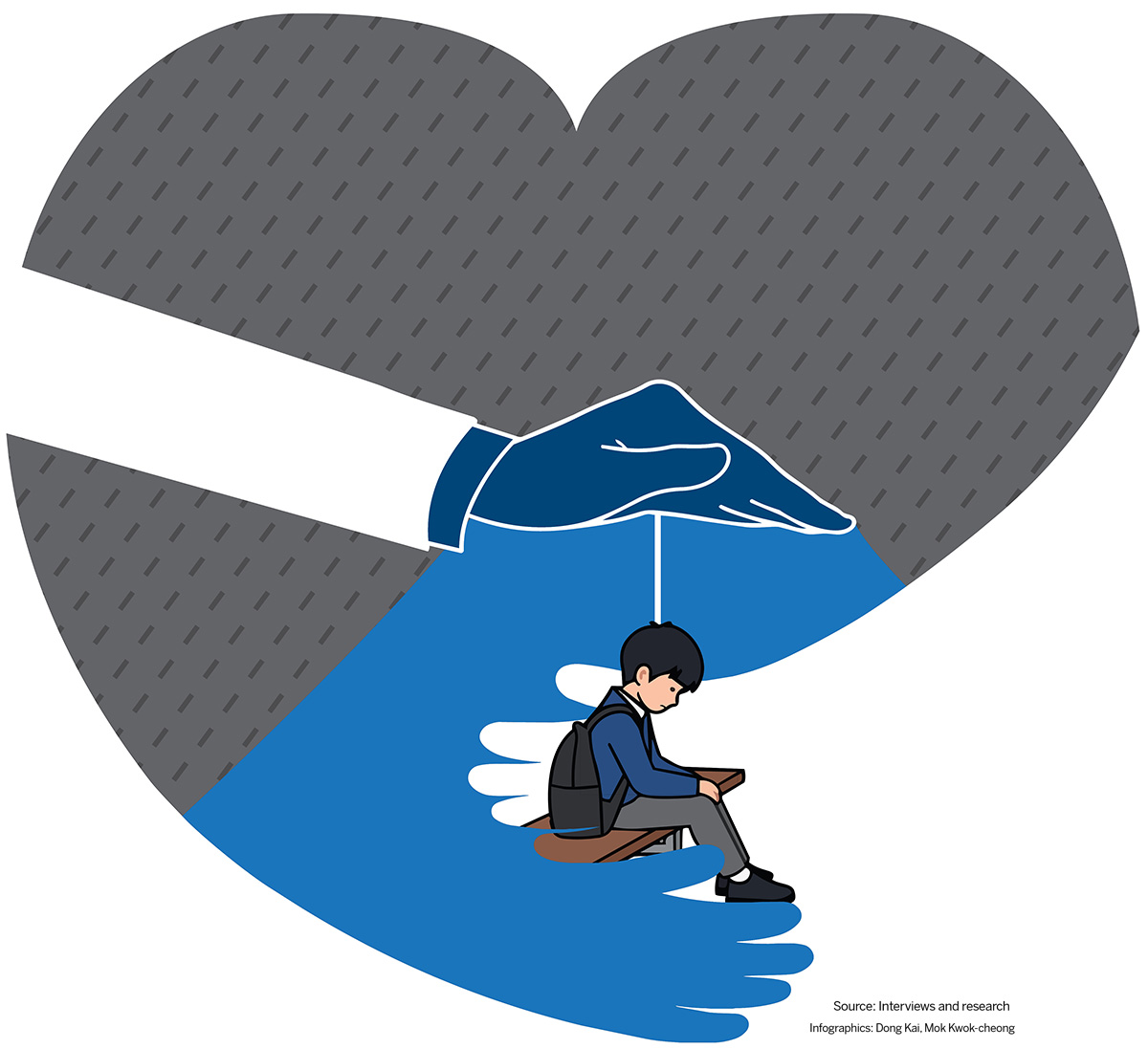
The growing suicide rate among young Hong Kong students is disturbing — a trend that demands immediate joint action by the community to tackle the root of the problem.
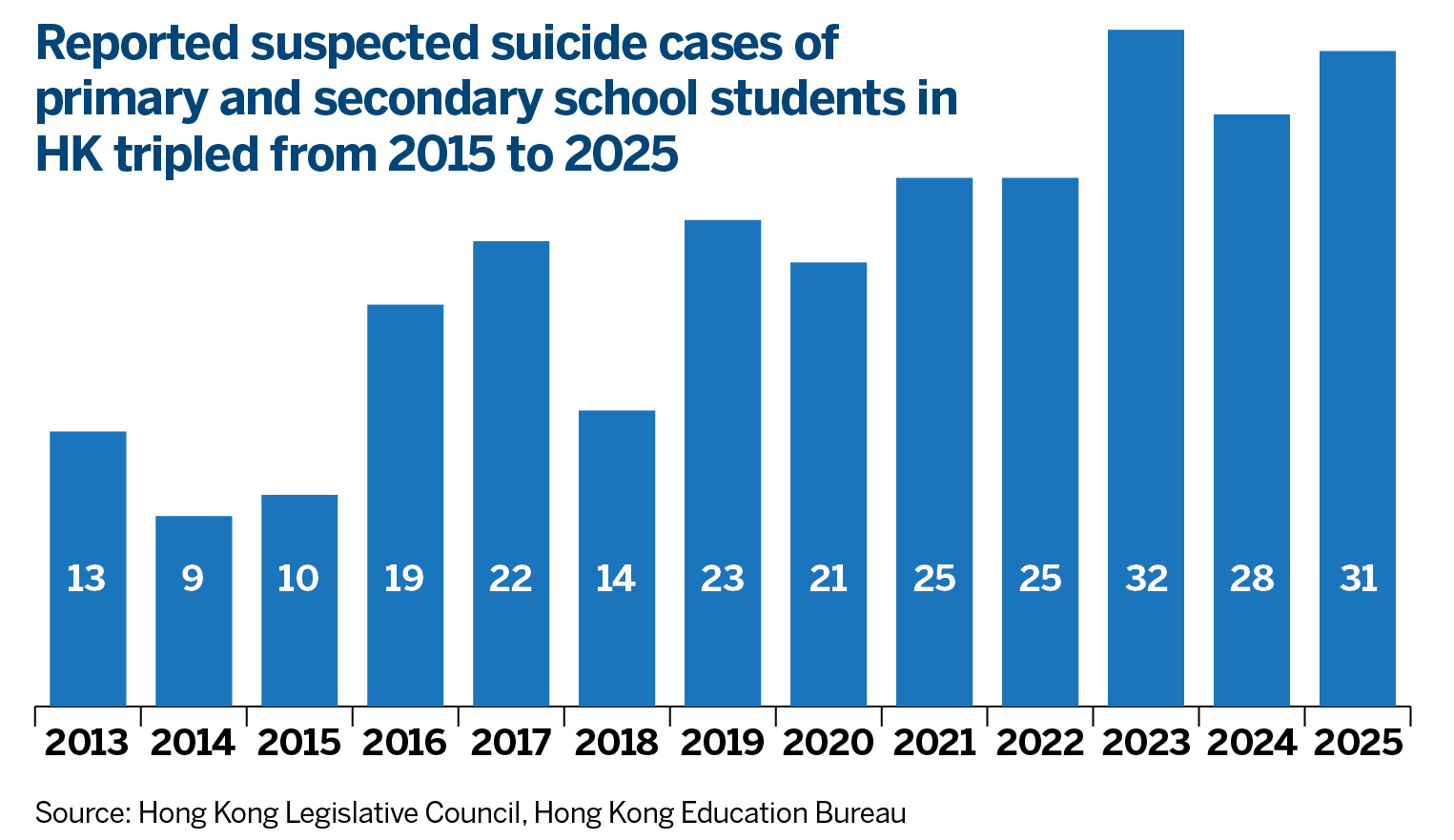
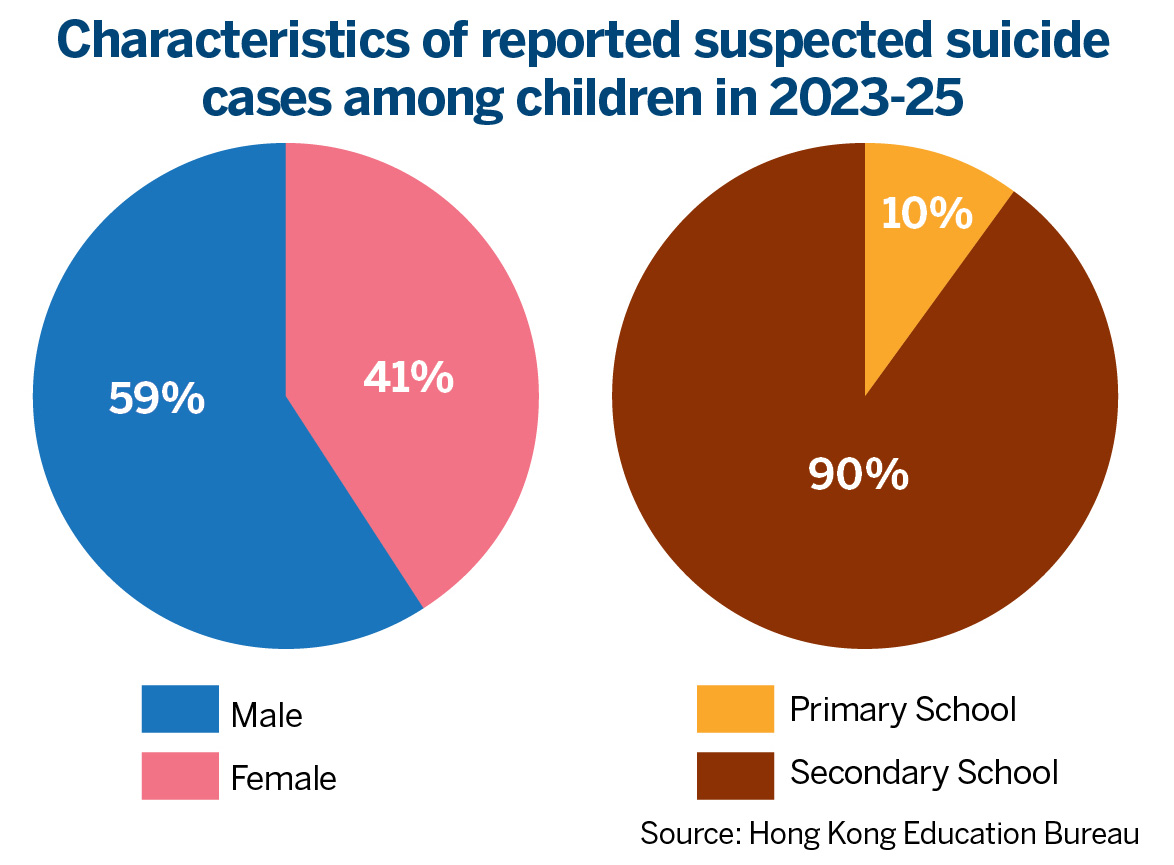
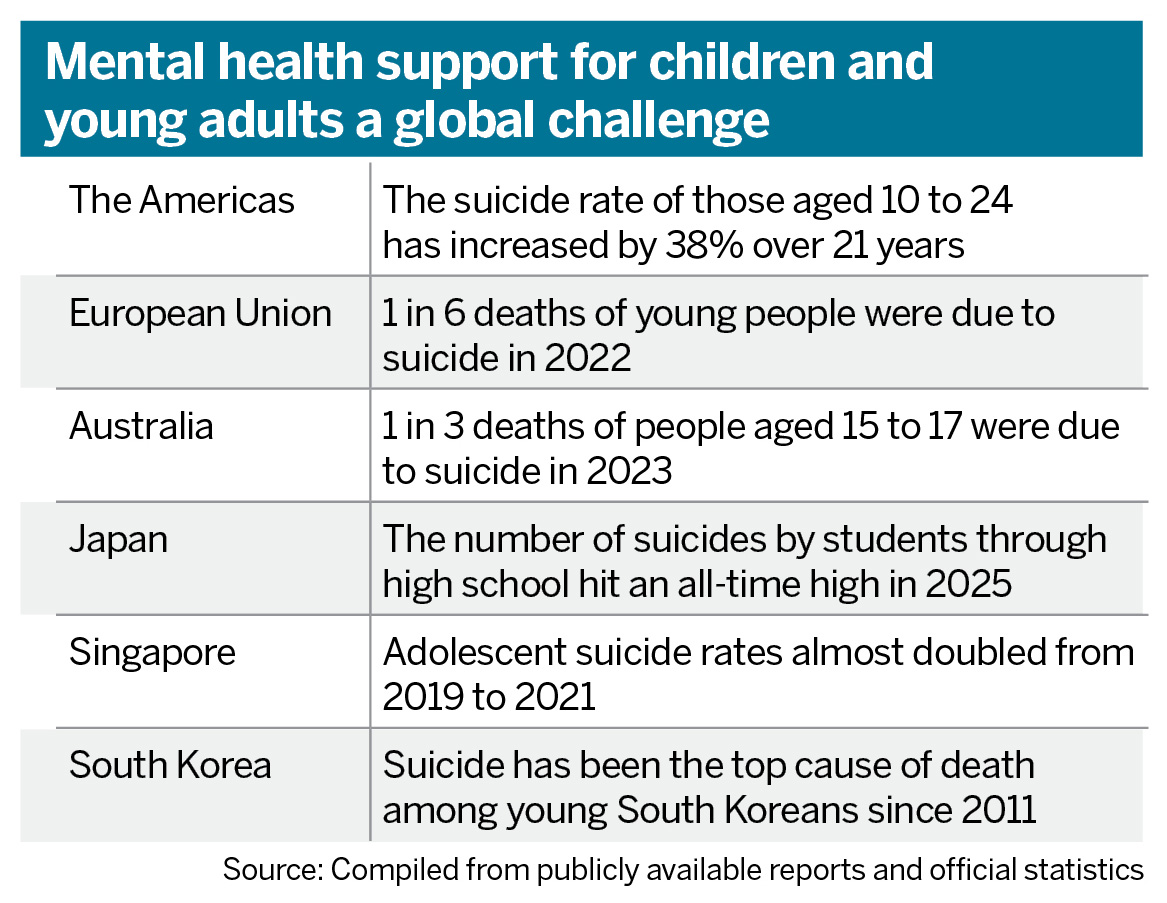
Statistics show that Hong Kong has lost a student to suicide every 12 days on average over the past three years. Early this month, within the first two weeks of the new school term, the city logged at least seven student suicides and attempts, leaving four dead. The Samaritan Befrienders Hong Kong — a nongovernmental organization running Chinese and English hotlines to prevent suicides — says the city in 2025 recorded its lowest suicide rate in six years, but the rate among children and teenagers has sharply increased by 30 percent.
READ MORE: Youth suicide rate triggers concern
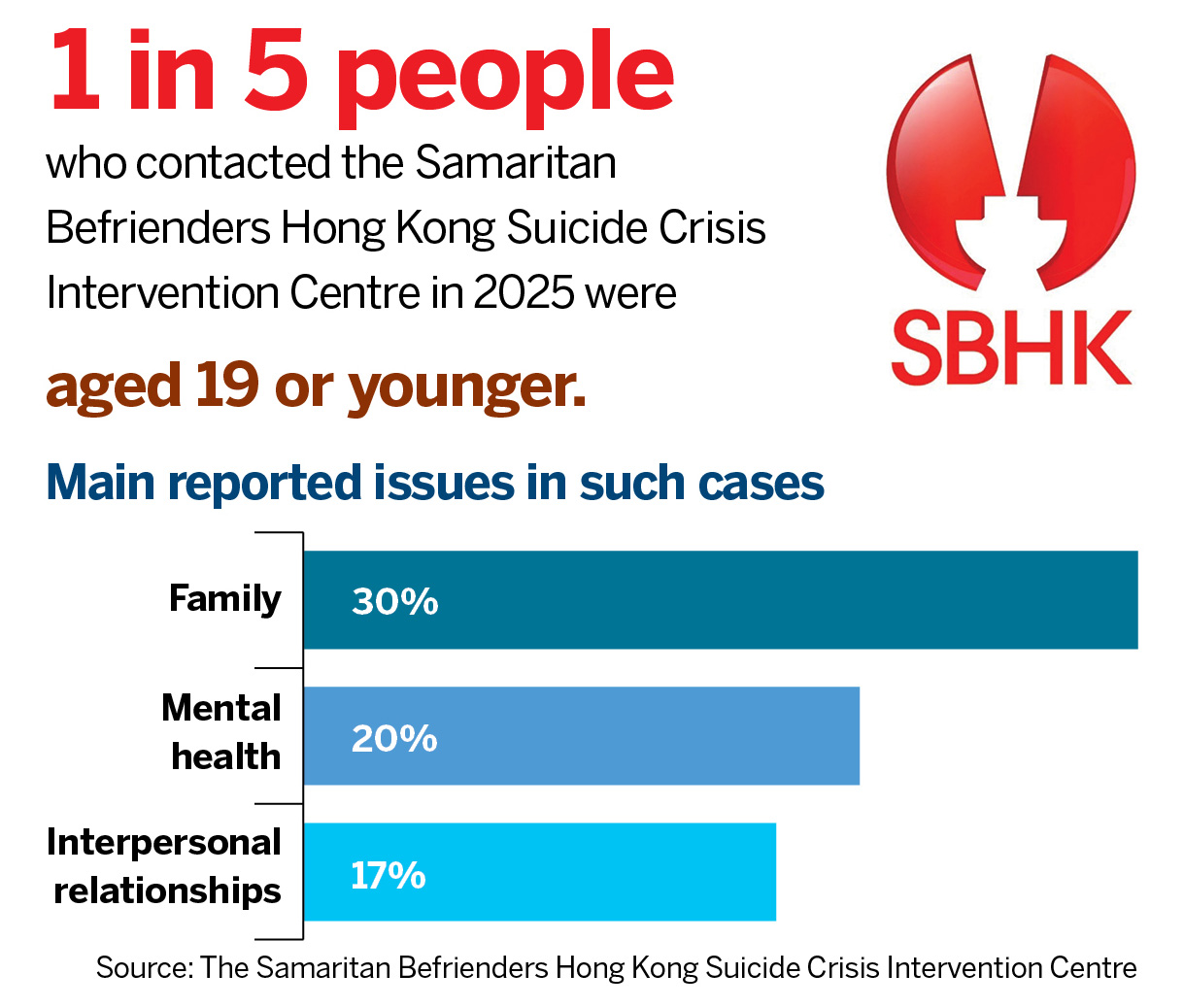
Mental health issues are no longer a hidden struggle among children. From 2013 to 2015, the city saw an average of 10 student suicides annually, with the figure having tripled to 30 in the past three years. Last year alone, one in five people who sought help for suicide-related problems at the Samaritan Befrienders Hong Kong Suicide Crisis Intervention Centre was aged 19 or below.
Even beyond extreme tragedies like suicides, the broader landscape of school-aged children’s mental health paints a grim picture. A survey conducted by The Chinese University of Hong Kong between 2019 and 2023 showed that among 6,082 in-school respondents, aged between six and 17, around a quarter of them had suffered from at least one mental disorder problem, including inability to concentrate, hyperactivity disorder, anxiety and depression. Up to 8.4 percent of secondary school students interviewed admitted they had suicidal ideation, and 2.3 percent had tried to end their lives.
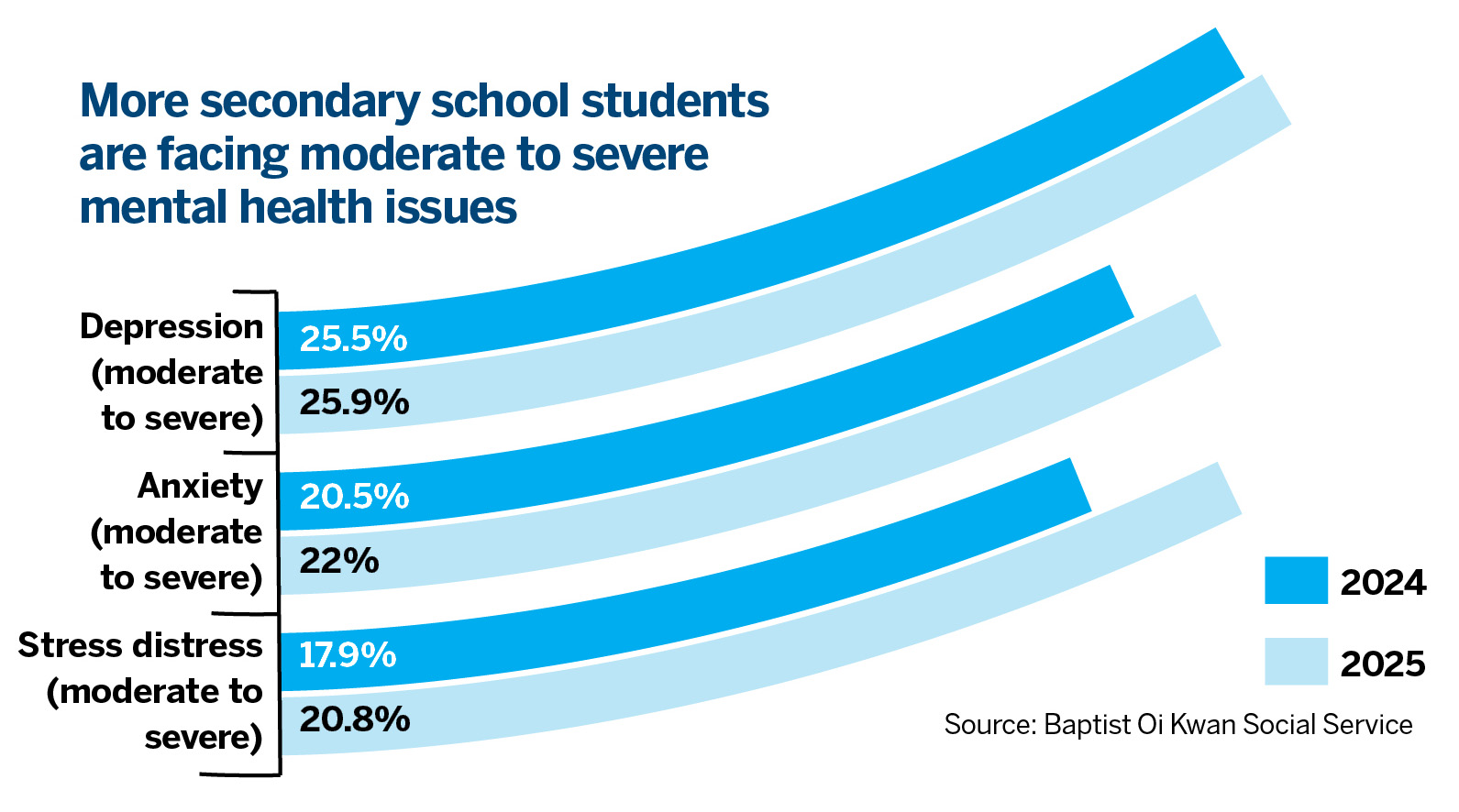
A 2024 study revealed that the proportion of students exhibiting moderate or higher levels of stress, anxiety and depression stood at 17.9 percent, 20.5 percent and 25.5 percent, respectively. All these figures headed north last year.
As alarm bells toll across Hong Kong’s classrooms, the authorities, educators and psychologists have gone all out to widen the safety net. A string of initiatives is in place to enhance early intervention and support caregivers, while experts and scholars work to mitigate stress factors, analyze the digital effect on children, and promote a cultural shift — a community-wide vigilance in which emotional problems can be detected.
Mounting stresses
Studies, family complications and interpersonal relationships have been highlighted in surveys as key causes of emotional stress among students.
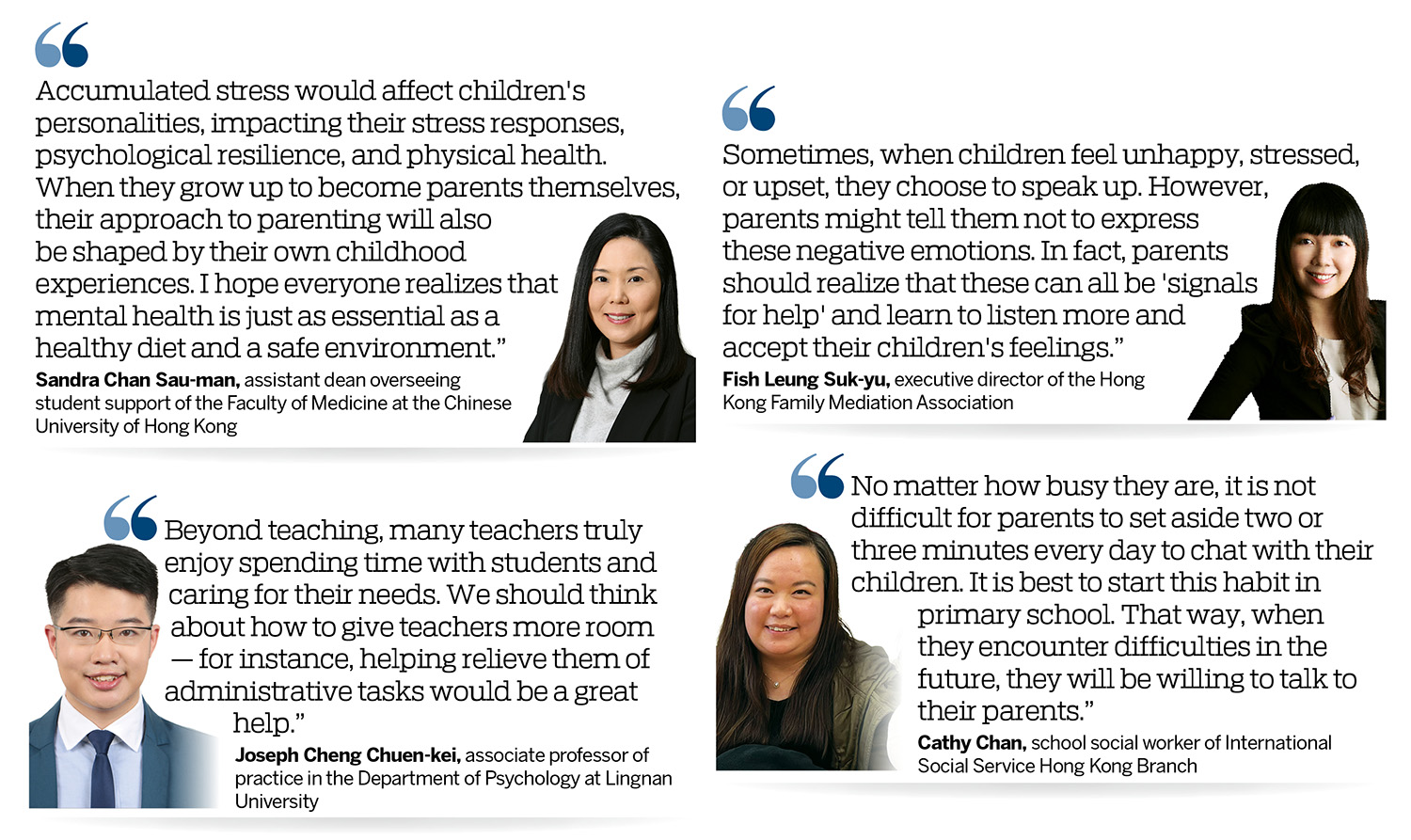
Joseph Cheng Chuen-kei — an associate professor of practice at Lingnan University who has handled stress cases among young people — notes that besides everyday anxieties, such as poor examination scores, stress has increasingly stemmed from the institutional level. He observes that Hong Kong’s population decline has led to a severe drop in student enrollment in recent years, leaving many schools facing the inevitable threat of having to put up the shutters. Desperate to survive, some schools reportedly forced students to strive for stellar academic results, leveraging their performance as a marketing draw.
Economic pressures have further amplified tensions at home, warns Cheng, as frequent conflicts in families have forced adults’ anxieties onto their children.
The lockdowns and class disruptions during the COVID-19 pandemic had also stunted the development of children’s interpersonal skills. “They experienced a social void during their crucial formative years,” explains Cheng, noting this has been glaringly apparent even years later.
The Hong Kong Special Administrative Region government created an interdepartmental task force in 2017 dedicated to curbing suicides among youth. A report released a year later by the group identified bolstering social worker support as a paramount measure.
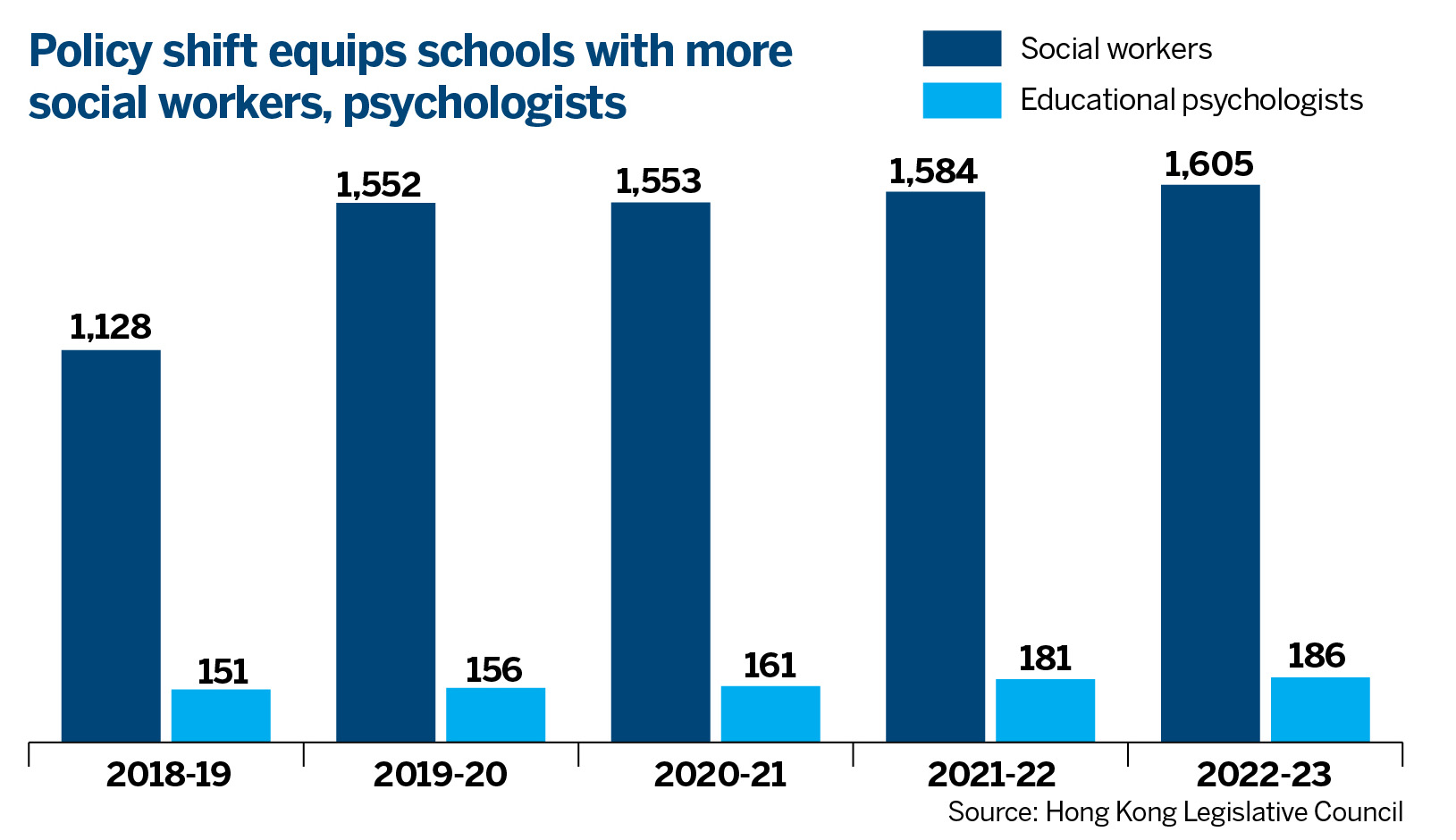
This led to a crucial policy shift from the 2018-19 academic year when the authorities began rolling out resources to ensure that every public primary school, involving more than 70 percent of all of the city’s primary schools, had at least one registered social worker. The measure was soon expanded to all public secondary schools, mandating a minimum of two on-site social workers on each campus.
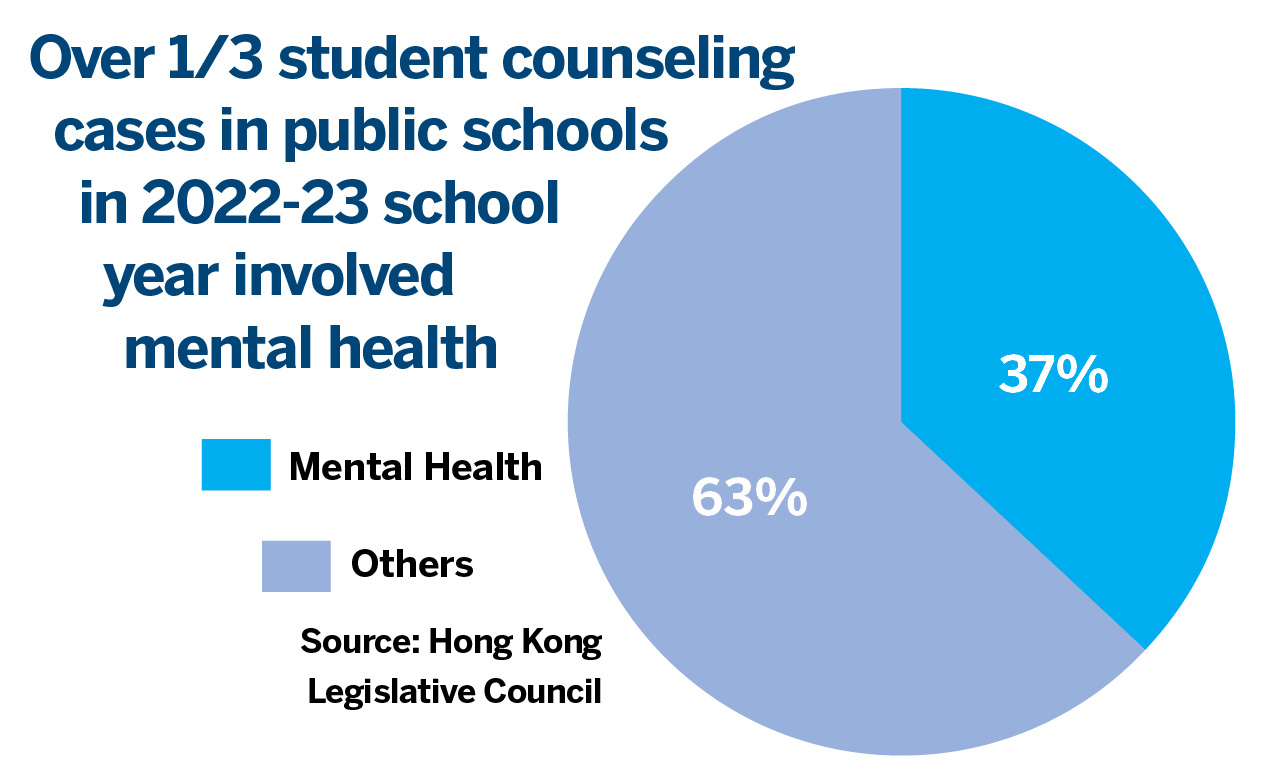
At the start of the 2022-23 school year, the number of social workers stationed in public schools had reached 1,605 — a 42-percent jump, compared with 2018-19. The number of educational psychologists, who visit schools regularly to help formulate policies on special education needs and offer professional support to teachers and students on campus, also went up — by 23 percent to 186 — during the same period.
Cathy Chan — a seasoned social worker from the International Social Service Hong Kong Branch attached to NTHYK Tai Po District Secondary School — says that students grappling with psychological distress in the past tended to act out disruptively. Today, however, their behavioral warning signs have become alarmingly covert. Instead of outward rebellion, troubled youths are increasingly internalizing their struggles — isolating themselves at home or slipping into chronic absenteeism.
“While cutting themselves physically had been the prevalent method of self-harm among young people in the past, new forms like banging their heads against the wall or objects, and taking drug overdoses are commonplace,” she says.
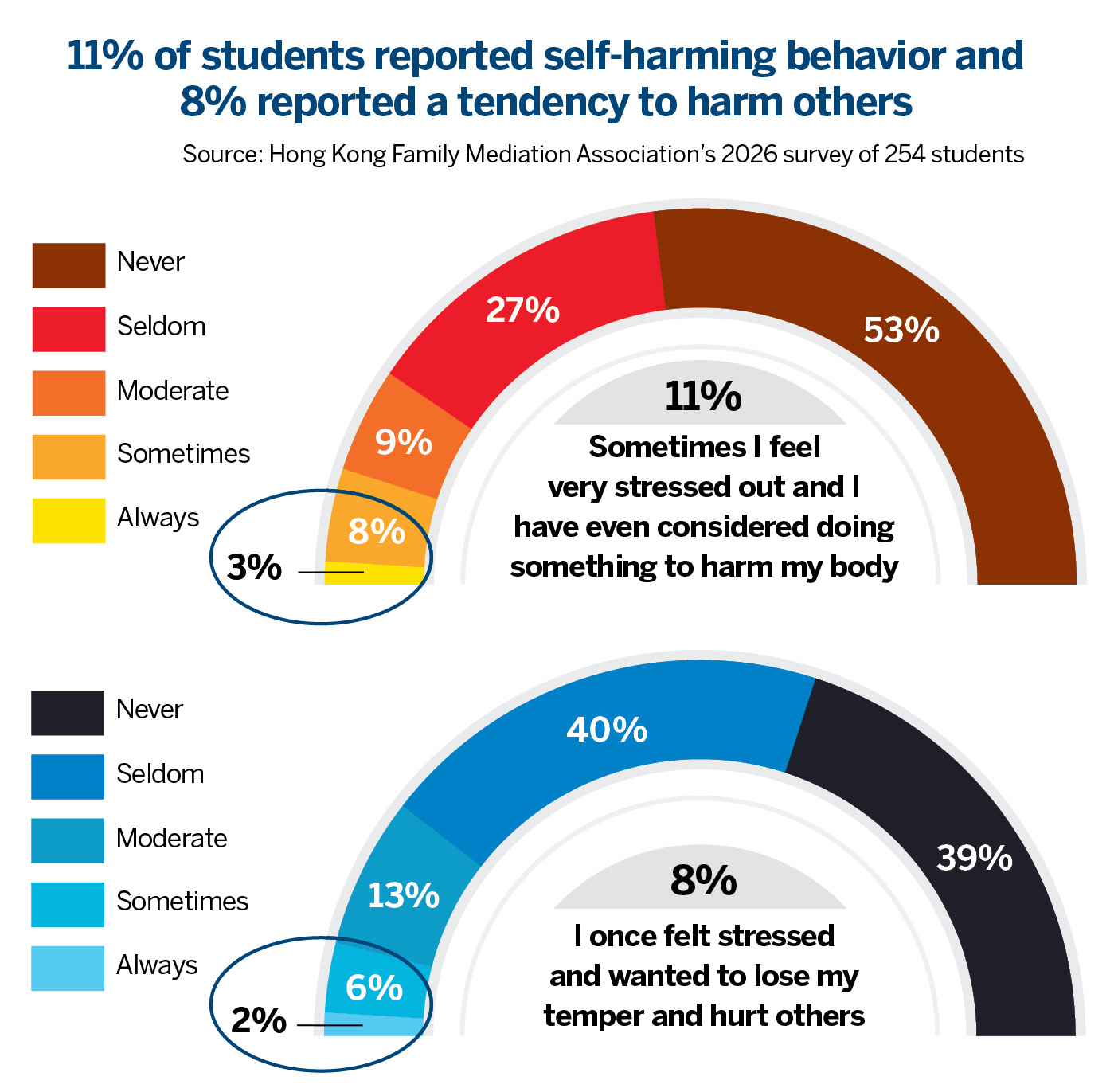
According to a survey conducted by the Hong Kong Family Mediation Association and Junior Chamber International Lion Rock, 11 percent of schoolchildren had reported instances of self-harm, while 8 percent showed an inclination to harm others.
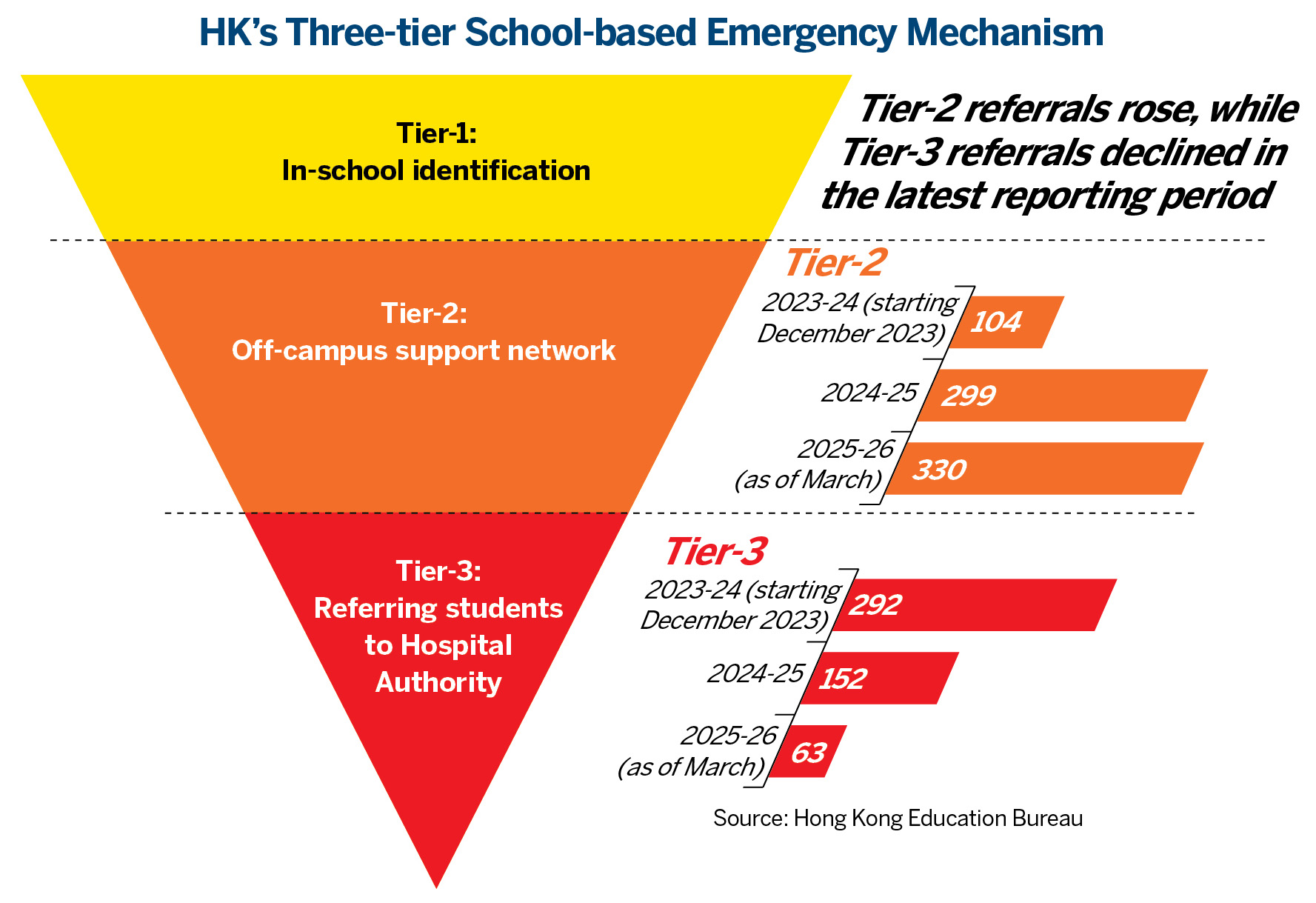
To enhance early detection and stop emotional distress from spiraling into life-threatening crises, the HKSAR government implemented a three-tier, school-based emergency mechanism for secondary schools in the 2023-24 academic year. The framework is aimed at building an escalating intervention net. The first tier of action involves stepping up training for teachers, school social workers and parents, and helping frontline caregivers to spot high-risk warning signs before they turn fatal.
If an at-risk student requires further intervention, the second tier would tie them to a network of off-campus community support services. The most critical intervention occurs at the third tier that grants school principals the authority to refer students directly to the Hospital Authority’s psychiatric specialist services through a dedicated channel, drastically cutting down waiting times for treatment.
“With this system, our most high-risk cases can get expedited access to psychiatric assessments without getting bogged down in long waiting times,” says Chan. More importantly, the framework clearly delineates the division of labor among principals, teachers and social workers, offering a cohesive and systematic blueprint for crisis management.
Disconnect at home
The HKFMA poll also found that 22 percent of students said their parents failed to recognize their emotional stress, while nearly 12 percent of parents admitted to having missed the warning signs.
“Many students feel isolated and unsupported, believing their parents only care about academic performance or their younger siblings, while neglecting their emotional needs and household burdens,” says HKFMA Executive Director Fish Leung Suk-yu. “This ultimately leaves them with a profound sense of being redundant.”
Chan says today’s youth expect communication in an equal and respectful manner. However, for parents entrenched in their roles as primary caregivers and focused on providing basic daily necessities, achieving equal dialogues can be incredibly challenging.
Sandra Chan Sau-man — assistant dean overseeing student support of the Faculty of Medicine at the Chinese University of Hong Kong — is among those who organized a survey the university carried out between 2019 and 2023. The poll showed that almost half of caregivers they spoke to, despite having noticed clinical psychiatric symptoms in children under their supervision, were reluctant to seek professional help. Many downplayed the severity of the problems, while others were paralyzed by the fear of social stigma or simply unaware of the available avenues for support, she says.
The family’s role as a foundational safety net has been severely eroded by the relentless exhaustion of two-income households and the cultural hurdles faced by new immigrant families, the professor notes.
Help the helpers
Cheng says he believes the emotional health of teachers themselves is also a hidden factor concerning students’ psychological well-being. Hong Kong’s basic education sector has further been hit by a brain drain for years, burdening on-duty teachers with excessive workloads — a major stress for mental health.
Teachers experiencing emotional burnout would lose control, yell, or berate in the classroom, traumatizing students, says Cheng. He suggests that schools hire more administrative staff to help teachers handle the huge loads of paperwork. This would save teachers’ time, allowing them to spend more time with students to understand their psychological conditions and identify potential problems.
The Education Bureau is providing face-to-face counseling services and a hotline to help teachers cope with work stress and mental health problems. From the 2023-24 school year, the bureau has commissioned nongovernmental organizations or tertiary institutions to offer courses on physical and mental health for teachers, covering topics like mental health, expressive arts, mindfulness and physical health.
Various training programs are offered to parents through campus activities. Leung says workshops can allow parents play a role in relieving their children’s emotional problems. She hopes to see more professionals guiding parents in resolving family conflicts, thereby raising the quality of family education.
To rebuild the home as a foundational safety net, Sandra Chan calls for parents to engage in mindfulness training to help them better regulate their own emotional well-being and, ultimately, foster healthier parent-child interactions.
When arguments do arise, Cathy Chan suggests that parents go all out to ease tensions, guide emotional expressions and locate points of empathy. She calls the process one that can accumulate “emotional deposits”. Without the need for excessive talking, parents can simply sit down with children and engage in activities they enjoy. Even routine moments like sharing a meal or playing video games together can significantly foster stronger parent-child bonds, she says.
AI: 24-hour psychologist?
Encouragingly, the advent of artificial intelligence has opened a controversial, yet increasingly popular, door for children to express their emotional struggles.
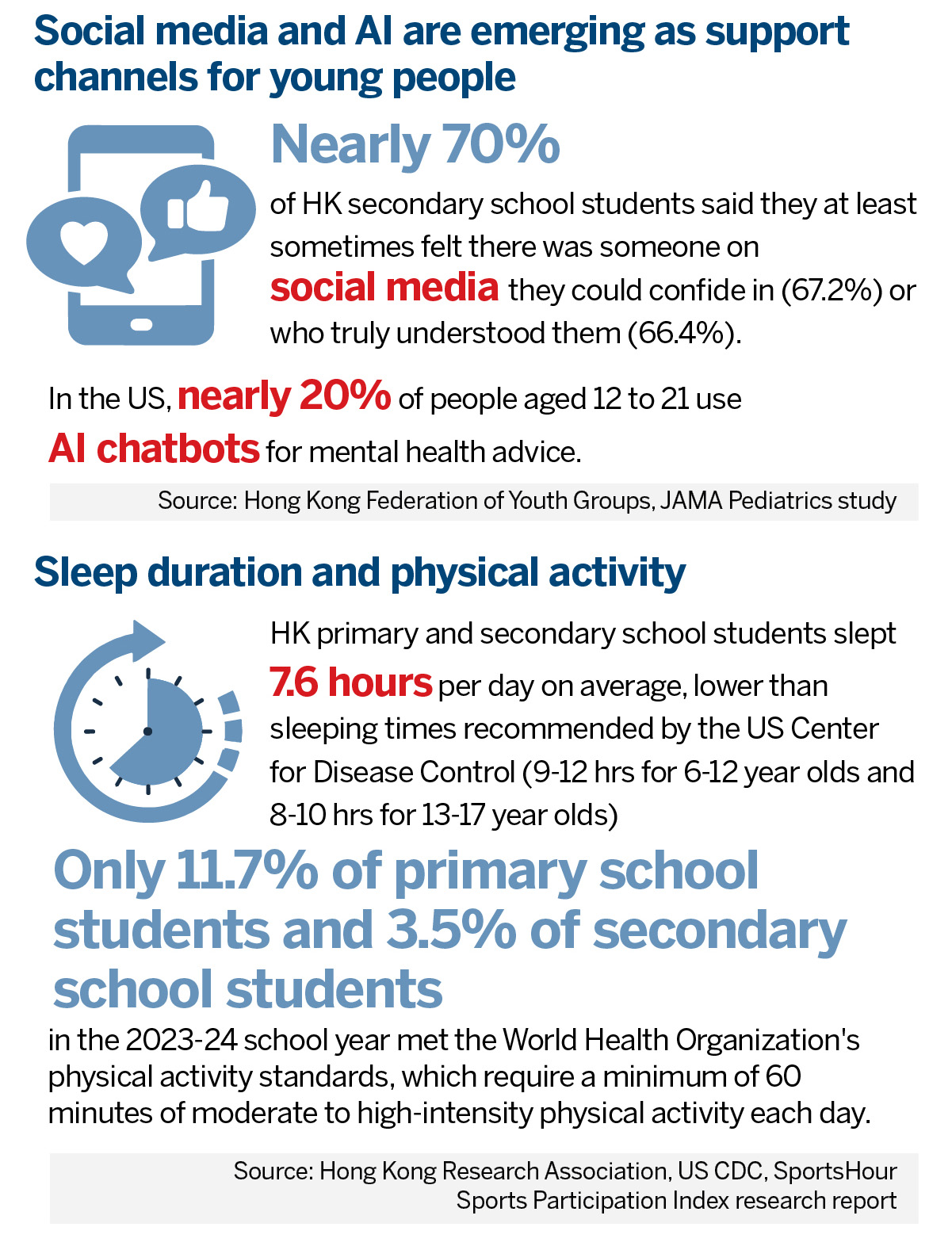
A survey in the United States has found that nearly 20 percent of youngsters aged 12 to 21, use AI chatbots for mental-health advice. Experts say the picture in Hong Kong may be similar, admitting the trend as irresistible, but people should be vigilant against misleading information provided by chatbots.
According to Cathy Chan, AI tools have emerged as a popular topic between herself and her students, and she and fellow social workers will tell students how to use them properly.
But, Cheng says the burden of verifying AI-generated information shouldn’t fall entirely on students’ shoulders. Instead, technology professionals must develop safe, clearly bounded AI tools to offer preliminary mental health advice. Teachers are obliged to educate students on using AI responsibly and fostering critical thinking so that they won’t blindly trust algorithmic outputs.
Leung sees AI responses as formulaic, devoid of the capacity to detect nuanced emotional changes or provide the personalized support characteristic of human counselors.
Mutual-assistance spirit
Chief Executive John Lee Ka-chiu announced in his 2026 Policy Address that the trial of the three-tier aid mechanism for Primary Four to Six students, which began in 2025-26, will be extended through the current school year. The Education Bureau will ramp up programs not only to equip parents and teachers with crisis-intervention skills, but also to safeguard the psychological well-being of frontline educators.
Targeted training to heighten the sensitivity of teachers, parents and students to emotional crises and foster a proactive help-seeking culture is essential in the long run, insists Sandra Chan. Schools, she says, must shift from merely focusing on academic results to cultivating inclusive environments that prioritize psychological safety.
ALSO READ: How can HK better support those in crisis?
She reveals that up to 90 percent of Hong Kong parents in non-ethnic Chinese families are still oblivious to their children’s psychological struggles, as the CUHK survey had found. She suggests providing tailored linguistic and cultural backing to break down ethnic segregation.
Creating a multidimensional psychological autopsy mechanism to prevent suicides among youth is also vital, says Sandra Chan. By integrating psychologists or social workers into death inquests, information can be gathered with greater empathy and professionalism, minimizing secondary trauma for grieving families, while uncovering critical insights for preventing suicides.
Children navigating these psychological storms are the adults of tomorrow, she says. Safeguarding their mental health is, ultimately, about protecting the future resilience of the entire community.
Next Actions
- Extending the three-tier suicide prevention mechanism to all primary school grades
- Safeguarding educators’ mental well-being
- Mending parent-child connections
- Guiding responsible use of artificial intelligence
- Building inclusive campuses
Contact the writer at williamxu@chinadailyhk.com
