

Chinese President Xi Jinping recently replied to students from 10 US universities who wrote to him after attending youth exchanges in China.
He said he hoped that the students would join the vast number of young people in both countries in striving to carry forward, uphold, and advance China-US friendly cooperation, and work together to foster mutual understanding and affinity between the two peoples and to ensure the steady and long-term development of bilateral relations, so as to contribute the vitality of youth to building a better world.
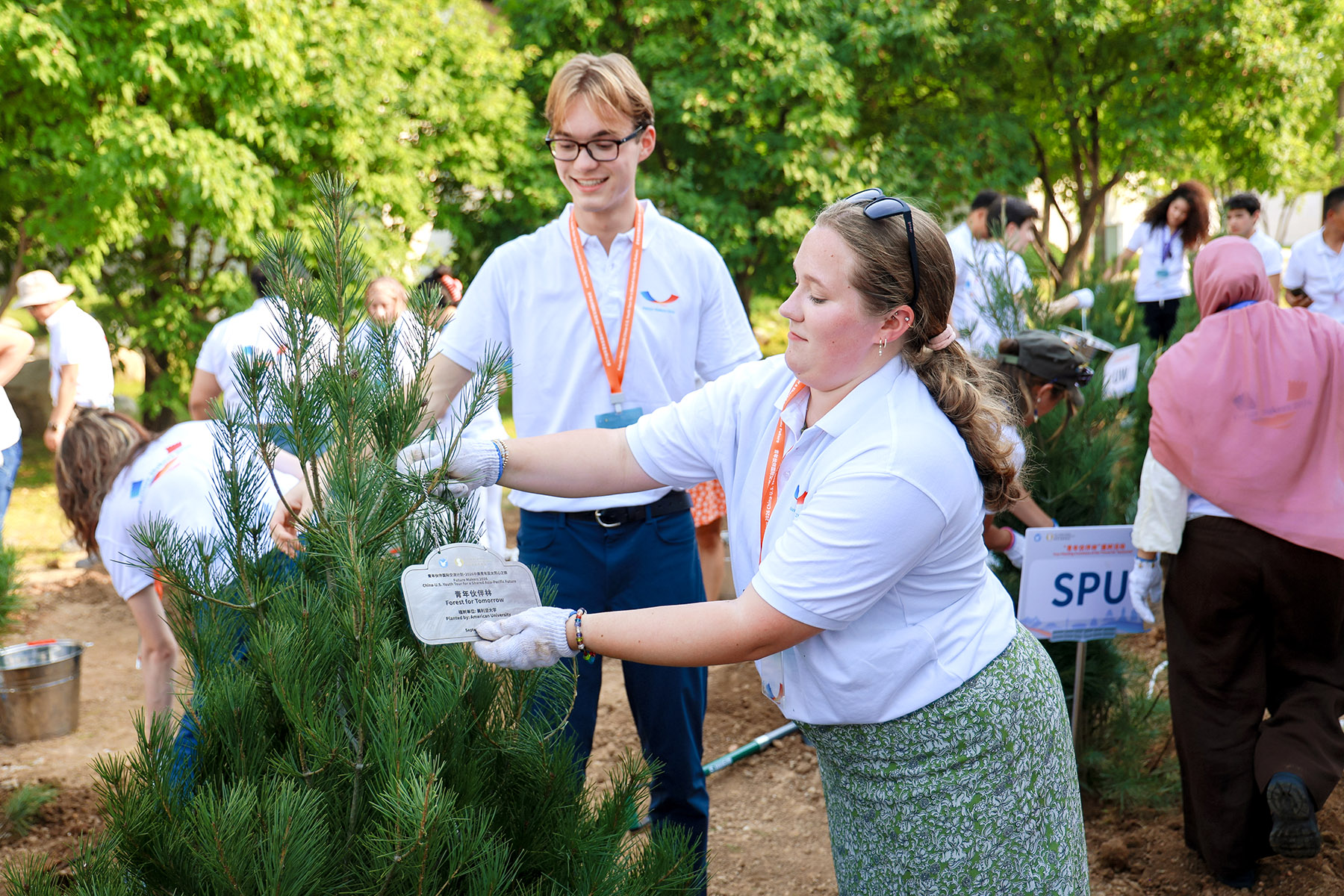
At Yanqi Lake in Beijing, young people from China and the United States tended newly planted Chinese white pines, capping a seven-day journey that included Confucian culture in Shandong province and cutting-edge robotics in the nation’s capital.
For 100 students from 10 US universities, the Future Makers 2026 China-US Youth Tour for a Shared Asia-Pacific Future offered encounters with ancient traditions, technological innovation and Chinese peers.
The program, held from Sept 1 to 7 and co-hosted by the Beijing NGO Network for International Exchanges and the Ng Teng Fong Charitable Foundation, also brought together 70 young people from Beijing and Shandong province.
Held as a civil-society side event during APEC’s “China Year” of 2026, the tour was aimed at promoting people-to-people exchanges between young people from China and the US. Through shared visits, the program offered participants opportunities to learn from one another, develop a more nuanced understanding of each other’s societies and build personal connections across borders.
The visit came amid continued support from the Chinese government for youth engagement and people-to-people exchanges with the US. Recent youth exchange programs have brought young people from both sides together to learn from one another, deepen mutual understanding and forge friendships through direct experience.
For many participants, the journey was shaped as much by conversations with their Chinese peers as by the places they visited.
Students from Columbia University, Harvard University, the University of Chicago, the University of Washington and other universities joined their Chinese peers in field visits and exchange activities in Qufu — known for being the hometown of Confucius (551-479 BC) — and Beijing.
From Shandong to Beijing, the program combined visits to sites associated with Confucian culture and Chinese history with exchanges at technology and innovation venues.
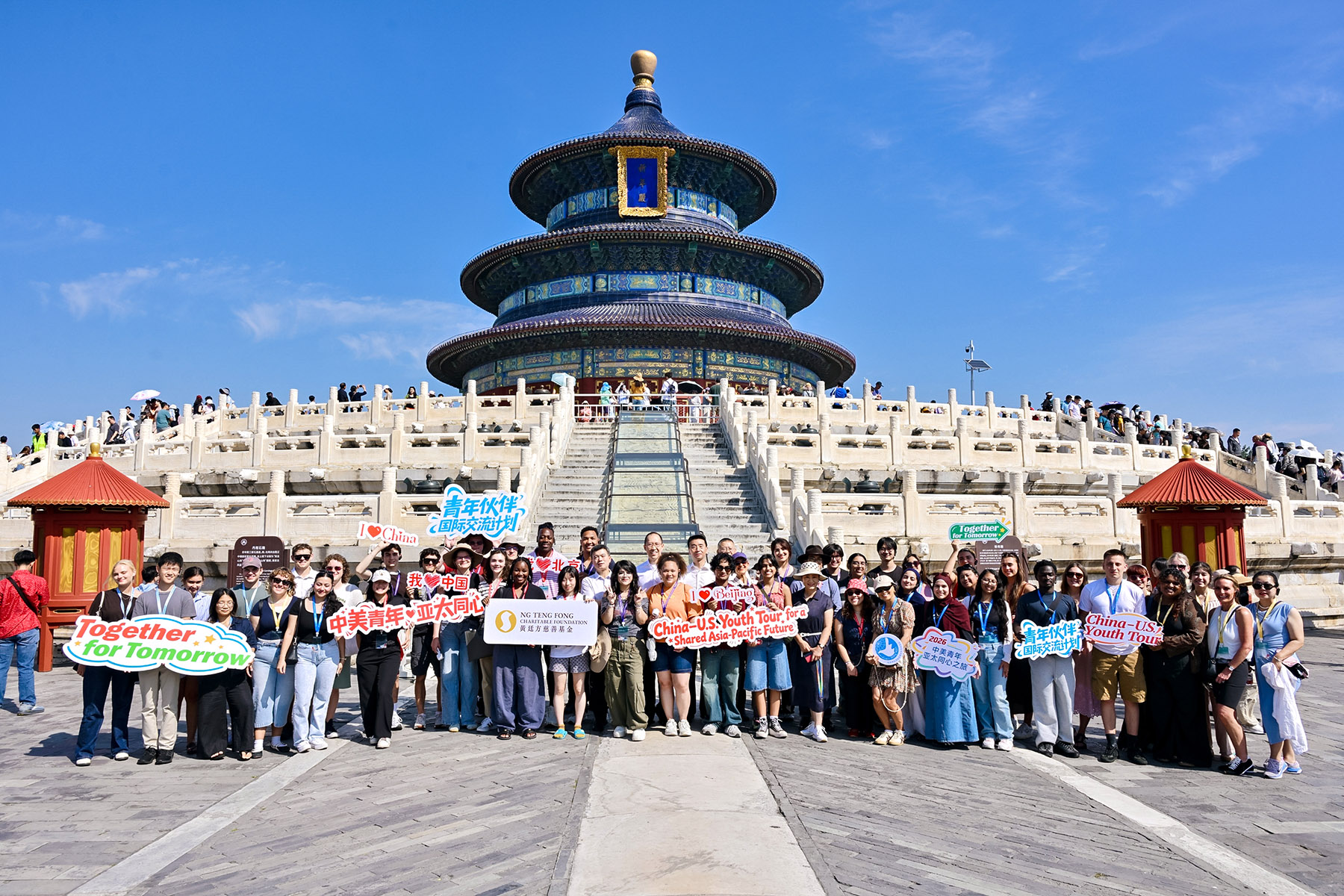
Daryl Ng Win-kong, director of the Ng Teng Fong Charitable Foundation and chairman of Sino Group, joined students during their visit to the Temple of Heaven in Beijing and shared a meal with them, engaging in informal dialogue.
He expressed his gratitude to President Xi for taking the time to respond to the students, describing the reply as a tremendous encouragement to both the organizers and participants. He also thanked the Beijing NGO Network for International Exchanges for its long-standing commitment to promoting international exchanges and creating opportunities for young people from diverse backgrounds to deepen mutual understanding. He said he was pleased to see many students sharing what they had learned and experienced during their visit after returning home, helping to build a broader understanding of China among their peers. He added that the Foundation would continue to support youth exchanges and meaningful dialogue, using Hong Kong’s unique position as a super-connector to foster greater international engagement.
Tradition, tech and dialogue
The program began in Shandong, where US students attended the opening ceremony of the Asia-Pacific Civil Society Conference and explored the cultural legacy of Confucius in Qufu. They then visited Nishan Sacred Land, the Confucius Temple, Confucius Mansion, and the Confucius Museum, and engaged in cultural exchanges with students from Qufu Normal University.
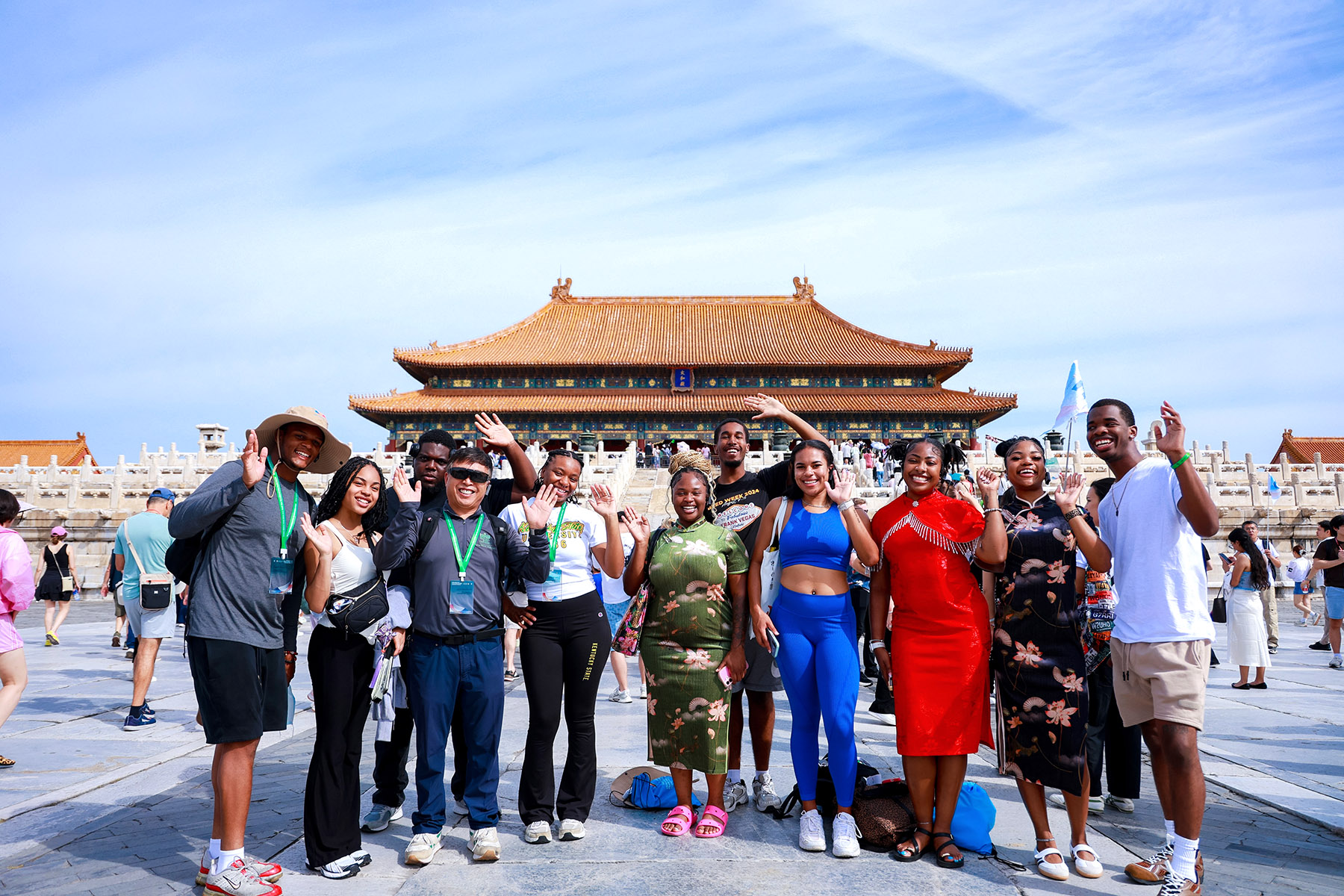
After traveling to Beijing by high-speed rail, the delegation visited the Palace Museum, the Temple of Heaven, and the Mutianyu Great Wall. The group also toured Beigou village in the Huairou district.
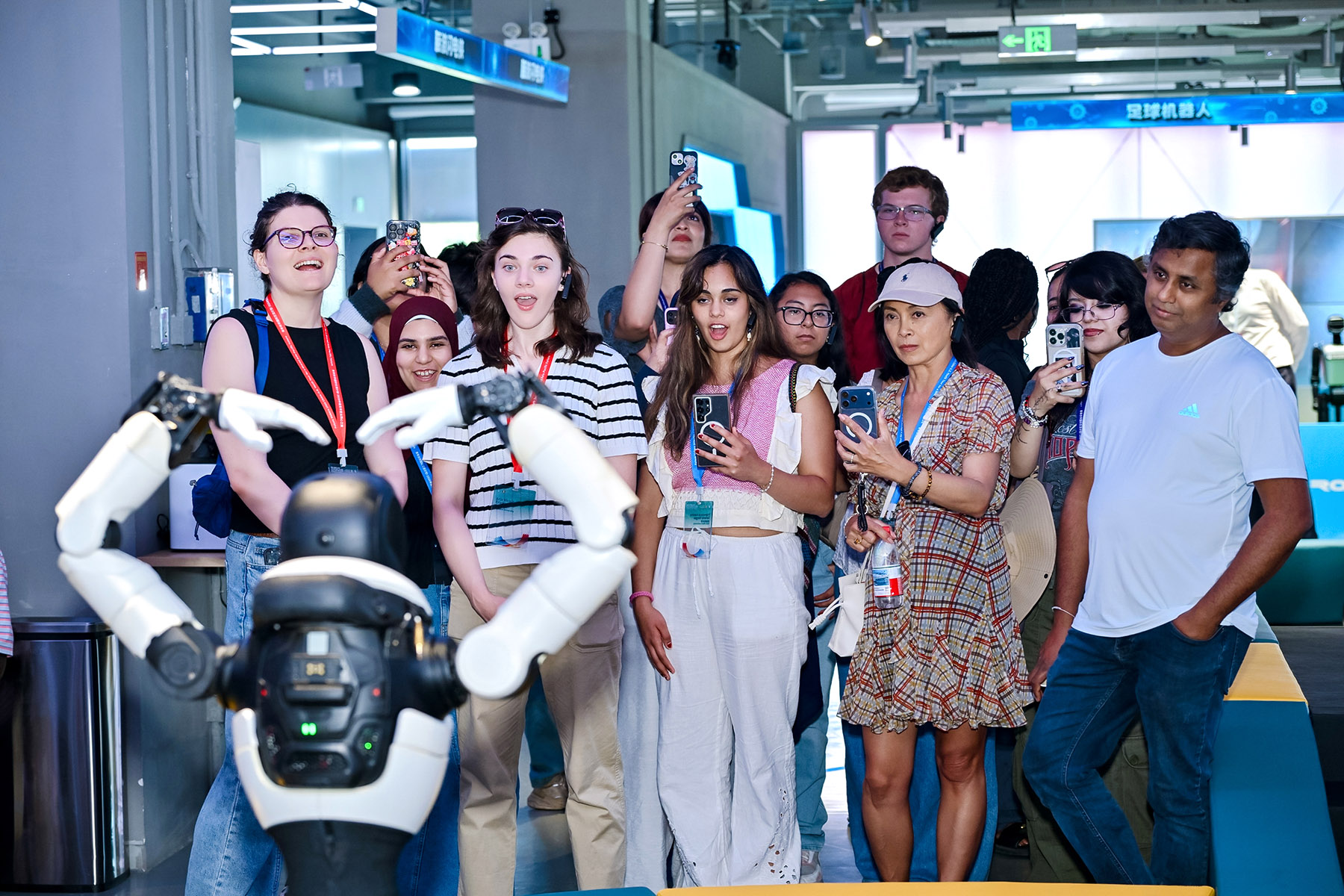
Participants visited Xiaomi’s factory, E-Town Robot World and the Beijing High-level Autonomous Driving Demonstration Zone in the Beijing Economic-Technological Development Area, where they learned about advances in manufacturing, robotics and autonomous driving.
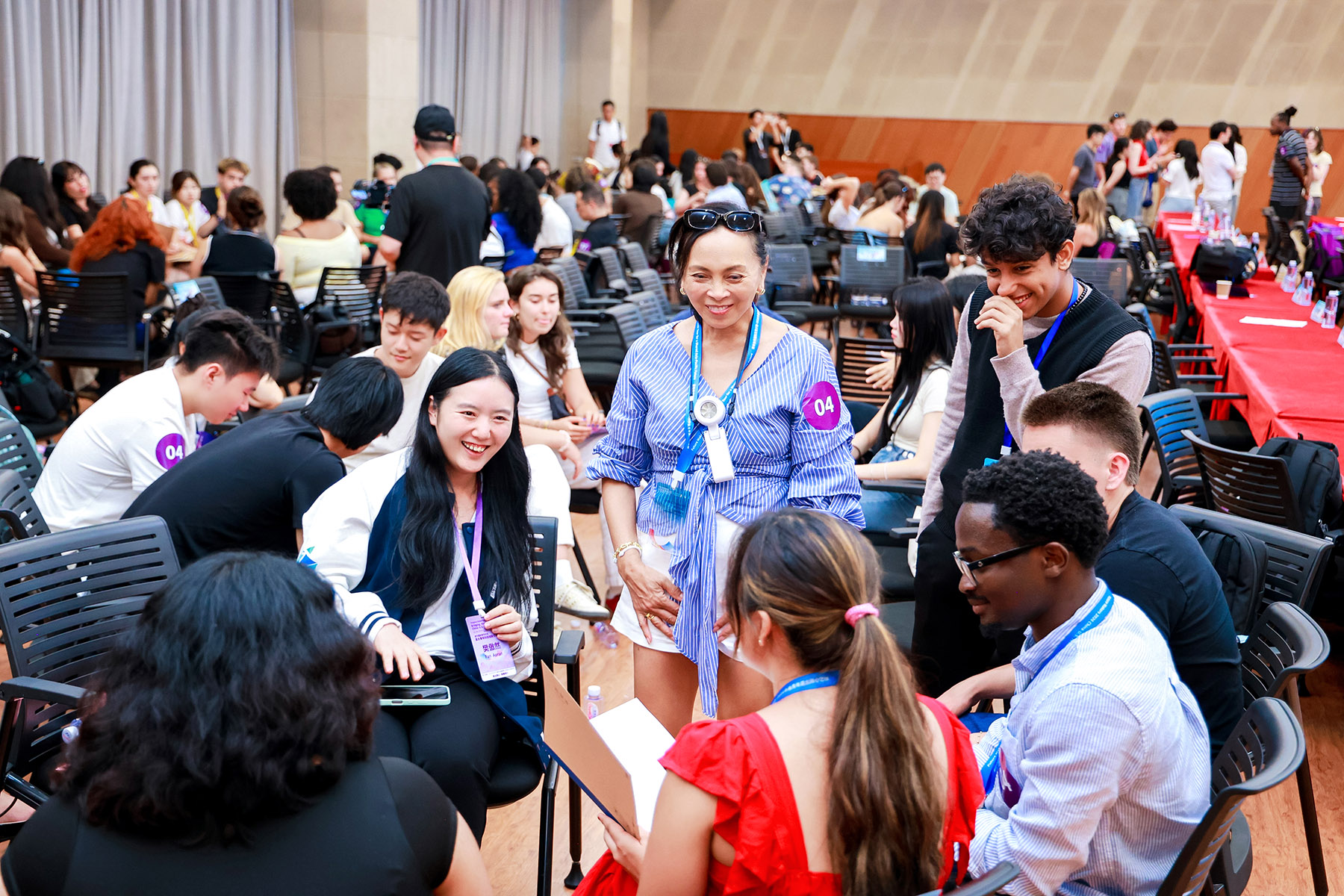
At the Fundamental Industry Training Center at Tsinghua University, Chinese and US students exchanged views on innovation and talent development in the Asia-Pacific region, adding to conversations that continued throughout the weeklong program.
Planting seeds for the future
The program concluded at Yanqi Lake in Beijing’s Huairou district, where participants planted Chinese white pines to create a “forest for tomorrow”, symbolizing friendship and shared aspirations.
The site was also the venue of the 22nd APEC Economic Leaders’ Meeting in 2014, when China last hosted this major regional economic forum. Twelve years later, the students gathered at the historic setting to mark the friendships and shared aspirations that had grown during their journey.
The activity also reflected China’s dedication to ecological conservation and green development, while giving the students a hands-on experience that reinforced their friendships.
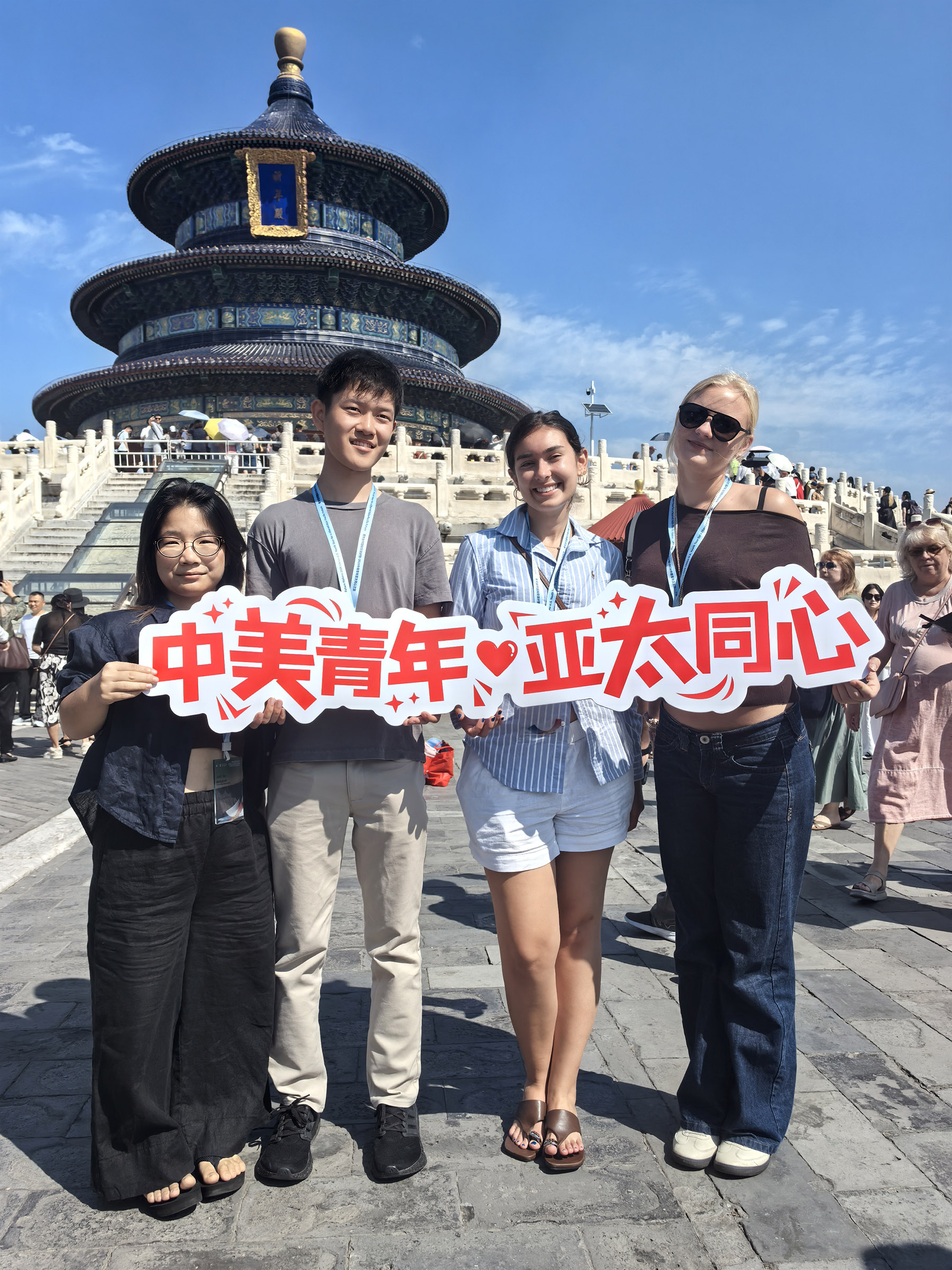
Through classroom discussions, shared meals and late-night conversations, participants said they had discovered common interests in pop culture, found they faced similar academic pressures and shared many of the same aspirations. Such exchanges, they said, had helped challenge assumptions and encouraged a more nuanced understanding of one another.
Grace, a student at Central Michigan University, said the trip had shown that meaningful connections can grow alongside cultural differences. “Even though we come from different countries, it has been amazing to see those differences and still build such strong connections,” she said.
The students agreed that the tour had strengthened their appreciation of open exchange and mutual respect. The friendships and conversations formed during the program, they added, showed how sustained youth exchanges can deepen mutual understanding, bring people closer and encourage further exchanges between China and the US.
