

More Chinese are choosing to live alone, reshaping spending and tourism habits
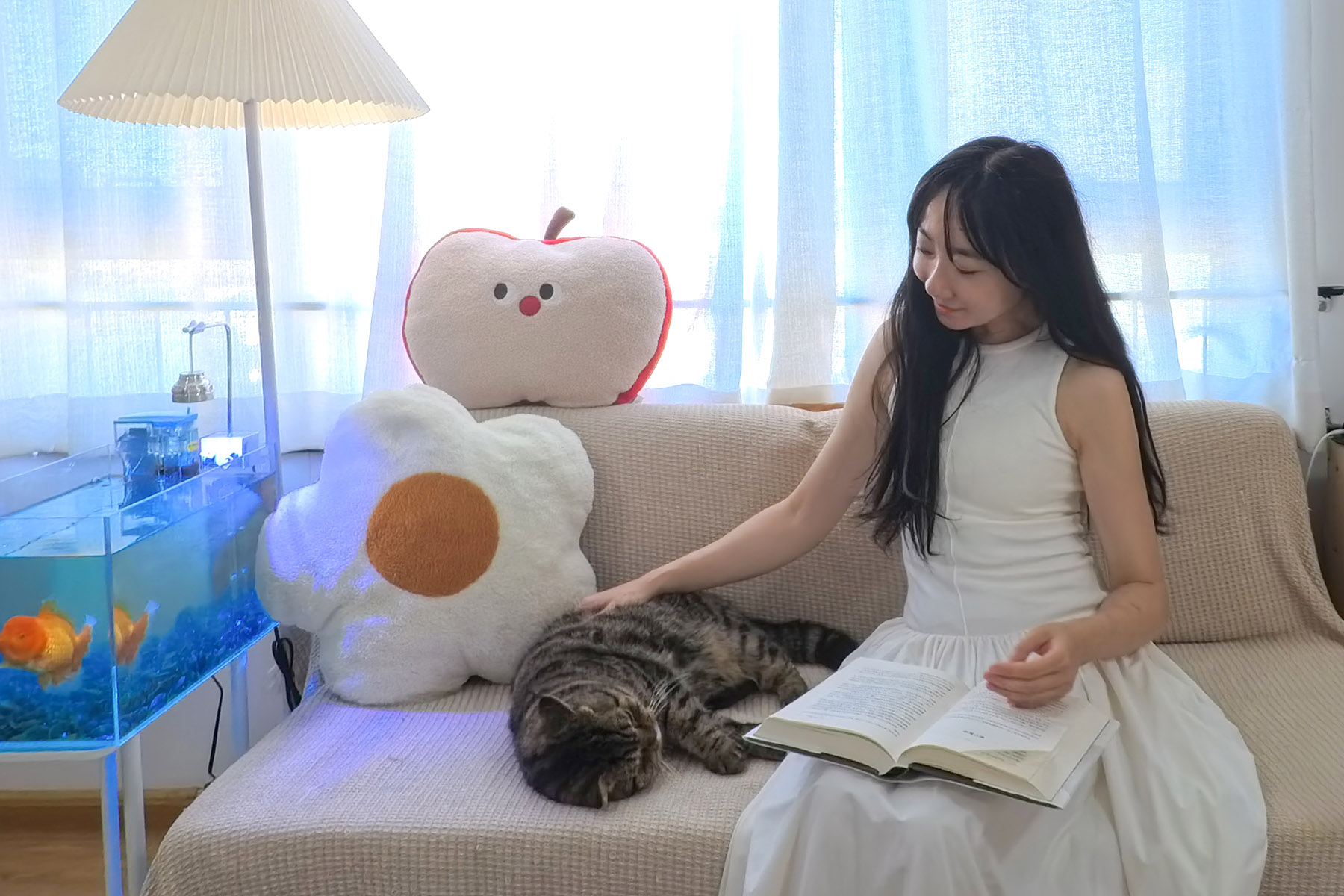
Xia Xiaosen, a 39-year-old content creator from Dalian, Liaoning province, who lives alone, prefers to buy fewer items but spend more on quality goods. One of her biggest monthly household expenses is her beloved cat Statham.
When she left the comfort of the family home five years ago, she soon discovered that greater independence came with a price tag. Setting up a household from scratch meant buying furniture, appliances and household items, something she had never thought about before.
Living alone also changed the way she viewed money. Managing household expenses and daily chores encouraged her to budget more carefully and purchase with greater focus.
Rather than buying in bulk, she now chooses smaller quantities of higher quality goods. For instance, she prefers a small box of fresh strawberries over a large bag of budget-friendly fruit. "I don't need large quantities. I prefer fresh, high-quality food that suits my pace. That is what the solo economy means to me: buying less, but better," said Xia.
READ MORE: 'Solo economy': Being alone, not lonely
Smart home devices have become essential to her daily routine. A robot vacuum, a dishwasher and automated pet care tools help her manage household chores more efficiently.
Her cat is central to her home life and one of her biggest expenses, costing about 400 yuan ($59.60) a month, excluding larger purchases such as an automatic litter box. But she believes the feline companionship is worth the cost. "Living with an animal shows you your own character. It reveals who you really are," she said.
A growing number of young Chinese are choosing to live alone or travel independently, giving rise to the "solo economy" centered on one-person consumption.
As businesses increasingly adapt products and services to individual consumers, greater autonomy and convenience have come with higher costs and everyday trade-offs.
Data from China's Ministry of Civil Affairs shows that the number of marriage registrations fell from 13.47 million couples in 2013 to 6.76 million in 2025. The ministry's Civil Affairs Statistics for the first quarter of 2026 reported 1.697 million registrations, down 6.2 percent year-on-year, continuing the long-term decline.
Beike Research Institute's New Era of Solo Living Report estimates that China's "solo-living population" reached 123 million in 2024 and is projected to rise to 150-200 million by 2030.
Xia said a solitary life is not without challenges. When she is ill is when she feels the absence of another person most acutely, as she has to deal with everything on her own.
She shares her independent lifestyle on social media, and sometimes receives hostile comments questioning why a woman would choose to live alone. "There is still a bias. Some people cannot accept that a woman living independently can feel fulfilled," she said.
But living alone has expanded her social life in unexpected ways. When traveling, she often chooses hostels because they make it easier to meet new people. Her attitude toward doing things on her own has also changed. She once felt self-conscious about going to concerts or the cinema alone, but now sees those experiences as liberating.
"I used to think doing things alone looked sad. Now I go to a concert by myself and end up meeting other people who came alone too. It feels free," she said.
Takeaway for one
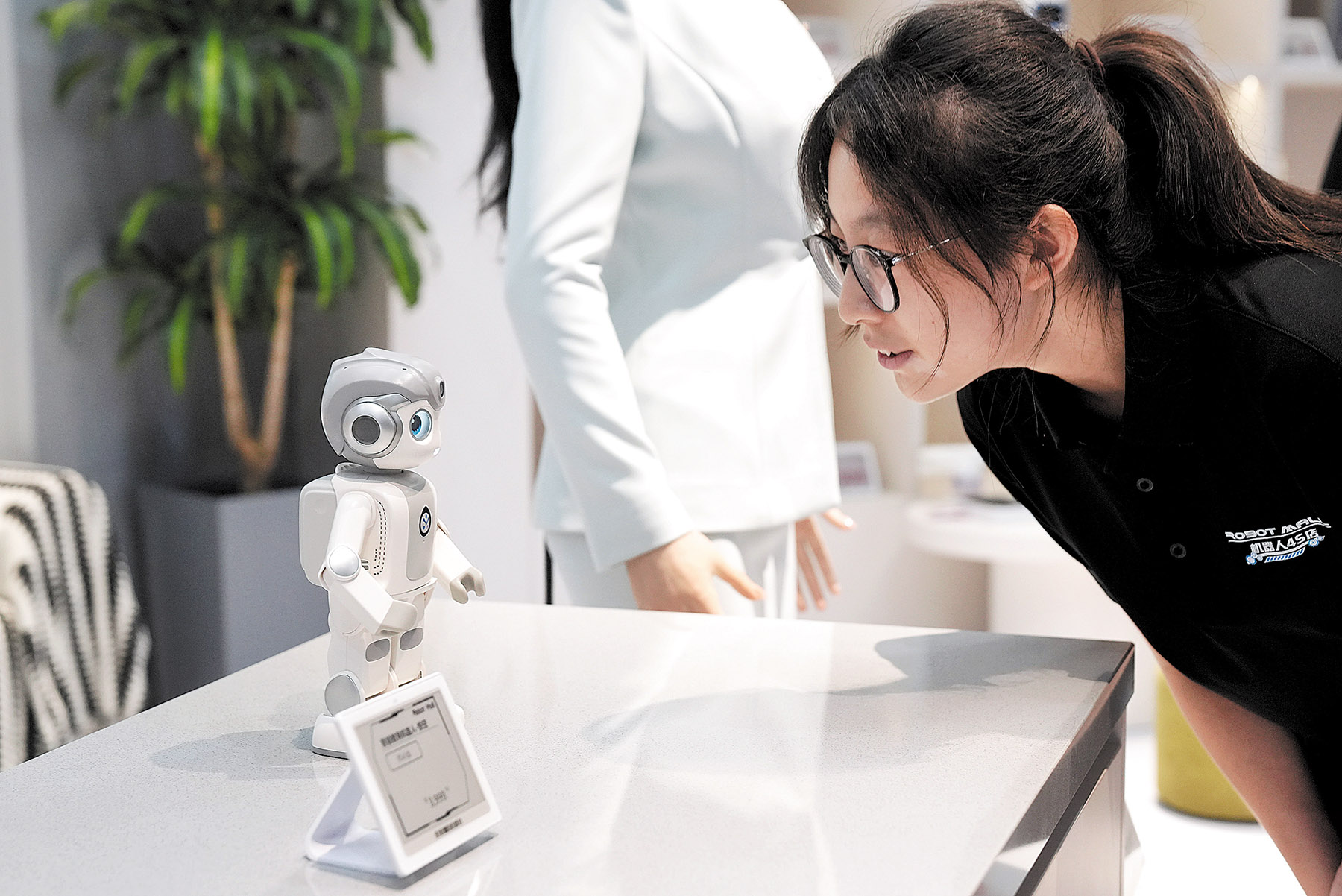
Wu Yifei, marketing manager of Wuyuanwan Rainbow Shopping Center in Xiamen, Fujian province, said the mall began paying close attention to the rise of the solo economy in the second half of 2024.
With the launch of Fujian's first sp@ce Rainbow Supermarket 3.0 in 2025, serving single consumers became a core part of the company's retail strategy. "We've shifted from treating solo consumption as a niche demand to making it part of our overall business plan," said Wu.
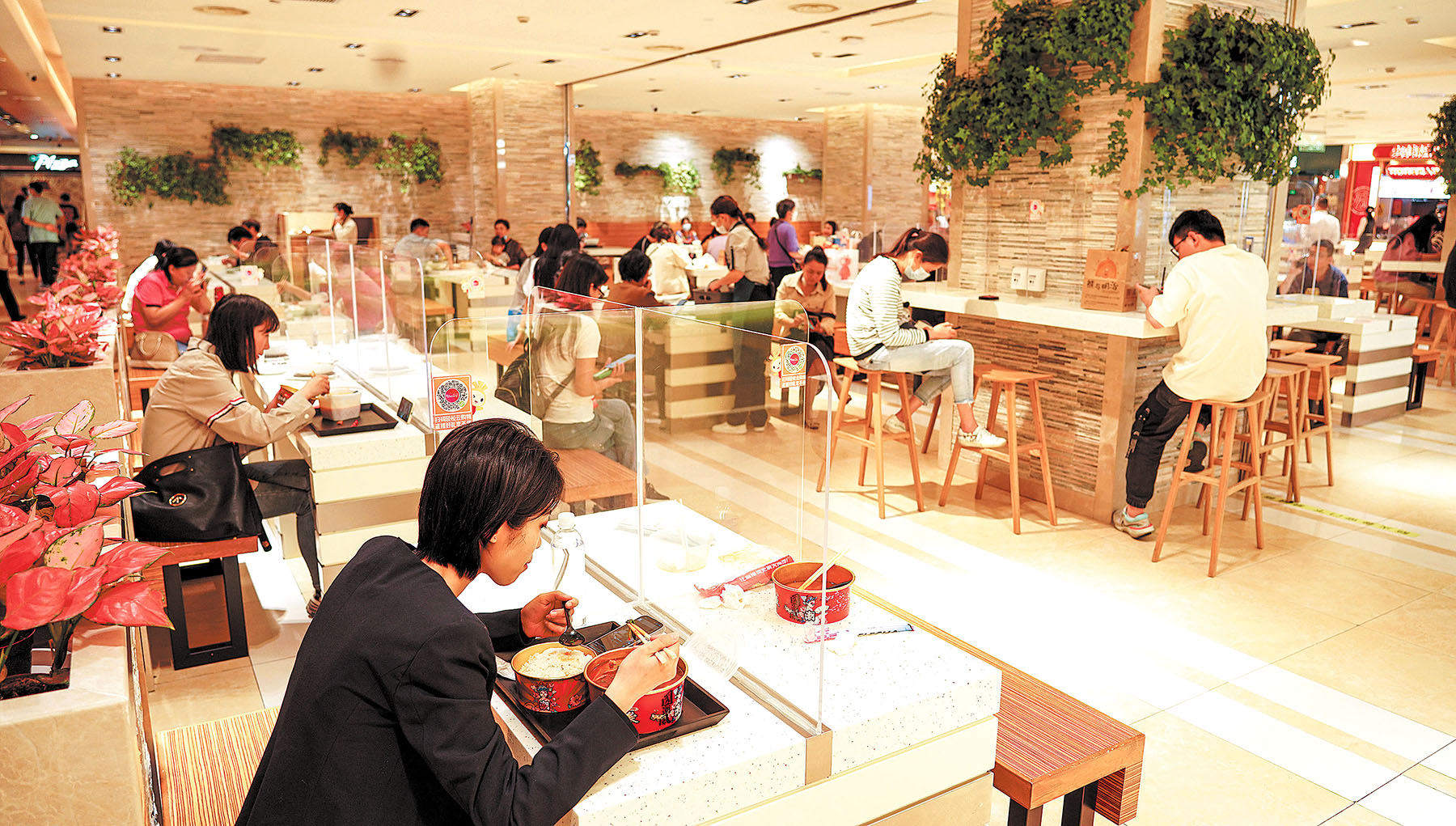
The supermarket has expanded its range of single-serving fresh food, ready-to-eat meals, small-pack groceries, beauty products and pet supplies. Dining areas and grab-and-go food sections have also been redesigned to better suit customers shopping or eating alone.
Wu said many of their customers are young professionals and urban residents aged between 25 and 40 who prefer buying only what they need rather than stocking up in bulk. Faster-paced lifestyles have also increased demand for convenient, ready-to-eat products.
"The focus has shifted from quantity to quality, and from stocking up to on-demand consumption. People used to prioritize saving money and buying in bulk. Now they care more about quality, personal experience and reducing waste," she said.
After redesigning its ready-to-eat and single-serving food sections, overall sales in those categories increased sixfold, Wu said.
Among the most popular products are single-serving fresh meat and vegetables, ready-to-eat local dishes, and small-pack snacks and beverages. Wu said these products help reduce waste while offering greater convenience.
She said smaller packs often have higher unit prices because of additional labor, packaging and freshness management costs. To make prices more acceptable, the supermarket has introduced tiered pricing, including entry-level products such as cheaper single-serving meat portions alongside premium options.
Wu said adapting to the solo economy has brought operational challenges. Smaller portions require more precise inventory management and there is greater pressure to reduce waste.
"Many products and services are still designed around family or group consumption, and retailers are still adjusting their products, pricing and supply chains to better serve solo consumers," she said.
Despite these challenges, she believes the trend is likely to continue. "As more people live independently and value convenience, flexibility and personalized experiences, demand for products and services designed for one person will continue to grow," she said.
The food and beverage sector accounts for 39.97 percent of monthly spending among single consumers, while more than 30 percent report regularly dining alone, according to iiMedia Research's 2025 China Single Economy Consumption Report.
Doria Yu, a 25-year-old e-commerce worker in Guangzhou, Guangdong province, began living alone in late 2024 after graduating from university and finding a job.
She rents a 60-square-meter loft apartment for 2,100 yuan a month and shares solo-living tips and product recommendations on social media.
A graduate of De Montfort University in the United Kingdom, Yu said she started creating content after noticing growing interest in solo-living lifestyles on Xiaohongshu, or RedNote.
She has gradually shifted away from appearance-related purchases and now prioritizes products that improve her comfort and efficiency.
Small household appliances have become essential to her routine, although not every purchase has proved worthwhile. She said multifunction cookers often go unused, while a compact laundry device for underwear and socks turned out to be more trouble than it was worth.
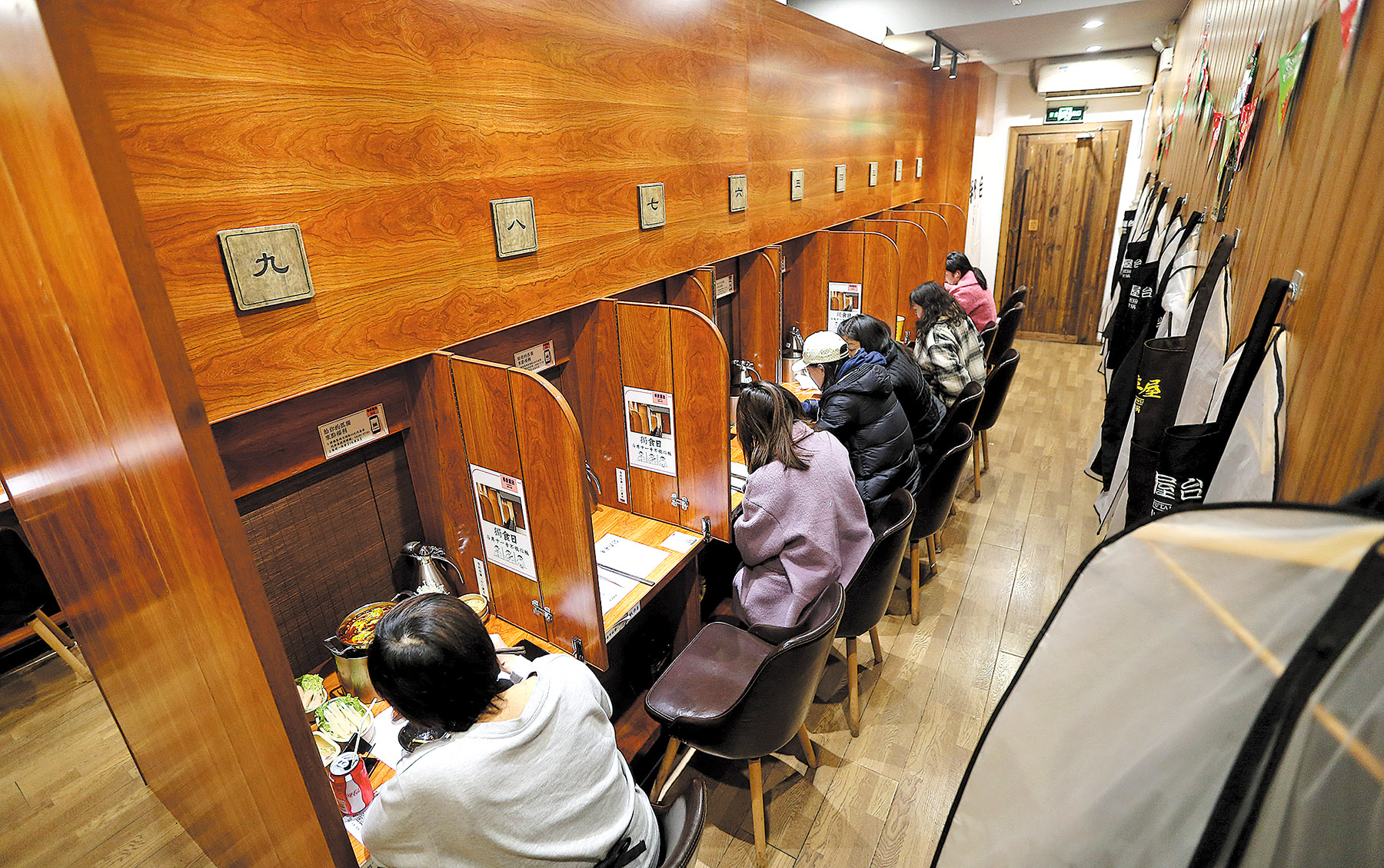
She often buys single-serving ready meals from Freshippo, saying they are practical and well portioned, though she feels product variety remains limited. Yu has also noticed that most restaurants are still designed for group dining, making solo dining options relatively scarce.
Traveling alone
The solo lifestyle rise is also reflected in how young people travel.
According to a 2024 paper jointly published by iClick Interactive and Qunar, 62.3 percent of frequent travelers in China prefer solo or independent travel over organized group tours, based on Qunar's 2023 travel data.
Xue Xue, a graduate of a Chinese university and a UK master's degree holder, has spent much of the past year and a half traveling alone across China after leaving her job in the financial sector. During that period, she has visited around 30 cities.
The 29-year-old occasionally returns home to rest and be with her parents.
Her first solo trip was to Changsha, Hunan province, in 2022. She said she felt constrained after long periods of work and pandemic-related isolation. "I just felt like I needed to get out, and traveling alone felt natural. I already enjoyed being alone in daily life," said Xue.
One of her most memorable experiences came in Wuxi, Jiangsu province, where she walked among flowering trees in spring and was unexpectedly moved to tears.
"I felt a sense of freedom and vitality I hadn't experienced in a long time. That moment felt like the real me," she said.
Her extended stays include Dali, Yunnan province, where she experienced the slower rhythms of life and different ways of living.
Xue said solo travel allows her to fully focus on her own needs and emotions without accommodating other people. That freedom, however, comes at a price as solo travel is not always cheaper.
Accommodation is often more expensive as she prefers hotels and cannot split costs, while food can be more costly without group discounts.
"In many places, especially smaller cities, there are no true single-person portions, so I often end up paying more if I want to try different dishes," she said.
However, Xue said some tourism services are gradually adapting to solo travelers, including restaurants that offer half-portions or single-person meals, as well as group tour products designed for individual travelers.
"These services are especially helpful for solo female travelers, as they make it easier to reach places that would otherwise be difficult to access alone," she said.
Finding each other
Zuo Si, an assistant professor at Shanghai Jiao Tong University's Antai College of Economics and Management, said the rise of the solo economy in China is driven by multiple social changes.
She pointed to shifts in population structure, including declining household size, lower marriage rates, and a growing number of single-person households. At the same time, busy urban lifestyles in major cities such as Beijing, Shanghai, and Guangdong's Guangzhou and Shenzhen have increased demand for consumption designed for individuals. Improvements in retail, delivery and e-commerce have made small-scale consumption more convenient and accessible.
"People are working and living at a faster pace, which naturally increases demand for products designed for one person," she said.
Zuo said consumption has traditionally been family-oriented, typically for two to three people. However, rising individual consumption reflects broader changes in urbanization and economic development, as personal consumption scenarios become more common.
Solo consumption may be more expensive; however, the cost structure is more complex than it appears, she said.
ALSO READ: Fewer Chinese young people tying the knot as perceptions of marriage change
While packaging and logistics costs remain largely fixed regardless of portion size, the per-unit price difference between large and small packages is relatively limited. "Overall, solo consumption may appear slightly more expensive, but it is often acceptable when all costs are considered," said Zuo.
She said the key challenge is the mismatch between supply and demand. "Consumers have not yet fully found suitable products, and producers are still adjusting to this new consumption pattern," she said.
Zuo also rejected the term "loneliness economy", arguing that it misrepresents the underlying social shift.
"This is not about loneliness. When people's lives become faster and more demanding, they need products that fit their individual rhythm. That is a sign of economic development, not isolation. It reflects a more efficient and self-directed way of living," she said.
She predicted the solo economy will continue to reshape product design and service models, with greater emphasis on convenience, speed and scenario-based consumption. Digital platforms are increasingly able to use recommendation algorithms to better match individual needs with products, she added.
"Producers and consumers are still finding each other, but the demand is real and growing," she said.
Contact the writer at sunnyu923@163.com
