

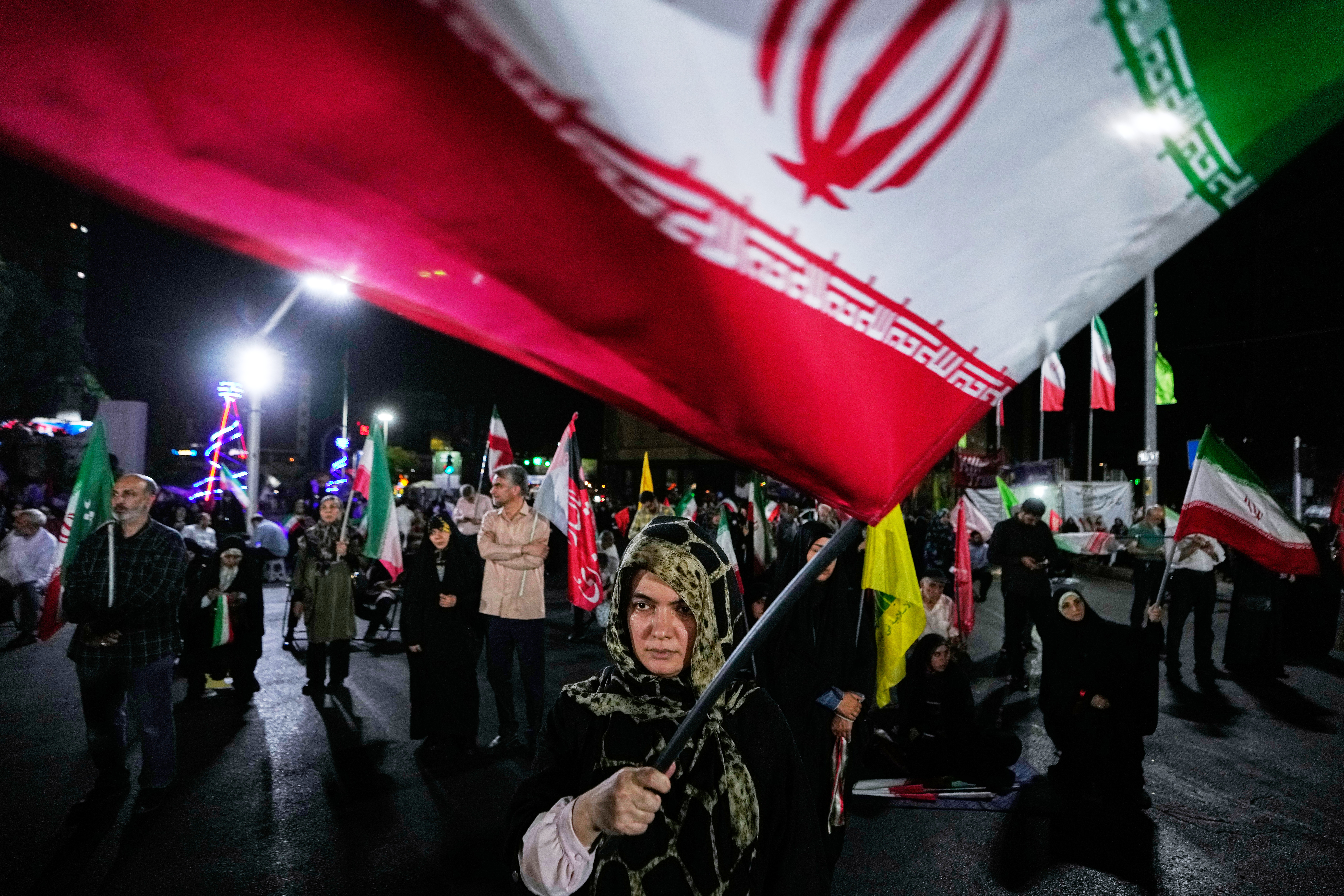
TEHRAN/WASHINGTON/JERUSALEM – The Islamic Revolutionary Guard Corps (IRGC) said on Wednesday that the Strait of Hormuz will not be opened if the United States does not accept Iran's conditions, according to the IRGC's official news outlet Sepah News.
IRGC spokesman Hossein Mohebbi told reporters that the strategic waterway remains under Iranian control and no vessel can pass through it without Iran's permission.
"All the enemy warships are at least 400 km away from the Strait of Hormuz, and from the military and territorial perspectives, no vessel is able to pass through this waterway without Iran's permission and management," Mohebbi said, adding that even the route near Oman is fully under Iranian control while underlining that the Strait of Hormuz belongs to Iran and Oman.
He said that Iran and Oman have reached agreements on their respective shares of the strait and its revenues following negotiations.
Mohebbi blamed US "obstructionism" for delaying the negotiation process, noting that if Washington returns to the peace memorandum of understanding (MoU) it signed with Iran in June, "we can open the Strait of Hormuz within the agreed framework."
"Therefore, the United States must accept our conditions. If the United States does not accept our conditions, the Strait of Hormuz will not be opened under any circumstance," he added.
Iran tightened its grip on the Strait of Hormuz on Feb 28, barring passage of vessels belonging to or affiliated with Israel and the US following their joint strikes on Iranian territory.
Report: US, Iran reach ceasefire agreement
On June 18, the US and Iran signed the MoU on ending the war in the region on all fronts, including Lebanon. Under the MoU, they were scheduled to hold negotiations within a period of 60 days, which ended on Aug 17, to reach a final agreement, but the talks' fate remains unclear following the escalation between the two countries last month.
In a joint statement on Tuesday night, Iran and Oman announced that they have discussed a phased framework that includes the establishment of a temporary joint shipping corridor in the Strait of Hormuz and an agreement to implement a joint demining project.
The statement said that technical negotiations will continue towards a permanent shipping corridor and the future administration of the waterway, including information exchange, traffic management, and relevant navigation and security services.
Iran: Economic pressure to yield nothing
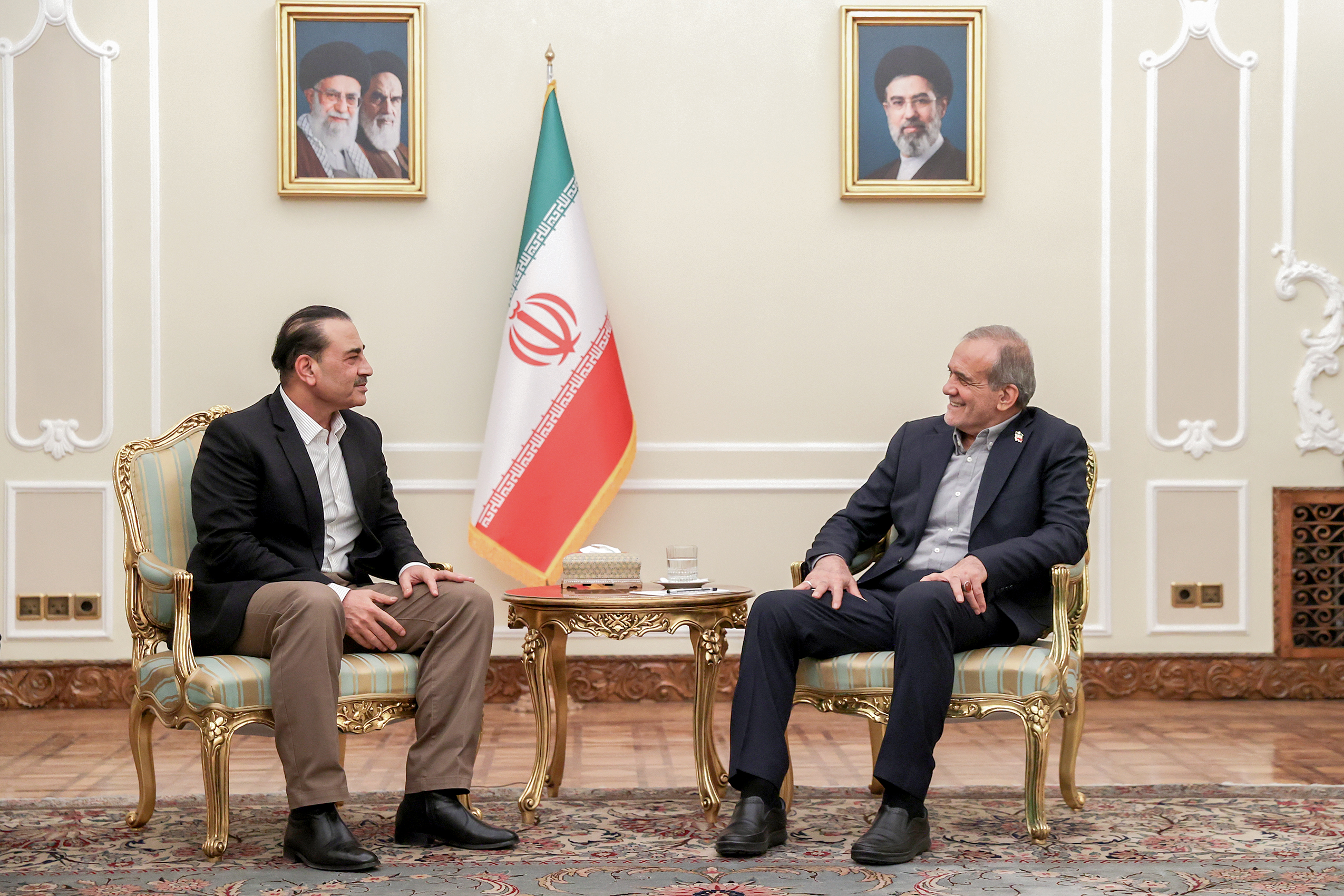
Also on Wednesday, Iranian President Masoud Pezeshkian said that the US will not achieve anything through its economic pressure against Iran.
He made the remarks at a meeting in the capital Tehran to discuss the latest situation of Iran's major monetary, foreign currency and financial indices. Iran's Minister of Economic Affairs and Finance Seyed Ali Madanizadeh, Central Bank Governor Abdolnaser Hemmati and a group of prominent economists attended the meeting, according to a statement published on the website of his office.
Pezeshkian said that although Iran seeks to resolve issues through engagement and negotiation, it will, at the same time, stand firm against economic pressure, as it has so far.
He expressed confidence that the US will not achieve anything through its economic pressure at this stage, citing preparations made by his administration's economic sectors. He said this would be similar to the (40-day) war, when the Iranian armed forces and people prevented it from attaining its objectives with their bravery and support.
ALSO READ: President: Iran in ‘all-out’ economic, military, security war
Earlier this month, US President Donald Trump announced "the most crushing economic operation ever taken" against any country providing a lifeline to Iran.
"This will be Economic Warfare and Isolation on an unprecedented scale," he said, calling the move "an ECONOMIC D-DAY."
'Steadfast' diplomacy
Meanwhile, Iranian Foreign Minister Seyed Abbas Araghchi has said that Tehran's commitment to peace and stability is reflected in "steadfast" diplomacy with its neighbors.
"Iran's commitment to peace and stability is matched by steadfast diplomacy with our neighbors. In talks with Pakistani and Omani guests, regional solutions were stressed," he said in a social media post, referring to visits by Pakistan's Chief of Army Staff Field Marshal Syed Asim Munir and Omani Foreign Minister Sayyid Badr bin Hamad Al Busaidi, on Monday and Tuesday respectively.
"Proposed framework for new corridor, joint mine-clearing, and future management of Hormuz is case in point," Araghchi said.
His message came after a joint proposal on the establishment of a temporary joint shipping corridor in the Strait of Hormuz and an agreement to implement a joint project to demine the waterway was released by the Iranian and Omani sides.
Meanwhile, in separate phone calls with Qatari Prime Minister and Minister of Foreign Affairs Sheikh Mohammed bin Abdulrahman bin Jassim Al Thani on Tuesday, Araghchi discussed regional developments, with both sides stressing diplomacy and coordination to prevent further escalation and safeguard regional peace and stability, according to the Iranian Foreign Ministry.
Return of diplomats
Separately, the Trump administration plans to return diplomats to embassies in the Middle East that were evacuated before and during the US-Israeli war against Iran, with some personnel potentially returning as early as this week, The New York Times (NYT) has reported.
US embassies in Israel, Lebanon, Saudi Arabia, Qatar, Jordan, Oman, Iraq and Kuwait are among the missions expected to increase staffing, the report said Tuesday, citing an internal US State Department document and three US officials.
According to the document obtained by the NYT, the first diplomats to return will be at the US embassy in Lebanon, though the embassy would not reach full staffing under the plan.
Posts in the United Arab Emirates, Saudi Arabia, Qatar and Lebanon will initially cap staffing at 85 percent, and posts in Iraq, Kuwait and Bahrain at 75 percent.
In the six Gulf countries and Lebanon, the State Department will enforce restrictions on bringing family members, the document added.
The restaffing is set to proceed as the Trump administration threatens new economic sanctions on Iran after talks between Washington and Tehran floundered, suggesting that the US does not expect an imminent renewal of full-scale conflict, said the report.
Netanyahu: Deal with Iran impossible
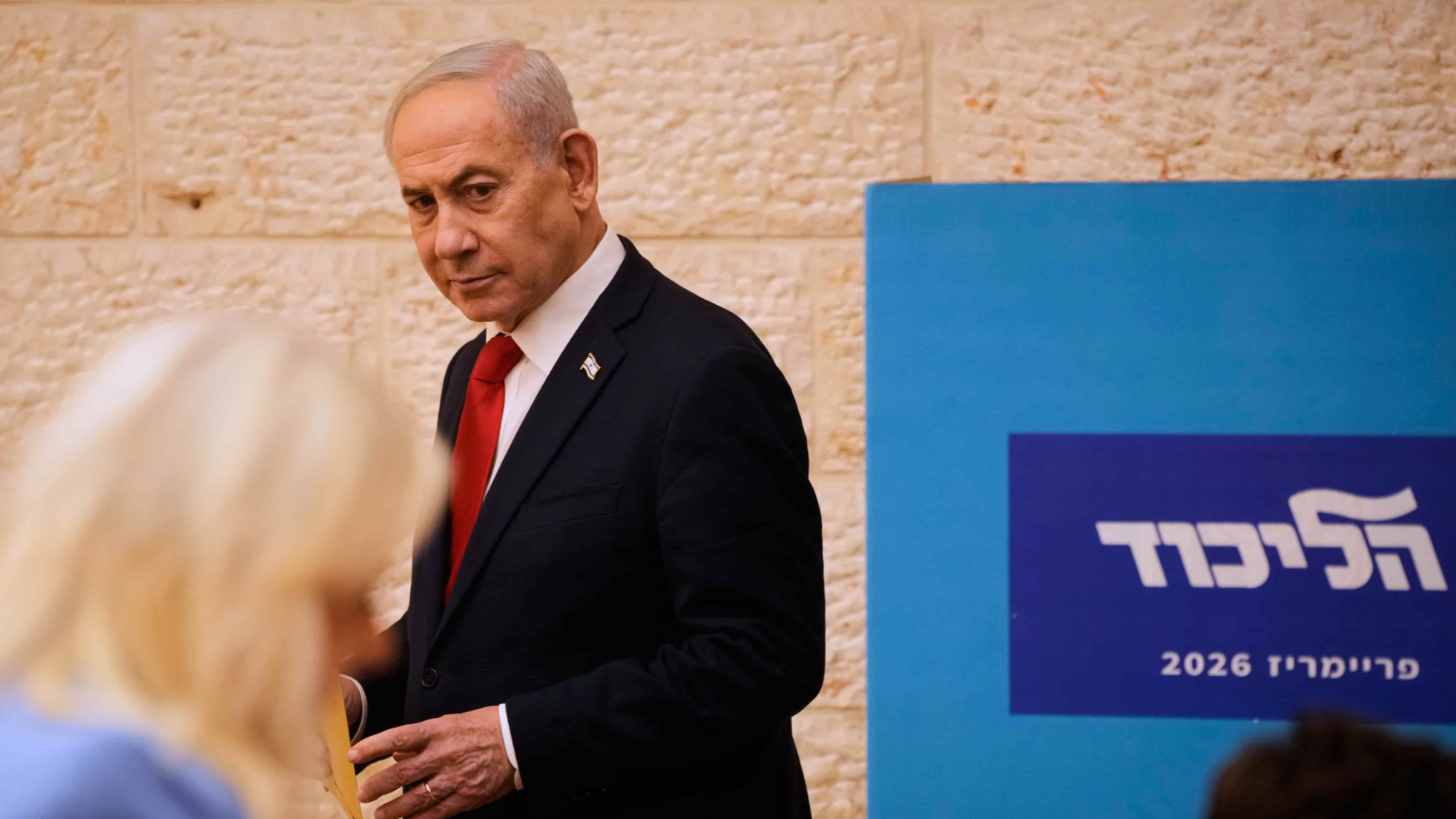
Israeli Prime Minister Benjamin Netanyahu said a diplomatic agreement with Iran was impossible under its current leadership. He praised Trump's move to intensify economic pressure on Tehran.
Netanyahu said Tuesday he discussed the possibility of a diplomatic agreement with Trump during a meeting at the White House several weeks ago.
"I doubt that with this group there," Netanyahu said he told Trump. "You cannot make an agreement," according to a statement released by his office.
The Trump administration on Monday unveiled a new sanctions campaign against Iran dubbed "Operation Economic Outcast," expanding the threat of secondary sanctions against countries and companies doing business with Tehran.
Netanyahu welcomed the move, saying it reflected an option he had discussed with Trump to further isolate Iran economically.
"What President Trump did yesterday was tighten the siege on Iran," Netanyahu said, adding that the measures targeted not only Tehran but also those helping its government.
Netanyahu said Israel's confrontation with Iran was "not over" and affirmed that Israel's military campaign across multiple regional fronts would continue.
