

For the band Xian Ke, the process of creation is never-ending, as they explore new musical territories, Chen Nan reports.
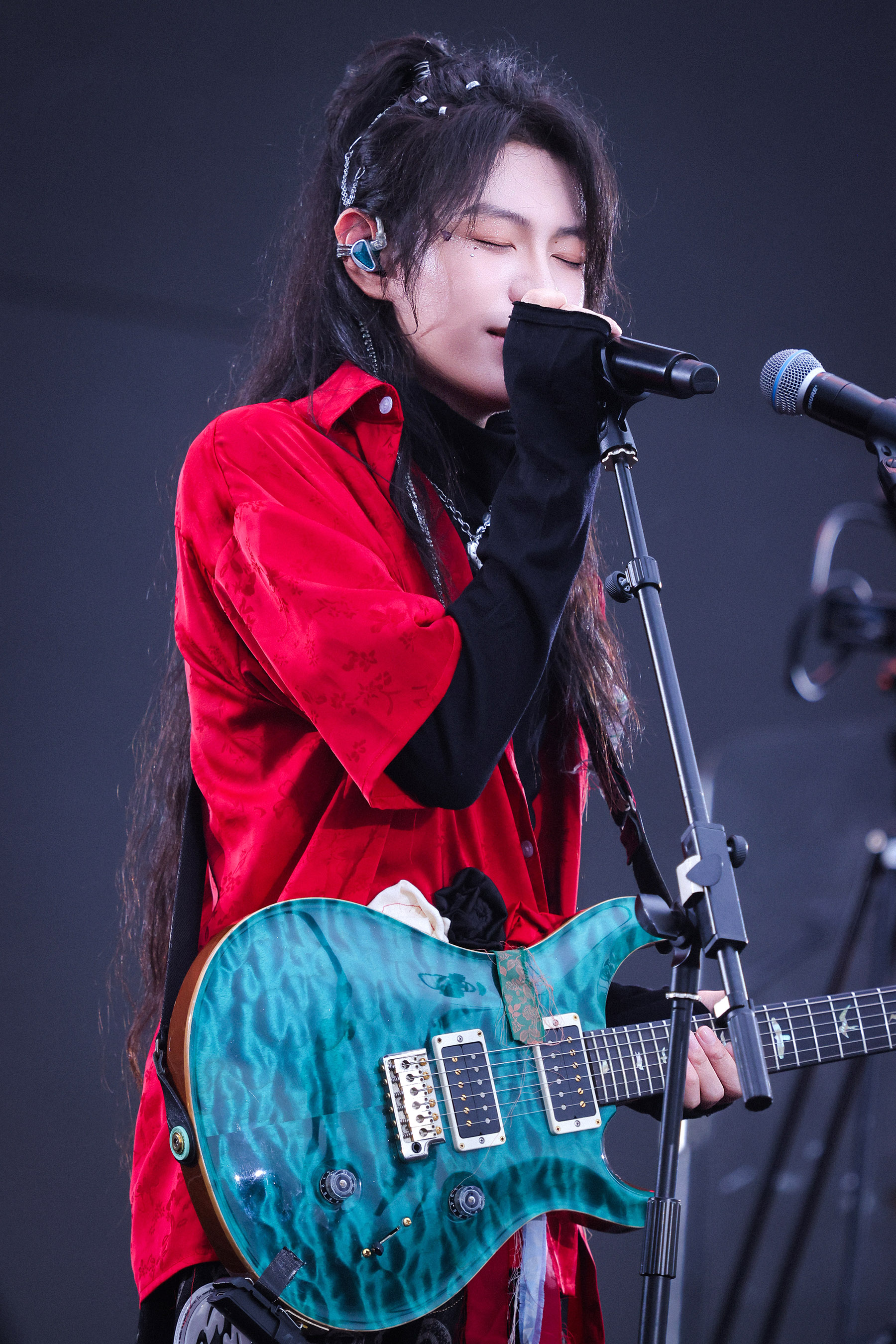
Everything ends. A song fades. A stage goes dark. The performers leave, the audience disperses, and eventually the room falls silent.
But for the Chinese band Xian Ke, silence is not the end.
The band's name comes from a line in The Book of Songs, a collection of hundreds of poems dating from the 11th to 6th centuries BC.
The line goes: Mibu youchu, xianke youzhong (Everything has a beginning, but few can see it through to the end).
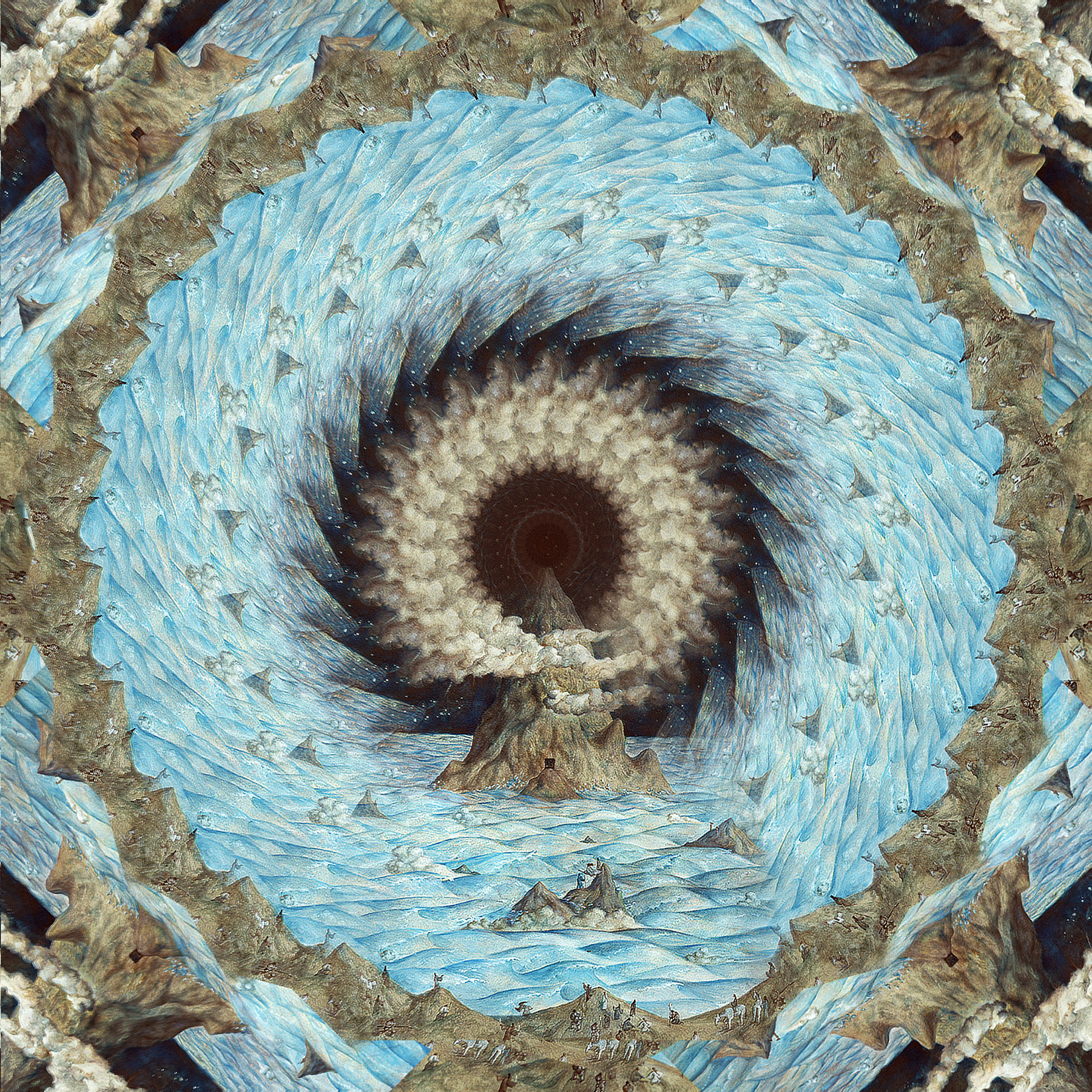
The band's debut album, All Things End, Yet Nothing Ends, takes that ancient meditation on beginnings and endings and turns it into eight songs that build a world from rock, traditional Chinese opera, ancient instruments, and the restless desire to keep creating.
For Xian Ke, the two phrases are not simply literary references. They have become a way of thinking about what it means to make music, according to Wen Haoyuan, one half of the duo.
"Everything has an end," says Wen, who is also a scriptwriter. "But things themselves have no end. We are doing something that is limited for us, but we hope it can have an unlimited influence."
That tension — between endings and continuation, limits and possibilities — runs through the album.
All Things End, Yet Nothing Ends took more than three years to complete, beginning in 2021.
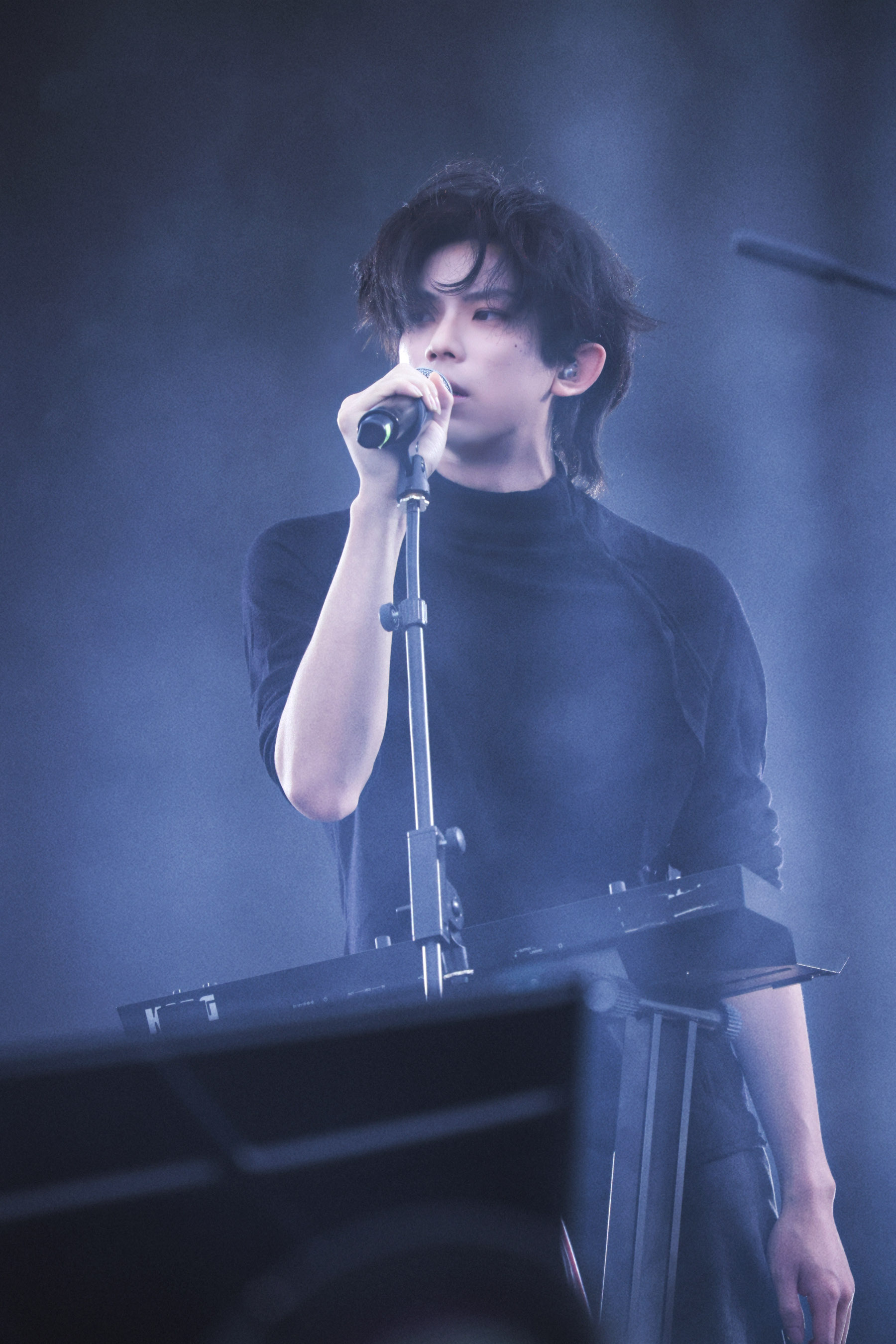
There were songs written, arranged, and recorded that ultimately did not make the cut. One track had reached around 80 percent of its arrangement and was already in production and recording before the band decided that something was still wrong.
"We spent many days and nights struggling with it," Wen recalls. "Just thinking about that song would make us feel bad."
Eventually, they abandoned it and wrote another song instead.
That process of choosing what to keep — and, perhaps more importantly, what to let go — became one of the most difficult and formative parts of making the record. By the time the album was complete, however, the uncertainty had given way to conviction.
"Everything that was released was something we were certain about," Wen says. "We are very satisfied with it."
For a band that began with a name about the difficulty of reaching an ending, finishing the album was therefore significant. But it was never intended as a conclusion.
"It's just a very small part of my creative career," Wen says. "We'll keep writing."
When Xian Ke announced the album, the pair described standing for a long time in front of the "wall of sound" they had built, moved to tears by what they heard.
The image captures something essential about the record. Xian Ke wanted to create not simply a collection of songs, but an expansive sonic space — "a whole expanse", as Wen describes it, made from different frequencies and layers of sound.
They wanted the listener to stand in front of it and feel its scale.
That ambition is partly why All Things End, Yet Nothing Ends feels larger than the familiar description of "traditional Chinese opera meets rock", often attached to Xian Ke, which formed in 2019.
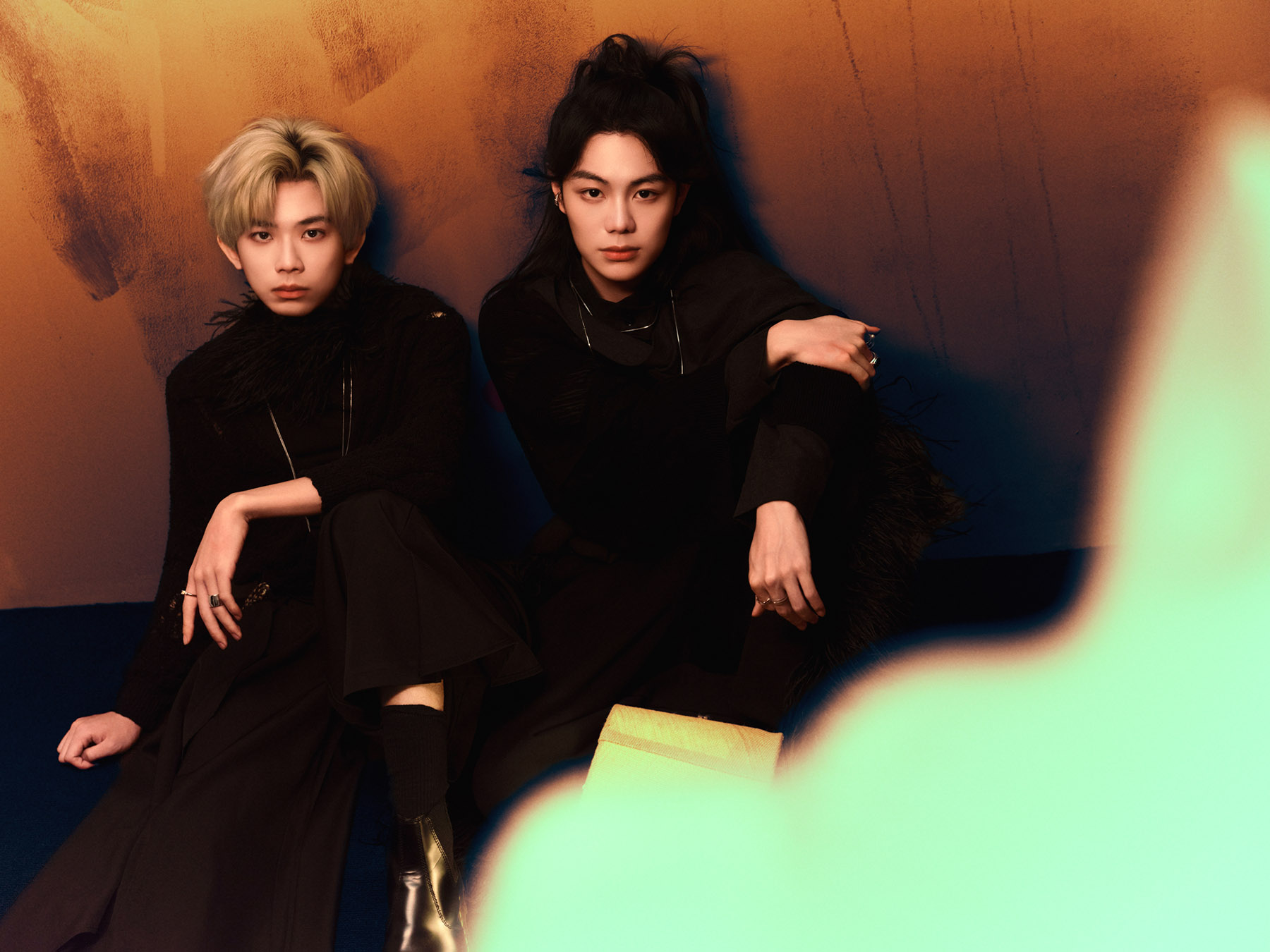
Both members trained at the National Academy of Chinese Theatre Arts, and their relationship with traditional theater runs deep. Wen studied theater; Wang Pushi is a Kunqu Opera performer and works with the Northern Kunqu Opera Theatre.
But Xian Ke is increasingly wary of being defined by the label "traditional Chinese opera meets rock music".
The label exists, Wang acknowledges. People use it. But for the band, traditional theater is not an aesthetic costume that they put on when they make music. It is part of the way they think.
"We write what we know," Wen says.
There was no elaborate calculation about how much traditional Chinese opera to combine with contemporary rock. Their musical languages have developed together naturally.
For Wang, the difference between performing traditional Chinese opera and performing with Xian Ke is particularly revealing. On the traditional stage, he is playing a character. His job is to express that character's emotions rather than his own.
"With the band, it is 100 percent my expression," he says.
He describes himself as a theater director within Xian Ke, while Wen is the writer. Together, they bring a theatrical way of thinking to their music: songs become scenes, sounds become characters, and the album becomes a world.
That approach is particularly evident in the song Annica (inspired by anicca, a Buddhist concept meaning impermanence), which incorporates the suona (a double-reed woodwind instrument) and the percussion rhythms of Kunqu Opera.
The striking thing is that the suona is not presented as a distinctly "Chinese" sound.
Instead, Xian Ke deliberately buried it within the arrangement, treating it like any other instrument.
"Traditional Chinese instruments are often placed prominently in contemporary music precisely because their sound immediately signals Chinese identity. We wanted to resist that impulse," Wang says.
For him, the goal is not to turn traditional culture into spectacle.
He points to the experience of watching traditional Chinese opera for the first time: Whether the viewer is a foreigner or a Chinese person encountering it for the first time, its unfamiliarity can make it seem like a spectacle, something exotic to be observed.
But that, he argues, misses the point.
Traditional Chinese opera and traditional Chinese music are not curiosities. They are not there to produce an exotic effect. They are beautiful.
The same principle guides Xian Ke's use of traditional instruments. The better the fusion, Wang believes, the less obvious the fusion becomes. "If an instrument is pushed to the front simply because it sounds unusual, it risks becoming a gimmick," he says.
Elsewhere on the album, they went in the opposite direction: Rather than hiding the identity of a traditional instrument, they explored what its history could bring to the music.
The song Fallen Stars features the sound of a Jiahu bone flute, an ancient instrument preserved by the Henan Museum and among the earliest known instruments associated with a seven-note scale.
The flute is a key exhibit at the Henan Museum and dates back about 8,700 years.
Musicians from the Huaxia Ancient Music Orchestra, the resident ensemble of Henan Museum founded in 2000, joined the band's exploration by playing replicas of ancient Chinese musical instruments displayed in the museum.
For Xian Ke, choosing the bone flute was partly an experiment. If they were going to introduce traditional Chinese instruments into their music for the first time, why not begin with one of the oldest?
They tried a number of instruments before settling on the bone flute. But its historical importance was only part of the appeal.
When the flute was played, Wen heard something much less concrete: falling stars.
The image captures the band's approach to the album as a whole. Rather than giving each song a narrowly defined subject, they wanted the eight tracks to contain as much as possible — to suggest an entire world rather than describe one small thing.
The result is intentionally ambiguous. Images, emotions and sounds overlap.
The most interesting question facing Xian Ke now is what happens when they move beyond the very combination that first defined them.
They have already begun asking themselves: What does Xian Ke sound like when there is no Chinese opera?
The question is not a rejection of their theatrical roots. Quite the opposite. It comes from the confidence that those roots are already embedded in them.
"Opera plus rock" was simply the path they took when they first came together.
Now they want to explore what else might happen — traditional Chinese opera with something else, or something without traditional Chinese opera.
"We do not yet know," says Wen. "A record has an ending. A song has an ending. A period of creation has an ending. But the impulse to create continues."
Contact the writer at chennan@chinadaily.com.cn
