

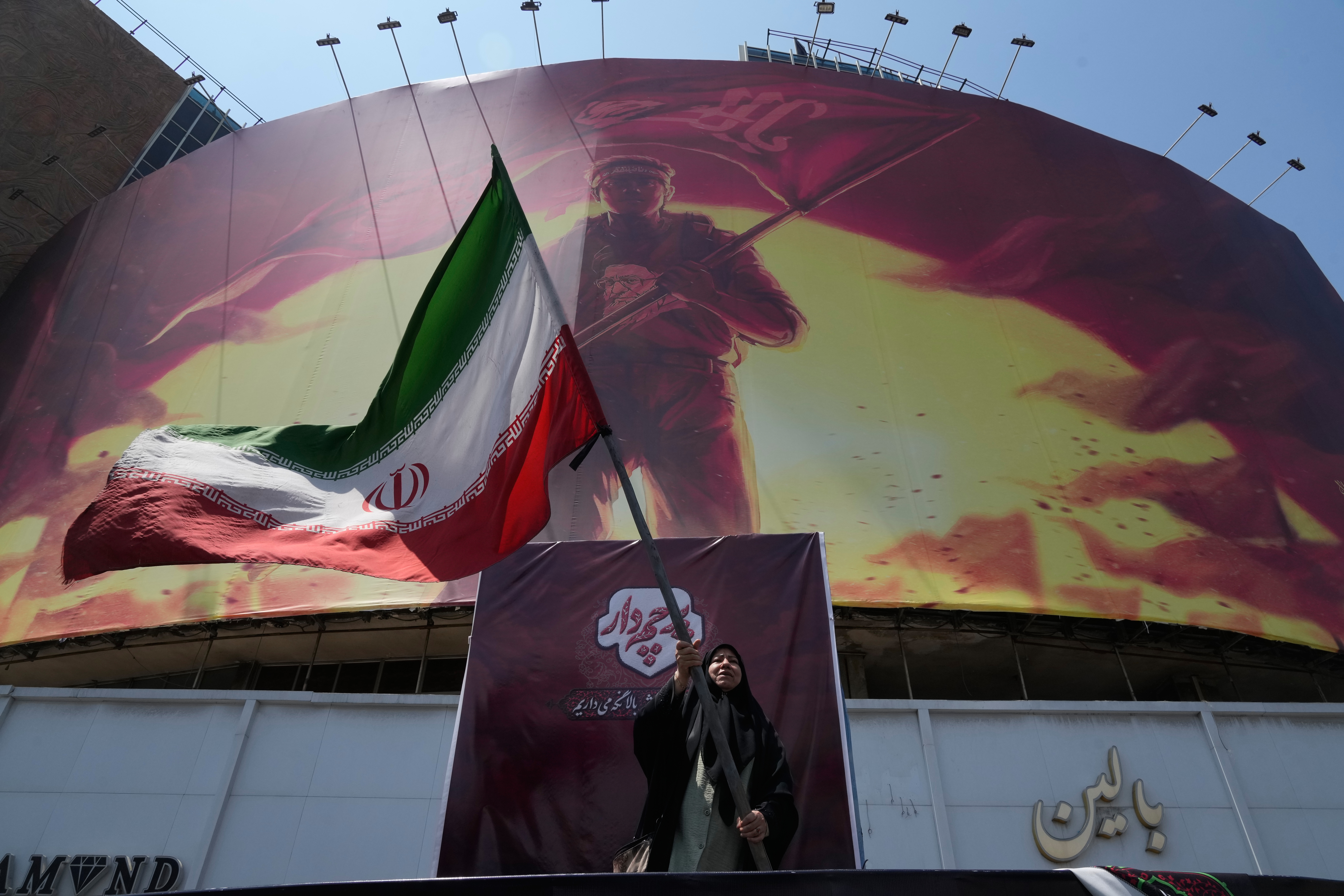
WASHINGTON/TEHRAN/CAIRO/KUWAIT CITY – US President Donald Trump said on Saturday that he has agreed to hold off fresh attacks against Iran.
In a post on Truth Social, Trump said the United States "is locked and loaded and ready to go against the Islamic Republic of Iran, at levels of Military Terror, Strength, and Power not seen since World War II."
"Despite this, we have just been asked by Iran, and other Middle Eastern Countries, to hold off any attack in that the perimeters of a deal has been agreed to," he said.
"This would include the Immediate, Complete, and Total OPENING OF THE HORMUZ STRAIT, and an end to Iran's nuclear threat," he added.
Trump also warned that his decision is "subject to being able to rapidly make a DEAL."
Iran denies asking US to pause strikes, calls Trump's words a lie
Iran's military sources denied on Sunday Trump's claim that Tehran had asked Washington to call off its strikes, calling his remarks "a new lie," Iran's Mehr news agency reported.
The military sources also described Trump's words on Truth Social as a desperate attempt to pressure Gulf states, saying that Iran's armed forces remain at the highest level of readiness and are fully prepared.
ALSO READ: Report: Iran prepares plan in response to potential attacks on infrastructure
The Wall Street Journal on Friday cited US officials as saying that Trump "has ordered the military to launch a fresh attack on Iran that could begin as soon as this weekend and last a few days."
CBS News also reported that the United States and Israel are preparing for intense strikes against Iranian energy infrastructure, which could begin during the weekend.
Saudi crown prince voices concern to Trump over strikes on Iran
According to US online news outlet Axios, Saudi Crown Prince and Prime Minister Mohammed bin Salman Al Saud spoke with Trump on Saturday and expressed concern over his plans for massive new strikes against Iran.
"The Saudis expressed concern and asked for clarity about the plan of action," a US official told Axios. Shortly after the report emerged, Trump said on social media that he had "agreed to cancel attack on Iran."
Qatari mediators held separate talks Saturday with Iranian Foreign Minister Seyed Abbas Araghchi, US presidential special envoy Steve Witkoff and Omani officials in an effort to secure an agreement to reopen the Strait of Hormuz, according to Axios.
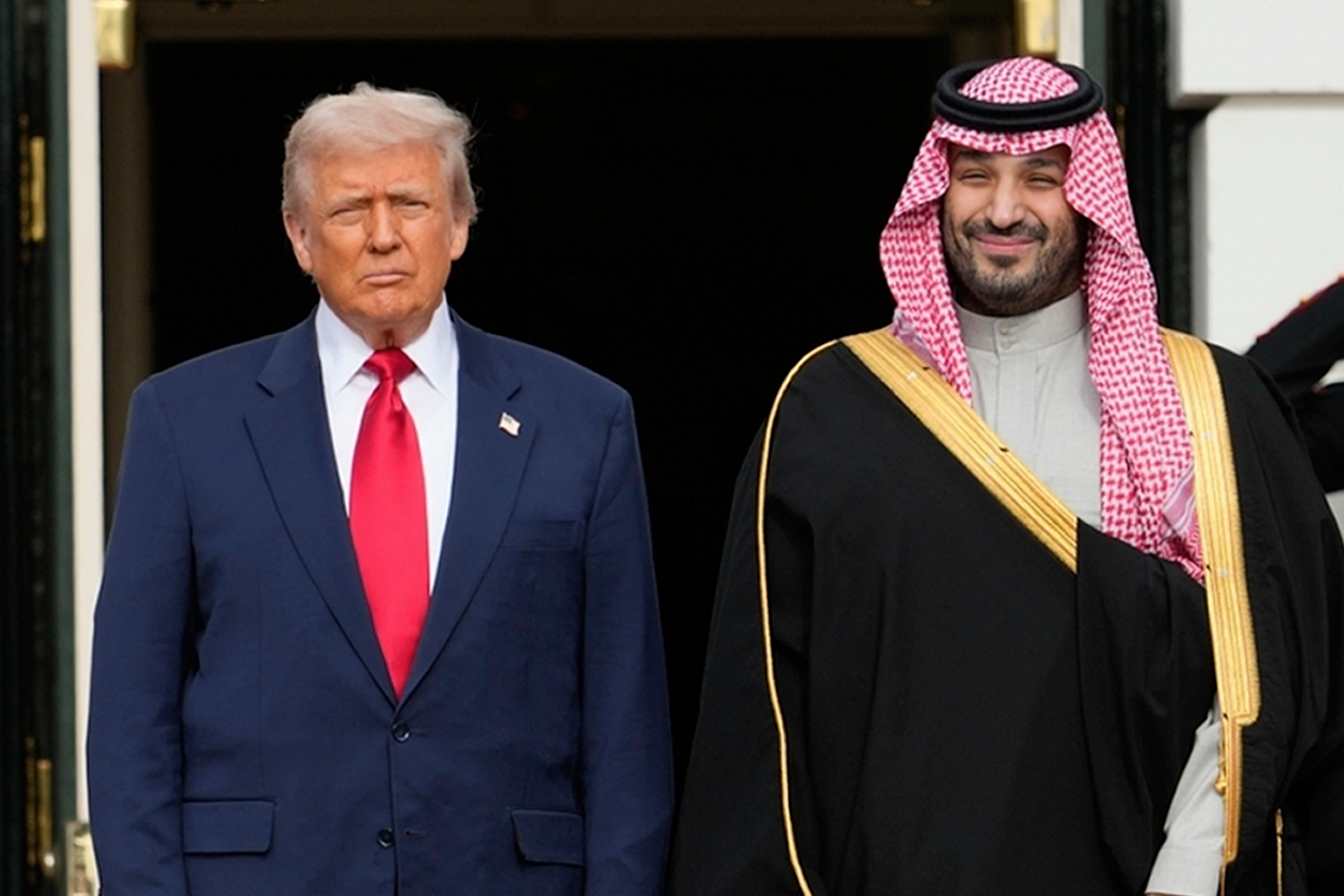
Trump met with Saudi Defense Minister Prince Khalid bin Salman on Wednesday. The meeting was added to the Saudi minister's itinerary after he met with Vice-President JD Vance and told him that Saudi Arabia favored de-escalation with Iran, a source familiar with the matter said.
Trump said previously that he was seriously considering attacking Iranian energy targets in the coming days in response to Iran's missile strike on a US base in Jordan and its continued disruption of shipping through the Strait of Hormuz. He has yet to issue final orders.
Iranian foreign minister warns US against 'adventurous' actions
Araghchi on Saturday warned the United States against taking any "adventurous" actions, saying those responsible would bear the consequences.
Araghchi made the remarks during separate phone conversations with Pakistan's Chief of Army Staff Asim Munir, Turkish Foreign Minister Hakan Fidan and Saudi Foreign Minister Prince Faisal bin Farhan Al Saud.
In talks with his Saudi counterpart, Araghchi warned that any hostile US or Israeli action, as well as any regional support for it, would draw a firm, proportionate response from Iran's armed forces.
Araghchi told Munir and Fidan that Iran was fully prepared to safeguard its national sovereignty, territorial integrity and national security, and would respond decisively to any act of aggression.
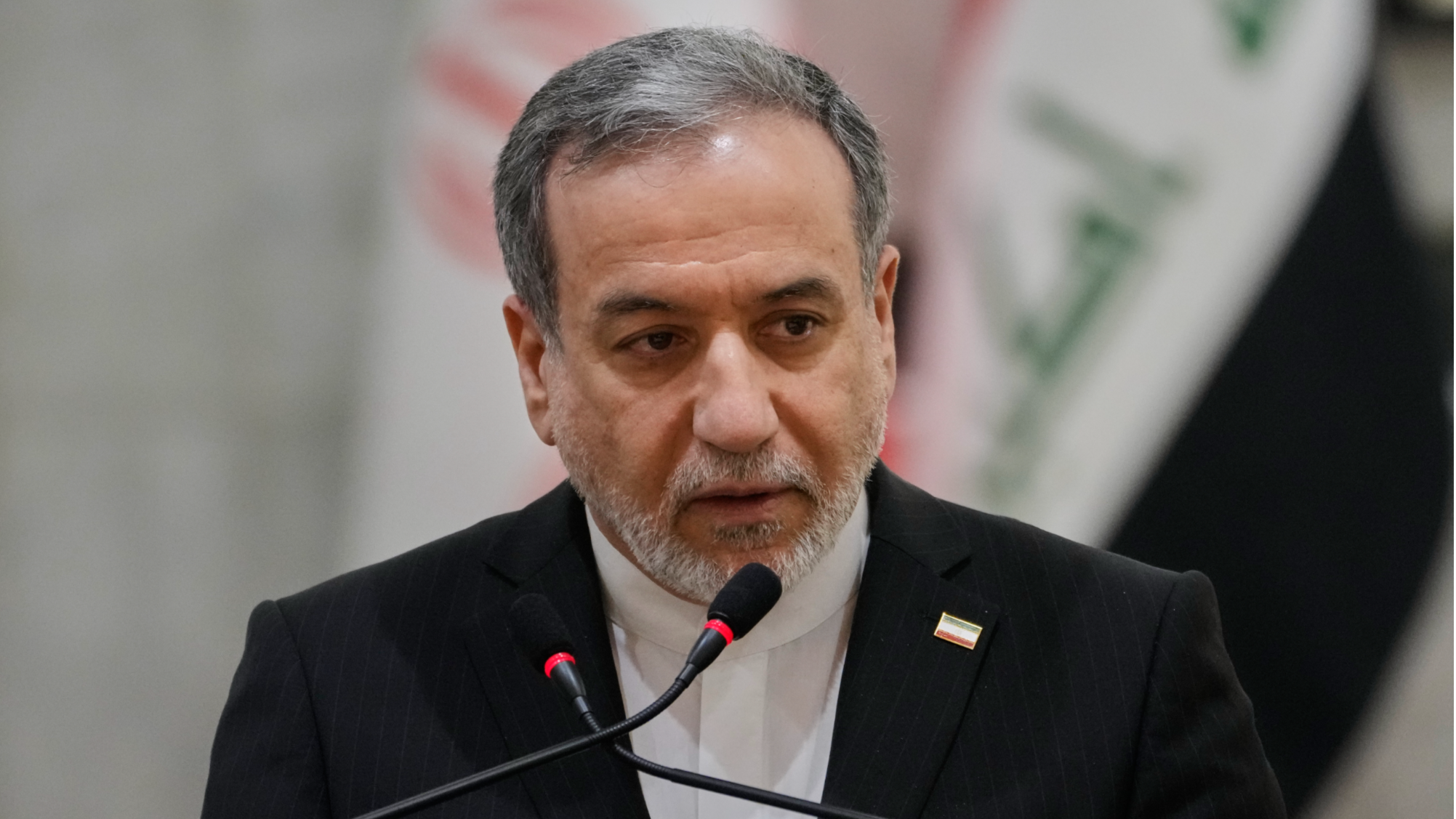
Also on Saturday, Iran's Foreign Ministry accused the United States of violating the peace memorandum of understanding they reached mid-June, citing its continued strikes on Iranian targets, blockade on Iranian ports and commercial shipping, and stepped-up economic pressure.
In a statement, the ministry vowed to continue to resist US "unlawful aggression" and to firmly defend its national dignity and independence.
The remarks followed renewed exchanges of airstrikes between the United States and Iran after days of pause.
Before the pause, the United States had launched multiple waves of strikes against Iranian targets, saying they were in response to Iranian attacks on vessels in the Strait of Hormuz and aimed at "degrading Iran's ability to threaten commercial shipping."
US embassies urge citizens to ‘consider departing’ Mideast countries
Also on Saturday, the US embassies in some 10 Middle East countries warned American citizens to exercise caution and "consider departing or be prepared to depart should there be escalation."
On their websites, the US embassies in countries including Israel, Jordan, Iraq, Egypt, Bahrain, the United Arab Emirates, Qatar and Saudi Arabia issued similar security alerts.
"Due to heightened tensions in the Middle East, the security environment remains complex with the potential for unforeseen escalation," the alerts said, adding that Americans in the region should consider departing, or be prepared to depart should there be escalation.
ALSO READ: Mideast conflict widens amid tit-for-tat strikes
The embassies advised US citizens in the Middle East to exercise caution and heightened vigilance and to be prepared for flight cancellations, periodic airspace closures, and potential travel disruptions.
They also advised US citizens outside the region to "seriously reconsider travel to and through the Middle East."
Iran's semi-official Tasnim news agency reported earlier that Iran has prepared an "extensive" plan to respond to potential attacks on Iranian infrastructure.

Tasnim cited a senior security official as saying that Iran has prepared an "extensive" plan in response to US media's recent claims about possible US and Israeli strikes against its infrastructure. The plan reportedly involves targeting vital Israeli infrastructure and US energy infrastructure in the Middle East.
The developments came amid renewed exchanges of airstrikes between the United States and Iran after days of pause, as well as the emergence of a new Red Sea front involving Yemen's Houthis and Saudi Arabia.
On Feb 28, the United States and Israel launched joint attacks on Tehran and other Iranian cities, killing Iran's then Supreme Leader Ali Khamenei, senior military commanders and civilians. Iran responded with waves of missile and drone attacks on US and Israeli bases and assets in the region, while tightening control over the Strait of Hormuz.
Kuwait says air defenses destroyed hostile drones
Meanwhile, Kuwait said on Saturday that its armed forces had detected and destroyed hostile drones in the country's airspace, while several vital installations were targeted in what it described as "Iranian aggression."
The drones, which had been detected since early Saturday, targeted several vital installations, including a government facility in northern Kuwait and civilian vehicles on Bubiyan Island, said the General Staff of the Kuwaiti Armed Forces in a statement posted on social media platform X.
READ MORE: US forces launch new strikes on Iran as conflict widens
Falling debris caused material damage, with no casualties reported, according to the statement.
Earlier on Saturday, the General Staff said air defense systems were intercepting hostile targets, adding that explosions heard across the country were caused by the interceptions.
Kuwait has faced repeated drone and missile attacks in recent weeks, which its authorities have attributed to Iran.
