

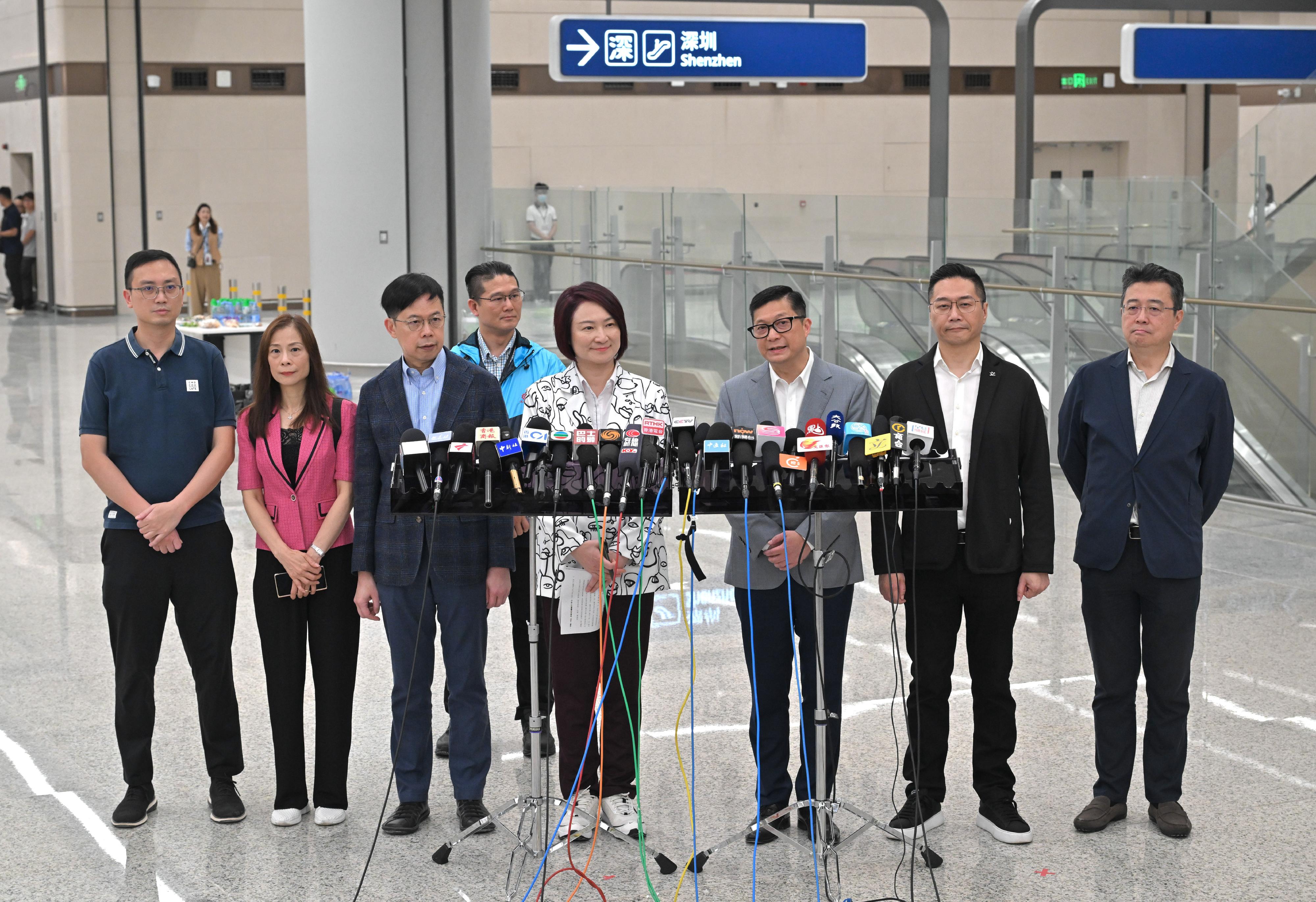
More than 100 tests and drills to assess traffic flow, crowd control and anti-terrorism measures will be conducted at the new Huanggang Port ahead of its official opening.
The steps were announced by Chris Tang Ping-keung, secretary for security of the Hong Kong Special Administrative Region government, on Saturday after accompanying legislators to inspect the rebuilt crossing between the SAR and Shenzhen.
Large-scale drills involving more than 10,000 people will be carried out jointly with the Shenzhen authorities – a similar practice adopted before the opening of the Kai Tak Sports Park in March last year – to test the new port’s passenger capacity.
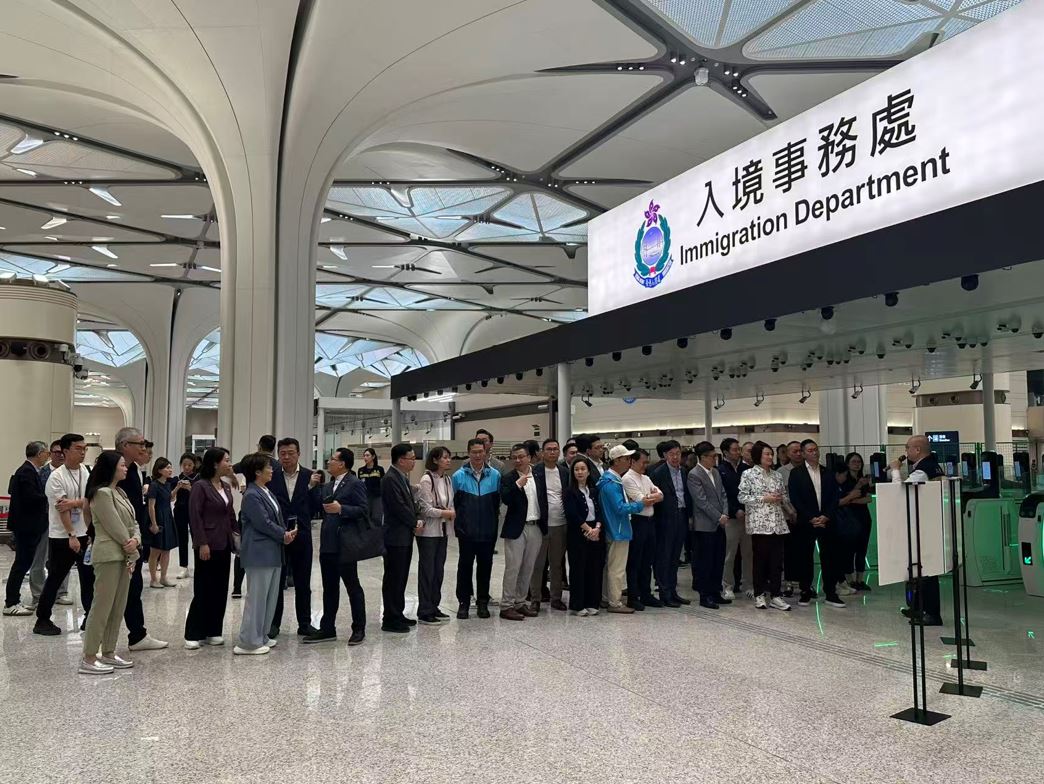
More than 30 Hong Kong lawmakers, led by Legislative Council President Starry Lee Wai-king, visited Huanggang Port’s Hong Kong port area – a section of the boundary crossing that has been authorized by the National People’s Congress Standing Committee to exercise HKSAR jurisdiction.
The HKSAR government and the Shenzhen Municipal People’s Government signed agreements on Thursday to implement the colocation arrangement and the SAR’s jurisdiction over the Hong Kong port area and related extended areas.
IN PICTURES: A glimpse into new Huanggang Port
The legislators spent about an hour-and-a-half in the port area, and were briefed on the facilities and operation arrangements.
Tang said after the inspection the new port’s opening date has yet to be decided. More than 100 tests and drills in over 20 categories will be carried out soon, some involving cross-boundary collaboration, to ensure a smooth operation.
Apart from regular testing, the Hong Kong and Shenzhen authorities will co-organize large drills involving more than 10,000 people.
According to Tang, Huanggang Port is capable of handling 200,000 passenger trips per day, and the volume will be raised to 300,000 crossings daily after the land crossing is linked up with the Mass Transit Railway by 2034.
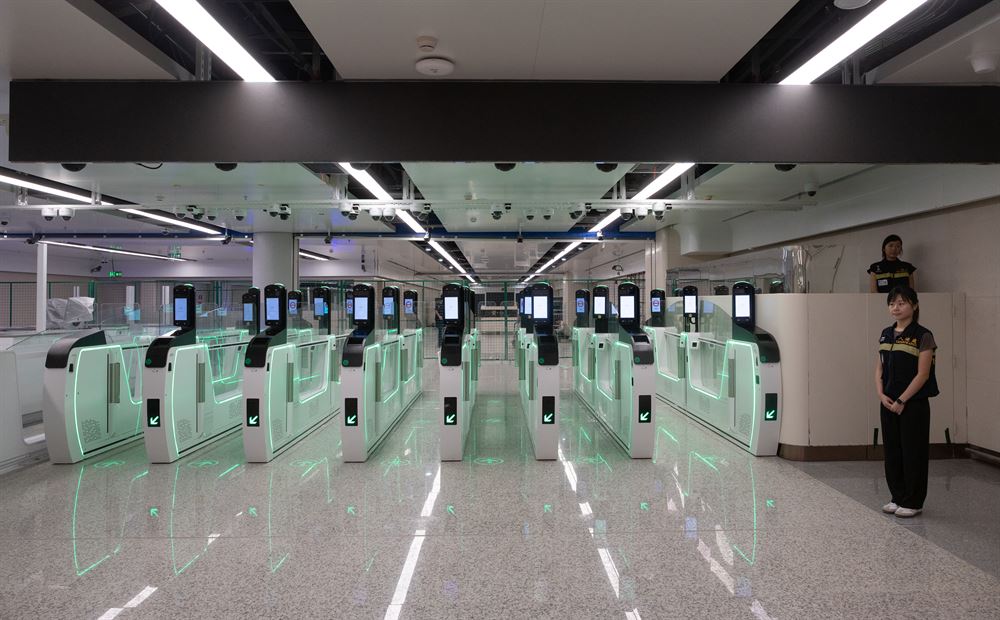
A new immigration clearance mode will be adopted at the new port, allowing travelers to complete clearance procedures on both sides, with their travel documents checked once.
ALSO READ: HKSAR, Shenzhen sign deal on Huanggang port colocation arrangement
Lee said the port’s collaborative inspection and joint clearance mode, and the one-stop joint services immigration lanes, can significantly shorten crossing times, providing a better experience for travelers.
She said the new crossing is more than a livelihood project. It’s also an important facility for Hong Kong to better integrate into and serve the nation’s overall development.
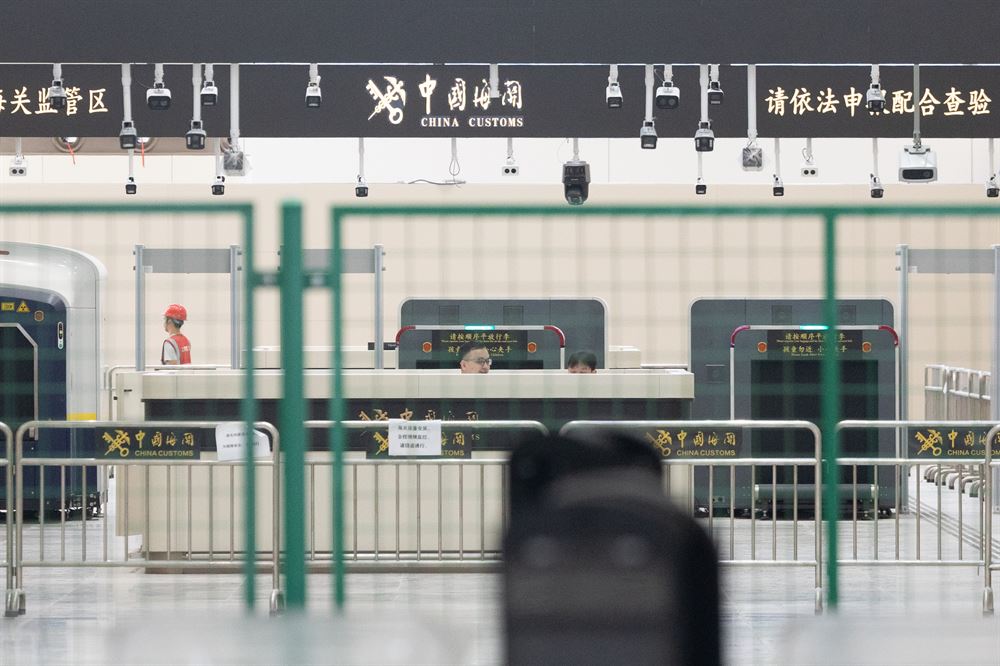
Huanggang Port is a key supporting facility for Hong Kong’s future development as an international hub for science and technology innovation, Lee said, adding that the port can further facilitate the flow of people, vehicles, goods and other vital elements between Hong Kong and Shenzhen with the development of the Northern Metropolis – Hong Kong’s most ambitious urban transformation project – and the advancement of the nation’s 15th Five-Year Plan (2026-30).
Lawmaker Ben Chan Han-pan agreed with the importance of carrying out tests and drills as the port is expected to see heavy commuter conditions after its opening.
Chan, who chairs the LegCo’s transport panel, said technology could be introduced to keep passengers and drivers updated on the traffic conditions inside and outside the port.
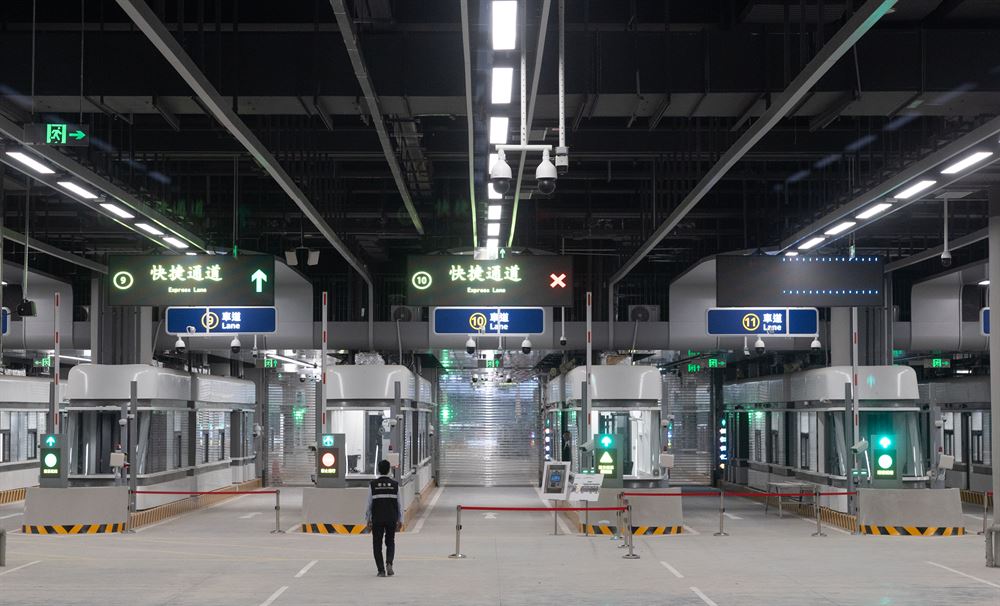
For private vehicles, the port will opt for an innovative five-in-one inspection channel – a design that integrates the inspection procedures of five separate departments of Hong Kong and the Chinese mainland – allowing drivers to complete clearance with only one stop and one data collection session.
Hong Kong’s Transport Department had earlier planned a new public transportation network for Huanggang Port, including extending three existing and adding four new bus routes. The routes will provide direct access to multiple major areas across Hong Kong Island, Kowloon and the New Territories.
READ MORE: LegCo passes Huanggang port bill
Other transportation services available at the port will cover green minibuses, cross-boundary coach routes and taxi services.
After exiting the new port in Shenzhen, Hong Kong passengers can transfer to the city’s Metro Line 7 and other public transport services.
Contact the writers at atlasshao@chinadailyhk.com
