

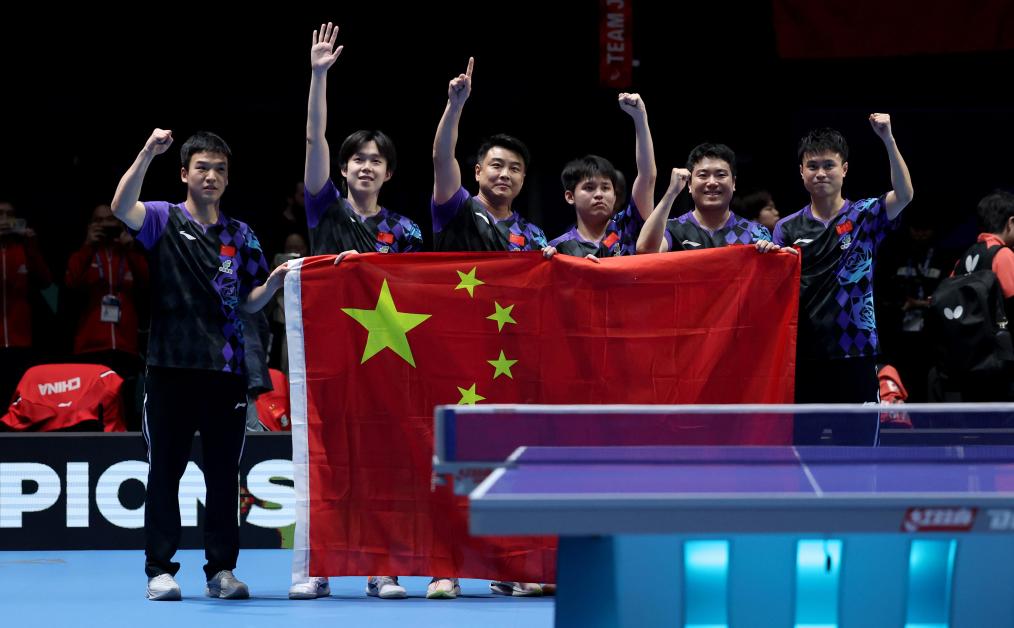
Being a top medal contender at the Olympics is no longer enough, it seems, as China rolls out a new five-year blueprint to take its overall sporting prowess, on and off the field of play, to new heights.
China has reiterated its ambition of becoming a more complete, world-leading sporting nation, articulating its plan in a newly released five-year roadmap for sports development.
The plan, which was approved by the State Council and issued by the General Administration of Sport of China on Wednesday, is to not only maintain the country's strong performances at elite competitions, such as the Olympics and various world championships, but also improve the overall physical and mental health of the national populace through more accessible sports participation.
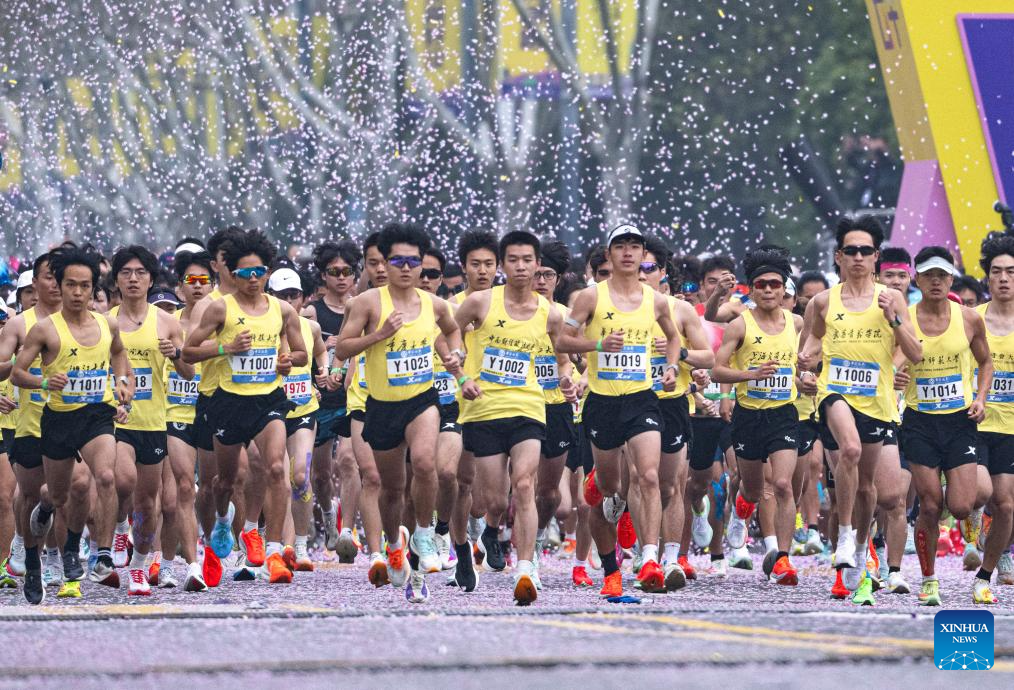
At the core of this new blueprint, a nationwide infrastructure project is tasked with increasing the per-capita area of sporting facilities to four square meters by the end of 2030, up from 3.11 sq m in 2025, while raising the proportion of people taking regular exercise, who take part in sports activities at least three times a week at medium intensity, to around 40 percent of the total population.
Sports governing bodies are expected to work with local urban development authorities and property developers to tap into the potential of underused urban spaces, including roadside areas, rooftops and park lawns, to build and renovate at least 5,000 small-scale, mobile and accessible fitness centers or gyms in the next five years, prioritizing their use for the elderly, children and people with disabilities.
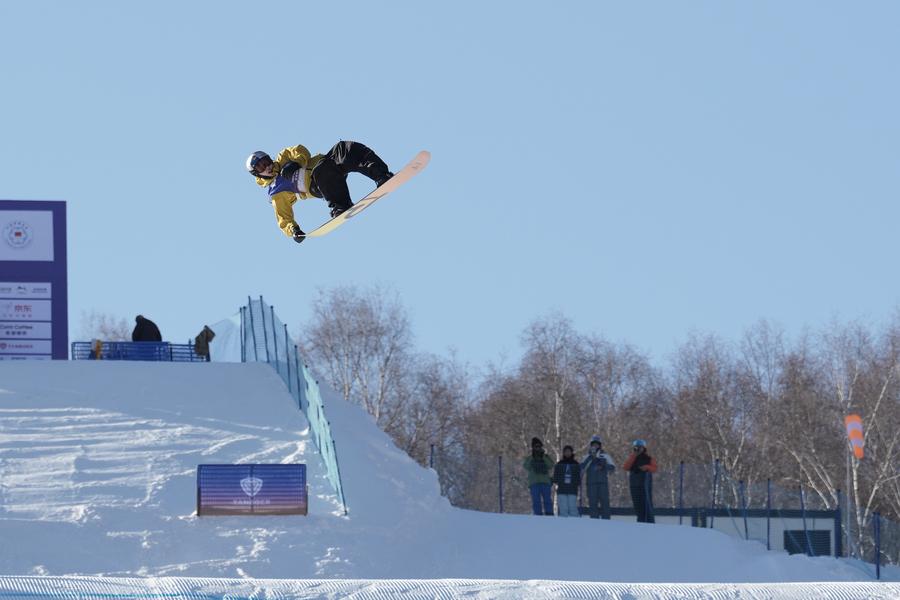
As inspired as they may be watching the nation's top athletes winning Olympic medals, people's demand for comprehensive and affordable community sports facilities in China is yet to be fully met, while the current imbalance in sports resource distribution between urban and rural areas remains a pressing issue, according to experts.
"The entire plan was developed around one priority, and that is the people's well-being," said Huang Haiyan, a sports industry researcher at Beijing Sport University.
"And to meet that growing demand, it's not just about building more facilities. It's more about making sports participation a way of life," said Huang, who's also dean of BSU's school of management.
The blueprint, which articulates 38 key tasks across areas such as mass fitness, elite sports, physical education and anti-doping programs, has been integrated into China's 15th Five-Year Plan (2026-2030).
ALSO READ: China's grassroots leagues kick sports economy into high gear
It's the first time that the sports sector's own near-term plan was officially included in the country's holistic development roadmap for the next five years, said Wei Zhenyong, a deputy director of the policy and regulation department of the GASC.
"It shows that sport's evolving role as a facilitator for coordinated development of public health, economic growth and urban civilization has been recognized at the highest level," said Wei.
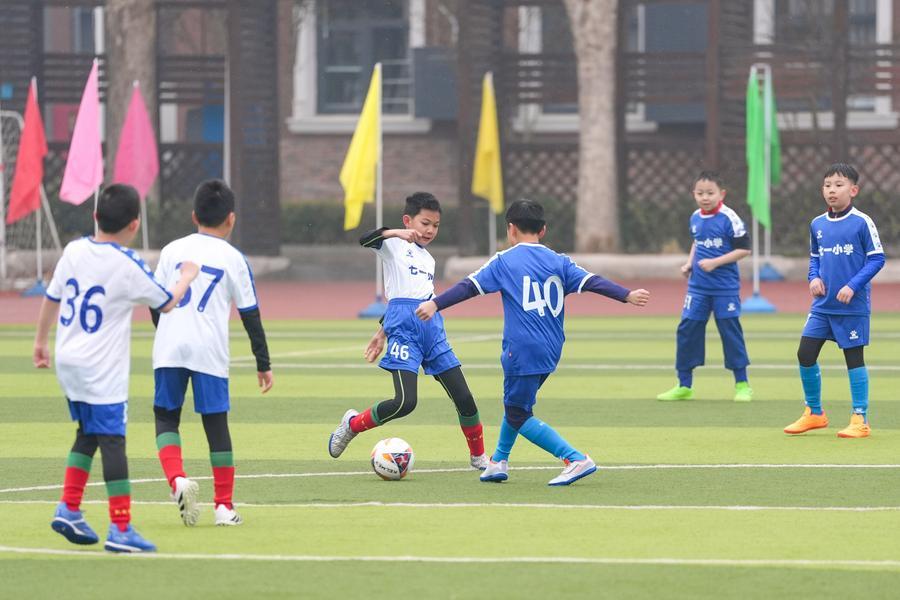
The increasing emphasis on mass fitness, youth development through PE and the sports industry's contribution to economic growth, highlighted by such guidelines, has signified a monumental shift, said scholars.
"Ever since we dominated the overall medal table at our home Olympics of Beijing 2008, winning glory for the country at international events has not been the sole priority of the sports sector," said Tan Jianxiang, a sports sociology researcher at South China Normal University.
"Sport is supposed to play a more profound and more versatile role in the nation's social and economic development, and this is where a great potential remains in our country."
The plan also calls for a comprehensive upgrade of China's State-run elite sports program, through management reform, more transparent talent selection and better scientific support, to help cement the country's status as a world-class contender at future Olympics and world championships.
In the next five years, together with education authorities and schools, more investment should be made at the youth level to encourage more participation, improve coaching and expand the talent pool at the grassroots level to help improve China's currently underperforming collective big-ball sports, such as soccer, basketball and volleyball.
At the elite level, reviving China's men's national soccer program, which has seen its senior side miss out on six consecutive FIFA World Cups, matters a lot for realizing the country's goal of becoming a true global sporting power by 2035, Gao Zhidan, director of the GASC, said in March during the two sessions.
ALSO READ: Sports minister sets out China's plan for 'sporting powerhouse'
The dominant presence of national programs in six strength events — badminton, table tennis, gymnastics, weightlifting, shooting and diving — should, of course, be maintained.
The plan also set a goal for the total value of the country's sports industry to surpass seven trillion yuan ($1.03 trillion) by the end of 2030, up from 3.84 trillion yuan in 2024, by further tapping potential in fitness services, sports entertainment and sports tourism.
Beyond the field of play, to foster a healthy sporting culture and combat "toxic" fandom, a long-term, multi-department, collaborative governance mechanism will be established to tackle online abuse and defamatory posts targeting athletes and coaches.
