

Singapore family's search for Chinese roots leads to extraordinary reunions
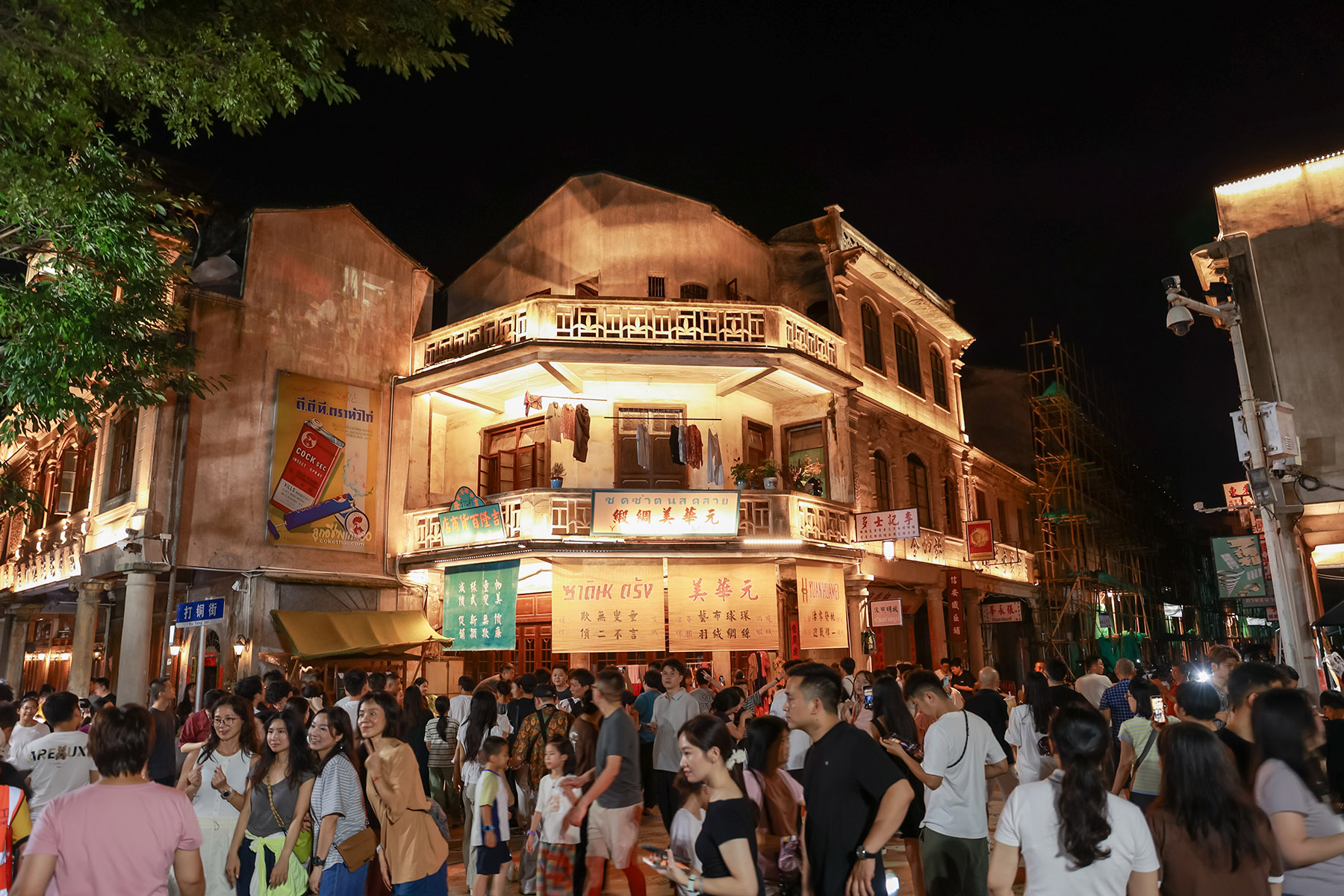
Editor's note: In this weekly feature China Daily gives voice to Asia and its people. The stories presented come mainly from the Asia News Network (ANN), of which China Daily is among its 20 leading titles.
When Jasmine Goh-Chew boarded a plane for Chaozhou in South China's Guangdong province in May, she carried with her a small hope.
The 11-day family vacation was planned around Teochew cuisine, family time and an opportunity for her elderly parents to see the ancestral homeland they had never visited. But she also packed a faded letter written in 1993 from a relative in China to her aunt in Malaysia, which she hoped might lead them to family they had never known.
It did. By the end of the trip, her family would reconnect not with one branch of relatives, but three.
"We came for a holiday with no expectations at all that we would find our long-lost families," said the 51-year-old mother of four children whom she homeschools.
READ MORE: Hit movie serves up a taste of nostalgia
"But I told my husband: it's now or never. Dad's getting old."
The family — Jasmine, her husband Raymond Chew, three of their four children, her parents, her mother-in-law, her older sister and brother-in-law, and her sister's father-in-law — had barely arrived in Chaozhou when chance intervened.
At the airport, an employee struck up a conversation and asked whether they had come to xunqin — to search for relatives. Yes, if such a thing were even possible, Jasmine replied. The employee mentioned volunteer groups that specialize in helping overseas Chinese trace long-lost family members.
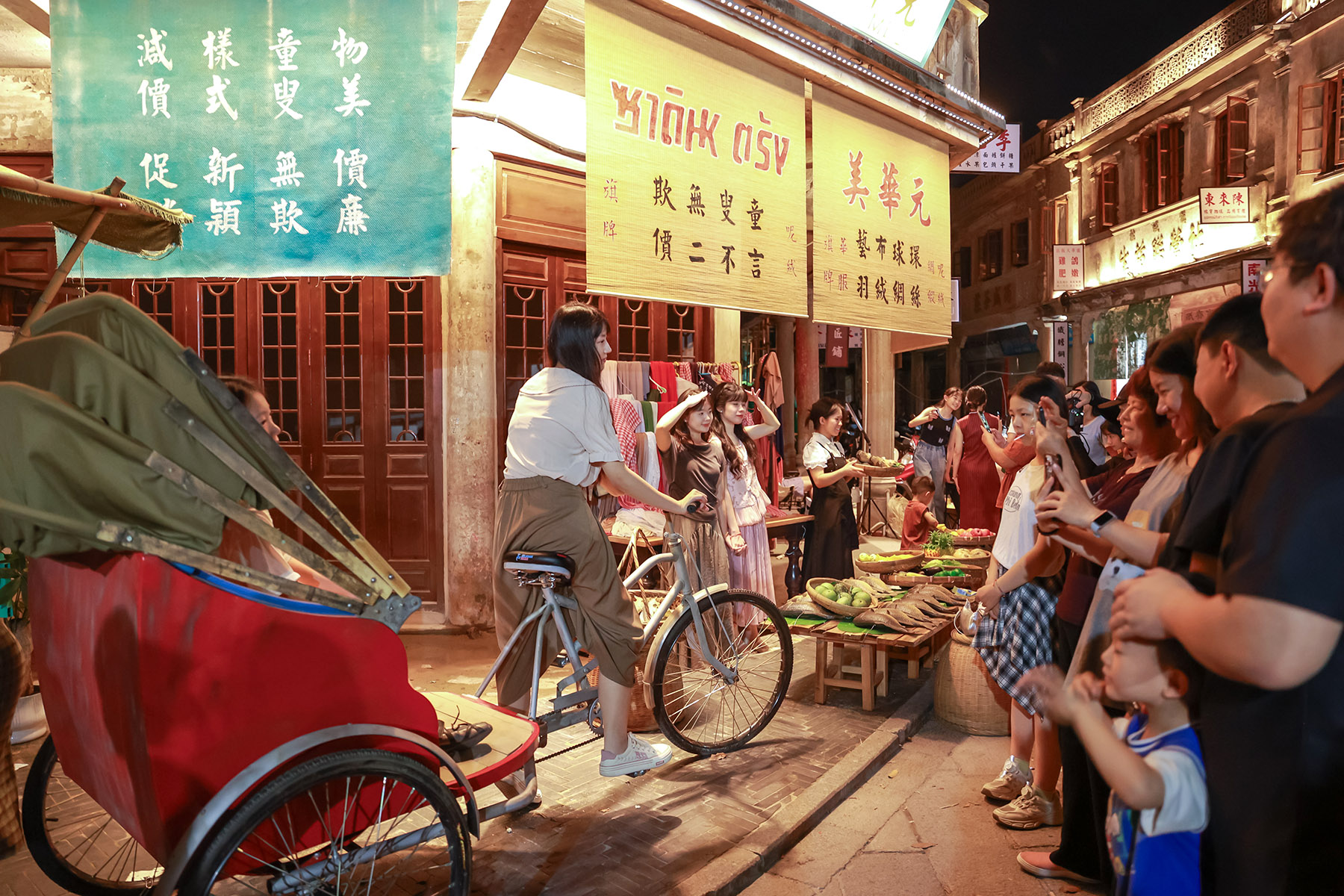
A few days later, while watching a performance of traditional yingge dance, they met another local who took them to a nearby cafe.
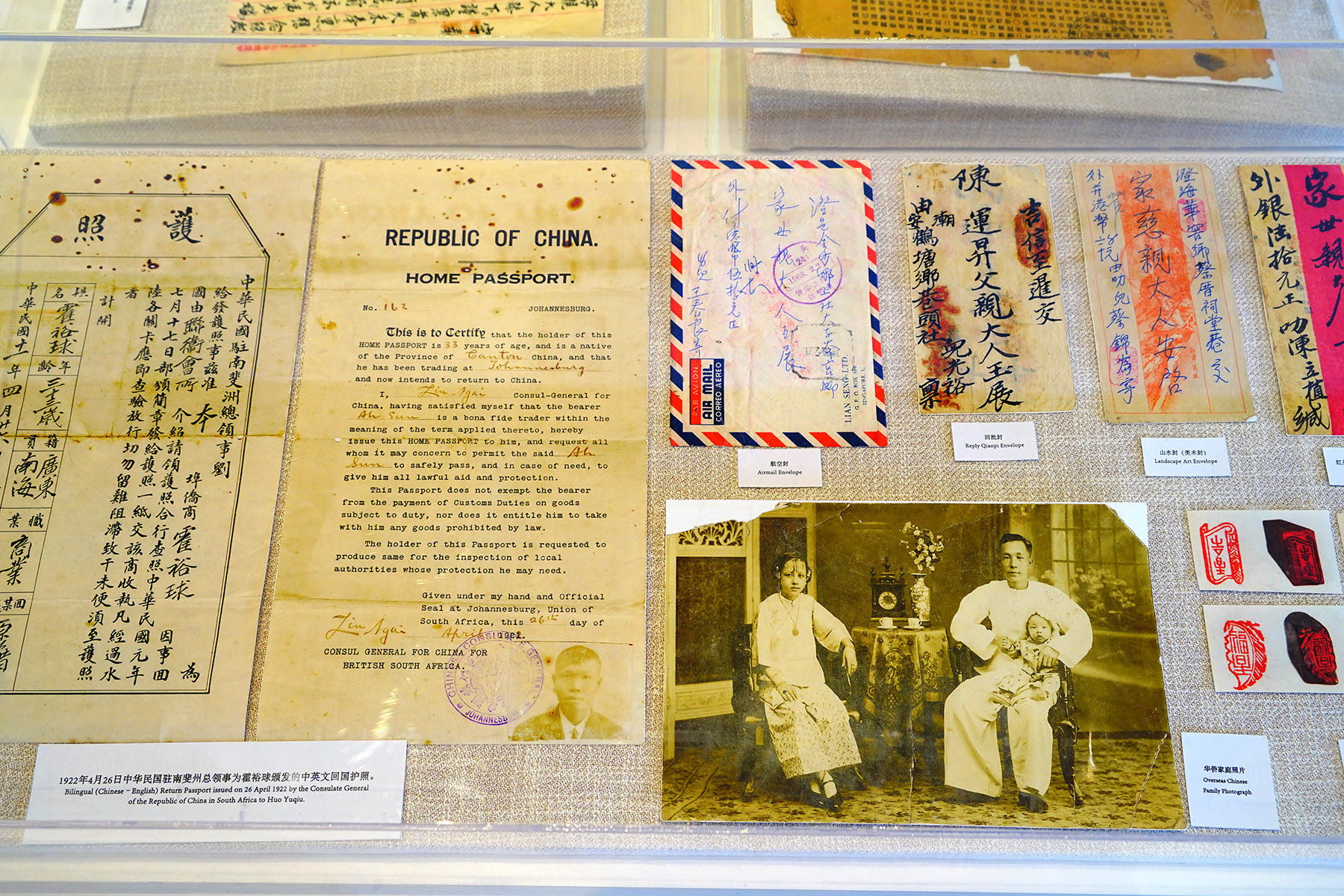
Inside was a library lined with qiaopi, remittance letters sent home by overseas Chinese, some dating back to the 1930s. Penned by homesick migrants who had left for Nanyang, or Southeast Asia, in search of work, they spoke of longing, sacrifice and families separated by oceans.
The cafe works with volunteers and the local authorities to preserve qiaopi culture while helping overseas Teochews trace their roots.
It was there that Jasmine met volunteer leader Zeng Jianpeng of Menggui Chaoshan, meaning "Dream of Returning to Chaoshan", a network of more than 3,000 volunteers spread across Guangdong, Fujian and Jiangxi provinces in China.
Zeng, 54, has spent a decade helping to reconnect families separated by migration, war and the passage of time.
When he first heard Jasmine's request, he was baffled.
"I heard that Madam Goh-Chew wanted to find relatives in three different places and wondered why one person was searching for three hometowns," said Zeng.
"It was only when I met the family that I realized she was searching on behalf of three different branches of the family — her father's family, her mother's family and her husband's family."
Following the clues
Around a dozen volunteers immediately fanned out to begin the search.
For Jasmine's mother's family, there was only the 33-year-old letter written by a man surnamed Chua in Shantou, to Jasmine's late aunt in Malaysia. Nobody remembered exactly how he was related to the family.
The address on the envelope led nowhere. Street numbering had changed. With help from local police, volunteers eventually tracked down the sender's descendants.
"They had always known they had relatives in Singapore," said Zeng. "But they didn't really know who they were because the older generation had all died."
When the two families finally met, something incredible happened.
More than 30 years earlier, neither family's elders were literate and able to write. On the China side, a young woman had penned the letter on behalf of the Chua patriarch. Back in Singapore, Jasmine, then a teenager, had replied on behalf of her aunt, something she had completely forgotten. Neither side imagined they would ever meet.
Three decades later, each woman arrived carrying the letter the other had written.
The surprises did not end there.
As the families pored over the zupu, or genealogical record, they discovered that the man whose letter Jasmine had kept for 33 years was her mother's eldest brother, who was left behind in China and later raised by another family. And the woman who wrote the letter on his behalf was his daughter and Jasmine's first cousin.
"The reunion didn't simply reconnect two families," said Zeng. "It reconstructed their family tree."
For Jasmine's 79-year-old mother, Chua Kee Chu, the encounter was almost beyond belief.
"I never thought in my lifetime that I could meet them," she said. "I was very moved."
The search for the relatives of Jasmine's father was more straightforward but no less meaningful.
All 85-year-old Goh Kian Chen knew was that his father had come from a place called Goubian Village.
The problem was that there were three villages with that name. The volunteers eventually found the right one, and with it, Goh's cousin and the house his father once lived in.
"I wanted to do this for him, to let him step into his father's house," Jasmine said.
"It's not just finding a house," Goh added. "It's discovering your roots and where you came from."
The hardest search was for Raymond's family.
The only clue was a photograph of his grandfather's gravestone before it was exhumed from Choa Chu Kang Cemetery. It bore the words "Xiwei Village".
But across the larger region known as Chaoshan that includes Chaozhou, more than 10 villages bear that name.
Volunteers compared village histories, surnames and migration records before narrowing it to one village in Shantou.
Even then, time was running out.
"Madam Goh-Chew's family only had two or three days before returning to Singapore," Zeng recalled.
"We mobilized our volunteer network, published an appeal through our WeChat public account and posted videos online. Very quickly, information came back identifying the exact household."
The reunion revealed another forgotten family story.
Raymond learned that his grandfather, like countless migrants who left for Nanyang, had faithfully sent remittances home every month.
"That HK $100 arrived every month, usually on the 28th or 30th," Zeng said. "They told us that money kept them alive. It was their livelihood."
Not every reunion begins with tears. Some Chinese relatives were initially worried the Singaporeans had come to claim ancestral property. The Singaporeans wondered whether these strangers were really family. The volunteers deftly played mediator until everyone realized neither side wanted anything except connection.
One evening, the newly reunited families went together to watch Dear You, the hit Chinese movie about family bonds, loss and reconciliation, which was showing in movie theaters.
"We watched together, and we cried together," Jasmine said.
Over the past decade, Menggui Chaoshan has reunited more than 1,000 families, including at least 18 from Singapore and more than 80 from Malaysia, as well as overseas Chinese from countries like the United States, Canada and France.
Representative case
Zeng calls Jasmine's case "one of the most representative overseas Chinese cases" the group has handled.
"Success depended not on luck, but on preparation," he said. "They arrived with letters, photographs of gravestones, village names and other valuable clues."
Since the release of Dear You, interest in tracing family roots has surged, particularly among Malaysians, while filming locations across Chaoshan have become tourist attractions in their own right.
ALSO READ: China's word-of-mouth hit "Dear You" crosses 1b yuan at box office
Jasmine's own journey, however, did not end when she flew home.
She has since become one of the volunteer group's newest members, helping Chinese families find their relatives in Singapore. She has already helped reunite two families. A third chose not to reconnect, a decision the volunteers respected.
"We went without thinking we would find our families," she said.
"And yet, having found them, we are all now deeper in our roots. We've continued talking to our new families, and reminisced about the past and the history lost.
"My heart is so full. It's something I want other people to experience too."
