

Indonesia villagers pay the price for expansion of coal mining
Editor's note: In this weekly feature China Daily gives voice to Asia and its people. The stories presented come mainly from the Asia News Network (ANN), of which China Daily is among its 20 leading titles.
In South Sumatra's Muara Maung village, coal mining has become an inescapable part of daily life, with expanding operations choking the community's air, land and water, leaving residents to grapple with worsening environmental degradation.
For 47-year-old Sumhayana, the impacts are impossible to escape. Since several coal mines began operating near the village, flooding has become a recurring reality.
This year alone, her home has been flooded three times. The latest deluge, in late April, inundated her neighborhood, swept away crops in her farmland, and left her house coated in 10-centimeter-thick mud.
"Flooding brings so much hardship. I spend hours cleaning my house after the water recedes, and I have to be more vigilant about diseases that usually spread during floods," she told The Jakarta Post recently.
READ MORE: Indonesia looking at levy on coal exports to boost state coffers
Sumhayana said life in Muara Maung has changed profoundly as coal mining operations continue to expand around the village.
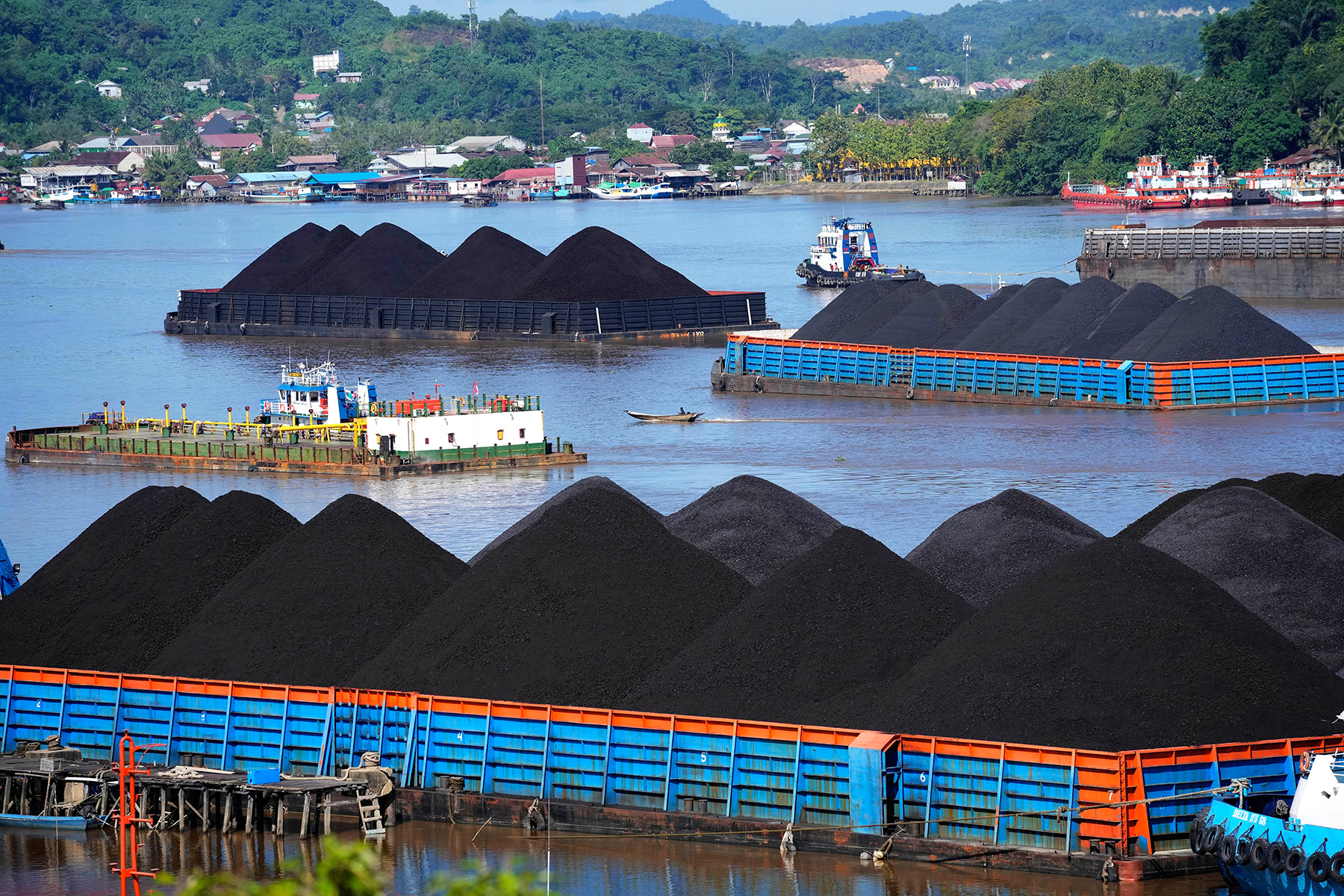
The relentless roar of coal trucks now rattles through the village day and night, shattering its once-peaceful atmosphere and leaving roads cracked and damaged under the weight of heavy vehicles.
In the dry season, clouds of coal dust billow through the village, settling on rooftops, yards and furniture, forcing residents to clean their homes almost every day. When the rains come, many roads turn into muddy, waterlogged tracks.
The nearby Kungkilan River, once the village's lifeline, is no longer fit for daily use. As its water quality has deteriorated, residents have been forced to drill wells or buy clean water instead.
Muara Maung village sits in Merapi Barat District, Lahat Regency, at the heart of one of South Sumatra's coal-producing areas.
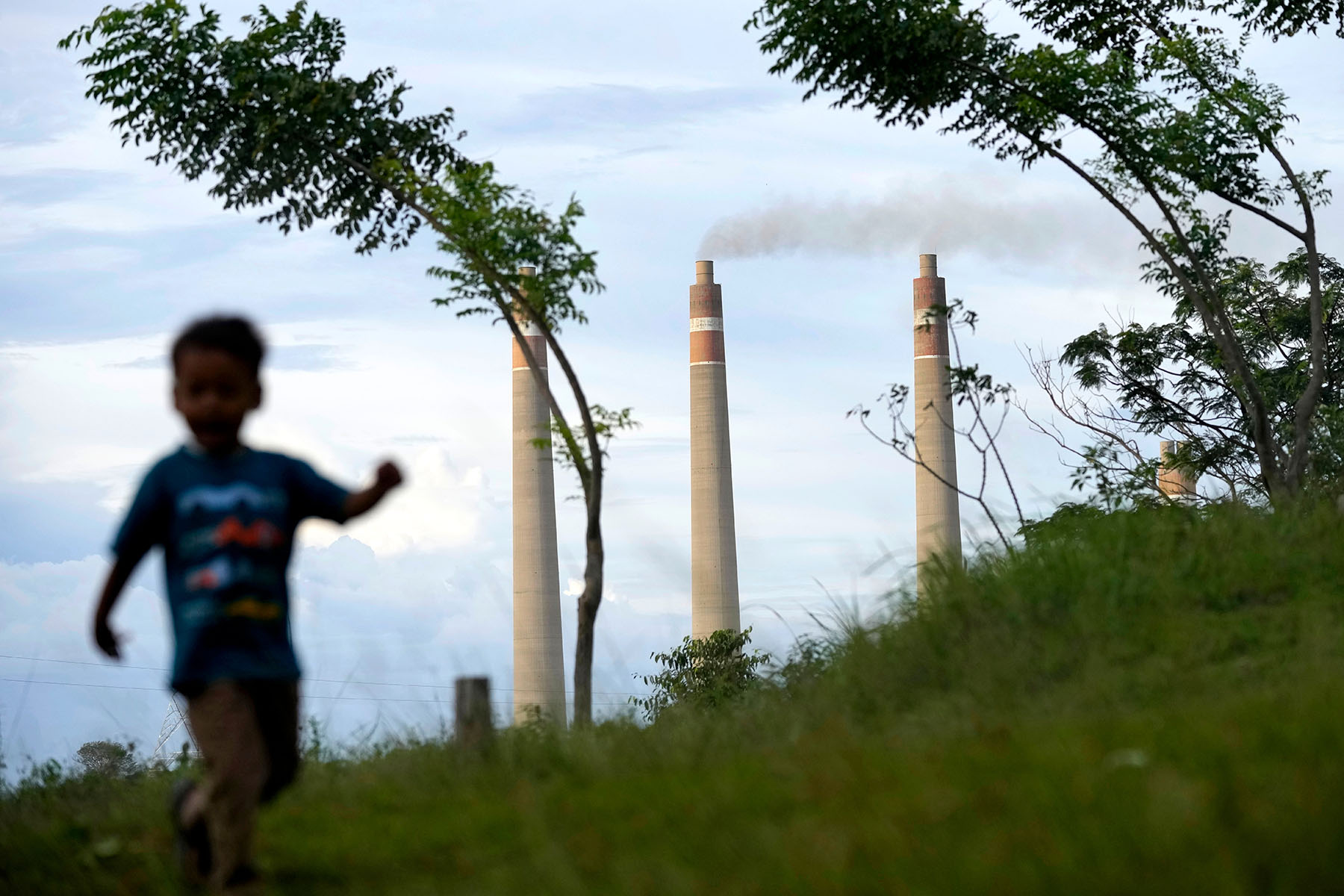
In 2023, Lahat recorded 171 active mining permits. Mining activities, together with the 220-megawatt coal-fired power plant in the regency, have long been promoted as important pillars of the local economy and a key source of electricity for southern Sumatra.
Yet for communities living alongside these industrial operations, the benefits of development are accompanied by growing environmental pressures.
Melia Santri, a 24-year-old resident of Muara Maung, has spent years struggling with recurring allergies that she attributes to prolonged exposure to coal dust from nearby mining operations.
"It feels as though something is stuck inside my nose, like there is something trying to come out, but nothing does. It is extremely disruptive to my daily activities," she said.
Seeking relief, Melia visited the local community health center, hoping to obtain a referral to see a specialist at a hospital. Instead, she said, her request was rejected, leaving her to manage the condition on her own.
Frustrated by the worsening environmental impacts of coal mining around Muara Maung, Sumhayana and other villagers visited PT Muara Alam Sejahtera, or PT MAS, one of three coal mining companies operating near the village, on July 16. The residents urged the company to take responsibility and help address the recurring floods that have plagued the community for years.
Compensation demand
During a meeting with PT MAS representatives and officials from two other mining companies who later joined the discussion, villagers called for compensation, river normalization and the construction of flood barriers to reduce the risk of future flooding.
Sumhayana said the companies' response left villagers disappointed. Instead of offering immediate solutions, she said, representatives asked for a week to consult with their respective management teams.
"I was disappointed with their response. Flooding has happened repeatedly. They should have acted faster. It has been ignored for months, and now they are delaying it again," Sumhayana said.
ALSO READ: Indonesian parliament set to vote on amendment to mining law
The Jakarta Post contacted PT MAS seeking clarification on Muara Maung residents' complaints about flooding and environmental impact. The company confirmed the July 16 meeting with residents but declined to address the specific concerns raised.
According to Statistics Indonesia, the country exported roughly 524 million metric tons of coal for all uses in 2025. Data from the International Energy Agency confirms Indonesia holds its spot as the world's largest exporter of thermal coal used for power generation.
The Iran war triggered a brief price spike, increased Asian gas-to-coal switching, and caused Jakarta to loosen strict planned production cuts.
Indonesia initially planned to cut 2026 production down to 600 million tons, but the war prompted the government to raise output quotas back up and consider centralized state export controls, according to Heatmap News, a new media company focused on climate change.
