

China's micro-short drama industry has grown into a 100-billion-yuan phenomenon, and is reshaping perceptions of the genre, Xu Fan reports.
As one of the easiest forms of entertainment to consume on a smartphone, micro-short dramas — vertically shot, packed with cliffhangers and delivered at a breakneck pace — have evolved into a cultural and economic phenomenon in China.
Four months after the National Radio and Television Administration, the sector's top regulator, announced that the industry's market size had surpassed 100 billion yuan ($14.7 billion) — almost double its 2024 figure — the State Council Information Office organized a group interview that, for the first time, invited a micro-short drama director to share key rules for producing hits.
Latest figures from the administration also showed that a total of 33,000 such dramas were streamed online last year, an increase of around 50 percent year-on-year and reaching nearly 700 million viewers. In addition, more than 800 Chinese micro-short drama applications have been available in overseas markets, generating a total revenue of $3.24 billion in 2025 and $1 billion in the first quarter of 2026, according to the administration's development research center.
READ MORE: Micro-dramas reshape China's film economy
For an industry once dismissed as inferior — largely because most of its tales relied on exaggerated and melodramatic plots — the SCIO's event has been interpreted by some insiders as a positive signal encouraging the creation of higher-quality content. The mainstream genres of the past, for instance, often revolved around a protagonist waking up to find herself resurrected and time-raveling to a different era, or an ordinary woman discovering that her loyal lover is a secret billionaire.
Formula behind a hit
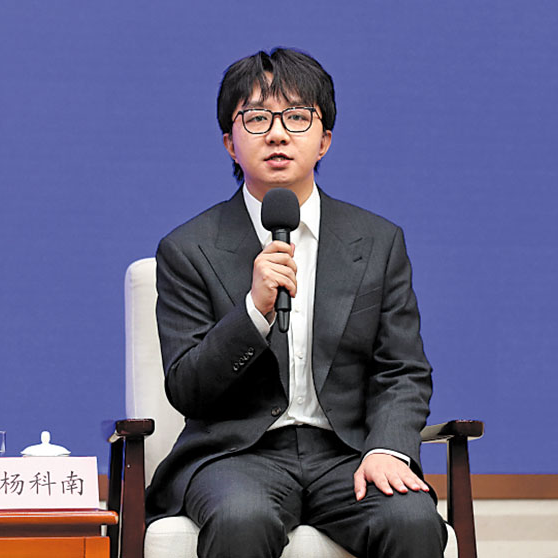
"It was around 2020 that the short-video industry started to boom," Yang Kenan, a 35-year-old director from the influential micro-drama production company Shanghai Tinghuadao Cultural Media, told China Daily after attending a State Council Information Office event on June 5.
Having started working in the entertainment industry over a decade ago, Yang — previously a scriptwriter and advertisement producer — has witnessed the unprecedented expansion of micro-short dramas.
Recalling that he was one of the earliest figures to have been part of this landmark shift in online content — from its early wild, rapid development to its current more regulated and quality-driven trend — Yang says the industry, despite being labeled as "fast-food culture" in the public's eyes, could also tell stories with emotional power, heartfelt warmth and positive connection.
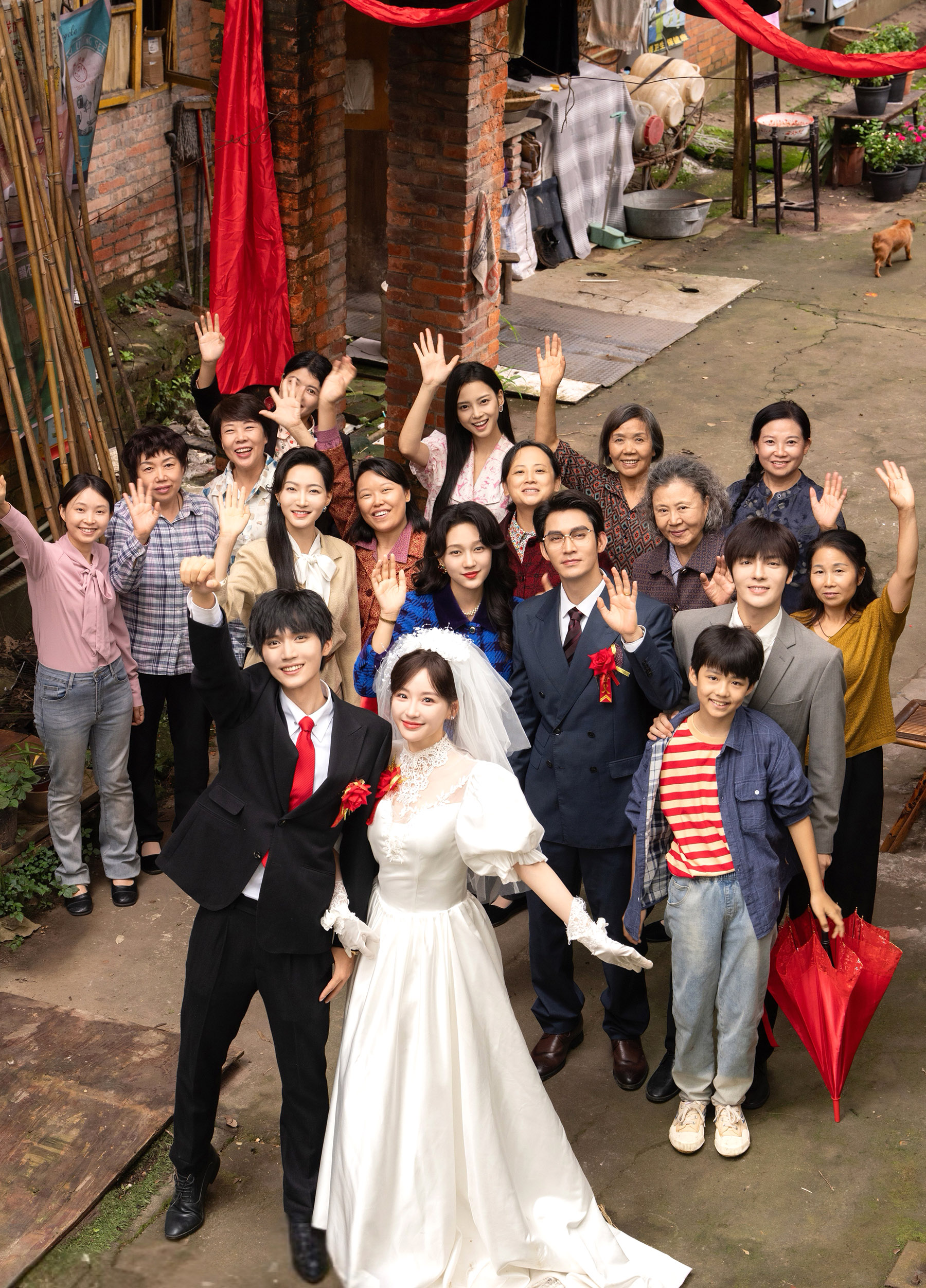
Yang's My Sweet Home, one of the country's most popular micro-short dramas, is such an example. The first season, consisting of 79 episodes and released in March last year, is set in southern Sichuan province and quickly soared as a sleeper hit, amassing 3 billion views online.
Unlike the typical soap-opera-style narrative of micro-short dramas, My Sweet Home employs a plain, down-to-earth, neighborhood tone. It follows an ordinary couple — two divorced people — as they work to establish a new family with the children each had from their previous marriages.

The series — which unfolds from the early 1980s and is spoken in the local dialect — naturally exerts the unique sense of humor that is a trademark of Sichuan natives. The husbands, for instance, are known for being "henpecked", a teasingly regional pride referring to men's respect for and gentle treatment of their wives, as well as their family-oriented nature.
As showcased in the franchise — whose second season, containing 111 episodes, helped propel the franchise's overall views past 6 billion — the well-crafted script includes sequences like the following: the female protagonist, a single mother cold-shouldered by her elder brother's family after the divorce, receives unexpected warmth from her second husband, a technology veteran and factory executive who resists his own mother's objections and gives his salary to his wife to handle every month.
Yang, a native of Southwest China's Guizhou province, notes that his local dialect and culture share similarities with those of Sichuan province, which made it easier for him to create the work with the help of fellow creators — some of whom are also from Sichuan.
Interestingly, big data played a role in deciding what dialect the characters should speak. "We conducted a lot of research online and discovered that the Sichuan dialect is quite popular on major social platforms like Douyin, with many dialect-based jokes created in it," Yang explains, shedding light on why the team made this choice.
He adds that the dialect primarily relies on differences in tone, but as long as it is spoken slowly, people from all over the country can generally understand it. "Therefore, the barrier to comprehension is relatively low," he adds.
Currently working on the franchise's third season, Yang believes the industry's long-term success still depends on one essential factor: storytelling. "No matter how the format changes, audiences ultimately stay for stories that can move them. That is what gives micro-short dramas lasting vitality," he says.
A bigger landscape
The industry's transformation has also gained recognition among insiders. Dong Tao, an industry researcher and council member of the China Literature and Art Critics Association, says that the sector's market value grew from just 940 million yuan in 2020 to 50.5 billion yuan in 2024, the first year it surpassed China's annual box-office revenue, before doubling again last year.
"For a long time, some industry insiders underestimated micro-short dramas," Dong says. "Now the focus should be on improving quality and production standards so that more compelling Chinese stories can reach international audiences."
Signs of that shift are already emerging. One recent example is Meng Ying (Dreaming Cinema), a tribute produced for the 120th anniversary of Chinese cinema. The story follows a film archivist who travels back to 1905 in search of the original reel of Dingjun Mountain, performed by Peking Opera artist Tan Xinpei and believed to be China's first film.
Leng Song, director of the audiovisual research office at the Chinese Academy of Social Sciences, believes the genre has gradually shed some of the stereotypes attached to it.
"Micro-short dramas were once criticized as 'digital pickles' and accused of promoting 'aesthetic decline'. However, as more creators explore history, culture and reality-based themes, the genre can also offer audiences a rich cultural feast," says Leng.
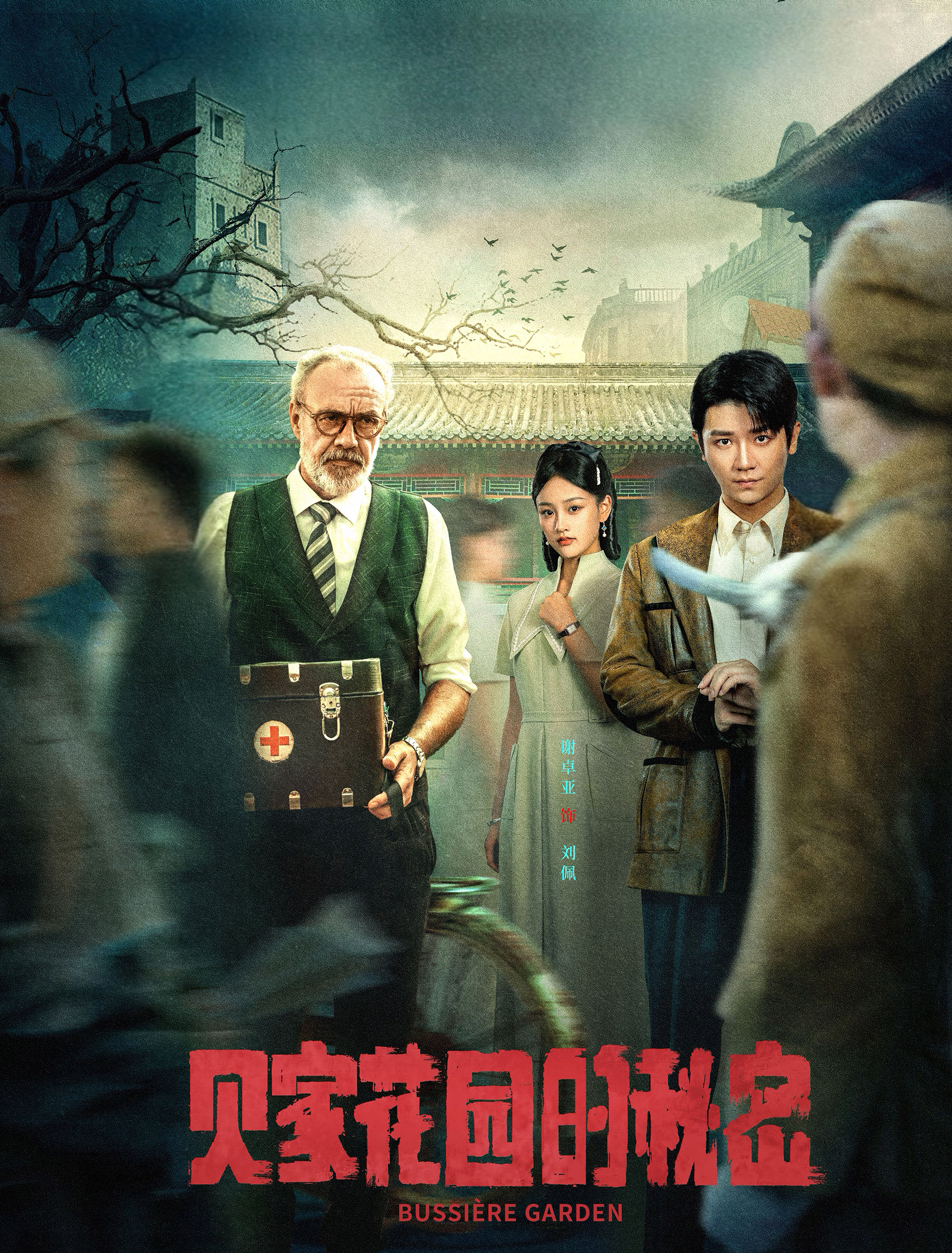
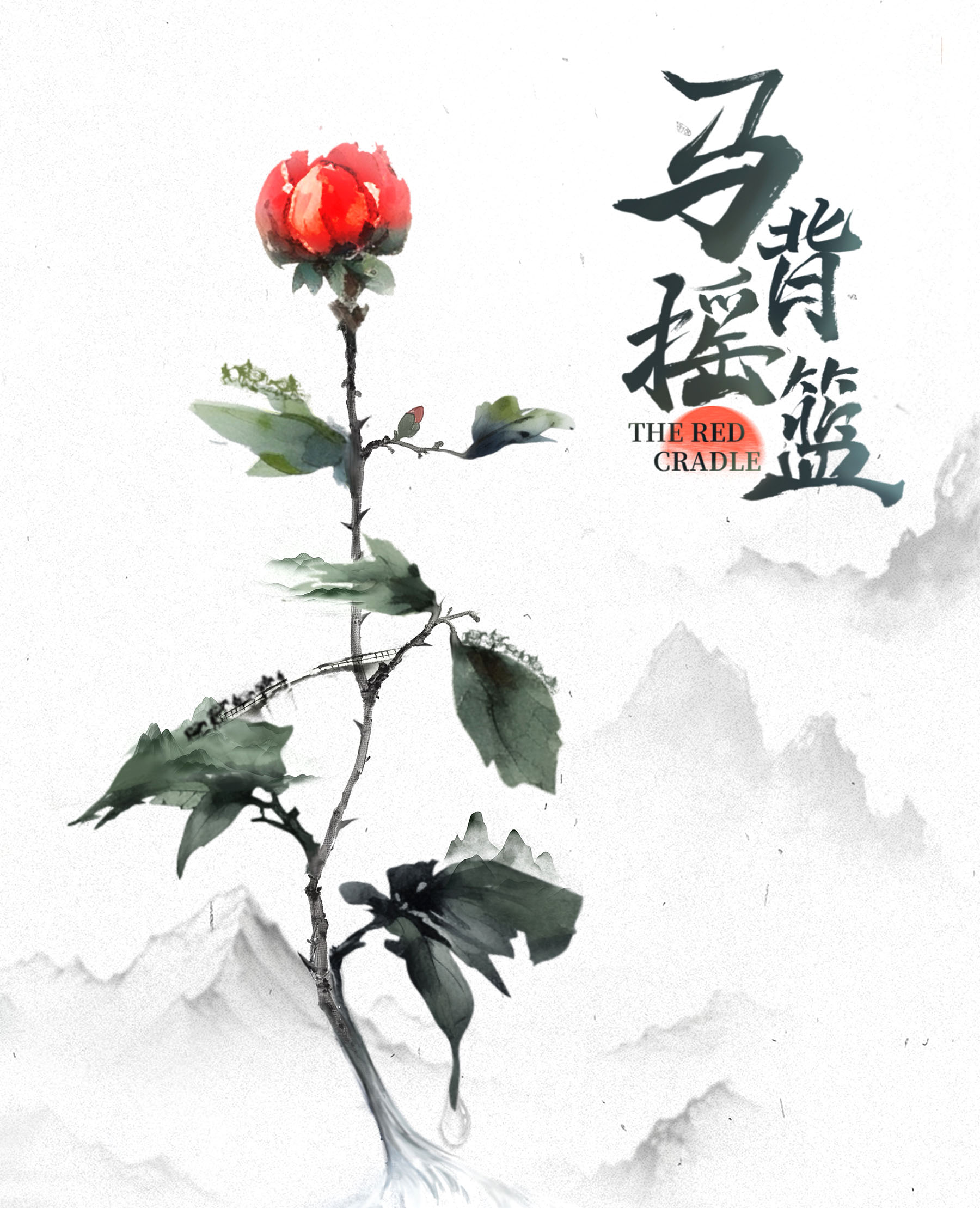
Popular examples include productions commemorating the 80th anniversary of the Chinese People's War of Resistance Against Japanese Aggression (1931-45). Among them are Bussiere Garden, inspired by the true story of French doctor Jean Augustin Bussiere, who transported medicine for the Eighth Route Army during the war, and The Red Cradle, about a nursery in Yan'an that escorted 136 children of martyrs to a safe zone in 1946, when the Kuomintang launched an all-out offensive against the liberated areas of the Communist Party of China.
ALSO READ: Chinese social media giant steps up investment in micro-drama industry
Meanwhile, the genre is increasingly moving beyond smartphones. Last year, 124 high-quality micro-short dramas were broadcast on the country's satellite television channels. Of those, 42 were produced in Beijing, the highest number among Chinese cities.
"Micro-short dramas are evolving from an emerging form of mass entertainment into a globally oriented content product that balances cultural expression with commercial potential. Their growing influence at home and abroad is helping Chinese stories cross linguistic and cultural boundaries to find shared emotional resonance," adds Leng.
Contact the writer at xufan@chinadaily.com.cn
