

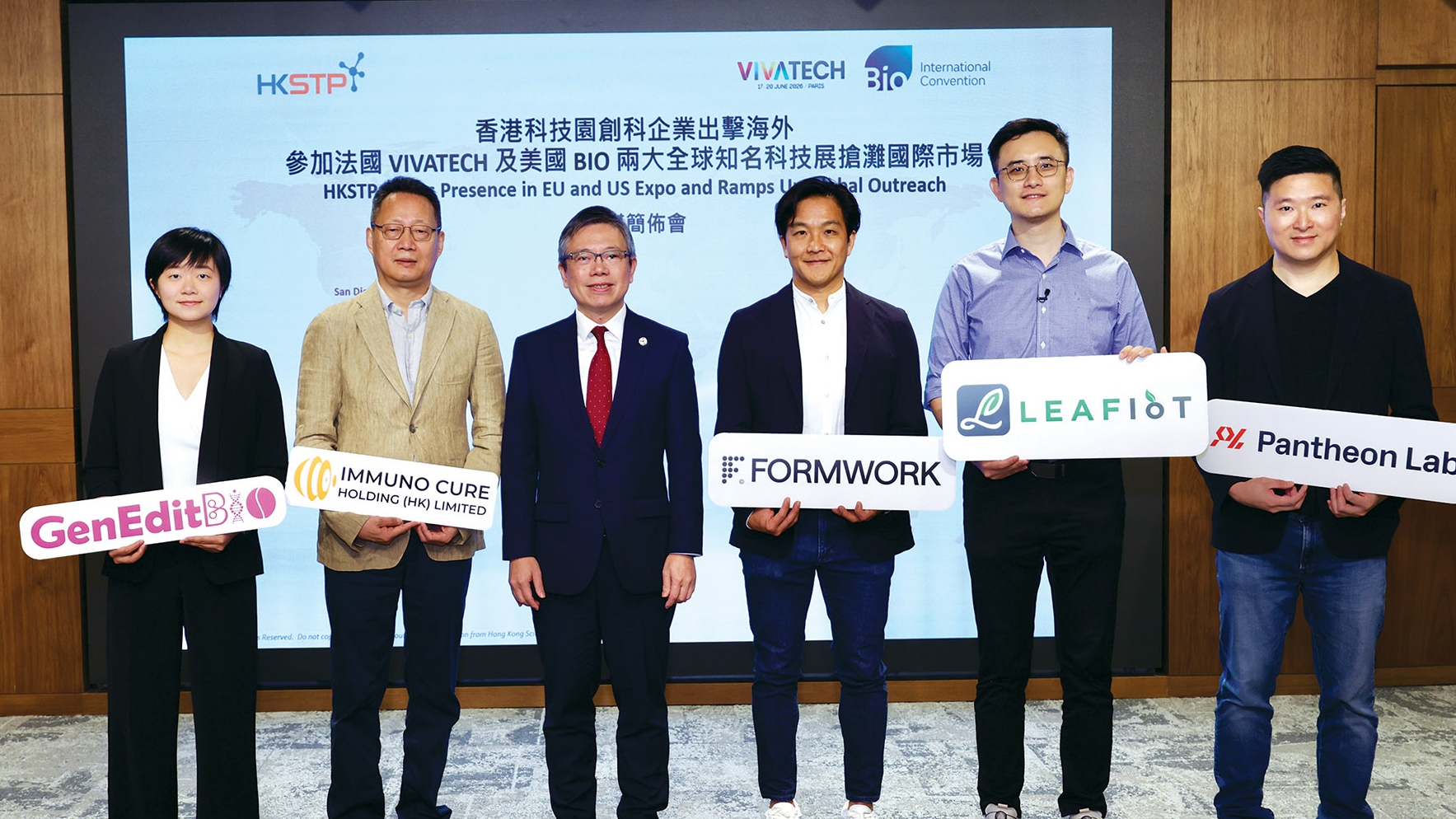
Hong Kong Science and Technology Parks Corporation (HKSTP), in collaboration with five local universities, along with InvestHK as the co-organizer and HKTDC as the supporting organization, is leading its largest-ever delegation to the BIO International Convention (BIO) 2026 to expand cooperation, investment, and mutual market access for ventures from the special administrative region and global stakeholders.
To be held in San Diego, the United States, from June 22 to 25, BIO 2026 is one of the world’s most prominent biotechnology conferences, bringing together more than 20,000 attendees from over 70 countries and regions.
The Hong Kong Pavilion will comprise 41 participants from the city’s life and health sector, including tech companies, research institutes, and university spinoffs, doubling last year’s number. Exhibitors will showcase their latest advancements spanning artificial intelligence-enabled biotech, therapeutics, diagnostics, and pharmaceutical innovation.
HKSTP Chief Executive Officer Terry Wong Ping-sau said the trip aims to highlight the strength of Hong Kong’s innovation and technology (I&T) ecosystem while deepening engagement with the global biotech community.
“We hope to strengthen ties with the international industry and enhance companies’ ability to expand into global markets, thereby supporting the continued development of Hong Kong’s I&T sector,” Wong said.
The delegation marks the first time HKSTP has joined forces with five local universities — the University of Hong Kong, the Chinese University of Hong Kong, the Hong Kong University of Science and Technology, City University of Hong Kong, and the Hong Kong Polytechnic University — all ranked among the global top 100 in this year’s QS World University Rankings.
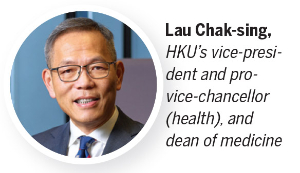 Lau Chak-sing, vice-president and pro-vice-chancellor (health), and dean of medicine of HKU, said participation in global events such as BIO 2026 is crucial to advancing Hong Kong’s life sciences and health technology sector and enhancing its competitiveness as a biotechnology hub in Asia.
“HKU strives to drive biomedical innovation and translate research to real-world applications. The launch of the HKU Techno-Entrepreneurship Core in 2023 strengthens startup support and fosters a dynamic innovation ecosystem. Through this event, we seek to attract global resources, including talent, technology and capital to accelerate the translation and commercialization of local research outcomes, reinforcing Hong Kong’s role as a leading biotech hub in Asia,” Lau said.
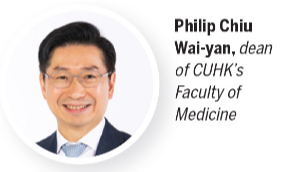 Philip Chiu Wai-yan, dean of CUHK’s Faculty of Medicine, said BIO 2026 offers a valuable platform to showcase Hong Kong’s biotech momentum, citing that many countries and investors are still not fully aware of the city’s achievements.
Chiu added that the trip will help startups and institutions connect with global investors and industry peers, while learning from other markets. “Hong Kong has indeed made progress in I&T, but has yet to gain full global recognition. We need to learn how to build a better ecosystem for our local sector,” he said.
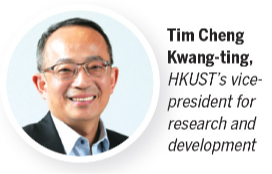 Tim Cheng Kwang-ting, HKUST’s vice-president for research and development, said, “BIO 2026 offers a timely platform to share Hong Kong’s vision at the intersection of medicine, science, and technology. With the establishment of the HKUST School of Medicine and its focus on training physician-scientists, we are strengthening our commitment to addressing real-world healthcare needs.”
He added, “In recent years, Hong Kong has developed a dynamic ecosystem spanning research, knowledge transfer, and real-world translation — turning innovation into meaningful outcomes for society. HKUST has a strong track record in translating research into real-world impact, and we see BIO 2026 as an excellent opportunity to engage global partners and foster meaningful collaborations that advance innovation and improve healthcare outcomes.”
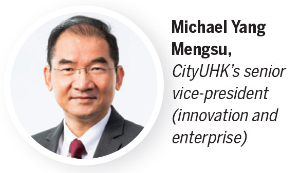 For CityUHK, bringing its breakthroughs in areas such as biomedicine and cell and gene therapy to the global stage is a key objective, said Michael Yang Mengsu, senior vice-president (innovation and enterprise).
Yang said the university aims to connect with world-class institutions and resources, while creating more opportunities for startups to apply their technologies, further strengthening the innovation and entrepreneurship ecosystems in both Hong Kong and the Chinese mainland.
Simon Lee Ming-yuen, a Cally Kwong Mei Wan professor in Biomedical Sciences and Chinese Medicine Innovation at PolyU, shared a similar view.
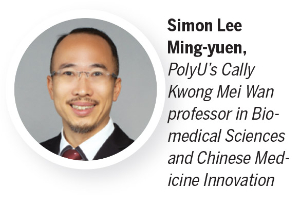 “I attended the event last year and we have been seeking collaboration. Several enterprises and investment institutions showed interest in working with us, so this time we hope to deepen those connections and secure more new partnerships,” Lee said.
Lee added that the delegation format, which brings together dozens of Hong Kong biotech companies, will also strengthen ties within the local industry and foster greater synergy.
Authorities across the Guangdong-Hong Kong-Macao Greater Bay Area have been stepping up efforts to foster deeper I&T and industrial synergy in recent years. This push is yielding global results. In the World Intellectual Property Organization’s Global Innovation Index 2025, the Shenzhen-Hong Kong-Guangzhou cluster ranked first among the world’s top 100 innovation hubs.
Meanwhile, since the Hong Kong Stock Exchange’s 2018 listing reforms — including the introduction of Chapter 18A to allow pre-revenue biotech companies to list — more than $17.5 billion has been raised through initial public offerings, making Hong Kong the world’s second-largest biotech fundraising hub.
Jin Xia, CEO of Immuno Cure and a member of the delegation, said the company will focus on forging partnerships with leading overseas pharmaceutical firms at BIO 2026 as it prepares for a potential Hong Kong listing.
Founded in 2015, the HKU spinoff specializes in DNA medicines and antibody immunotherapies for infectious diseases and cancers. Its core product, ICVAX — a therapeutic DNA vaccine for HIV — has completed Phase I clinical trials on the mainland and is moving to the next stage.
Apart from the home markets, Jin said the company is also targeting Europe and the US. “So this year (at BIO), we hope to secure more memoranda of understanding with contract manufacturing organizations to advance clinical collaboration,” he said.
The delegation also includes GenEditBio, a local startup focused on in vivo genome editing therapies. Its technology aims to deliver gene-editing tools directly into patients’ cells, addressing limitations of traditional cell-based manufacturing and transplantation.
During BIO 2026, HKSTP will engage various stakeholders, including a visit to the renowned Salk Institute, whose open and collaborative environment has successfully attracted several Nobel laureates and leading scientists. HKSTP will also host a series of sideline events, including pitching sessions, executive sharing, and networking activities, creating opportunities for commercialization, partnerships, investment, and expansion.
Wong noted that last year’s delegation signed multiple MoUs with leading overseas organizations, and said he expects this year’s results to be even stronger.
“The role of HKSTP is not just to provide support such as lab resources or incubation programs. We also strive to strengthen our role as a guide and orchestrator, bringing together the conditions and resources companies need, so that they can develop their careers with confidence,” Wong said.
Inno-tech Special
