

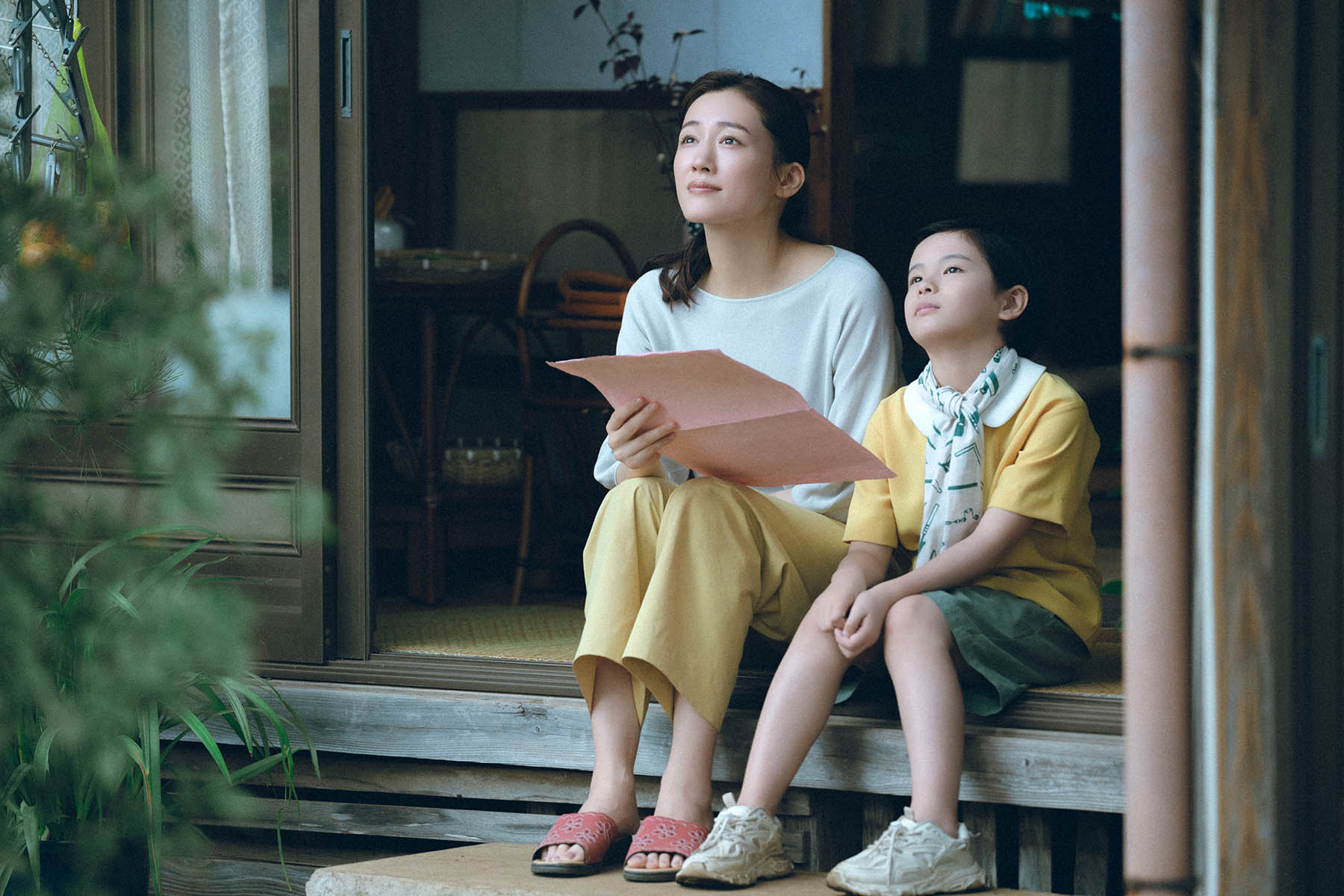
Films help propagate culture, teach, entertain and sometimes heal. The last of these can involve creating one’s own reality and using storytelling as a means of survival. That’s the central notion in both documentarian-editor Mary Stephen’s Palimpsest: The Story of a Name, as well as Sheep in the Box, the latest by Japan’s preeminent humanist, Hirokazu Koreeda.
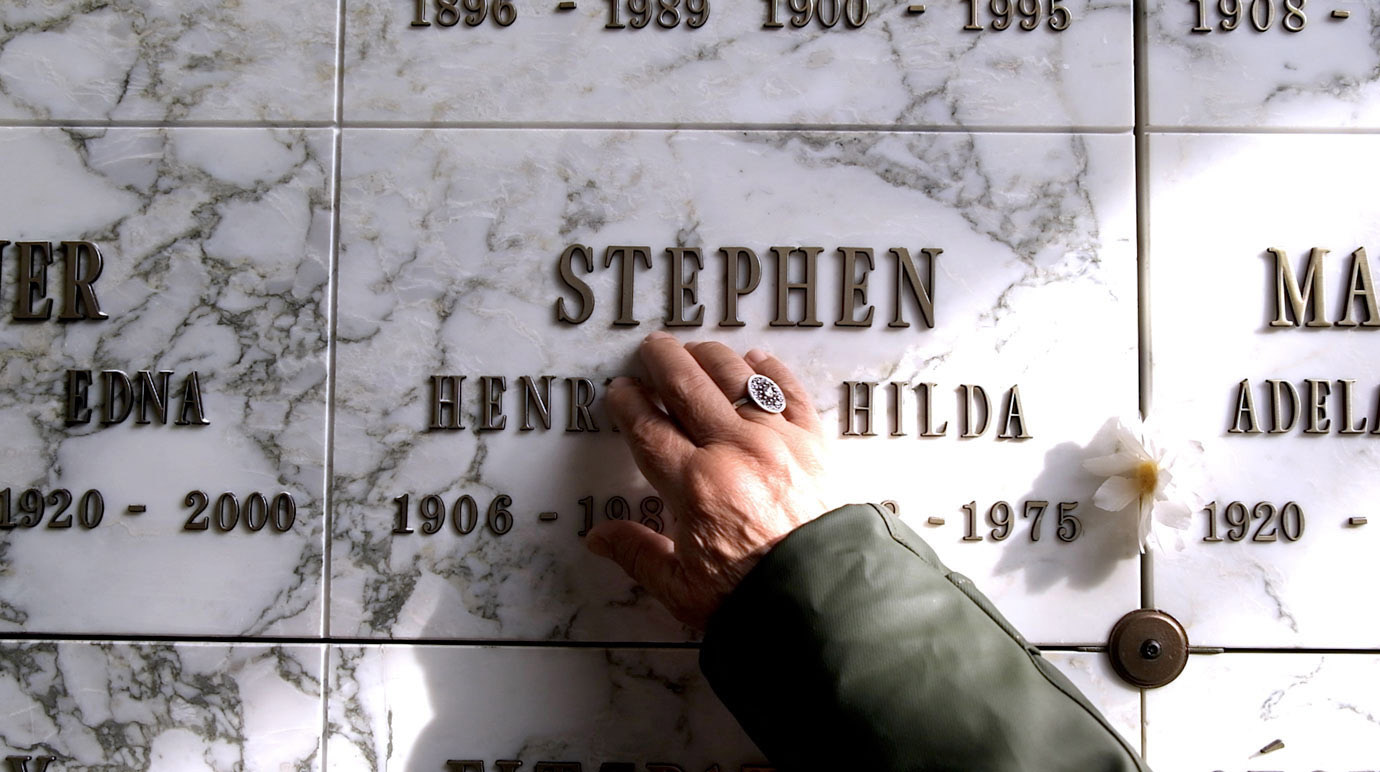
Elaborate fictions underpin Palimpsest, Stephen’s thought-provoking investigation into how she, a Hong Kong-born Chinese woman, came to have her discordant name, which she’s had to wrestle with her entire life. Decades of explaining, or justifying, the legitimacy of her Anglo name and Asian face eventually led her to unearth a rich archive of home movies, photographs and private journals by her father, chronicling his birth in Hong Kong, life on the Chinese mainland and Australia, and eventual immigration to Canada with his wife — and their transformation from Chan Tik-fong and Hilda Yik into Henry and Hilda Stephen.
By no means a vanity project, the film examines the legacy of colonialism and its impact on personal identity for those on the margins of a Euro-centric world, particularly in the ’60s, when the Stephens relocated from Hong Kong, then still in the grips of British power. Constructed like a twisting mystery, Palimpsest highlights the need to occasionally forge inauthentic identities in order to find a place in the wider world. As Stephen finds out about and reconciles with her father’s choices, the film suggests that we ask ourselves why we fictionalize the self, and perhaps how to stop.
Koreeda, by contrast, looks to the future, pivoting Sheep in the Box on the hot-button topic of artificial intelligence (AI). He has rightly been praised for his emotional generosity and sensitive portraits of family dynamics and the complex inner lives of children in his earlier films, from his breakout Nobody Knows (2004) to 2018’s Palme d’Or winner Shoplifters, so it comes as no surprise that the director has chosen to explore the fictions we create using AI through a family lens.

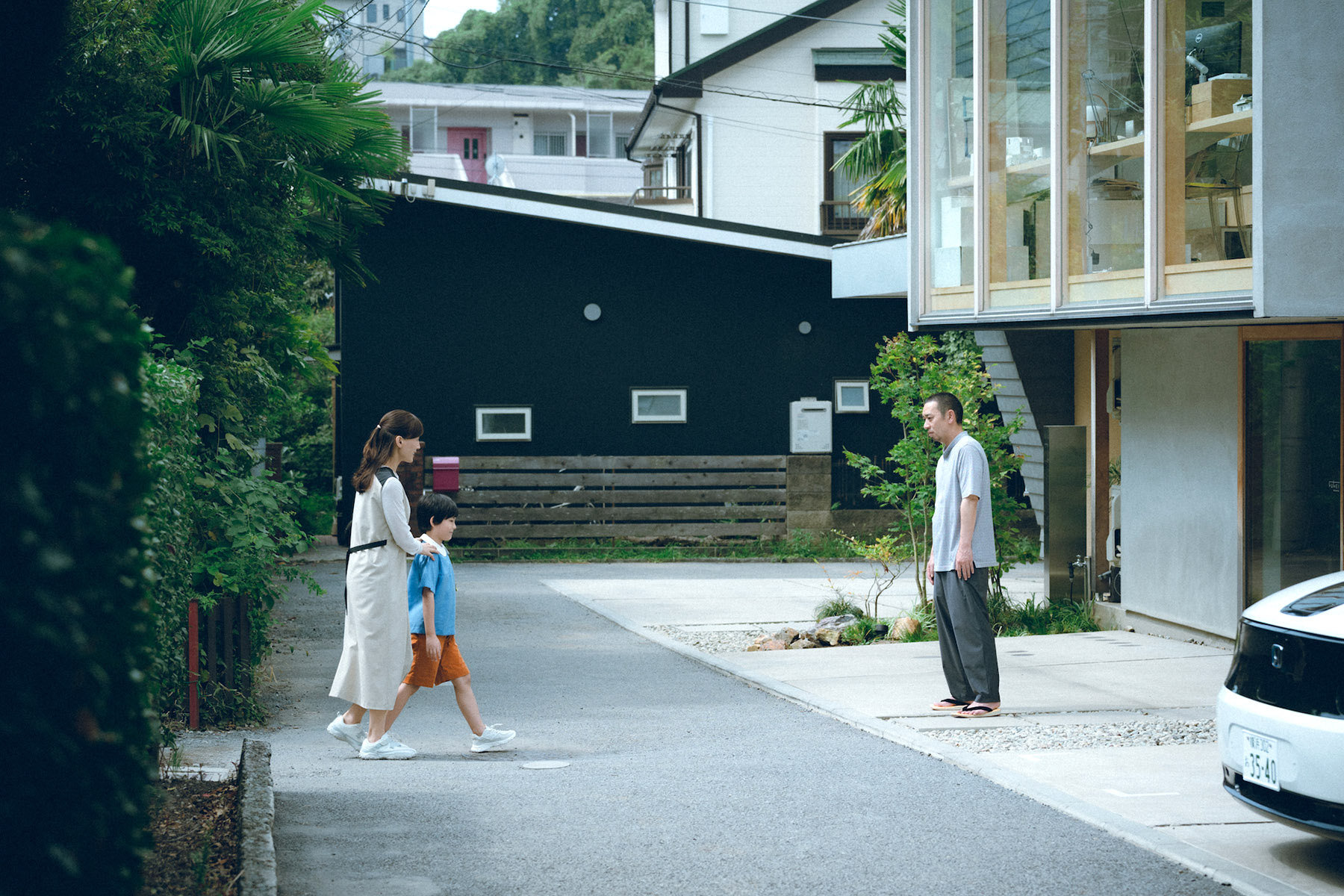
Two years after losing their only son in an accident, architect Otone (Haruka Ayase) and her carpenter husband Kensuke Komoto (Daigo Yamamoto) accept advanced robotics company Rebirth’s promotional offer to sample their newest product. To that end, the company delivers an AI-powered humanoid robot customized to look and behave exactly like the deceased Kakeru (Rimu Kuwaki), based on the material scraped from video and other stuff supplied by the Komotos. The sudden re-creation of “Kakeru” brings all manner of issues to the fore, and very nearly pits the enthusiastic Otone and the more-skeptical Kensuke against each other. There is also the reaction of Otone’s dismissive mother (Kimiko Yo) to contend with.
Unfortunately in Sheep in the Box, Koreeda can’t satisfyingly settle on any of the myriad ideas he floats. Is the film about the intersection of technology and humanity? Is it about loss, grief, blame and healing — the inevitable robot singularity, suggested by Kakeru’s second found family? Those are just a few of the thematic threads that find little room to grow — ideas Koreeda explores more successfully in Air Doll (2009). That said, the filmmaker deserves credit for swimming against the tide and ending on a hopeful note that doesn’t see AI as an existential threat to humanity.
The writer is a freelance contributor to China Daily.
