

Region urged to reduce dependence on imported energy amid Mideast tensions
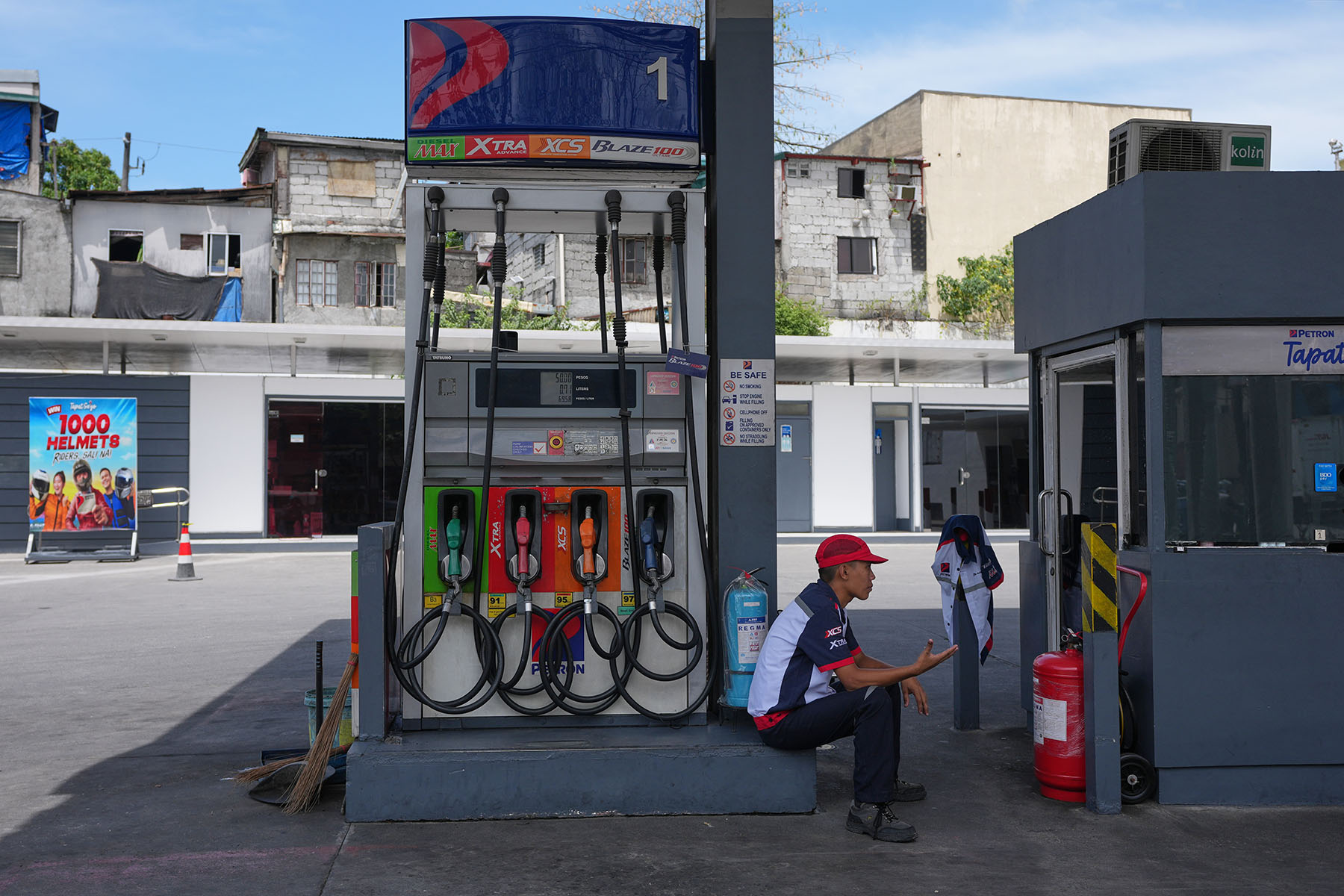
The development of renewable energy sources will help shield Asian economies from the harsh impact of soaring oil prices, a regional forum heard on Tuesday.
As the conflict in the Middle East entered its 100th day, record-high prices of oil and gas continued to drive up inflation across the Asia-Pacific and exposed the region's dependence on imported fossil fuels.
However, energy industry experts said the Middle East crisis also offers an opportunity for Asian countries to transform their energy systems, harnessing indigenous sources like solar and wind to reduce their dependence on imported oil.
READ MORE: Mideast crisis to slow Indian economy
The disruption in the Strait of Hormuz has confirmed what Asian economies long feared — that their energy security hangs on a waterway that they do not control, said Sara Jane Ahmed, finance adviser to The Vulnerable Twenty Group of Finance Ministers, or V20.
In a webinar organized by the United States-based think tank Global Energy Monitor, Ahmed said that even before the Middle East war started, Asia was already developing clean technology.
As an "electrotech superpower", Asia makes over 95 percent of the world's solar panels, 85 percent of its batteries, and 75 percent of its turbines, she said.
Ahmed said the region has yet to fully tap its abundant resources, noting that solar and wind power have the potential to supply about 14 times Asia's total energy demand.
"Asia needs a new energy playbook, and we can already see what it looks like. Leaning into electrotech and winning back our energy sovereignty is critical," Ahmed said. This, she said, is "shared prosperity and multilateralism in its truest sense".
Brenda Valerio, the Philippines country director at the global network New Energy Nexus, said the high oil prices that drove up local fuel and transport costs have also pushed Filipino consumers to shift to solar energy.
"People are no longer viewing rooftop solar panels as an environmental choice but as protection — protection against volatile electricity prices," she added.
Valerio said New Energy Nexus has a network of about 300 micro and small solar installers all over the Philippines. Its recent survey showed that customer inquiries for solar panels had jumped following the rise in fuel prices.
"They're no longer waiting for perfect conditions. They are responding directly to high electricity prices and fuel insecurity," she said.
Customer interest
However, Valerio noted that actual installations lagged behind the surge in customer interest. This is because installers are facing shortages of solar components, rising logistics costs, workforce shortages, financing bottlenecks, and a slow permitting process.
"The Philippines is not failing to generate demand for renewable energy; we are failing to convert that demand into deployment," Valerio said.
ALSO READ: Australia extends EV tax breaks as fuel fears grow
She said that for archipelagos like Indonesia and the Philippines, it is important to establish distributed solar storage, microgrids, and localized energy systems. This would entail diversifying beyond centralized energy systems. Valerio noted that for decades, most energy systems had been designed around large power plants and long transmission networks.
For Muhammad Mustafa Amjad, cofounder of the Pakistan-based energy think tank Renewables First, batteries and a more robust grid system are important for energy transition.
Contact the writers at prime@chinadailyapac.com
