

Diagnosis network nationwide, policy incentives boost sector's progress
China's rare disease sector is entering a strategic window for biomedical innovation, as the country's expanding diagnosis network and relatively large unmet medical needs create new momentum for drug development, clinical translation and payment support mechanisms, a top rare disease expert said.
Zhang Shuyang, president of Peking Union Medical College Hospital (PUMCH), told China Daily that rare diseases should not be seen only as a public health and livelihood issue, but also as a promising field for biomedical innovation, with the potential to support new growth drivers in healthcare and advance the Healthy China 2030 initiative.
To seize that opportunity, China needs stronger policy incentives, more efficient clinical translation and a more sustainable payment mechanism to ensure innovative therapies can better help patients, Zhang said.
READ MORE: AstraZeneca exec bullish on China's pharma industry
The challenge is acute. About 95 percent of rare diseases still lack effective therapies, leaving many patients with limited treatment options while pointing to a large unmet need for drug innovation, she said.
"Rare disease drug research and development is not only about addressing the needs of a small patient group. A deeper understanding of rare disease mechanisms can offer important clues for tackling major diseases, chronic conditions and aging," Zhang said.
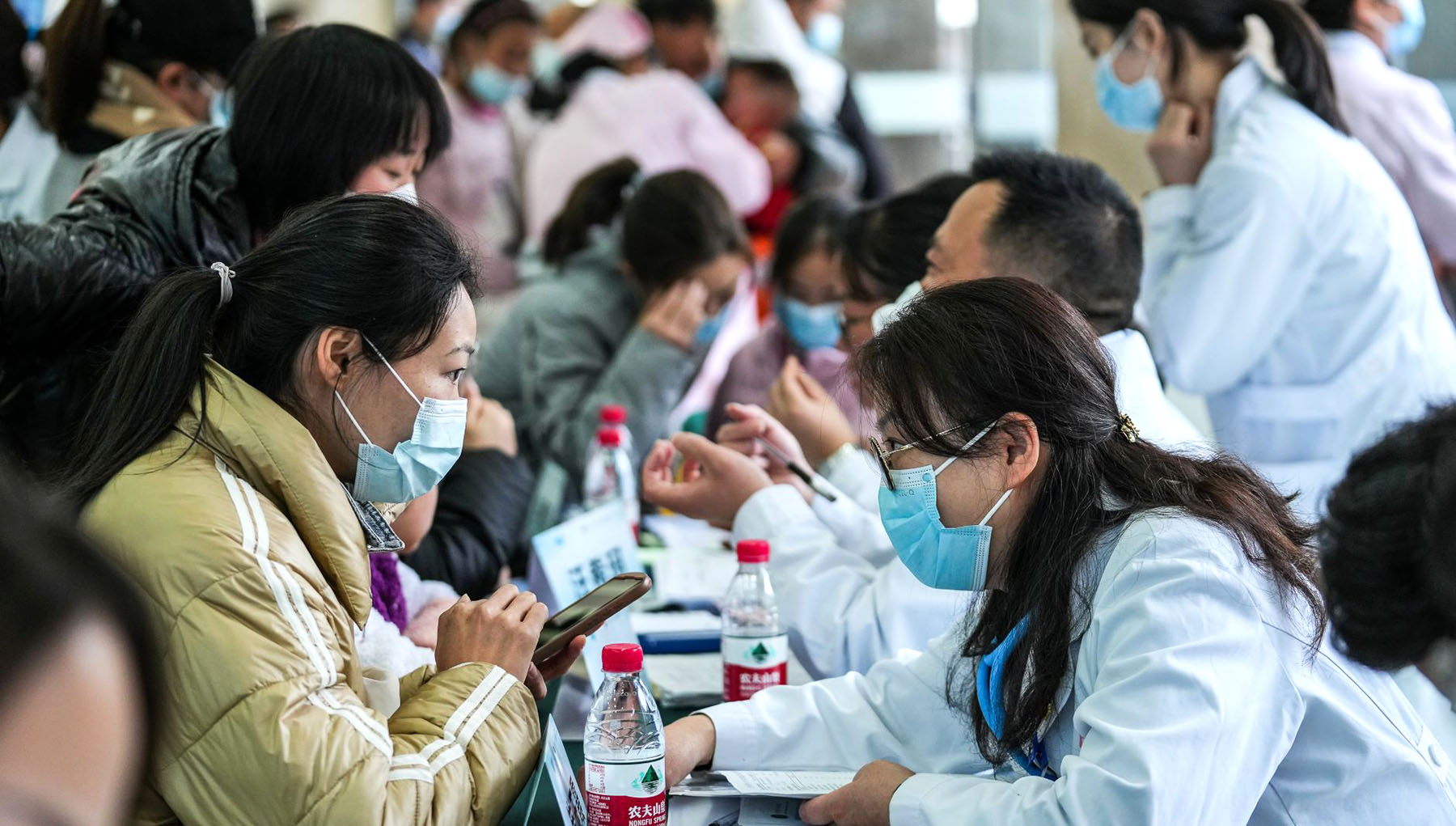
China has built up an important foundation for innovation through its national rare disease diagnosis and treatment network. Led by PUMCH, the network now covers 419 member hospitals and extends to provincial and prefecture-level institutions, helping patients obtain clearer referral channels and more standardized services.
"We integrate resources around patients' needs so that information, experts and resources move around the patient, rather than leaving patients to run from one place to another," Zhang said.
She added that the model is replicable and could support a tiered national system, with national centers as hubs, provincial centers as nodes, and grassroots medical institutions as frontline units. Such a system would narrow regional gaps and improve early screening, diagnosis and intervention.
Meanwhile, artificial intelligence is adding new momentum to rare disease diagnosis, a field long challenged by the large number of disease types, complex clinical manifestations and scattered patient cases. PUMCH has launched its rare disease AI model "PUMCHGENESIS", based on high-quality Chinese clinical data and accumulated clinical experience.
The model is designed to help doctors identify suspected rare diseases from complex symptoms and serve as a round-the-clock training tool for primary-level and early-career physicians. AI cannot replace doctors, Zhang said, but it can integrate medical knowledge, recognize complex patterns and support cross-case analysis.
In recent years, policy support has been further intensified in China for rare disease control and treatment. In 2025, the country approved 48 rare disease drugs, helping address treatment gaps for special patient groups, said the National Medical Products Administration.
Chu Lei, senior researcher at the Healthcare Executive Institute, said there is a trend of Chinese pharmaceutical companies developing and launching more rare disease medicines, covering both innovative and generic drugs.
Among the rare disease treatments approved in China last year, Chu said more than 17 were developed by Chinese enterprises.
Frost & Sullivan, a global consulting and market research firm, has forecast that China's rare disease drug market will expand from $1.3 billion in 2020 to $25.9 billion by 2030, representing a compound annual growth rate of 34.5 percent. China is expected to account for 6.8 percent of the global rare disease drug market by 2030, it said.
Yet to build a stronger innovation ecosystem, Zhang called for closer coordination among hospitals, research institutions, innovative drug companies and patient organizations.
She suggested accelerating special legislation for rare diseases, improving incentives for drug development and building national-level platforms — including a rare disease laboratory and a medical research data center — to connect basic research, clinical translation and industrial application.
Payment support is equally important, Zhang said. Since basic medical insurance focuses on essential coverage, and commercial insurance and charity support remain limited, some patients still face the dilemma of having medicines available but being unable to afford them. Such gaps also weaken expectations for companies investing in rare disease drug development.
Chu, the senior researcher, also said commercial insurance could open up a new payment channel for rare disease medicines and help support related R&D innovation.
Furthermore, Zhang suggested establishing dedicated rare disease funding, mainly supported by government fiscal input and supplemented by social fundraising. The fund could be led by the National Healthcare Security Administration, with multi-departmental coordination, and pilots could first be launched in regions with stronger diagnosis and treatment capacity.
ALSO READ: New hope offered to rare disease patients
"Accessible, affordable and sustainable — these words are our solemn commitment to every rare disease patient," Zhang said.
Zhang's remarks come after the World Health Assembly adopted a resolution in 2025 identifying rare diseases as a priority for global health equity and inclusion, with this year's discussions focused on moving from "promise to progress".
She said the global consensus offers an important reference for China and a platform for the country to share its experience in diagnosis networks, clinical research, AI applications and patient support.
Looking ahead, China can further advance diagnosis networks, legislation, scientific innovation and funding mechanisms in a coordinated way, so that efforts in rare disease control and treatment can move from local exploration to systematic breakthroughs, Zhang said, adding,"Rare disease patients should not be forgotten or left behind."
Contact the writers at zhangchenxu@chinadaily.com.cn
