

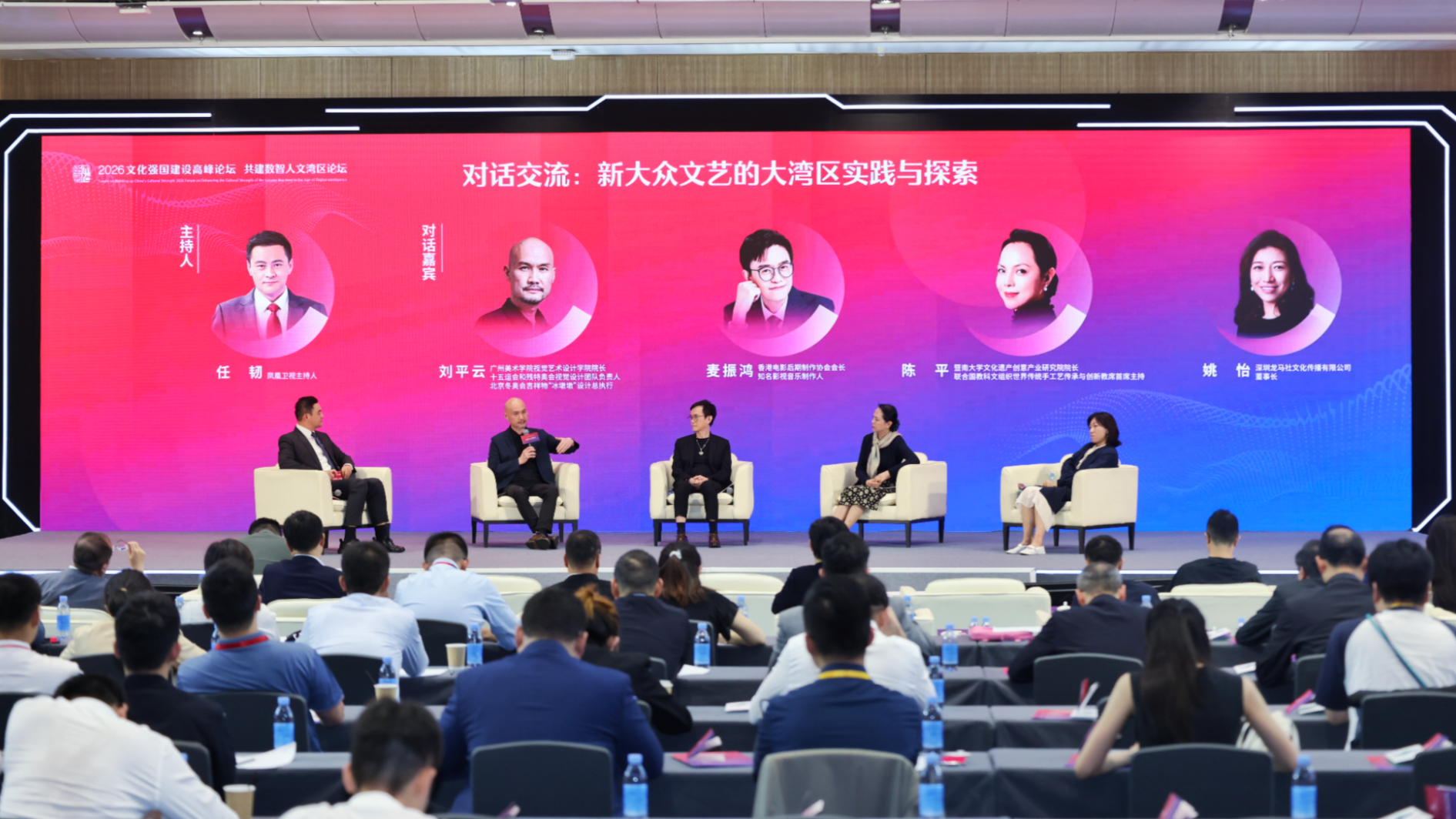
Cultural industry insiders believe that mass culture must evolve with the times and embrace new demands and technologies to generate renewed vitality and lasting appeal.
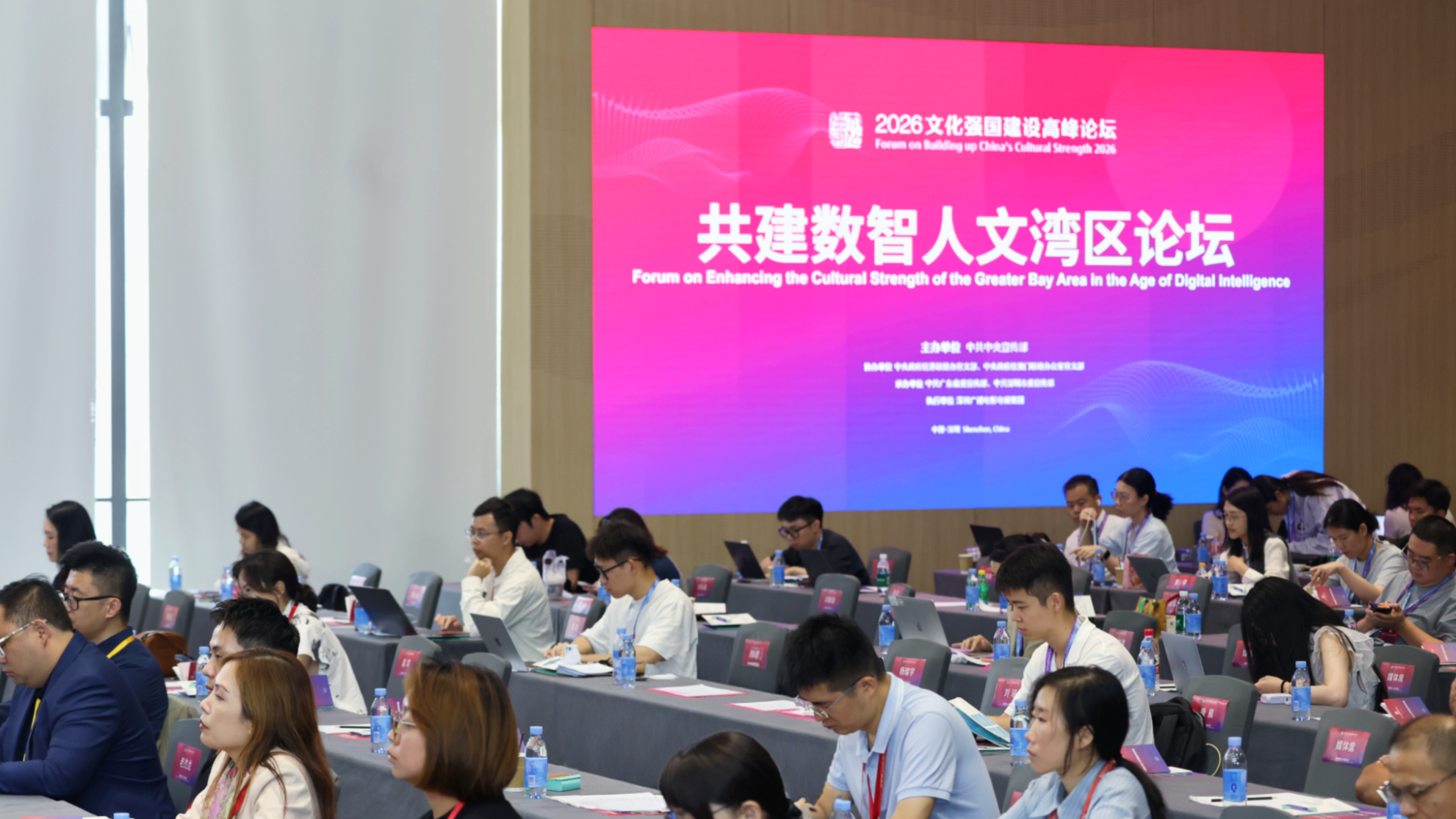
They made the remarks at a dialogue session of the Forum on Enhancing the Cultural Strength of the Greater Bay Area in the Age of Digital Intelligence, which was held in Shenzhen on Friday.
ALSO READ: Forum: Embracing AI while preserving human spirit in digital age
Liu Pingyun, dean of the School of Visual Arts and Design at the Guangzhou Academy of Fine Arts, shared his team’s approach to designing mascots for two leading sports events held in China, both of which have become top IPs with nationwide popularity.
When designing Bing Dwen Dwen for the 2022 Beijing Winter Olympics, the team decided to use a panda design but wanted to find a more contemporary way to express it.
In the past, the mascots for several China-hosted international sporting events have been designed in the shape of pandas — either drawing inspiration from Disney characters to adopt an international style, or using ink-wash art to express China’s cultural confidence.
They later came up with the idea of using 3D technology to create a brand-new, futuristic panda character — the one we later saw wearing a spacesuit — and achieved outstanding results.
READ MORE: Scholars: Digital tools key to fostering in-depth cultural exchange
In the case of Xi Yangyang and Le Rongrong, the mascots of the 2025 National Games, the design team incorporated some creative elements into the traditional Chinese white dolphin design. Later, some netizens thought they looked more like chicks, and the lovely mascots quickly went viral online with the nickname “Greater Bay Chickens”.
Chen Ping, president of the Academy of Cultural Heritage and Creativity of Jinan University, underlined that the inheritance of non-intangible cultural heritage must also meet the needs of today’s era — and even find new applications for it.
Her team’s research found that Yi ethnic paper-cutting patterns have a calming effect on elderly people with dementia and children with attention deficit hyperactivity disorder. She is now exploring cross-sector collaborations with medical institutions to transform these ethnic patterns into modern therapeutic content.
At a previous trade show, she met a woodcarver who complained about the weak sales performance of traditional furniture. Chen encouraged him to create pieces that better fit contemporary home decor styles — or to design trendy wooden toys. Her team is also training artisans to gain visibility in the digital age.
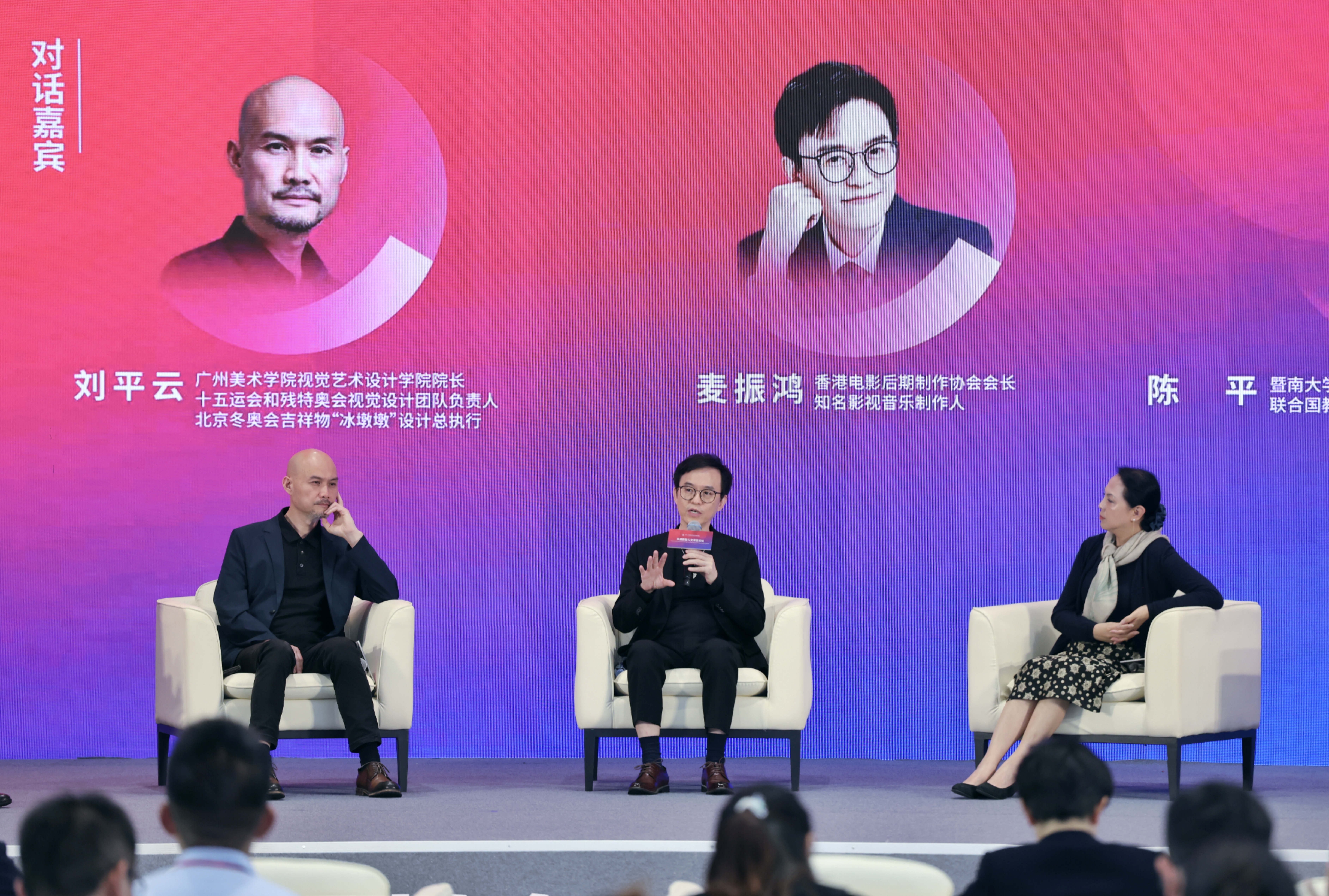
Mak Chun-hung, a renowned film and television music producer from Hong Kong, said that he registered his name as a trademark early on and launched a personal website to promote his works, developing his musical compositions into exclusive intellectual property.
Mak, who is also the president of the Association of Motion Picture Post Production Professionals (Hong Kong), added that Hong Kong has a well-established set of systems to support the commercialization of the cultural works. He encouraged creators to make good use of these mechanisms to protect their intellectual property and reach a wider audience.
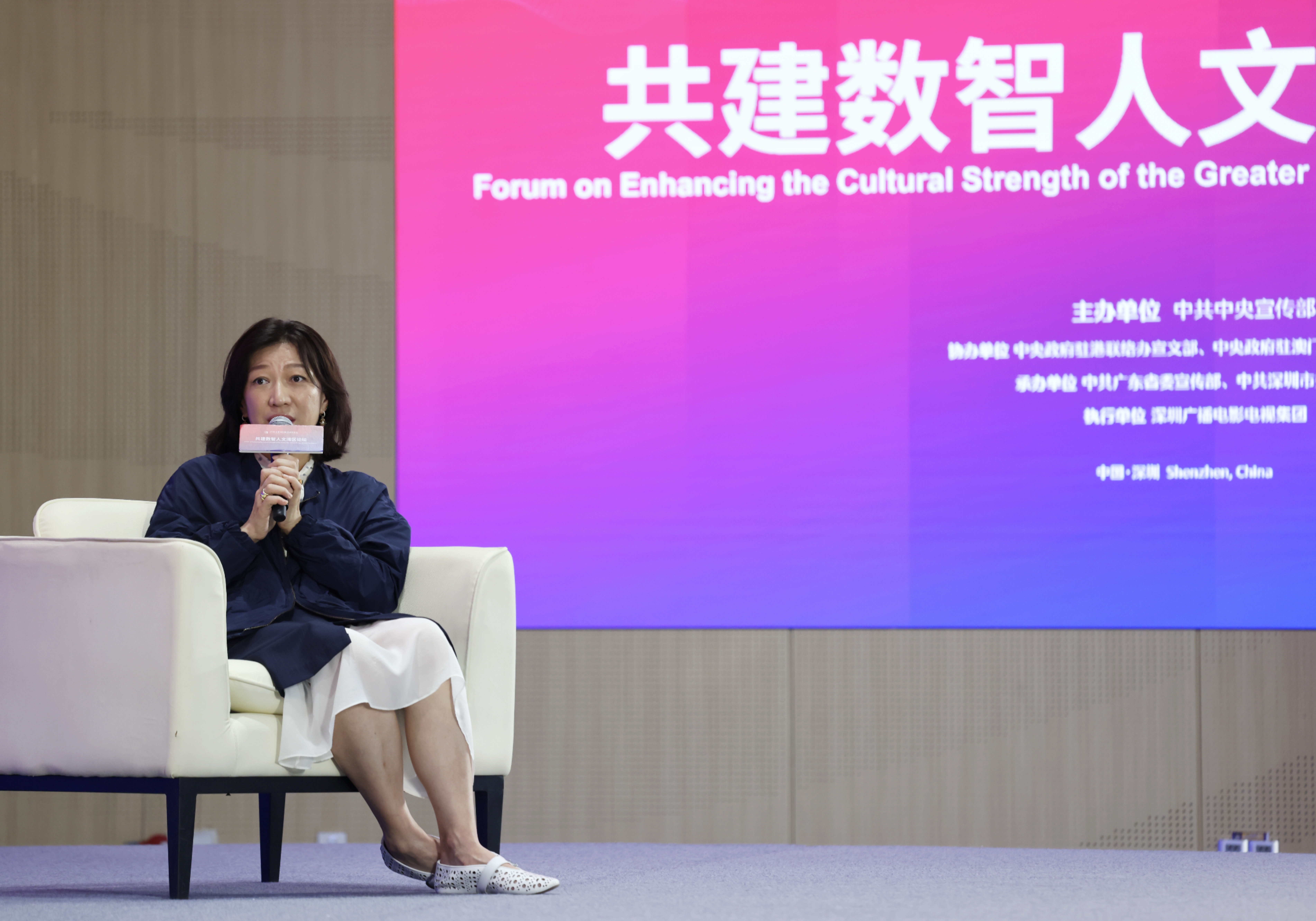
Yao Yi, chairwoman of Shenzhen Pingshan Longma Studio — which specializes in cultural promotion — emphasized the importance of market performance for the sustainable development of the cultural industry.
She encouraged artists to consider market preferences more closely to create content that resonates more deeply with audiences. Yang also called on the Guangdong-Hong Kong-Macao Greater Bay Area’s cultural industry to share experiences more openly and to develop distinctive communication mechanisms to collectively improve product quality.
Contact the writer at bingcun@chinadailyhk.com
