

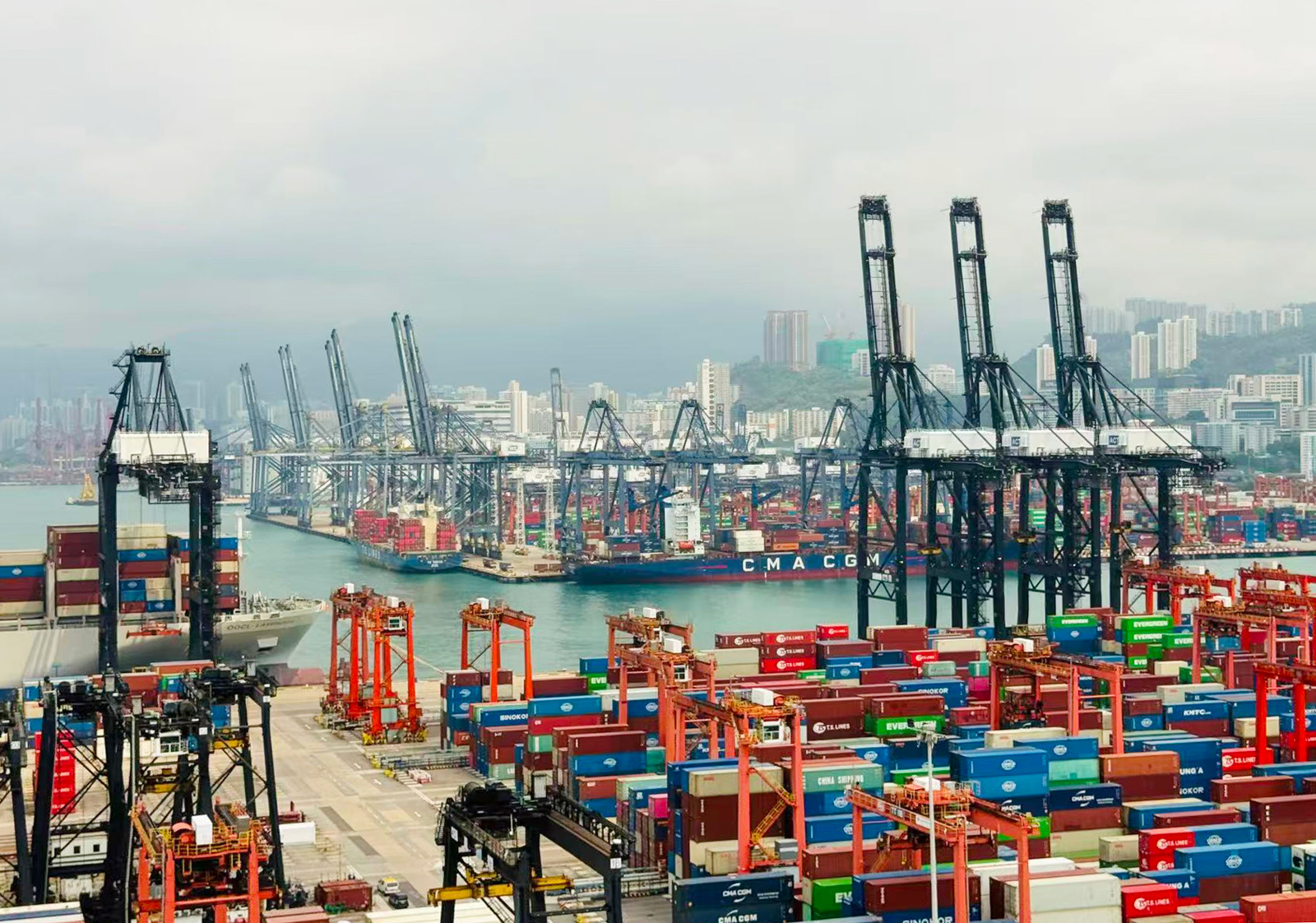
HONG KONG – The International Monetary Fund (IMF) has commended Hong Kong’s resilient economic growth, supported by robust technology-related exports, improving private demand and a rebound in financial market activity.
Outlining its assessment of the city’s economic and financial situation, the international lender reaffirmed the city’s role as an international financial center and a "super-connector", particularly as a leading fundraising hub and a premier offshore Renminbi center.
In its annual health checks on economies, known as Article IV Missions, this year’s mission in Hong Kong said in its concluding statement that policy initiatives such as the flagship Northern Metropolis project are conducive to fostering innovation and high-value services, while supporting economic growth and structural transformation.
Terming the city’s fiscal stance in 2026 as appropriate while supporting a focus on achieving stronger medium-term consolidation to rebuild fiscal reserves and address rising spending pressures, the mission said financial sector risks are manageable, supported by strong buffers and robust regulatory oversight.
“The mission commends the continued efforts to strengthen the monitoring framework for the non-bank financial institution sector, noting that expanded risk assessments and targeted stress testing have improved early-warning capabilities,” reads a government statement issued following the IMF assessment.
Highlighting that the "Fintech 2030" strategy aims to modernize market infrastructure and promote responsible AI innovation and asset tokenization within a robust regulatory framework, the IMF also recognized that the city is well placed to build further on its digital and sustainable finance agenda, supported by effective implementation and robust systemic oversight.
RELATED ARTICLES
- HKSAR raises inflation forecast, maintains GDP growth rate projection
- Chan: HK expects strongest quarterly GDP growth in nearly 5 years
- HK economy posts strongest growth in almost five years
- IMF reaffirms HK's global financial center status, resilient system
Welcoming the IMF assessment of Hong Kong’s ongoing economic recovery, Financial Secretary Paul Chan Mo-po said, “The Hong Kong economy expanded robustly in the first quarter of 2026. Looking ahead, Hong Kong's economic growth outlook is positive, underpinned by strong global demand for AI-related electronics, sustained growth in visitor arrivals and robust cross-boundary financial activities.”
A favorable business environment and gradually improving consumer sentiment will continue to support domestic demand, he said. “We will closely monitor the development of the situation in the Middle East, dynamically assess the economic situation, and react flexibly.”
Referring to the mission’s views on Hong Kong’s commercial real estate (CRE) sector, he said the global CRE market has faced challenges in the post-pandemic era, amid changing office work and consumption patterns.
In recent years, the government of the special administrative region has introduced a series of market-stabilizing policy measures, the finance chief said, adding: “Currently, Hong Kong's CRE market has stabilized, with transaction and leasing volumes rising significantly, and prices and rents becoming steady.”
Speaking about fiscal consolidation, he said the government’s reinforced fiscal consolidation program is progressing as planned. According to the Medium Range Forecast set out in the Budget, the Operating Account will record surpluses for each of the next five years, with surpluses increasing year by year.
The Capital Account, however, will still record deficits during this period, resulting in a deficit – before issuance and repayment of bonds – in the Consolidated Account, mainly due to the government’s infrastructure spending in accelerating the development of the Northern Metropolis and driving Hong Kong’s high-quality development, he added.
“These investments for the future will bring broader economic benefits and tax revenues to Hong Kong,” Chan said, stressing that the government will make good use of market forces to finance these infrastructure projects.
Referring to the recent affirmation of Hong Kong’s credit ratings and “stable” outlook by two major credit rating agencies’, he said this reflected a resilience underpinned by the city’s sound economic fundamentals, robust public finances, and a well-established financial system.
The IMF mission visited the city from March 16 to 27 and held discussions with government officials, financial regulators and private sector representatives. The full report will be discussed by the IMF Executive Board later this month, according to the SAR government.
