

Consumer demand, production capabilities transform country into innovation incubator
Formula One fan Carmen Pacios flew all the way from Spain to Shanghai to watch the 2026 Chinese Grand Prix earlier this month.
Apart from experiencing the thrilling speed and exciting atmosphere at the Shanghai International Circuit, she and her family members found time to tour the city's downtown area. At an Adidas store, she immediately spotted something she wanted to buy.
"There's so much cool Chinese stuff," Pacios said.
"I saw a lot of people wearing the Adidas Chinese-style red jackets. I think they only sell them in China and I really wanted to get one."
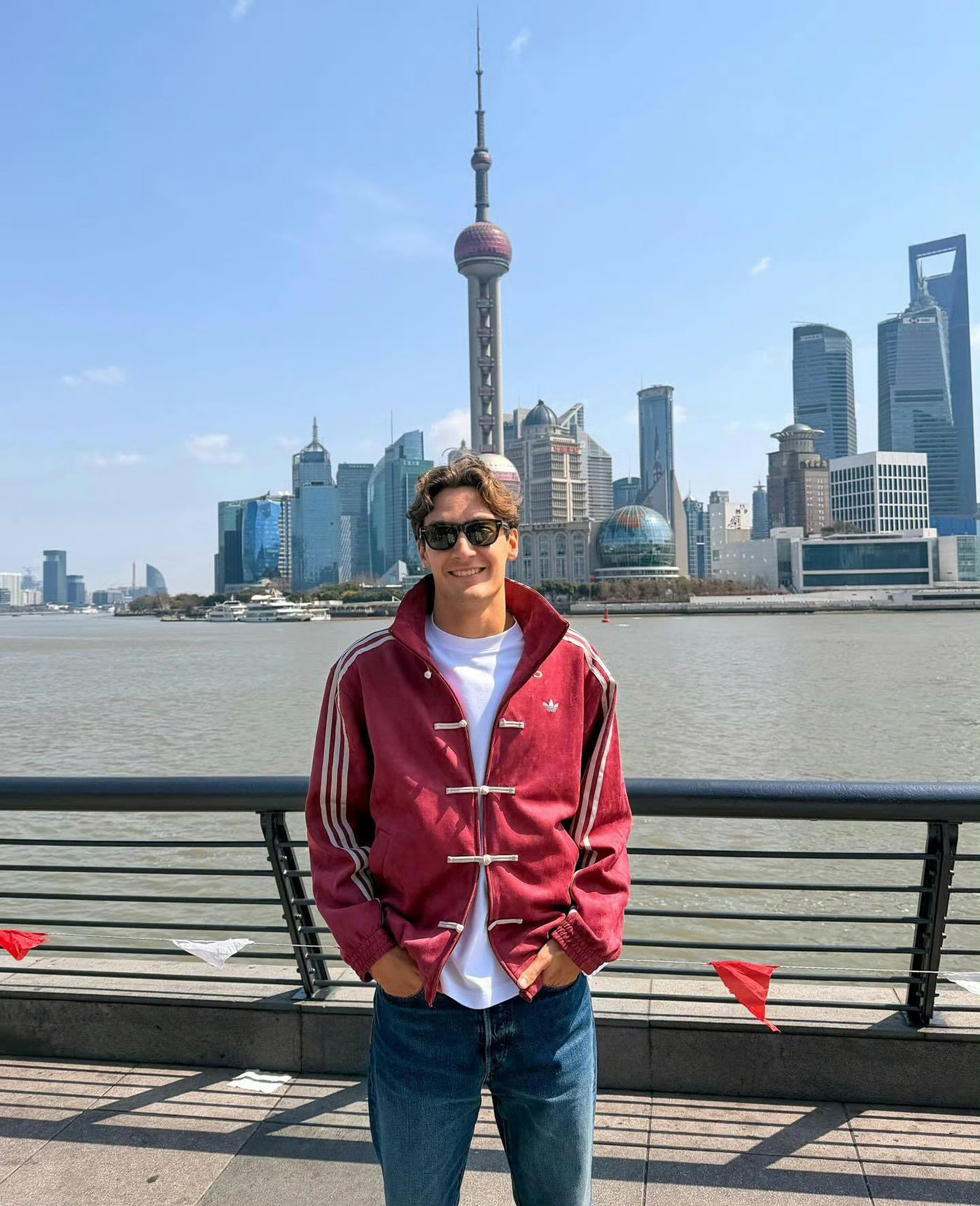
The popular jacket was launched by the German sportswear company in 2022 exclusively for the Chinese market. With distinctive knot buttons and an upright collar it went viral online, with many influencers and celebrities wearing it in public, including some of the visiting F1 drivers such as Mercedes' George Russell.
Guo Aijie, a senior sales manager at Adidas' brand center on Shanghai's East Nanjing Road, said the Chinese-style jacket was popular with consumers of all ages, backgrounds and nationalities.
READ MORE: Shanghai tops in ease of doing biz
On Jan 1, several hundred people lined up in front of the store to buy the latest version.
"Our store opens at 10 am, but on New Year's Day, I was truly shocked by the number of people, most of them foreigners, waiting outside for the doors to open," said Guo. "About 1,000 units of the product were sold that day, setting a single-day sales record for the special series at the store."
The jacket represents a growing trend of foreign brands shifting from "Made in China" to "Made for China". Multinational companies have been rolling out products and designs tailored specifically for the Chinese market. This move has not only helped secure their success in China, but also provided momentum for their global growth.
The Adidas' Creation Center Shanghai (CCS) is responsible for more than 60 percent of the company's products in the Chinese market, and its first version of the jacket was released in 2022.
In a written reply to China Daily, Adidas said the center's long-term focus is on Chinese culture and the rise of guochao or China-chic trends.
Their designers turned their attention to the traditional Chinese knot button, a distinctive cultural element, to give subsequent designs of the jacket — which has become one of the brand's outstanding products — a local twist.
The company said a growing number of consumers, especially younger people, are seeking brands and products that reflect their cultural identity and have emotional connections.
"Moreover, products designed by CCS allow global consumers to appreciate the charm of Chinese culture and the beauty of the East, something the team is very proud of," said Adidas' written reply.
Lan Tian, a senior analyst at Euromonitor International, a London-based market research company, said China's consumer market has undergone structural changes in recent years, and the increased efforts to provide customized products are an inevitable choice for multinationals.
"In the past, the core appeal of the Chinese market lay in its scale and growth rate, which makes it possible to achieve rapid growth through simply launching standard products. However, as the market matures, growth now depends on segmented customer groups, differentiated scenarios, and shifts in lifestyle," explained Lan.
"China's advantages in retail infrastructure, digital capabilities, and supply chains' quick response capabilities have made it both feasible and cost-controllable for multinational companies to conduct highly localized operations," Lan said.
The Chinese market is undergoing a transition from a receiver of global products into an important market that is deeply integrated in terms of product design, sales models, and corporate values. This shift has raised overall expectations for efficiency, consumer experience, and organizational capabilities in China's consumer market.
Chewing over success
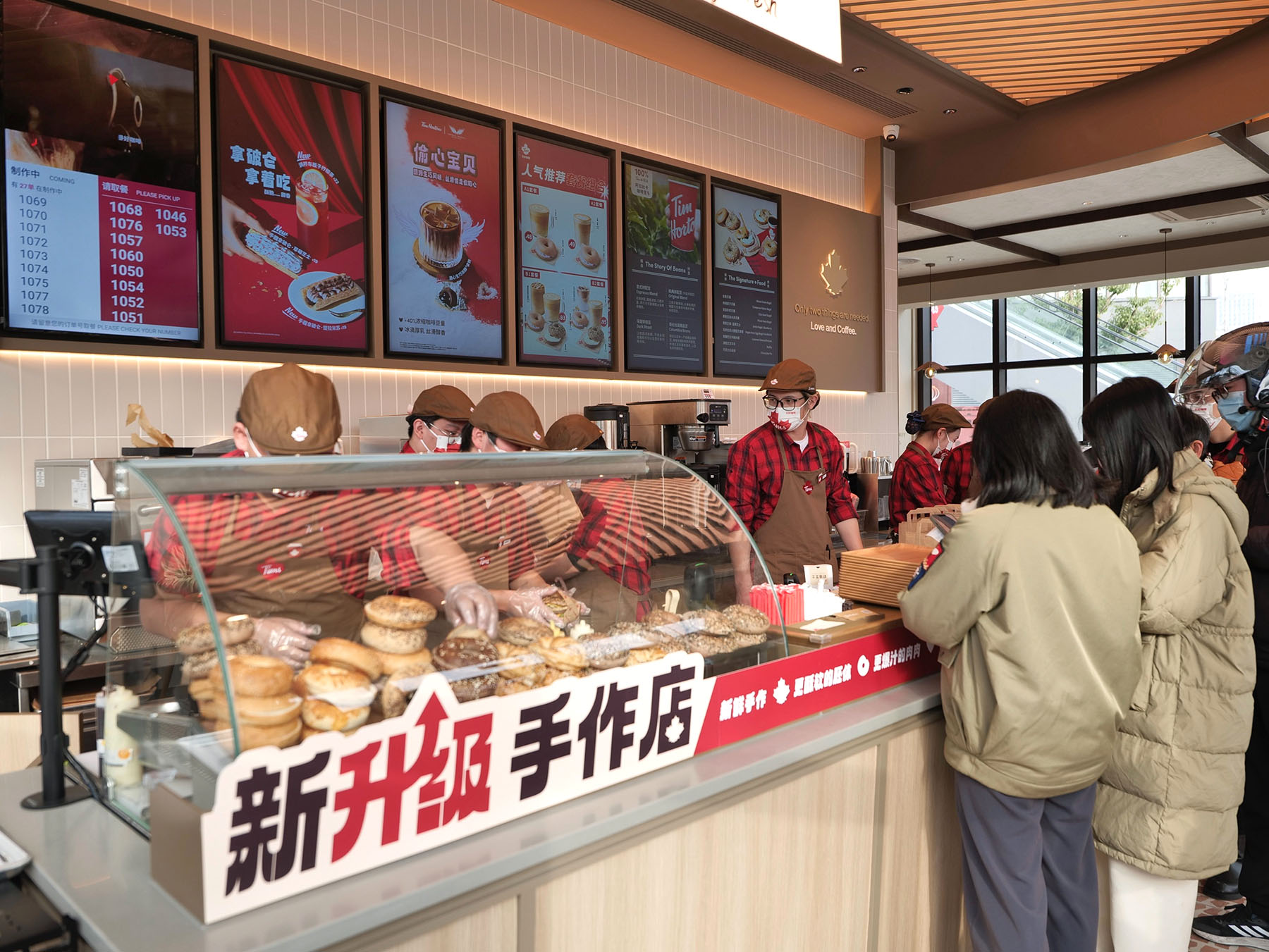
Canadian coffee chain Tim Hortons is another success story when it comes to catering to the taste of Chinese consumers.
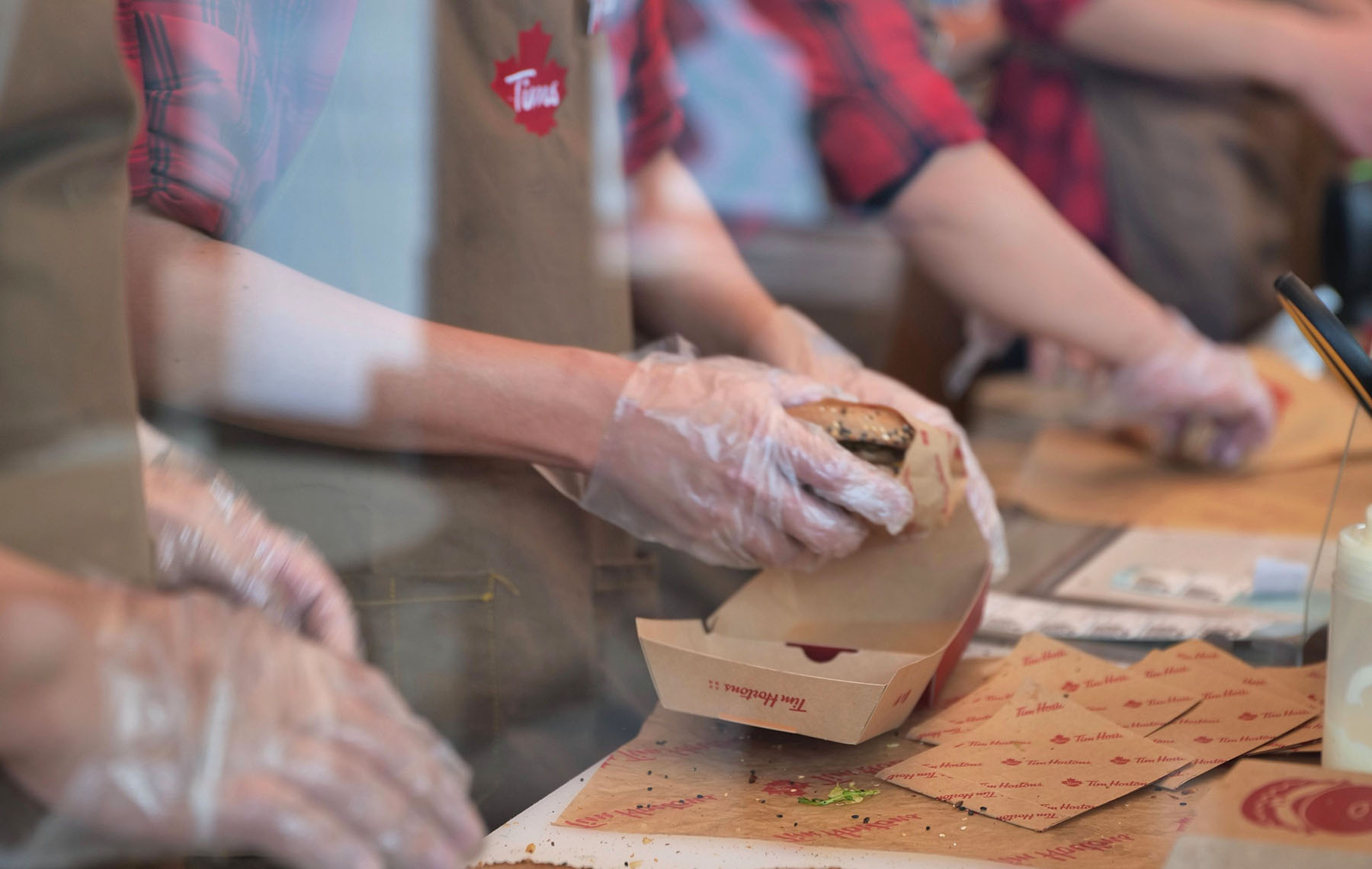
"Bagels are one of our signature products. Inspired by the traditional chewiness of bagels, the ones sold in China are also adapted to meet local consumers' preference for a softer texture," said Lu Yongchen, CEO of Tims China, the operator of Tim Hortons in China.
Since 2022, sales of the bagels have snowballed to exceed a cumulative total of 80 million units.
Products cover consumer demands for breakfast, lunch and afternoon tea, with offerings including multigrain bagels and bagel sandwiches. In terms of flavor, the company has also localized its products with bagels featuring ma lan tou (Kalimeris indica) and scallion ingredients, said Lu.
Since opening its first store in Shanghai in February 2019, Tims China has pursued rapid expansion and successfully went public on the Nasdaq in September 2022.
"As of Sept 30, 2025, we operate 1,030 stores across 91 cities in China. We've gradually established a brand image for coffee and heated food among consumers, with bagel products proving particularly popular,"Lu said.
From the outset, the company localized store design and menu offerings, and today 90 percent of its products are tailored for local consumers, said Lu.
"We even localized the name of Tim Hortons to Tims as Chinese consumers prefer shorter and easier pronunciations. And to better fit the Chinese market, we officially launched the Chinese name as tianhao in 2023, which literally means 'good everyday' in Chinese," Lu said.
Lan, the analyst, said: "Effective localization is not just about adding Chinese elements, but about giving the Chinese market a standalone and mature operational logic."
Ikea's inspiration
Pontus Erntell, CEO, president and chief sustainability officer of Ikea China, said over the past 28 years the company has always closely followed the evolving needs of Chinese consumers.
The Swedish home furnishings and furniture retailer tries to offer products, home solutions, and retail experiences tailored to diverse lifestyles in China, which can also be offered as a "treat" for global consumers.
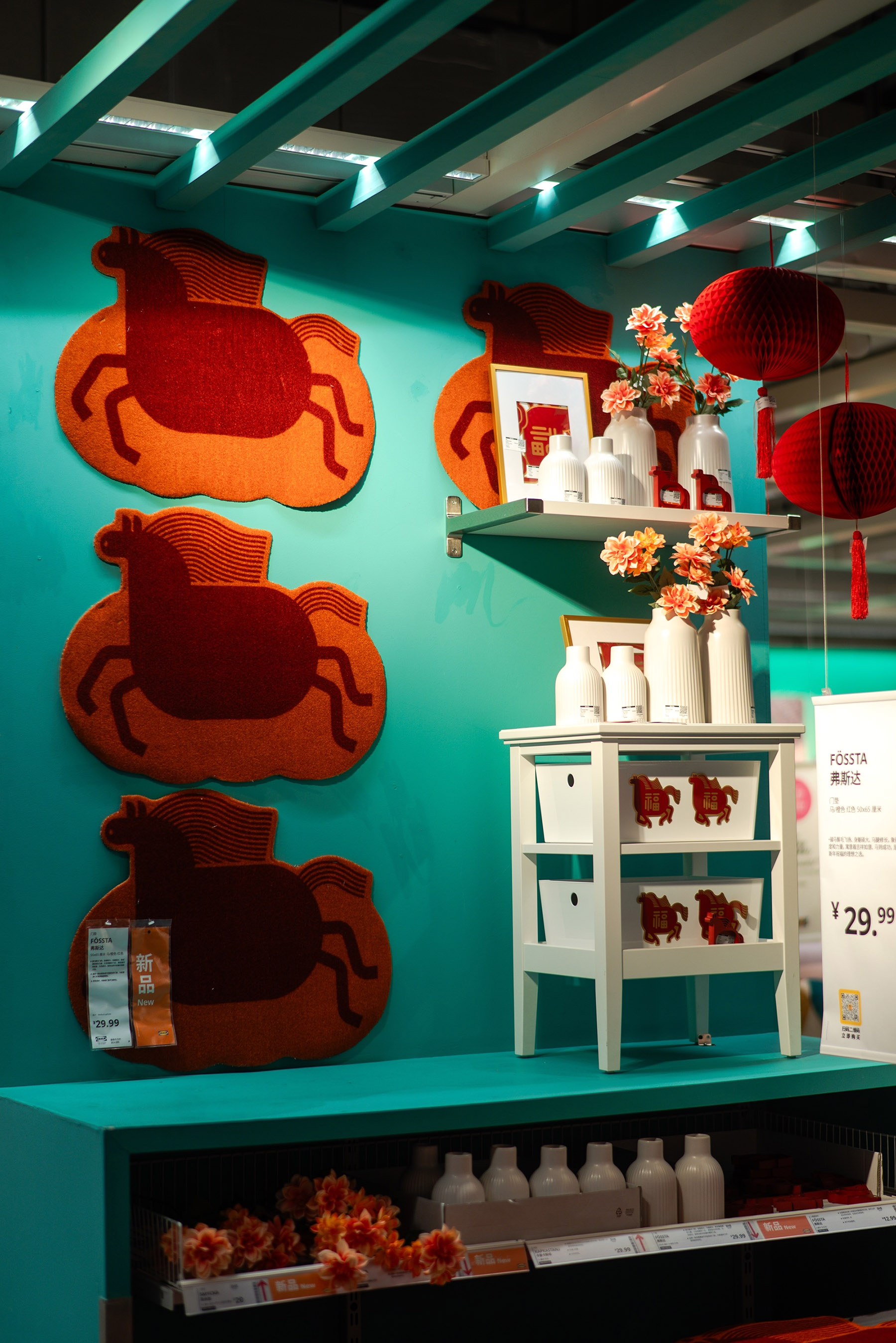
"A long-term product series co-created with China, the Chinese New Year collection, was launched globally by Ikea, reflecting our confidence in China, for China, and in co-creating with China," Erntell said.
"Ikea has achieved the global debut of its Chinese New Year collections at the China International Import Expo for five consecutive years," said Erntell.
The Year of the Snake collection recorded sales of over 400,000 units from its CIIE debut through the post-Spring Festival period, and was subsequently launched in overseas markets.
Erntell said younger consumers in China are increasingly seeking ways to reinterpret traditional festivals in ways that reflect their personal lifestyles and contemporary living spaces.
At last year's CIIE, Ikea showcased around 25 new products from its Year of the Horse collection. "The collection has been launched across multiple Ikea markets worldwide," said Erntell.
"China is not only an important market for Ikea, but also a valuable environment for exploring new approaches and innovations," he added.
As China continues to advance in areas such as digital retail and lifestyle innovation, experiences gained here are increasingly informing Ikea's development in other markets.
Lyu Mei, head of strategic consulting for JLL East China, said in addition to the paradigm shifting from "China for China" to "China for the world", "the world's second largest economy has officially become the innovation lab of global retail business".
China's leading digital supply chains and agile response capabilities are reshaping multinational companies' global operations. Lyu said China is no longer at the end of the process, but is the source of new strategies.
Cut from a new cloth
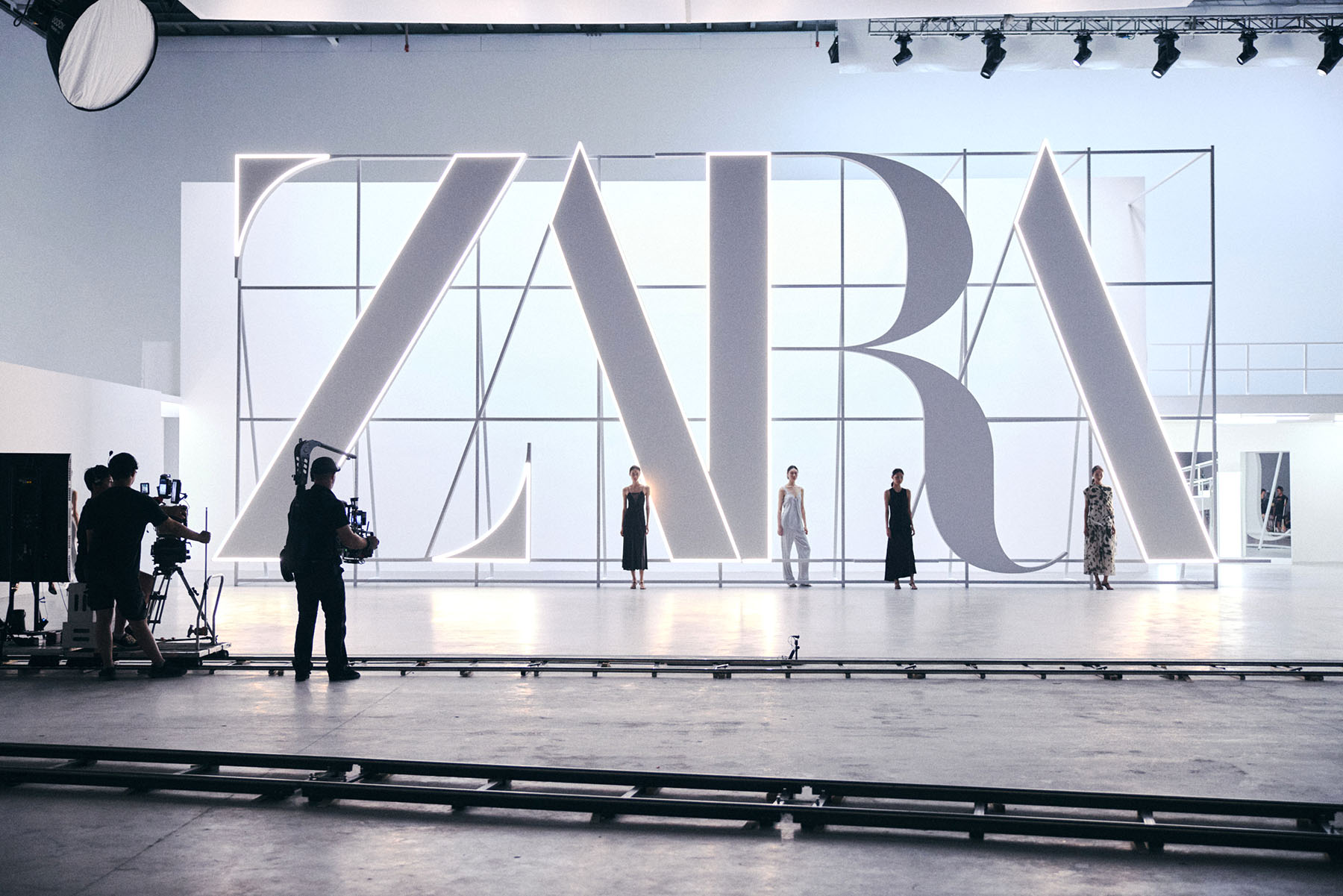
Spanish fashion retail giant Inditex, owner of brands such as Zara, is another global player exporting initiatives first introduced in China.
A global company with stores in over 90 markets and online reach in more than 200 markets, Inditex has launched a variety of collaborative products and experiences over the years, which integrate Chinese cultural elements and foster deeper connections with Chinese customers.
Eugenio Bregolat, president of Inditex China, said representative examples include collaborations with local designer brands to launch co-branded series, and partnering with renowned Chinese artists to debut global co-branded collections.
In April 2025, a collection co-branded with artist Lin Fanglu debuted in China and was simultaneously released in international markets, including Spain, the UK, Italy, Japan and South Korea.
"It is also noteworthy that since 2016, Zara has consistently launched zodiac-themed sweater collections in the Chinese market for 10 consecutive years, reinterpreting 'zodiac culture' through a modern fashion lens and establishing a significant tradition for the brand to celebrate the Chinese New Year with local customers," said Bregolat.
Inspired by China's livestreaming boom, Zara introduced "show style" livestreaming in China in November 2023. Combining the immersive feel of a fashion show with the real-time interaction of live broadcasts, it received positive market feedback. The brand later promoted the livestreaming concept in other markets, including the UK, the United States, and parts of Europe via Zara Streaming.
"These digital interactive formats have not only enriched the customer experience in the Chinese market but have also provided inspiration for other global markets. In the future, we will continue to leverage the digital ecosystem of the Chinese market to explore more cutting-edge retail experience models," said Bregolat.
These collaborations and initiatives not only demonstrate Inditex's commitment to the Chinese market but also reflect its brand philosophy of continuously enriching customer experiences through cultural dialogue and creative fusion, he added.
Lan, the senior analyst at Euromonitor International, said: "China has accumulated a wealth of repeatable practices in product iteration, channel coordination, community-based operations, and building high-quality, cost-effective models. When these experiences are applied to other emerging or even mature markets, they are effectively reshaping multinational companies' global operations. In the long run, this also means that China's voice within these companies will continue to grow, with its role evolving from simply contributing revenue to serving as an innovation incubator and testing ground."
During Shanghai's annual briefing on commerce and investment in March, Lu Shan, the city's deputy mayor, said Shanghai and China should serve as a top "training ground" for companies and brands to build their future competitiveness, where they can hone and cultivate leading product and supply chain capabilities.
"We believe that the market share of products co-developed in China will determine these companies' global market positions in the future," Lu said.
Contact the writers at wang_ying@chinadaily.com.cn
