

Having grown from just five clinical-stage companies in 2021 to over 60 in 2025, Hong Kong Science and Technology Parks Corporation (HKSTP), the largest innovation and technology (I&T) ecosystem in Hong Kong, has proved its success in attracting high-potential startups with strong research and development capabilities.
Beyond fostering innovation, the park is focused on leveraging its extensive international network to help companies secure funding and advance their research, and help startups accelerate their trial processes, entrepreneurs and the park’s operators said.
HKSTP shoulders a strong responsibility in fueling Hong Kong to become an international I&T hub, and has been focused on gathering global talent since its establishment in 2001. So far, the park has housed over 2,400 companies, as well as over 16,000 R&D professionals.
Among the innovation platforms the park has set up, the Clinical Translational Catalyst (CTC) program stands out as a key enabler for life and health tech companies. Designed to accelerate the journey from pre-clinical development to commercialization, the program provides comprehensive support during the pre-clinical and early clinical stages.
Through the Regulatory Affairs Funding Scheme under CTC, eligible companies will be subsidized 50 percent of the expenditure for pre-clinical activities, and the subsidy for therapeutics could be a maximum of HK$4 million ($510,347). As for the Clinical Trial Funding Scheme under the program, eligible therapeutics can receive up to HK$12 million in Phase III.
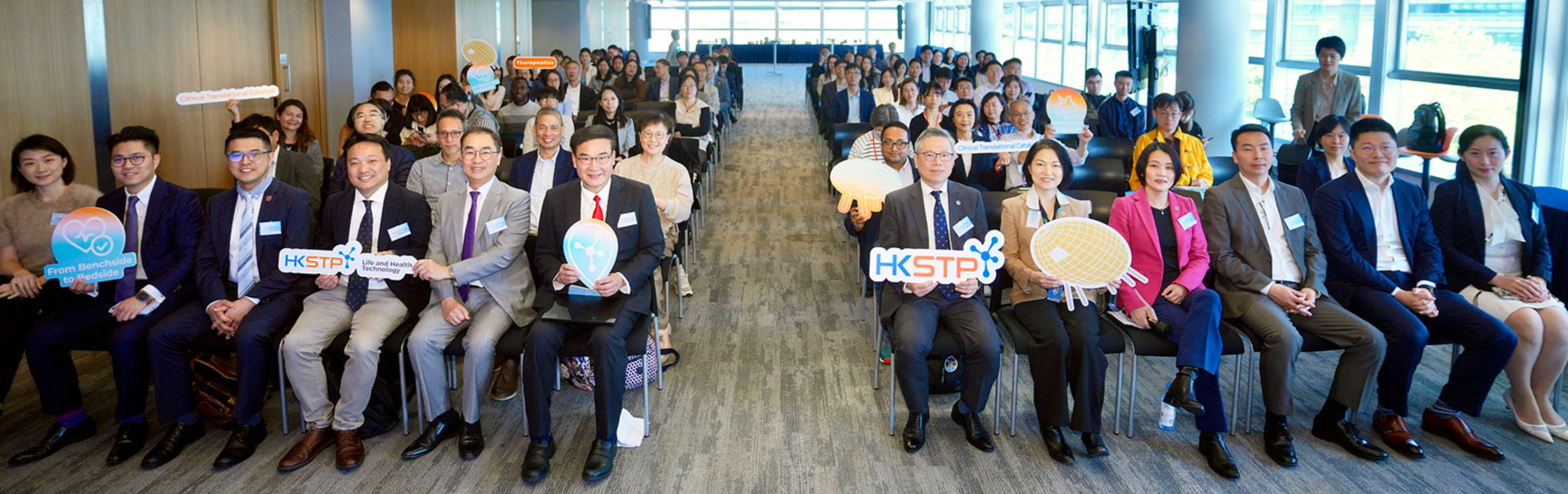
These initiatives are already delivering tangible results. Last week, HKSTP brought together 110 industry pioneers, investors, and corporate partners for a landmark showcase event. The event explored Hong Kong’s distinctive policy advantages for innovation and the evolving IPO landscape increasingly favoring biotech companies — while also spotlighting the proven success of HKSTP’s thriving I&T ecosystem.
The impact is evident in the success of park companies. Some biomedical companies have completed their initial public offering (IPO), secured more than $100 million in funding, and sped up their clinical trial procedures under these supports.
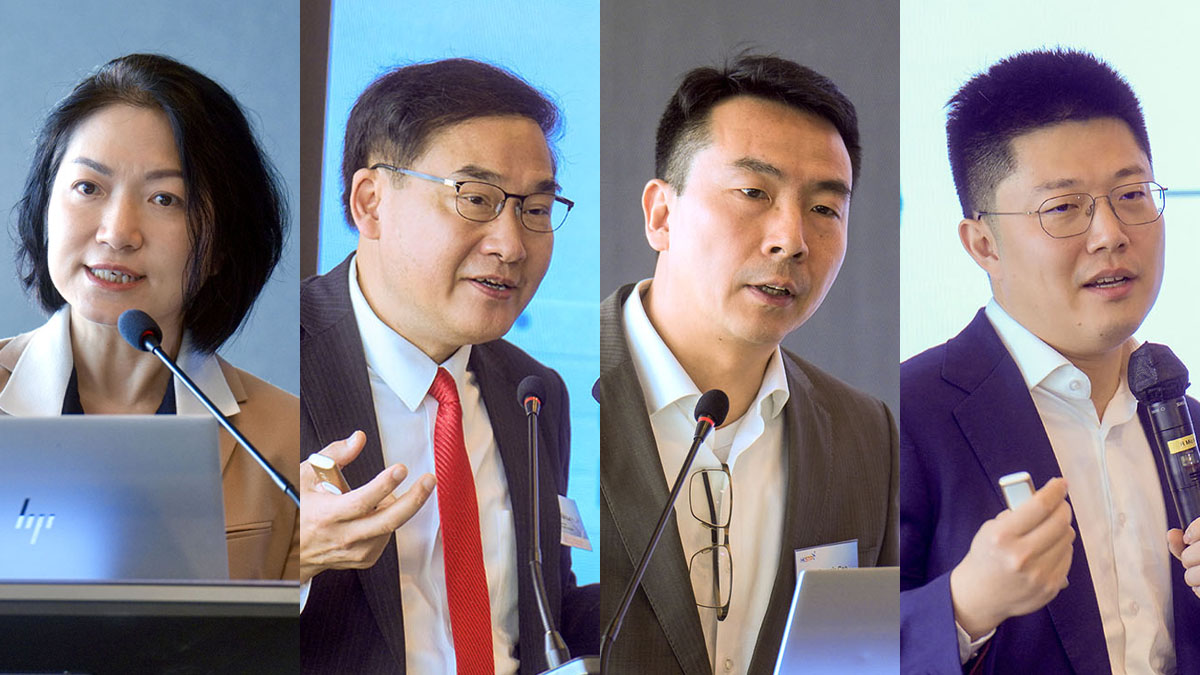
For Chinese mainland companies eyeing global expansion, Hong Kong is a suitable launchpad, and the Hong Kong Special Administrative Region government is providing extensive support for life and health tech innovations, clinical trials, and related programs, said Vicky Tse, head of life and health technology of HKSTP. “This makes Hong Kong an ideal gateway for companies ready to go global.”
Tse highlighted the park’s dedicated approach to startup growth, pointing to a specialized team that guides companies through fundraising and clinical research via the CTC program. Beyond financial and developmental support, the park actively prepares its startups for global expansion. As an example, she noted that HKSTP regularly leads delegations to major international events like the BIO International Convention in the United States, providing a platform for its companies to showcase cutting-edge biotech innovations, connect with global investors, and forge strategic partnerships on the world stage.
Through its end-to-end translational ecosystem, HKSTP accelerates biotech commercialization by bridging the critical gap from lab discovery to global market access, and actively connects innovators with top-tier principal investigators, leading clinical centers, and institutional investors, helping to de-risk development pathways, streamline regulatory approvals, and fast-track clinical trials for transformative growth.
Portfolio companies have echoed the launchpad’s ability through their milestones in fundraising and clinical trials.
“When you start the journey, you always have to think about cash flow and how to navigate through a very tough climate,” said Francis Cao, co-founder and chief operating officer of InxMed (Hong Kong) Ltd, as he recalled that during a period when the capital market was frozen, the HKSTP rendered extensive assistance, including connecting clinical trial sites, and streamlining its fundraising process.
Continuous fundraising is important for a biotech company to ensure survival and growth, Cao stressed.
To date, InxMed has completed five rounds of financing, gaining over $130 million, and submitted its IPO application to the Hong Kong Stock Exchange in August 2025.
In addition to fundraising, HKSTP also plays an important role in helping biotech companies accelerate their trial processes. For Arthrosi Therapeutics Inc, a US-based clinical-stage biotech company focusing on developing game-changing therapies for gout and tophaceous gout, HKSTP has contributed significantly to connecting it with clinicians in Hong Kong who eventually participated in its trials.
In December 2024, the company announced that it had enrolled more than 50 percent of patients in its pivotal Phase 3 REDUCE 2 trial evaluating its product AR882 — a novel and selective URAT1 inhibitor currently in clinical-stage development for the treatment of gout and tophaceous gout, for the reduction of serum urate in gout patients. In October 2025, the company raised $153 million in its Series E funding, and in February 2026, it was officially acquired by Sobi in a deal valued at up to $1.5 billion.
Echoing the previous industry insiders, Dennis Lam Shun-chiu, founder of Health Hope Pharma — a Hong Kong-headquartered late-stage clinical oncology biopharma — commended Hong Kong’s role as an international financial center, and its strong potential to act as a global bio hub. He stressed Hong Kong’s role as a superconnector, uniquely positioned to bring together innovative ideas and companies from the mainland with international partners.
“Hong Kong has a very special role as a superconnector, ‘super value-adder’, and a super partner. We enjoy full support from our motherland, and we are facing the whole world.” Lam, a world-class ophthalmologist, noted that Hong Kong has internationally recognized medical standards and world-famous medical schools, and the medical professionals in the SAR are familiar with performing high-quality clinical trials. However, the SAR’s smaller population limits patient numbers, making collaboration with the Guangdong-Hong Kong-Macao Greater Bay Area market essential, he pointed out.
As HKSTP continues to expand its ecosystem and deepen its strategic partnerships, the message is clear: Hong Kong is no longer just a financial hub — it is rapidly becoming a global powerhouse for life and health tech innovation. With a proven track record, robust government support, and an unwavering commitment to nurturing groundbreaking ideas, HKSTP stands ready to propel the next generation of biotech leaders from lab to market, and from Hong Kong to the world.
Inno-tech Special
