

Combining ancient practices and modern science, sleep management pioneers seek to address insomnia's root causes and expand access to care.
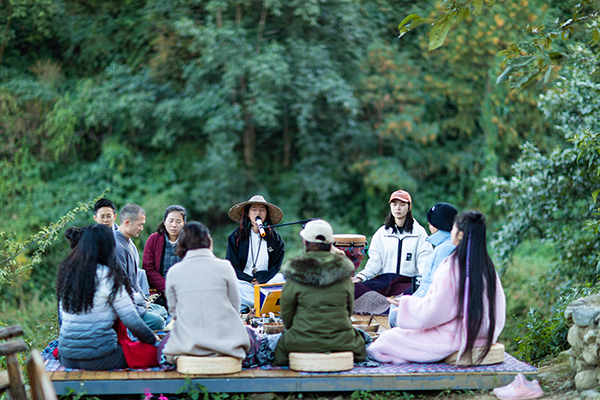
You're lying in bed, eyes closed, as your mind follows a simple image: a drop of water falls from above, landing on your navel and slowly spreading outward — toward your head and your feet — until your body is wrapped in a quiet sense of calm.
This is the essence of water drop meditation, a visualization technique used to guide restless minds into sleep.
"The image of a water drop is soothing, and its rhythmic fall creates a 'ticktock' echo in the mind, forming an almost holographic scene," explained Aluna (pseudonym), a veteran yoga instructor and founder of Aluna, a wellness and therapy brand.
"It helps people focus their attention, diverting them from the anxieties that keep them awake at night," she said.
Aluna is part of a growing group of practitioners working in the emerging sleep health field, as awareness of sleep issues continues to rise. Increasingly, insomnia is being recognized not just as a medical condition, but as a broader social concern.
In July 2025, China's Ministry of Human Resources and Social Security officially designated "Sleep Health Specialist" as a new national occupation, reflecting growing demand for nonclinical sleep support.
Yet the field remains relatively young. According to Shang Nan, a doctor at the First Hospital of Shanxi Medical University in Taiyuan, systematic scientific research on sleep only began in the 1920s, and sleep medicine is still fragmented within hospital systems.
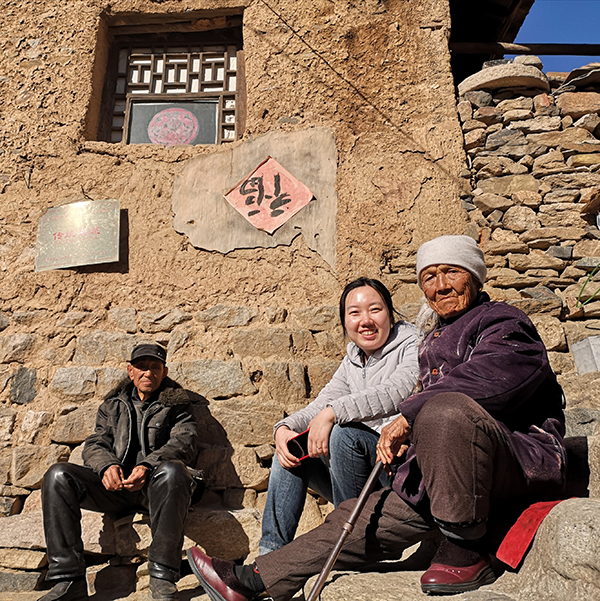
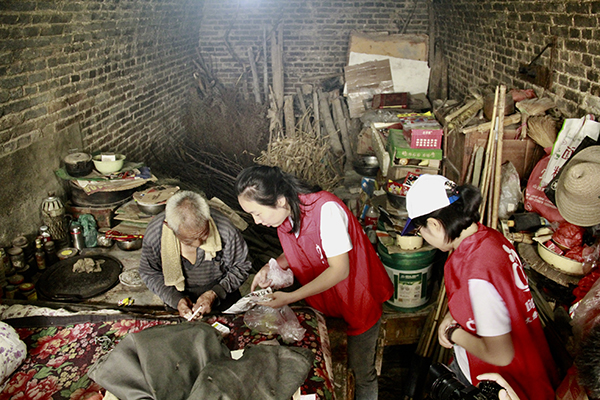
Shang has seen the consequences of this gap firsthand. While working in rural communities, she encountered elderly patients who couldn't access proper treatment.
"I saw seniors suffering from illness but unable to afford medication," she recalled. "Their health literacy was low, and many were even using expired drugs. That experience motivated me to bring medicines and care to more rural villages."
At the same time, non-pharmacological approaches to sleep are gaining traction.
The China Sleep Research Society estimates that methods such as sound therapy, light therapy, and movement practices like baduanjin — a traditional set of gentle breathing and stretching exercises — can resolve 60 to 65 percent of sleep-related problems, with medication considered a last resort.
Making a difference
Both Shang and Aluna came to sleep management through their respective practices.
With more than two decades of experience as a yoga instructor, Aluna began exploring sleep issues more deeply in 2013, when she noticed a recurring pattern among clients with cancer or depression: many struggled with both loss of appetite and insomnia.
"Recognizing the potential of yoga practices like Yoga Nidra — a form of guided meditation that induces deep relaxation and helps improve sleep — I decided to use my expertise as a tool for healing and overall well-being," she said.
Beyond one-on-one consultations, Aluna also organized outreach programs, inviting volunteers to provide free medical services in rural areas.
Her efforts later supported Shang's work, including fundraising through the sale of her personal belongings.
By the time Shang earned her PhD, she had visited more than 30 villages. In 2019, the two established a welfare organization together, offering services such as sleep assessment and consultation.
Their collaboration has since evolved into a more structured approach. They launched a sleep management lab brand with locations in Shanxi and Hainan, and this year organized a free clinic in Taiyuan for World Sleep Day, offering sleep assessments and traditional Chinese medicine evaluations.
The participants' response highlighted a persistent gap.
"The most common feedback was the lack of access to professional sleep knowledge," Shang said. "It shows how much public education is needed."
Through their work, both practitioners emphasize that sleep management differs from clinical treatment. Rather than focusing on diagnosis and medication, it centers on screening, education, and lifestyle adjustment.
"Insomnia shouldn't be seen simply as a disease, but as a sign of imbalance," Aluna said. "It's important to identify what in a person's habits or lifestyle is causing the problem."
"For example, if insomnia is related to overeating, we focus on adjusting the diet rather than directly targeting the nervous system," she added. "It's about addressing the root cause, not just the symptom."
To support this approach, Shang's team developed a sleep assessment system integrating clinical evaluation, traditional Chinese medicine, yogic energy assessment, and dream analysis. Using statistical models and machine learning, the system provides a more comprehensive understanding of sleep health and suggests personalized solutions, such as herbal teas or sleep incense.
At the same time, the field continues to evolve. Because sleep management draws from multiple disciplines — including medicine, psychology, yoga, and traditional Chinese medicine — developing standardized training remains a challenge.
"Clinical doctors, yoga instructors, and TCM practitioners all approach sleep differently," Shang said. "Each group requires tailored training, which makes building a unified system complex but necessary."
This is why the two established the Waka Ecology Sleep Lab in Hainan, named after the Sanskrit word for "expert physician". Their goal is to bring systematic and professional sleep health knowledge to the public while bridging the gap between these diverse fields.
"We're encouraged to see these boundaries gradually dissolving," Aluna said. "More professionals — from psychologists to neurologists — are beginning to work together."
Yet for many, the journey toward better sleep still begins with a simple image: a drop of water falling softly, its ripples spreading through the body, quietly guiding the mind toward rest.
