

From soaring harmonies to mountain-grown coffee, a cultural showcase in Beijing offers a vivid introduction to the city of Lushui, Yang Feiyue reports.
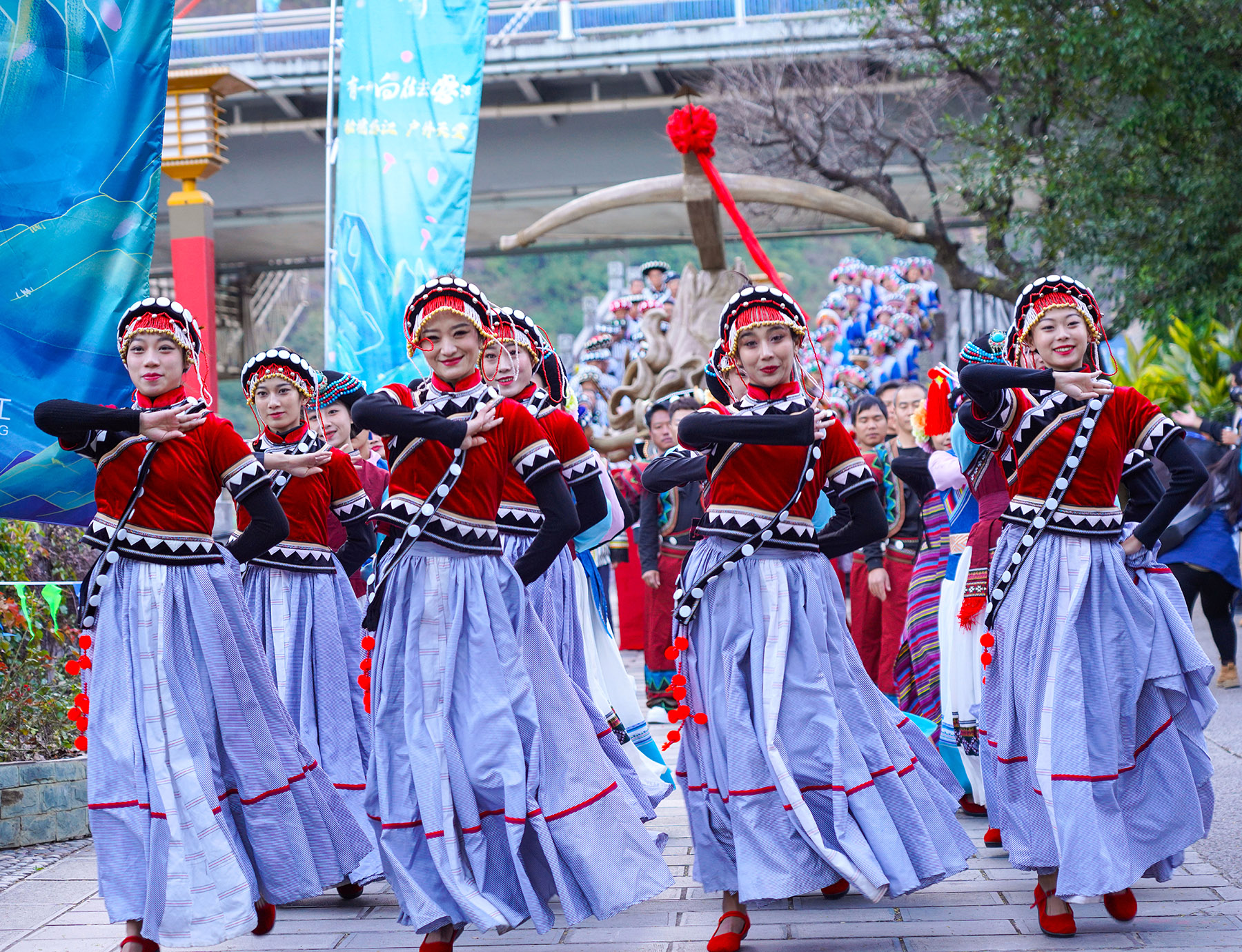
People in vibrantly colored ethnic costumes bob around in the dense greenery of Langyuan Park, a quiet oasis in Beijing's western Shijingshan district on a late March afternoon.
As one ventures deeper, the aroma of coffee hits, pulling visitors to a cluster of stalls that have laced the park's central plaza with specialties from Lushui, thousands of kilometers away in the Nujiang Grand Canyon of southwestern Yunnan province.
With distinctive local accents, staff members move through the crowd with trays, offering small cups to curious hands. "Please, try it. This is coffee from our home, grown at the foot of the Gaoligong Mountains," they say.
Nearby, tables are laden with an array of fragrant spices, dried fruits, and handicrafts that tempt visitors to pause and sample.
READ MORE: Life in the forest
As many are still indulging in the gourmet experience, a sudden chorus of voices pierces through the air. It is so high and soaring that it seems to come not from human throats but from eagles gliding on thermals.
It freezes the hands holding coffee and silences the murmur of voices over the fair.
All of this is a tourism and cultural promotional event for Lushui, offering a glimpse of the unique charm of the capital of the Nujiang Lisu autonomous prefecture.
Seven Lushui singers effortlessly perform baishi, a powerful, high-pitched melody, that in the Lisu language means "speak freely, sing freely".
The performers explain that, as a local saying goes, "You can't live without salt, you can't live without song". Historically, people living on opposite mountain slopes would sing across the Nujiang Grand Canyon to communicate.
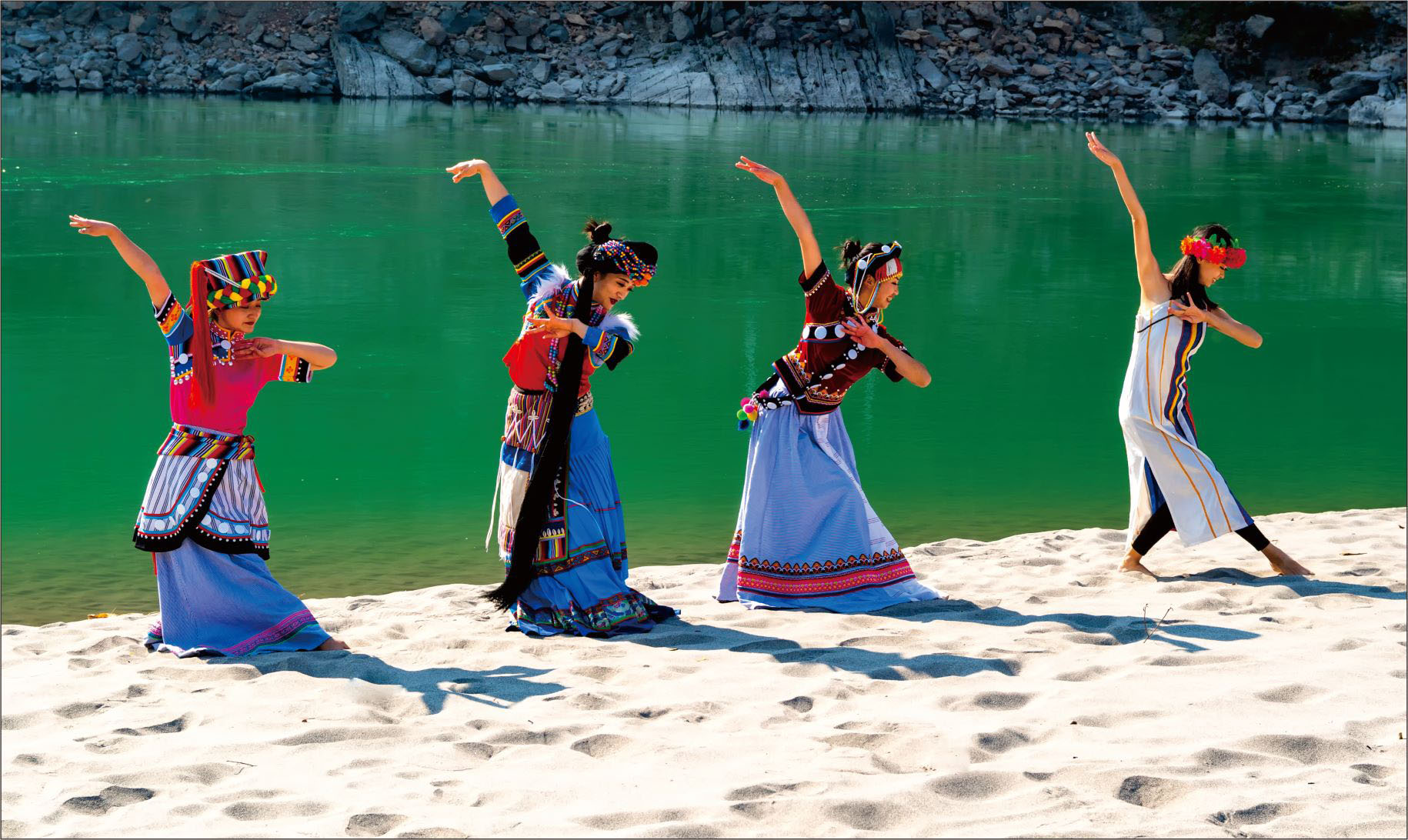
In 1996, a group of Lisu farmers traveled to the provincial capital Kunming for a film festival, where they translated the theme song of the American film Waterloo Bridge into the Lisu language and performed it as an unaccompanied four-part chorus, bringing the house down.
In the following years, their polyphonic singing continued to impress musicians at the China International Chorus Festival with its complex but pure harmonies. In 2006, the Lisu polyphonic chorus was inscribed on China's first national intangible cultural heritage list.
However, the musical tradition is only one facet of what Lushui has to offer.
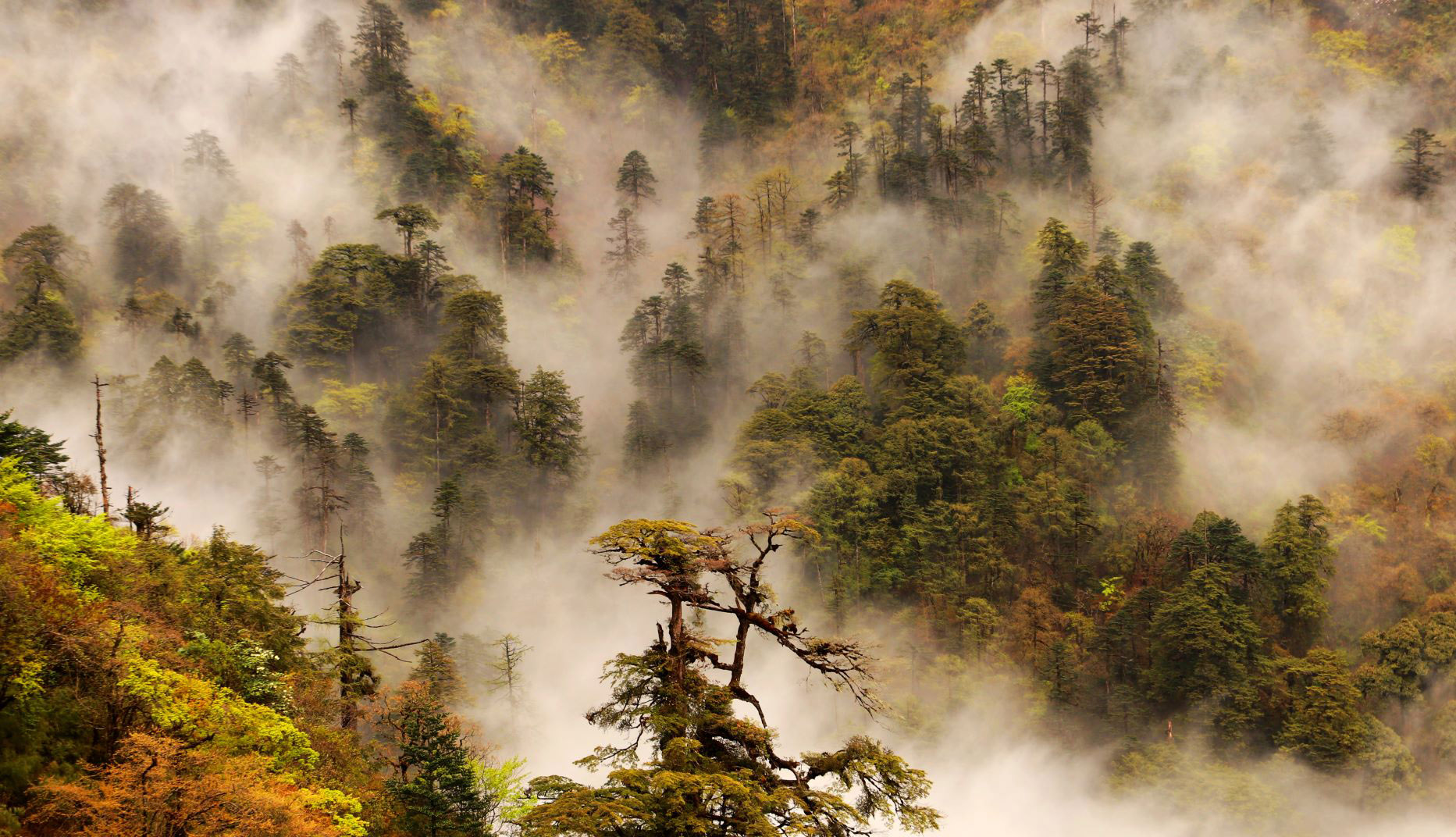
The city sits in the heart of the Three Parallel Rivers area, a UNESCO World Natural Heritage site, where the Jinsha, Nujiang and Lancang rivers run roughly parallel for more than 170 kilometers, separated by massive mountain ranges. Despite its remote mountain setting, Lushui is increasingly accessible. Visitors can fly to Baoshan Yunrui Airport, about a two-hour drive away, and the newly upgraded highway from Baoshan has significantly reduced travel time, making the canyon's edge reachable within a day from most Chinese cities.
With an elevation range of 3,400 meters, Lushui spans five climate zones, allowing visitors to experience four seasons in a single day.
"We have a spot called Tiger Leap, where the river narrows to just 10 meters, and the Nujiang River crashes through, sending waves meters high," says Yang Bo, Party secretary of Lushui, at the tourism promotional event in Beijing.
He also recommends Hundred Birds Valley, where tens of thousands of migratory birds stop to rest each spring and autumn, as well as Listening Fate (Tingming) Lake, hidden deep in the Gaoligong Mountains.
"Science says the air humidity is so high that sound vibrations can trigger rainfall," Yang says.
"But people of the Lisu ethnic group prefer to believe it's the mountain god's ear. Whatever you wish for, the god gives you."

In addition to the baishi singing, Lisu culture is rich in rituals. One dramatic tradition called "Climbing the Sword Mountain, Crossing the Sea of Fire", sees performers climbing a tower of sharp swords fixed to a 20-meter pole, blades facing upward, using only their bare hands and feet. After descending, they walk barefoot into pits of burning charcoal. The tradition honors a Ming Dynasty (1368-1644) general who trained local warriors to defend the border, symbolizing courage, loyalty, and a willingness to face danger for one's community.
Beyond rich folk customs, the warmth of Lushui is not only reflected in locals' hospitality but also in its climate.
"The weather is always like early spring, flowers bloom continuously throughout the four seasons," Yang says.
He recommends watching the sunrise from the Yangpo Cloud Walkway and spending an evening strolling along the west bank of the Nujiang River.
Further afield, the city's borderlands offer their own appeal. In Pianma town, one can stand with one foot in China and one in Myanmar, a historic crossing that was once a key link on the Stilwell Road — also known as the China-India Road — during World War II.
At Denggeng village, 18 natural hot springs cascade down a cliff face, forming pools where visitors can soak while gazing out over the Nujiang River beneath a blue sky.
Those primordial hot springs have flowed at a constant temperature for 400 years. Around Spring Festival each year, people of the Lisu ethnic group gather here for the Bathing Pool Festival, setting up camps by the springs to soak, sing, drink and dance.
The tradition now serves as a link connecting the hot springs with scenic spots and traditional villages, local authorities say.
Food is another highlight. Cha Jiliang, vice-mayor of Lushui, says the region's cuisine brings together the aromas of coffee, fruit, flowers, wild mushrooms, and cured ham.
The region is home to a wealth of specialty ingredients, especially free-range poultry, highland cattle, pork from the Gaoligong slopes, and cold-water fish from pristine mountain streams.
He urges visitors to try authentic Lisu "hand-grab rice", a communal meal of rice, meat, and vegetables served on a large bamboo platter, eaten with the hands as tradition dictates.
The region's ecosystem has also given rise to premium coffee, after experts from the Chinese Academy of Tropical Agricultural Sciences taught local farmers about seed selection, cultivation, and water and fertilizer management in 2020.
Today, more than 10,000 households across the region are involved in growing coffee.
ALSO READ: A season of culture set to enthrall
Chu Fanglan, head of the city's publicity department, recommends visiting in May, which she describes as the most beautiful time in Lushui, with lush vegetation, flowing mountain streams, and the canyon filled with the scent of flowers. Villages echo with songs and laughter.
Sanhe village is particularly suited for spring visits, as it offers hiking, camping, rare crystal orchids, and wild raspberries that thrive in the deep shade of ancient forests, she says.
On May 3, crowds are expected to gather along the banks of the Nujiang River for the 2026 Chinese Athletics Association's 10 km elite race and 5 km fun run.
"We'll start running together, measuring the world's most beautiful canyon with our own footsteps," Chu says.
"The road is flat, but the scenery is not," she adds.
Contact the writer at yangfeiyue@chinadaily.com.cn
