

Fascinated by Chinese online novels, Frenchman shares his favorites by translating them and filming documentaries with the authors, Yang Yang reports.
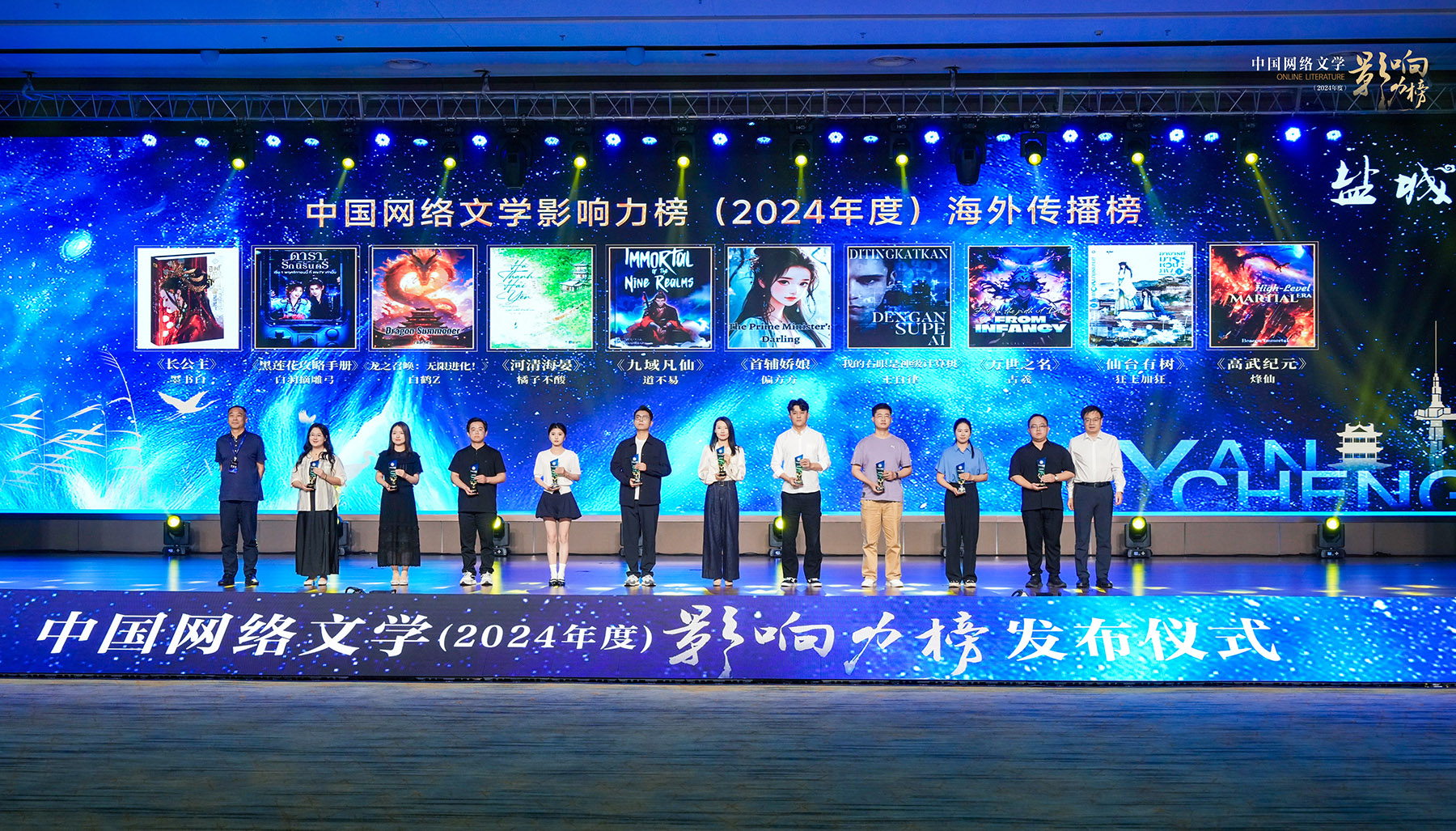
When Charles-Emmanuel Dewees, a 46-year-old from Marseille, France, talks about Chinese online novels like Coiling Dragon, Lord of Mysteries, and The Unruly Immortals, he uses expressions and words from those works so masterfully that a Chinese person would question whether Dewees was actually Chinese. When it comes to his favorite online novelists, it's easy to see that he is a big fan of this genre.
"I was very touched and excited when I went to Yangzhou (Jiangsu province) to interview Wo Chi Xi Hong Shi (literally, I Eat Tomatoes). The first online Chinese novel that I ever translated and shared is his Coiling Dragon," he says.
He also watched the animated adaptation of the writer's other novel, Swallowed Star. In 2023, he made a video and posted it on video-sharing platform Bilibili, explaining his perspective on its philosophy.
READ MORE: Web novelist turns into 'dream job' for many
In Swallowed Star, the author built a vast, complex cosmic system for a story about how humans use technology and wisdom to fight alien civilizations, exploring the relationship between traditional values and scientific and technological advancements, and reminding us to stay true to human values and remain humble in the face of technological power, says Dewees in the video.
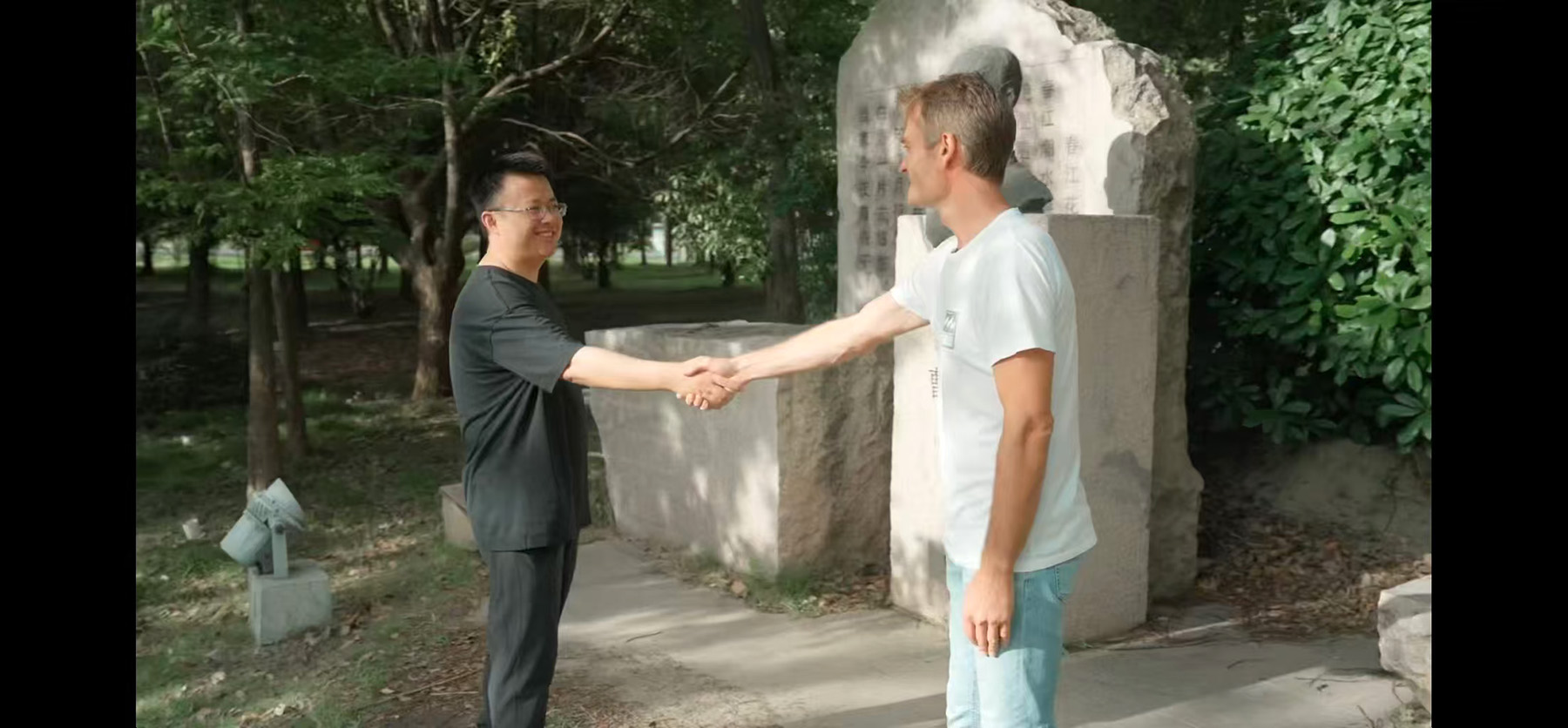

"Fanqie (a nickname fans gave the author, meaning tomato), I really wish you could see my video. Thank you so much. I genuinely appreciate the depth of your work; it has strong, positive values, much like Coiling Dragon," he says in the video.
Two years later, in the summer of 2025, Dewees met Fanqie in person for a documentary that features popular online Chinese novelists, "which is just like a dream", he says over a phone interview with China Daily.
Dewees's interest in Chinese culture was inspired by films by director Zhang Yimou that he watched at the cinema. His interest then extended to the pronunciation of the Chinese language and calligraphy.
In Paris, at the start of the 21st century, he met several students from Taiwan. Curiosity about Chinese culture drove him to communicate with them. He then fell in love with one of the female students, moved to the island in 2005, and studied Chinese language and culture while doing work like filming documentaries.
Three years later, Dewees moved back to France. On a street in north Marseille, he met student Nicolas Hu from Hangzhou, Zhejiang province. Immediately, Dewees felt like old friends, speaking to Hu in Chinese with an obvious Taiwan accent.
Hu then invited him to join his fellow Chinese students to make dumplings during festivals. Gradually, their cultural exchanges deepened, and Hu sent Dewees excerpts from Coiling Dragon translated into French. The story of the protagonist Lin Lei and the mysterious ring, along with the complex family disputes, inspired Dewees's strong curiosity for online Chinese fiction.
Although the characters, settings and context are Western in the novel, it has an Eastern cultural core as it talks about Taoism, the circulation and operation of qi (the flow of energy), and cultivation levels, which Dewees found interesting.
"I gradually found the novel to be very profound, representing the growing process of every individual, a process similar to cultivation — we grow, we make breakthroughs, and we come to another cognitive level," he says, adding that, "it also talks about family, responsibilities, friendship, and love, which are very important."
When Dewees found problems in Hu's translation, he decided to help revise it and then posted the translation on a blog that was discovered by other bloggers who commented that the story was fantastic.
Later, when Battle Through the Heavens by Tiancan Tudou was launched online, Dewees was excited to follow the updates: "I was digging treasure buried deeply underground, and a brand-new world unfolded slowly before my eyes."
As he gradually improved his Chinese, he came to better understand these online novels saturated in Chinese culture and wisdom.
In 2017, Dewees and Hu co-launched the online community Chireads, hoping to build a bridge for French readers and online Chinese writers to communicate.
Now, Chireads is the largest online community in the French-language world for Chinese literature lovers, with nearly 1,000 part-time translators and a monthly traffic of nearly 300,000. Most users were born after 1995 and are from countries such as France, Belgium, Luxembourg, Morocco, and Canada. All the translations are done and provided for free.
Currently, around 100 Chinese novels are being serialized and updated on Chireads. Among them, the wuxia (martial arts) and xuanhuan (mythological fantasy) genres are particularly popular with French-language readers, such as Coiling Dragon, Lord of Mysteries by Cuttlefish That Loves Diving, and A Record of a Mortal's Journey to Immortality by Wangyu.
When it comes to the Chinese internet novels he likes, Dewees could not stop talking.
He found that works like Release That Witch are particularly popular among Western readers because they fuse Eastern and Western cultures. His favorite works include Lord of Mysteries and its animated adaptation. He is currently watching the anime adaptation of Sword of Coming by Fenghuo Xi Zhuhou, which is visually stunning and full of Eastern elements, he says.
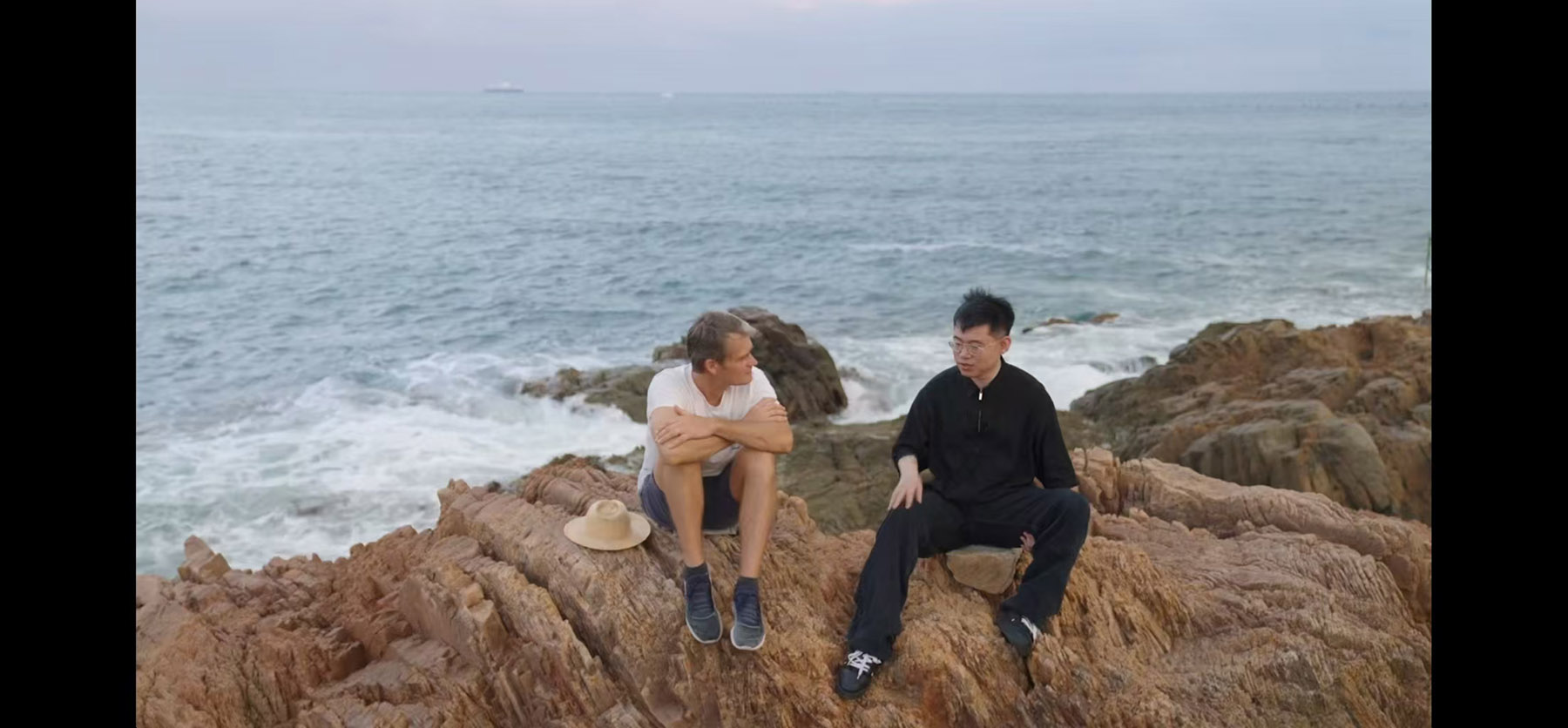
When asked if the Eastern elements make it difficult for French readers to understand, Dewees replies that these elements are actually what make the work so charming.
In 2023, the China Writers Association sought to introduce excellent Chinese internet novels to the world. They discovered Dewees' Bilibili videos and decided to invite him to make a documentary on the topic from a Western perspective.
"We want to feature some influential writers whose works incorporate Chinese history, culture, tradition, and thoughts," says He Hong, director of the association's online literature department.
In August 2024, Dewees flew from France to China working as a host for the documentary China Internet Literature.
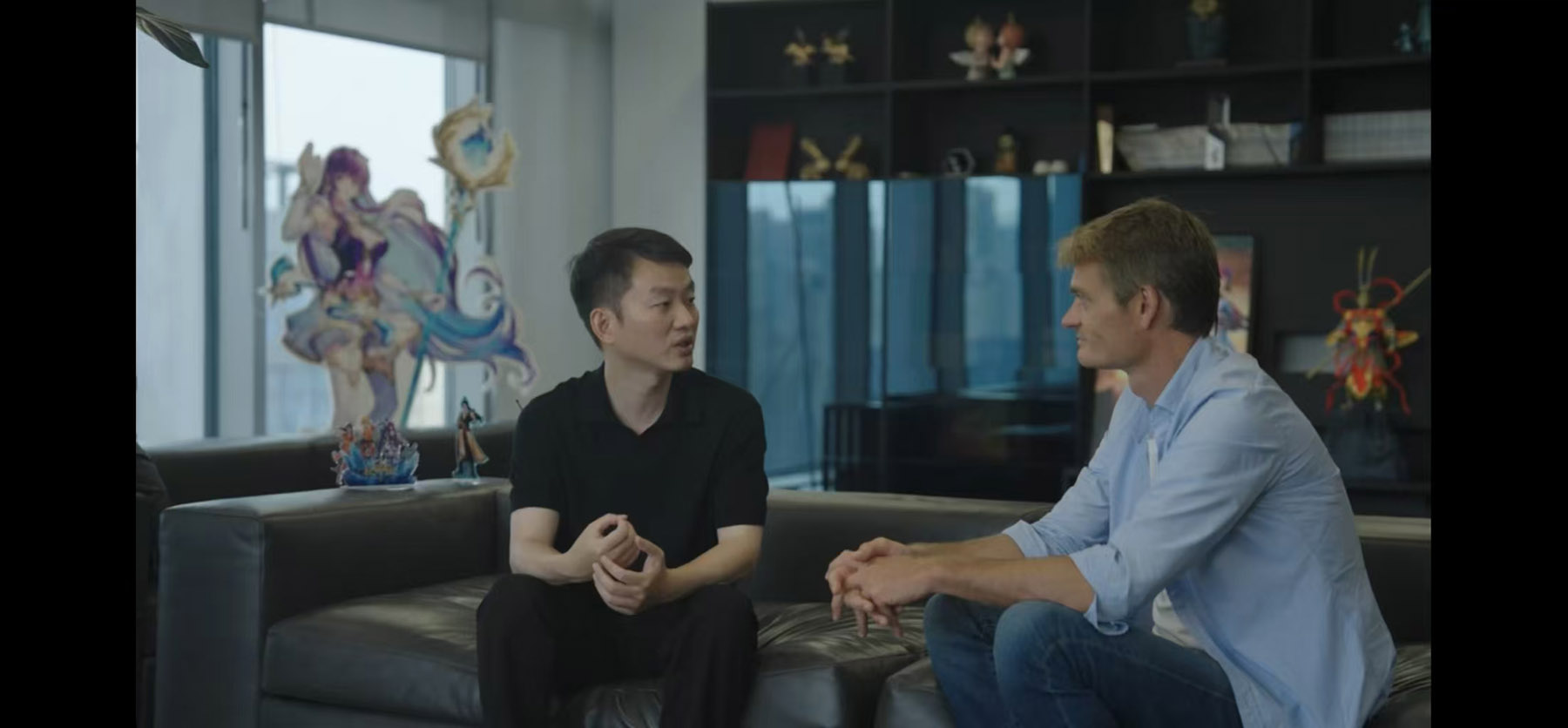
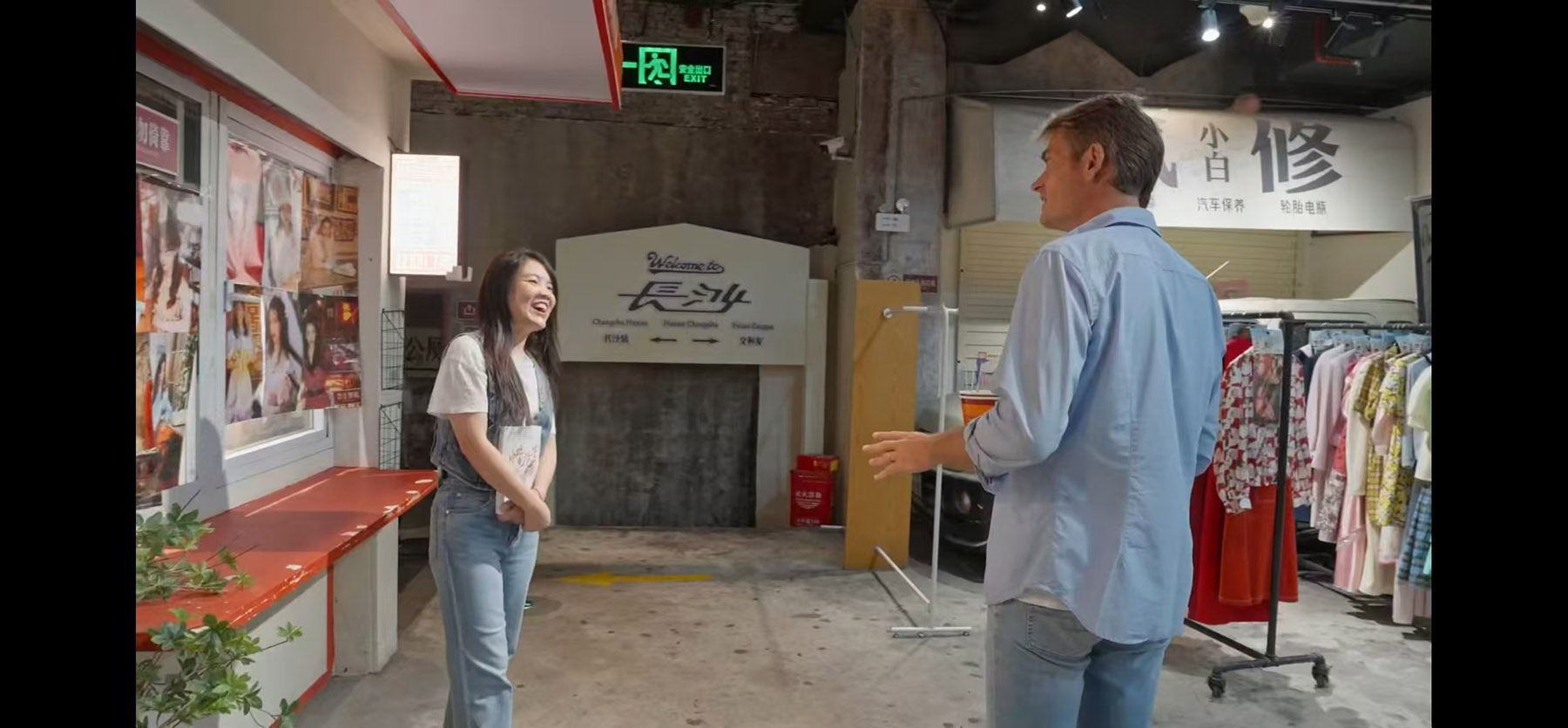
Visiting cities, including Beijing, Ningbo, Zhejiang province, Luoyang, Henan province, Suzhou, Jiangsu province, Hangzhou, Zhejiang province, and Qingdao, Shandong province, to visit 11 writers such as Tang Jia San Shao, Zijin Chen, The Speaking Pork Trotter, Jiang Shengnan, and Cuttlefish That Loves Diving, Dewees leads audiences to explore the stories behind the spectacular works, while telling Chinese writers how French-language readers view the online novels.
"Before the interviews, I collected questions from our readers about what they want to know about the writers," he says, "mainly how they work, their daily lives, pressures, inspirations, educational backgrounds, and their relationships with publishing platforms".
The second season of the documentary was recently released online, accessible on platforms such as Bilibili, YouTube and TikTok.
On YouTube, Dewees was touched by the comments on the Cuttlefish That Loves Diving episode, with many thanking him for the interview. To reach a wider audience, he switched from speaking French in the first episode to English in the second.
"Through watching this documentary, many people want to go to China, do some cultural exchanges, learn the Chinese language, or make friends. They learned about China from another perspective," he says.

"Fiction is a bridge for people to communicate in the same language," he says.
"Hosting this documentary gives me a strong sense of success," he says."I'm not simply doing translation. I'm really a cultural bridge that can introduce more people to Chinese online novels or their anime adaptations."
When meeting the writers, Dewees says that all the writers are very welcoming, just like family.
"They are very nice people, having a sensitive heart and compassion to understand the relationships between people," he says.
"They all work really hard, doing a lot of research on Taoism, Chinese history or Western history."
Now Dewees is co-authoring a time-travel romance with a Chinese writer. The story follows a soul living through different historical periods and countries, including ancient China, France during the World Wars, and the United States.
Currently, online Chinese literature boasts 575 million users. By 2025, Yuewen Group, a leading platform for Chinese online novels, had translated and shared over 13,600 works worldwide. As of Nov 1, 2025, the platform had attracted more than 400 million global user visits.
ALSO READ: The big show battle starts ‘right from birth’
He, with the China Writers Association, says one reason Chinese online literature has reached many overseas readers is its communication advantages. Chinese online literature has developed a new literary form alongside the growth of the internet, offering infinite space for content, a new interactive mode between readers and writers, paid subscription models, and the fastest-ever transmission speeds.
Another reason is that the country's development over the past four decades has also sparked growing interest among people worldwide in learning about a country with a long history and rich culture, he adds.
Compared with elite writing, online novels are easier for readers to start with, he says, following a good storytelling tradition enhanced by rich, unbridled imagination.
"For many people, following updates on the novels serves as a companion in their daily lives," he says.
Contact the writer at yangyangs@chinadaily.com.cn
