

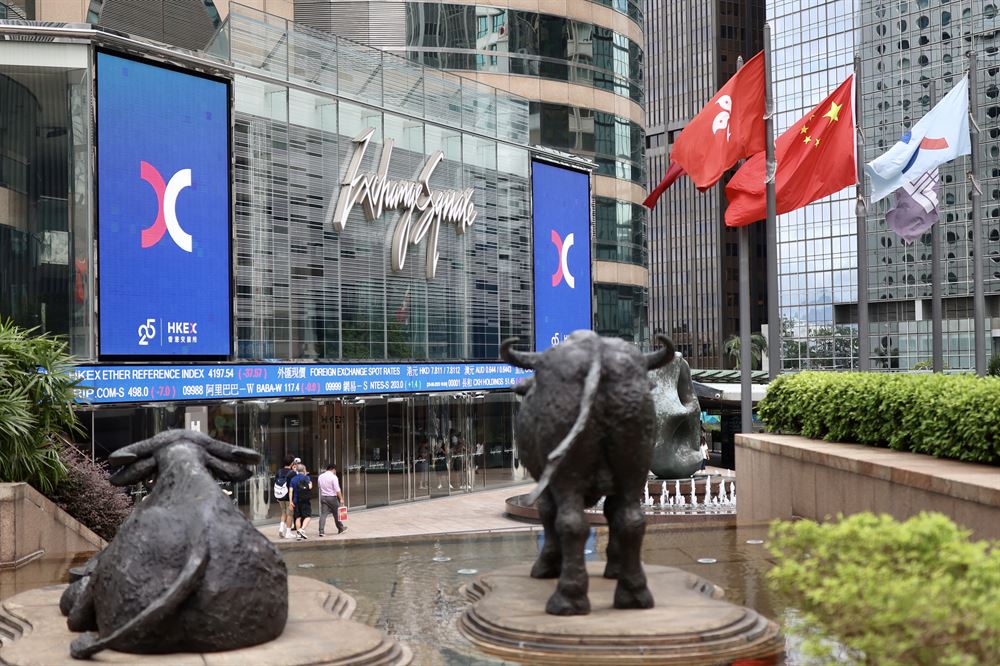
The Hong Kong Special Administrative Region is well-positioned to help companies from the Chinese mainland raise funds globally and expand overseas, while deepening cooperation with the mainland in sectors such as healthcare and biotechnology, said a member of the Chinese People’s Political Consultative Conference (CPPCC) National Committee, the nation’s top political advisory body.
William Doo Jr, a member of the 14th National Committee of the CPPCC, said Hong Kong’s status as an international financial center and the world’s largest offshore renminbi hub makes it a key platform for cross-border financing by mainland companies.
“Hong Kong has been an international financial center for many years and has a very extensive international investor base,” Doo, who is also chief executive of Fungseng Prosperity Holdings Ltd, said in an exclusive interview with China Daily on the sidelines of the annual two sessions. “That provides a lot of opportunities for mainland companies to issue offshore renminbi bonds and raise funding through Hong Kong.”
Hong Kong’s mature financial ecosystem — including global investors, international law firms and investment banks — supports offshore bond issuance and other cross-border financing channels that help mainland companies expand overseas while advancing the internationalization of the Chinese currency, he said.
The city’s stock exchange also serves as a gateway connecting mainland companies with global capital. Hong Kong ranked first worldwide for initial public offerings in 2025, with 119 listings raising HK$285.8 billion ($36.5 billion). Mainland firms accounted for nearly 90 percent of the funds raised, according to exchange data.
Doo said the city’s deep pool of international capital enables overseas investors to access China’s corporate sector.
“When mainland companies list in Hong Kong, international investors can gain access to their operations in the Chinese mainland,” he said. “At the same time, listing here helps raise the global profile of those companies.”
ALSO READ: HK to beef up green finance to back nation’s carbon neutrality drive
Hong Kong has also developed a policy framework supporting cross-border financing and renminbi internationalization. Programs such as the bond connect scheme linking mainland and Hong Kong debt markets have expanded investment flows between the two markets. The city now processes around 75 percent of global offshore renminbi payments.
Beyond finance, Doo said Hong Kong could play a larger role in fostering collaboration with mainland cities in healthcare, pharmaceuticals and traditional Chinese medicine.
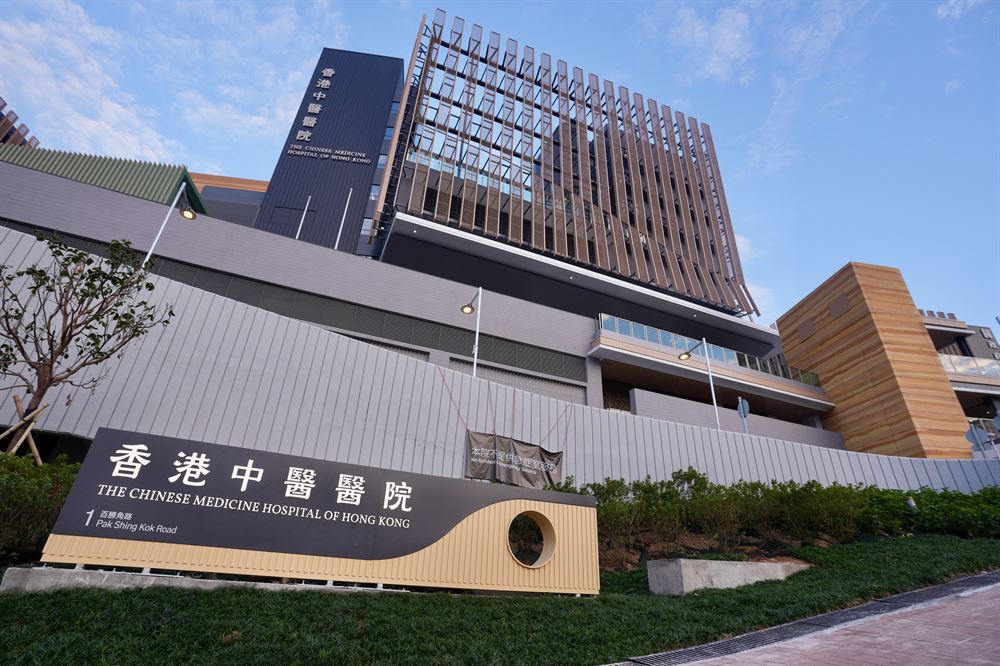
Hong Kong’s first traditional Chinese medicine hospital began operations in December 2025, providing pure TCM services as well as integrated treatments combining Chinese and Western medicines. The facility also serves as a teaching and research base supported by local universities.
“At the moment, there is still room to develop more unified certification and standards for Chinese medicine,” Doo said. “Hong Kong can work with the mainland to set standards and strengthen research cooperation.”
The city’s universities — including the University of Hong Kong, the Chinese University of Hong Kong and the Hong Kong University of Science and Technology — conduct extensive biomedical research and collaborate with mainland institutions on projects ranging from precision medicine to new drug trials.
Doo said deeper integration with mainland innovation hubs such as Shenzhen within the Guangdong-Hong Kong-Macao Greater Bay Area could further accelerate development of emerging health technologies and biotechnology industries.
According to the 2026 Government Work Report, Hong Kong will be supported to integrate into and serve the overall national development framework under the “one country, two systems” policy.
The draft outline of the 15th Five-Year Plan (2026-30) also assigns Hong Kong a broader role, including strengthening its status as a global financial center and offshore renminbi hub, while supporting its development as an international innovation and technology center.
READ MORE: Industrialist-turned-legislator urges HK to embrace innovation
“The role of Hong Kong is not only to integrate into the country’s development,” Doo said. “It is also to serve the country’s development in a more proactive way.
Contact the writers at lijing2009@chinadaily.com.cn
