

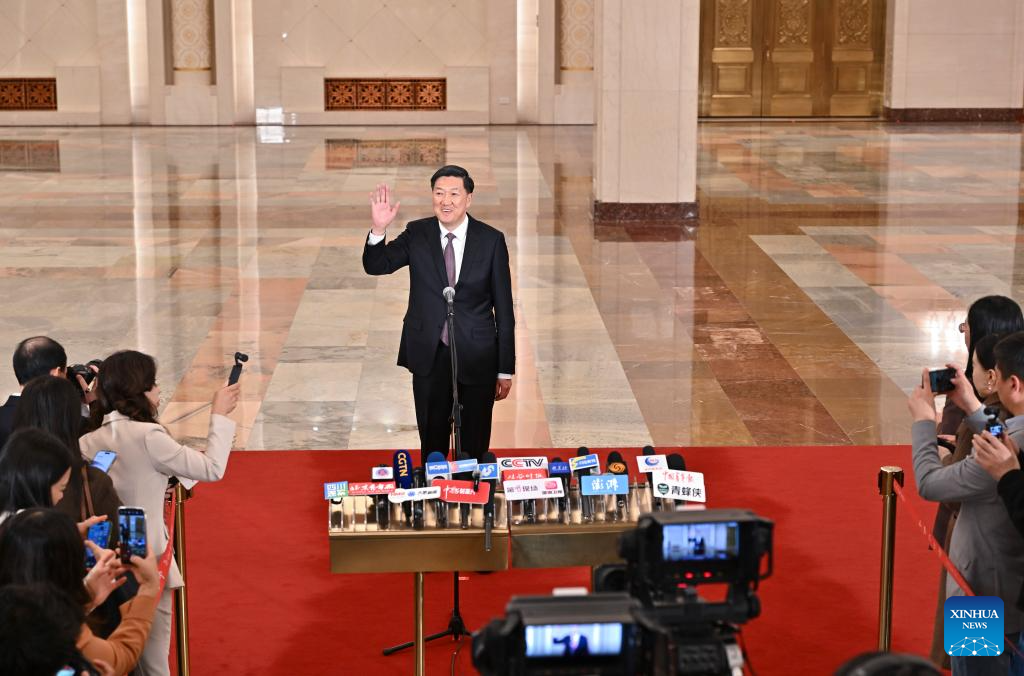
China's sports minister has said the country is determined to tap into the potential of the sports industry, with the country identifying its development into a global sporting powerhouse as an objective in the latest five-year plan.
According to Gao Zhidan, China, which is already a leading competitor on the Olympic stage, has developed a holistic set of policies, which include the improvement of infrastructure and more public sporting events to be rolled out during the 15th Five-Year Plan (2026-30) period to raise the general level of sporting excellence.
If China is to become a sporting powerhouse, sport must be an enjoyable feature of the daily lives of ordinary people, said Gao, who is director of the General Administration of Sport of China, the country's sports ministry.
"We will keep meeting the people's diverse and personalized sports needs, bringing more events, facilities and services closer to the public," Gao said on Monday during an interview at Beijing's Great Hall of the People, where he is attending the ongoing two sessions gathering.
"We will make sure sports resources are visible, accessible and affordable for all. We will turn the 15-minute fitness circle into a circle of happiness for the people," he added.
"We will encourage popular grassroots events, such as the villagers' basketball league and soccer city leagues to thrive nationwide. We aim to translate sports development into tangible happiness that everyone can feel and enjoy."
ALSO READ: China issues guidelines to promote high-quality development of sports industries
Inspired by Chinese athletes' strong performances at recent Olympic Games, increasing numbers of Chinese citizens have embraced sporting activities as part of their daily routines, with 38.5 percent of the population exercising regularly (at least three times a week) in 2025. On average, people aged 19-59 spent 2,500 yuan ($361) on sporting activity or equipment in 2025, up 38 percent from 2020.
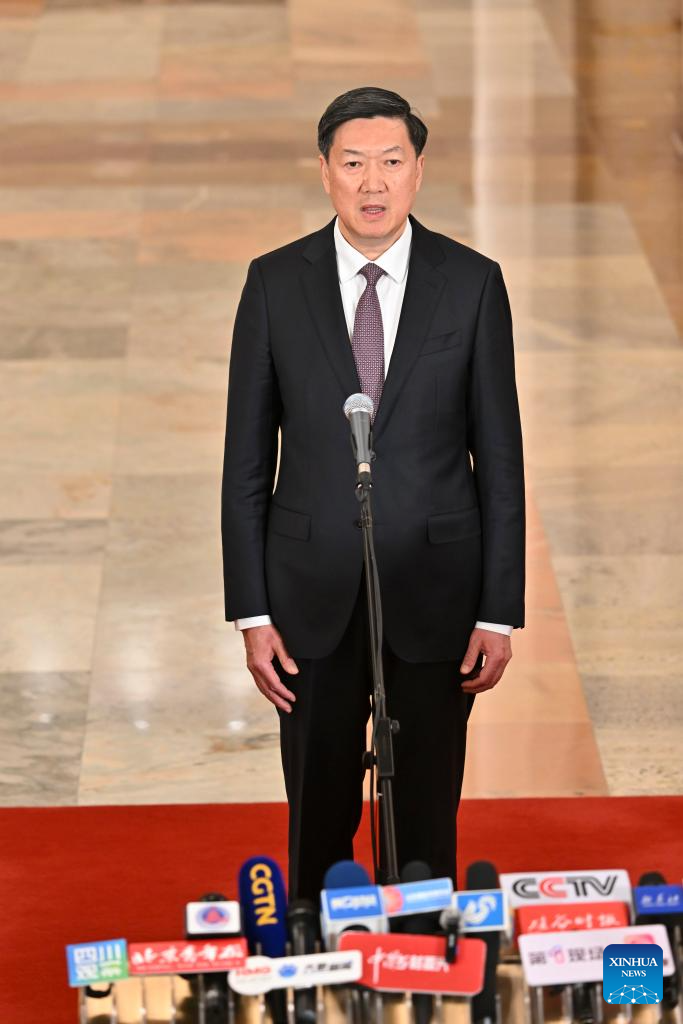
Over the past five years, the total output of China's sports industry has increased by 8.8 percent annually, while the value added each year has been growing at 10.5 percent, Gao said.
In the aftermath of the Beijing 2022 Winter Olympics, the market value of China's ice and snow sports sector had exceeded the 1-trillion-yuan benchmark by the end of last year.
However, there remains much potential to expand popular participation, said Gao, citing the resounding success of "Suchao" — the 2025 Jiangsu Football City League, which has drawn record stadium attendances and phenomenal attention across the country over the past season.
To build on the momentum, Gao has pledged China's sport ministry will double down on development of the sports industry over the next five years, supporting mass fitness initiatives, as well as sports-related entertainment and tourism.
"We will offer more policy guidance to support and promote the integrated development of outdoor and leisure sporting events with tourism and culture experience," he said.
"We will also enrich and diversify the supply of sporting events by introducing more high-level international events and developing domestic events.
READ MORE: From humanoids to drones, tech drives sports innovation in China
"Building more referential industry standards and strengthening training of professional talents are among the fundamental measures required for the high-quality development of the sports industry."
