


HONG KONG – Hong Kong is expected to face four to seven typhoons this year, a figure considered near normal, according to the city's weather forecaster.
This is much fewer than the 14 tropical cyclones that lashed the city last year, the highest annual number since 1946. In 2025, which was also the sixth warmest year on record for Hong Kong, there were five black rainstorm warnings – breaking the annual number on record since the rainstorm warning system began operation in 1992.
Presenting the annual weather outlook at a press briefing on Monday, Chan Pak-wai, director of the Hong Kong Observatory, said the tropical cyclone season is likely to begin in June or later this year and conclude by October or earlier.
With the possibility of El Niño development later this year and due to continued warming of the climate, the observatory forecasted the annual mean temperature to be above normal, with a high chance of ranking among the top 10 warmest years on record, according to an HKO news release.
Pointing out that annual rainfall this year is expected to be near normal, ranging from 2,100 millimeters to 2,700mm, Chan warned that the city could still face rainstorms and localized heavy rain, advising the public to remain prepared for the rain and tropical cyclone seasons.
RELATED ARTICLES
- Weather risks: What Hong Kong needs to know
- 2025: a stormy, hot year for Hong Kong
- HK experiences its warmest winter on record
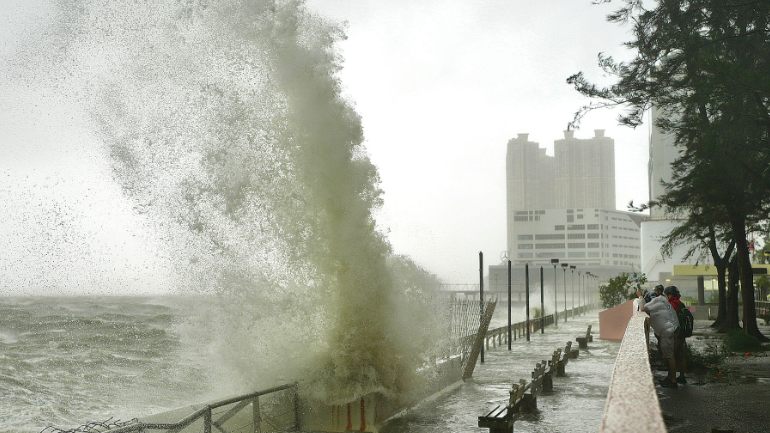
The observatory will begin including forecast information on overtopping in its tropical cyclone warning bulletins to better address coastal flooding risks, with an aim to alert the public to specific coastal areas that may be impacted when significant overtopping waves are expected.
To help the public manage hot and humid conditions, the HKO will expand Hong Kong Heat Index data, which accounts for temperature, humidity, wind speed and solar radiation, on its website during the second quarter to cover more districts across the territory.
Also, the HKO will enhance its MyObservatory mobile application by progressively introducing trial location-specific weather information for cities in the Republic of Korea and Thailand in the second half of 2026.
