

China-Vietnam rail sees record demand during Spring Festival

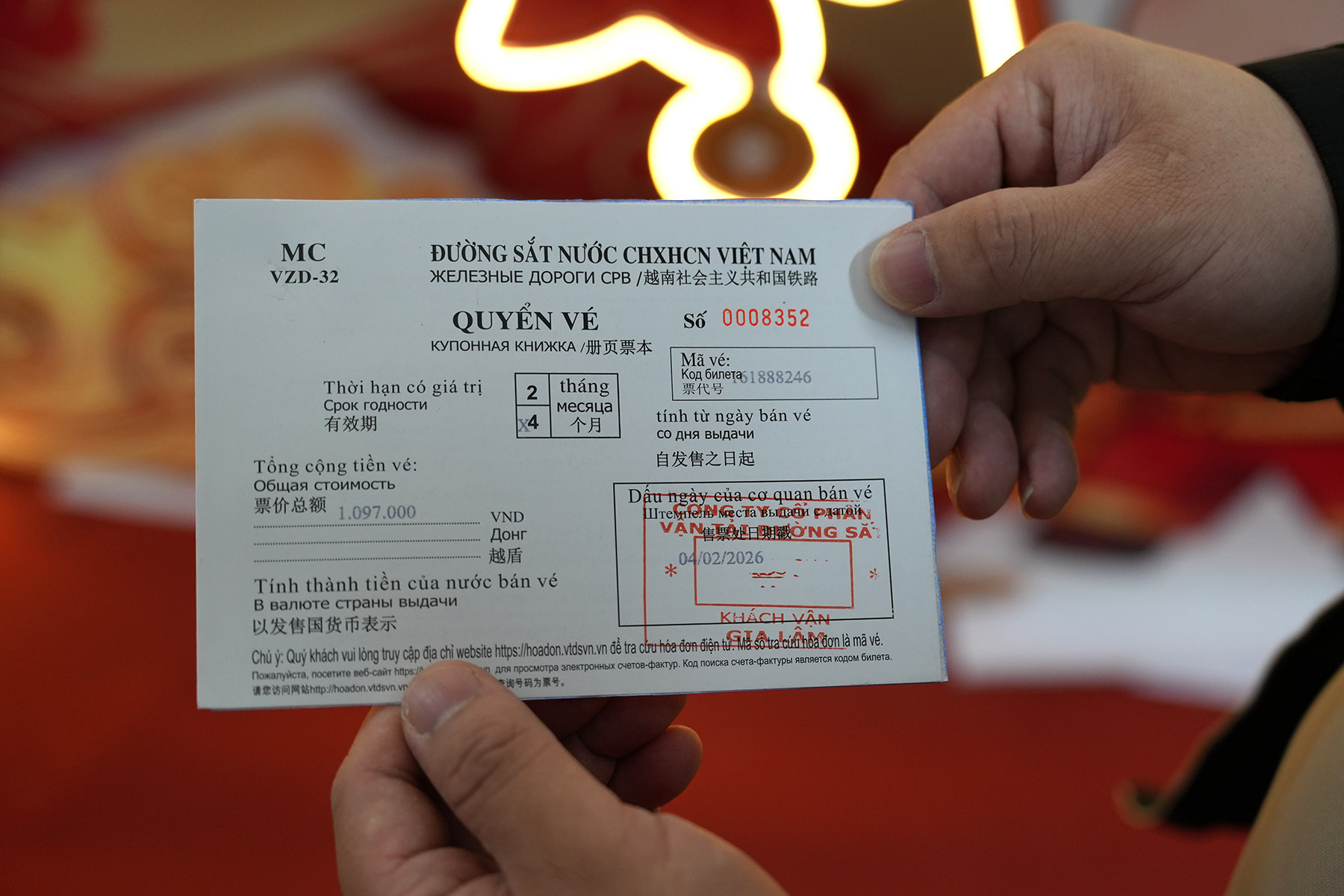
The China-Vietnam international passenger train has recorded its first-ever full-capacity occupancy during the Spring Festival travel rush in 2026, signaling a strong rebound in people-to-people exchanges between the two countries.
According to China Railway, all sleeper berths and seats on the service were sold out from the start of the nine-day holiday period to its conclusion.
Since cross-border services resumed in May 2025 following the pandemic, the train has completed over 200 round trips, carrying nearly 20,000 passengers. This Spring Festival marks the first time the route has maintained a full-load factor for an extended duration.
READ MORE: Travel volumes set to hit new highs as holidayers return after CNY
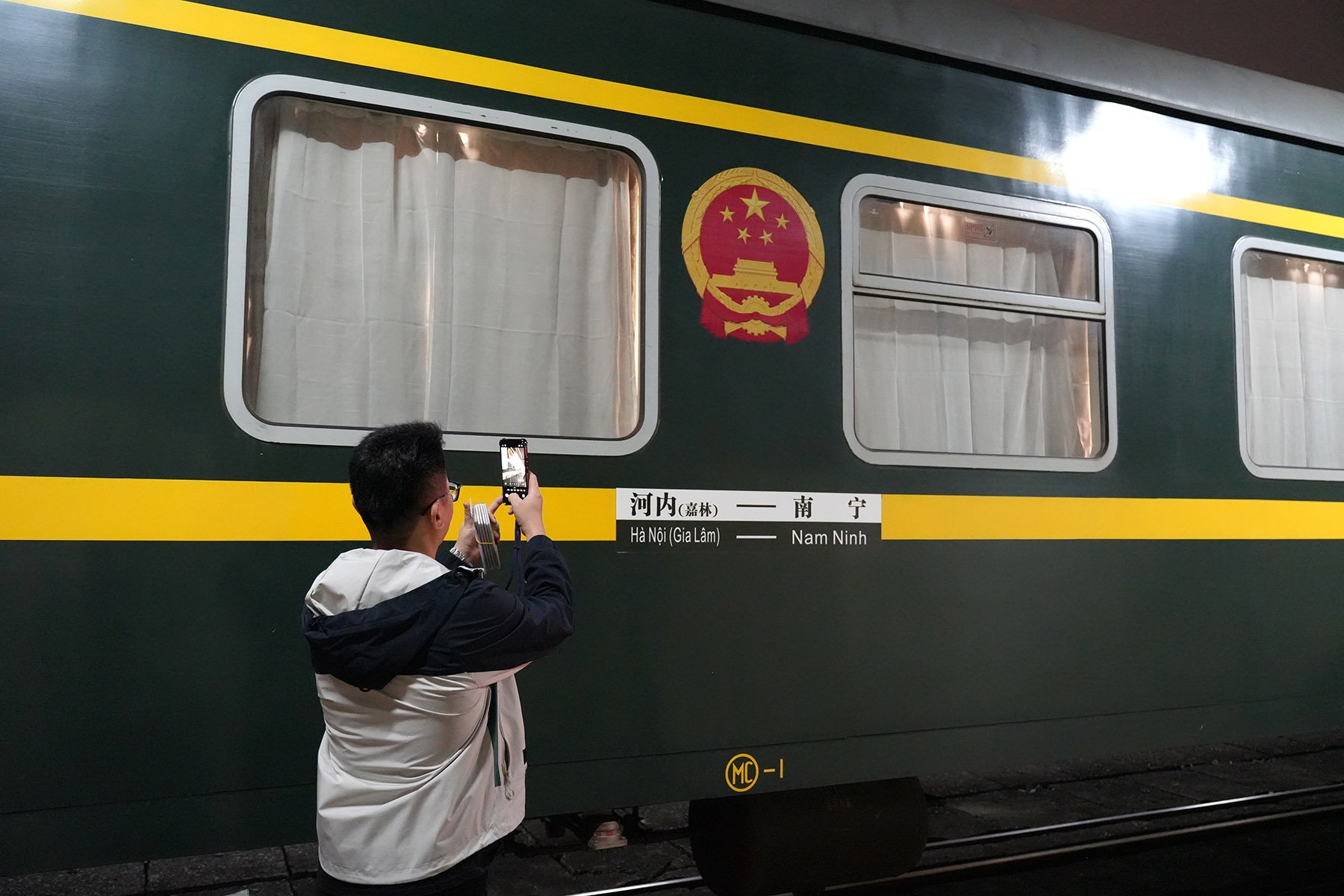
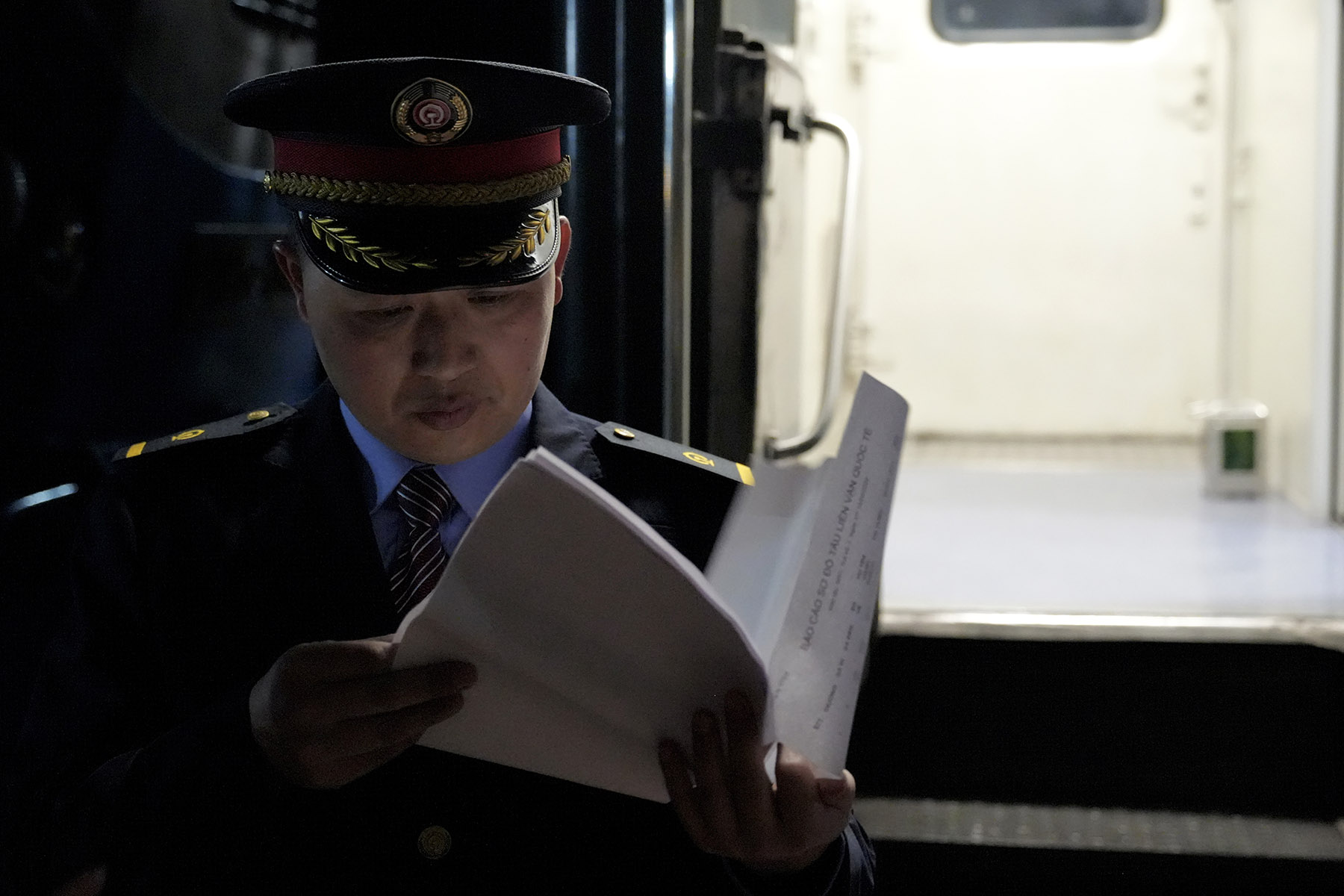
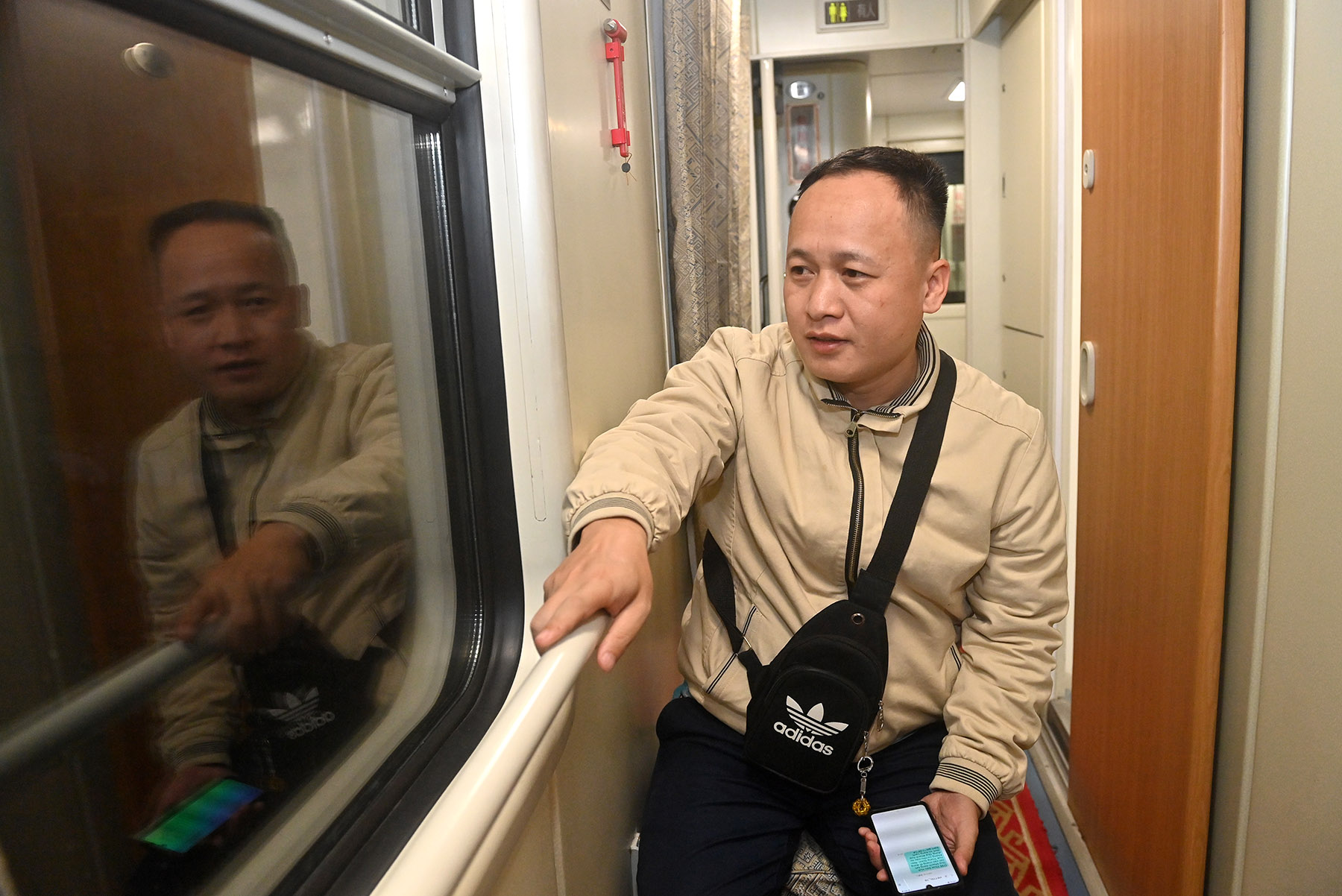
The 396-kilometer overnight service connects Nanning, the capital of Guangxi Zhuang autonomous region, with Vietnam's capital, Hanoi. It features streamlined border clearance procedures at Pingxiang Port in Guangxi. The surge in demand is being driven by overseas Chinese returning home via Vietnam, as well as a growing number of Vietnamese tourists heading to popular southern Chinese destinations such as Guilin and Guangzhou.

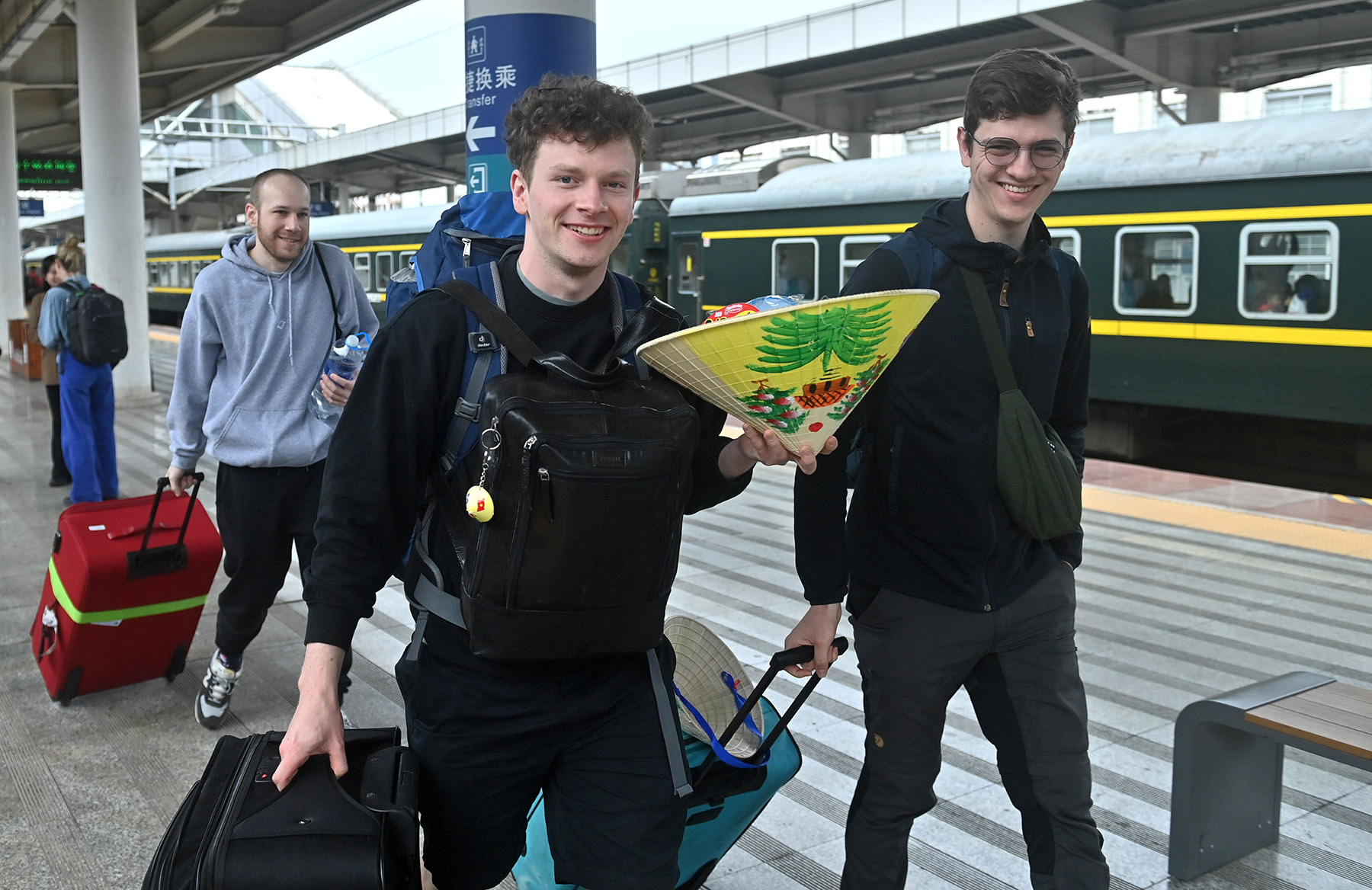
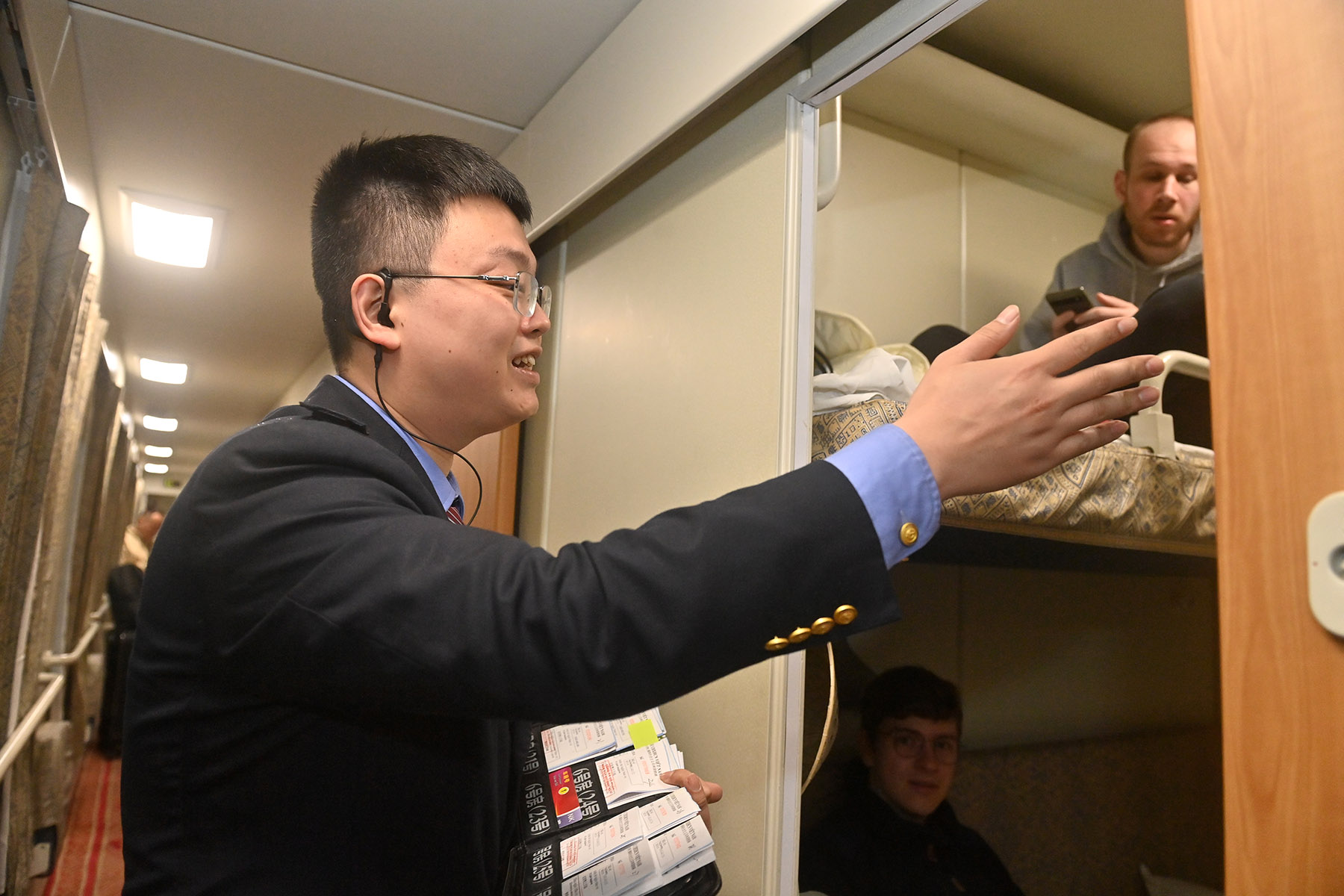
Travelers from both countries can now depart in the evening and arrive the next morning, literally sleeping their way across the border.
The boom in cross-border travel extends beyond the railway. Data from the Dongxing checkpoint in Guangxi shows that from Feb 15 to 23, over 139,000 people passed through the port. The third to fifth days of the Chinese New Year holiday saw a peak in arrivals of Vietnamese family groups and tour parties, with nearly 4,000 tourists entering China as part of almost 400 tour groups.
The influx of visitors has energized businesses on the Chinese side of the border. The Saigon Cafe, located in the Dongxing Border Gate Scenic Area, was fully booked throughout the holiday. "We set up special photo spots with Vietnamese elements and introduced folk song and dance performances for the New Year, which proved very popular with tourists," said store manager Lu Shaoyuan.

Vietnamese visitors have expressed appreciation for the smooth travel experience. "Even during the peak Spring Festival period, customs clearance was highly efficient and convenient, taking less than five minutes," said a visitor from Mong Cai, Vietnam, who gave only her surname, Nguyen. After entering China, she and her family enjoyed lantern displays and New Year temple fairs, immersing themselves in the festive Chinese atmosphere.
Further inland at the Youyiguan border checkpoint in Pingxiang, Guangxi, local authorities have enhanced the travel experience by integrating border pass history, traditional New Year customs, and modern technology.
A dedicated New Year market has been established to attract and retain cross-border tourists. Data from the Youyiguan border checkpoint indicate that from Feb 17 to 22, the port processed more than 50,000 travelers, including over 27,000 people in more than 700 cross-border tour groups, many on one-day or two-day itineraries.
Self-drive tours
The Spring Festival holiday also witnessed a surge in self-drive tours along the China-Vietnam border. Popular destinations included the China-Vietnam Detian-Ban Gioc Waterfall Cross-Border Tourism Cooperation Zone, located in Daxin in Guangxi, which spans the border with Trung Khanh district in Vietnam's Cao Bang Province.
According to local cultural and tourism authorities in Guangxi, Daxin county received a total of 945,100 visitors during the Spring Festival holiday, generating nearly $69 million in tourism revenue.
In response to sustained demand, railway officials said they are collaborating with Vietnam Railways to add extra carriages, primarily soft sleepers, which will increase capacity by approximately 20 percent.
Furthermore, discussions are underway to implement a through-ticketing system that would allow passengers to book onward high-speed rail tickets to major Chinese cities like Shanghai or Kunming in a single transaction, further enhancing regional connectivity within the Pan-Beibu Gulf Economic Zone.
ALSO READ: China's Spring Festival travel rush passes halfway mark with 5.08b trips
Vietnam also started construction on several large infrastructure projects in December, including five stations of a railway system linking it with China, the government said. Construction work on the railway tracks will begin later this year, the government added, noting the entire project is expected to be completed by 2030.
Agencies contributed to this story.
Contact the writers at houchenchen@chinadaily.com.cn
