

Yiu Ming — one of Hong Kong’s youngest faces in the city’s new legislature — believes lawmakers have an irrepressible duty to shape the future of the city and country. He talks to Lu Wanqing about the challenges he faces and what he hopes to achieve in his new role.
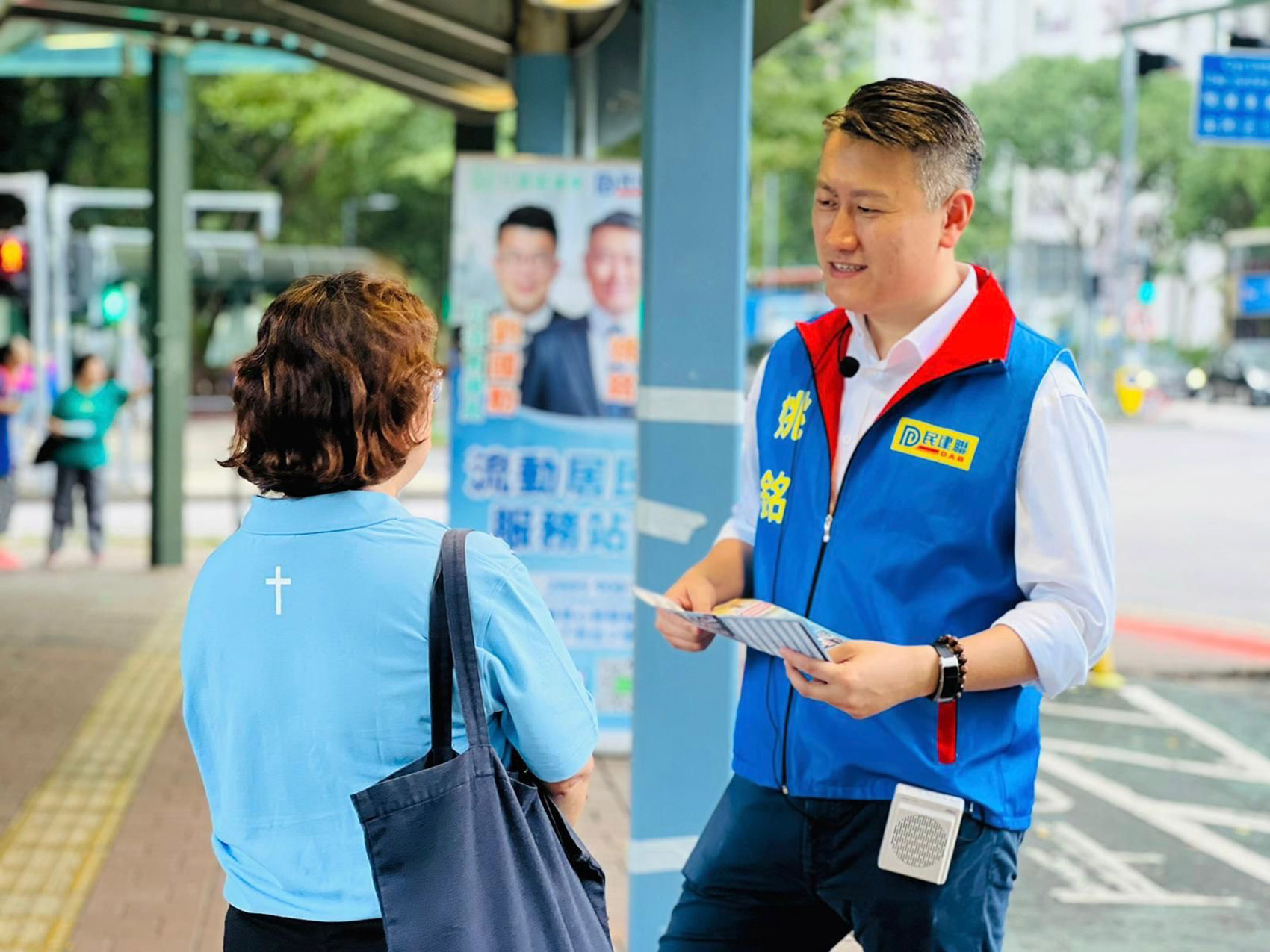
Editor’s note: The future belongs to those who dare to shape it. In this series, China Daily highlights the bold thinkers and doers transforming industries and breaking barriers. Meet Yiu Ming, a legislator who rose from grassroots volunteer to political officeholder through dedicated community service.
Yiu Ming came to this world with a septal defect — to quote him, a “hole in his heart” — and an abiding awareness of living on borrowed time.
His childhood ended early. At the age of nine, he had to shoulder the burden of a big brother, caring for two younger siblings and, at 19, became the family’s breadwinner.
Yiu traded youth for a posture of deliberate, old-soul maturity. But today, at 39, he has flipped that narrative. “Young” is now his proudest badge with a mandate he has vowed to honor.
As he turned 39 on Oct 15 last year, he turned a new political page after being nominated to run in the general elections for the Hong Kong Special Administrative Region’s eighth-term Legislative Council, with the blessings of the Democratic Alliance for the Betterment and Progress of Hong Kong (DAB) — the city’s biggest political party.
Yiu went on to win the New Territories North seat, joining 40 other new faces in the 90-member legislature, and is among the eight youngest new lawmakers in their thirties. Their entry lowered the average age of legislators to about 50 — five years younger than those in the previous chamber and the youngest group in two decades.
Yiu sees LegCo’s rejuvenation as a telling sign of a younger generation keen to engage in public affairs and services, reflecting the public’s confidence in a Hong Kong future animated by youthful vitality and new perspectives.
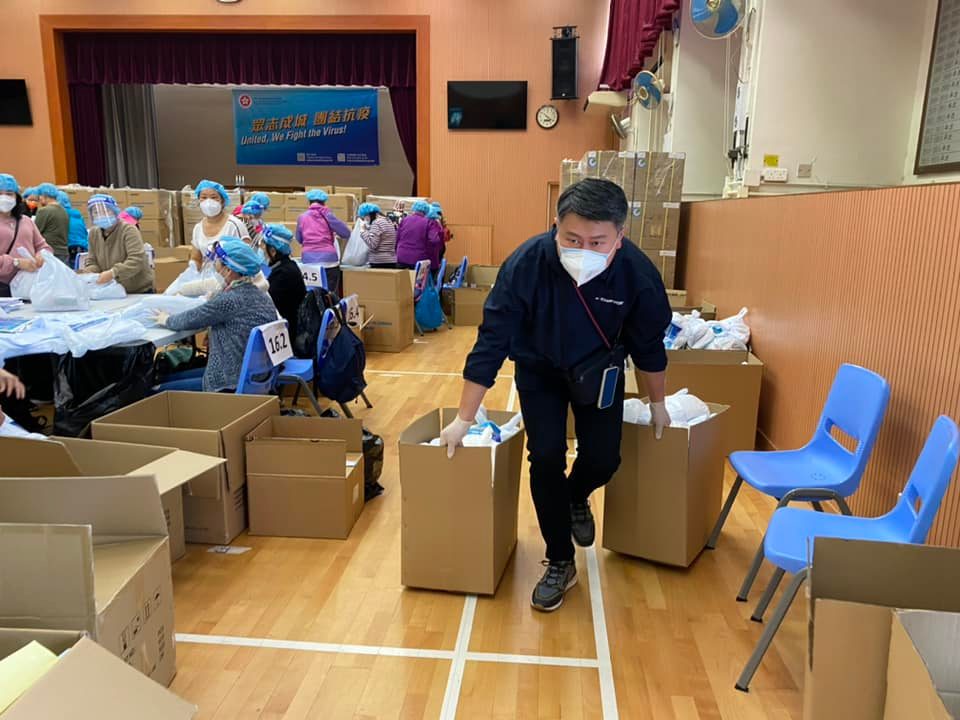
His political path meandered through two decades of on-the-ground work — from an errand-running volunteer and grassroots community officer to a district councilor spearheading livelihood projects. The experience reified a societal trend that he welcomes, as Hong Kong’s democracy evolves and its people place greater faith in politicians who “act, deliver results” and produce “tangible benefits”, he says.
Yiu was pragmatic from the start. Since boyhood, in an effort to come to terms with his heart condition, he has often quietly sung a personal creed to himself: “Even if I don’t live long, a life full of deeds is a life fully lived.”
His family drifted through three homes in his adolescence — from a cramped, one-bunk bed subdivided apartment in Jordan, Kowloon, to public housing in Tseung Kwan O, before settling down in a subsidized home in Fanling, New Territories, when he was in primary four. He has remained there since.
For Yiu, his young life there had only two constants — a biannual checkup for his heart condition, and hours spent as a junior volunteer at community centers. He volunteered for the job and stuck with it not just for the gratification of “getting things done”, but also from a deeper sense of duty to be a worthy bearer of his family hero’s legacy.
Yiu grew up on tales about his grandfather — an ordinary bank clerk from Dabu village, Meizhou, Guangdong province who moved to Shenzhen as the city began to flourish economically.
“When he called it a day on a modest monthly pension of 3,000 yuan ($432), his thought was to repay the village,” Yiu recalls. “He saved enough to build the village’s first proper water pipe.”
Graduating from high school at 18, Yiu felt he could not afford further studies, and tried his luck in the employment market, cycling between odd jobs “without any expectation of a real career”. Yet, two constants remained — his cardiac appointments and volunteer work.
Political awakening
This pattern of life went on for a year until Yiu’s community work caught the eye of several district councilors. Notable among them was Liu Chiu-wah, then a vice-chairman of the DAB’s North District branch and whom Yiu still reverently calls his shi fu — his first formative mentor.
“I guess they saw a diligent, willing, enthusiastic youngster,” says Yiu. “And, bit by bit, they brought me into more systematic community work.” In 2005, at 19, he became a full-time community officer at Liu’s branch. He recalls the next two years as those of “a greenhorn fumbling through” as he learned that formalized community service and volunteerism were “fundamentally different”.
“The volunteer’s mindset was often to bury oneself in work, helping out wherever needed. I ran to elderly homes, helped out at special schools, organized events,” Yiu says. But being a community officer revealed to him a larger scope, a deeper layer of community work. “It requires one to actively identify issues, listen to and consolidate grassroots voices, and effectively communicate residents’ concerns to decision makers.”
In 2007, Liu watched as Yiu, then 21 and just meeting the legal threshold to run for district councilor, formally filed his candidacy and walked straight out to talk with neighbors. Liu said later he was “almost moved to tears, witnessing the scene”. To him, “that was the moment Yiu showed his true growth”.
Yiu lost his first electoral race but was still heartened by the 1,500-plus votes of confidence he received. He was elected for the first time as a North District councilor in 2011 with over 3,000 votes, re-elected in 2015, encountered a setback in 2019, but then, in 2023, staged a decisive comeback. With a whopping 20,053 votes, Yiu reclaimed his council seat with highest vote count in that year’s election.
The park as proof
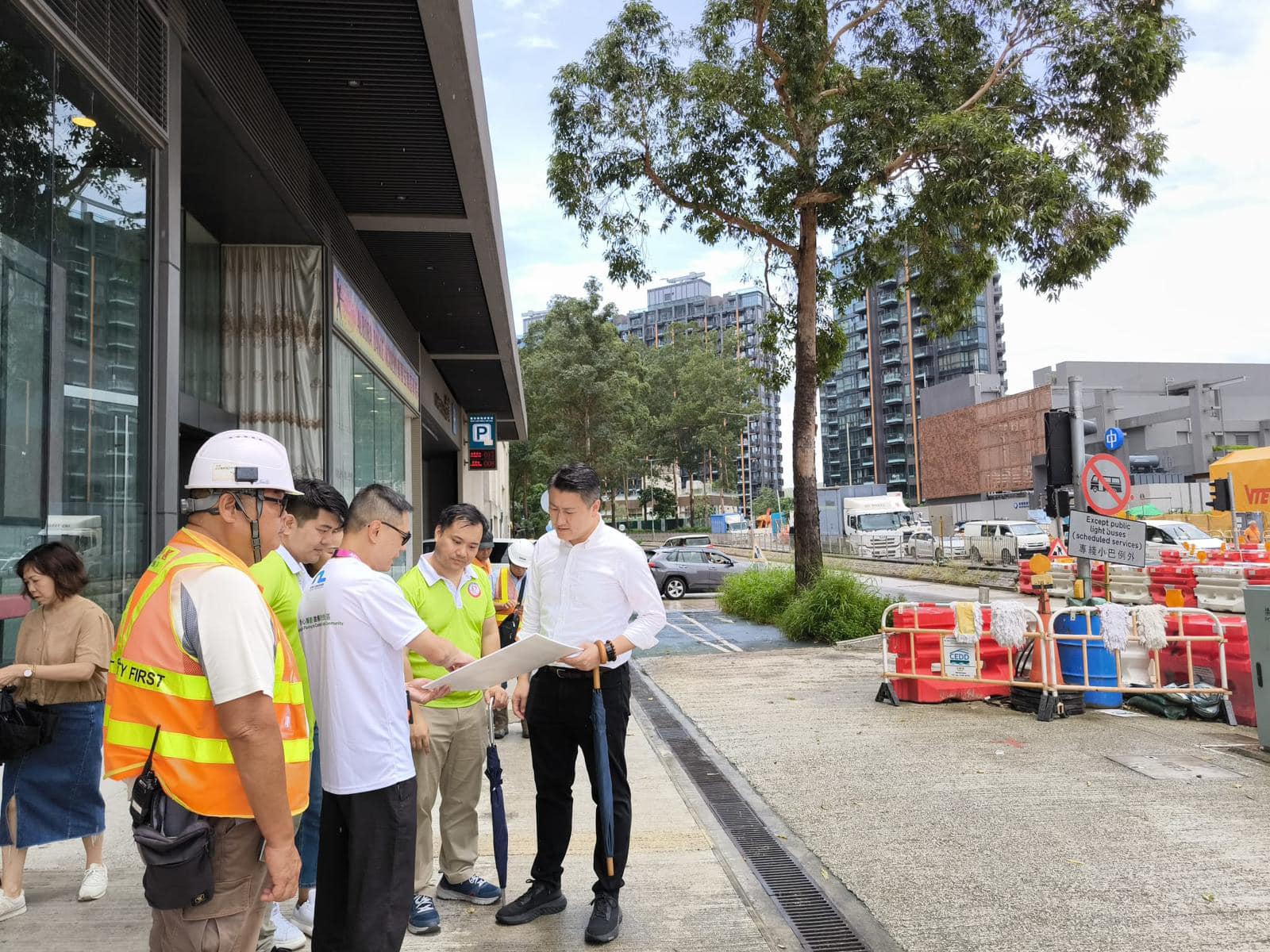
Yiu is now himself a shi fu to a fresh clutch of volunteers and community officers. With a view to producing “tangible benefits” and even “deep-rooted change” in the community, he says he believes one must work with “hands and feet, heart and mind”. “A good public servant should be capable of grasping the big picture, identifying challenges and root causes, and planning for the long haul, while attending to every detail in implementation,” he says.
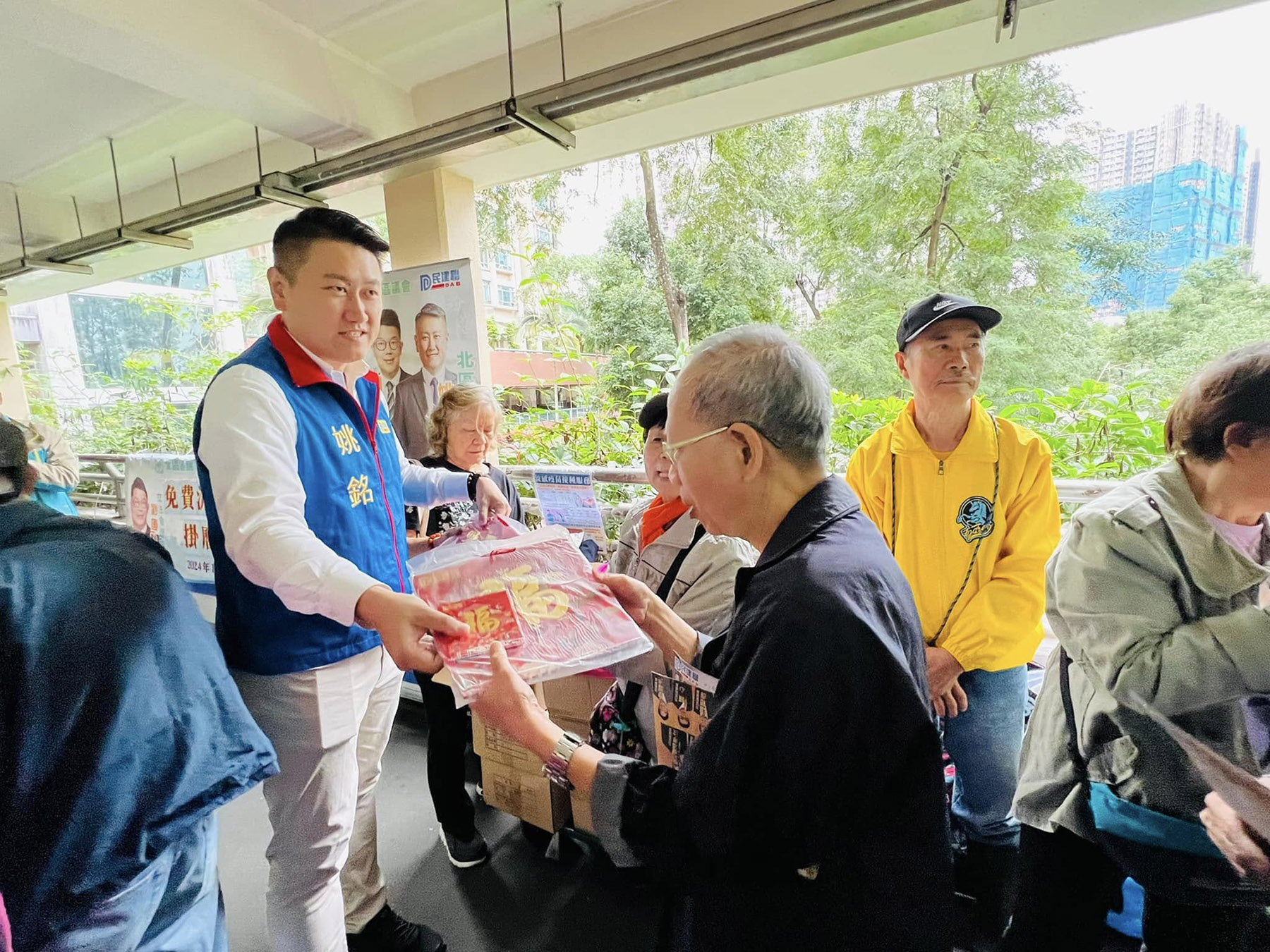
Yiu’s “go-to” example is his 15-year drive to develop Yat Ming Road Park in Fanling, New Territories. The residents’ demand was there from the start, dating back to 2006 when he started to serve the community as a member of the DAB team. “Neighbors wanted more leisure spaces, somewhere easy to take their kids,” he says.
In 2018, the Leisure and Cultural Services Department noted a stark recreational shortfall in North District. With a population of 315,300 in 2018 and projected to grow, the district continued to rely on just a single 1,000-square-meter playground. The department said this was “inadequate to meet local demand”.
Moreover, Yiu’s community surveys led him to the idea of adding a dedicated pet area to the new parkland plan which, he believed, would help to appease residents’ longstanding frustration over the district’s ban on animals at public leisure grounds.
What ensued were years of studying reference sites, coordination and even granular path planning. The result, delivered in 2021, was the 8,700-sq m Yat Ming Road Park at Fanling’s Wo Hop Shek. Inside lies a spacious lawn, a children’s playground, a running track and a 620-sq m pet park.
From council to LegCo
As for how far ahead “planning” should look and how big the “picture” should be, Yiu says, from his new vantage point as a legislator, he is still “fathoming things out” but is determined to stay ready and open to new ideas and broader horizons.
Days after the legislative election results were announced on Dec 11 last year, the lawmakers-elect of the eighth-term LegCo convened at the Legislative Council complex for a “crash course” from seasoned incumbents, focusing on the practicalities of legislative procedures.
“Being at the Legislative Council complex makes it real,” Yiu says. “As a legislator, I have a responsibility not only to the residents of my district, but also to the SAR’s future, and to the nation’s overall development.”
“There’s this solemn, earnest air in the chamber, and nobody takes their role lightly,” he says. “But, everyone there feels it, this almost irrepressible itching to actually do things for the SAR and the country.” Members of the eighth-term legislature were sworn in on Jan 1 this year.
To become a “good legislator” — one who commands public trust, while proving to be a potent strategist to align local goals with national and even broader development objectives — Yiu has a heavy mission on his shoulders. But, for someone who readily identifies himself as a “young, grassroots newcomer” on this journey, he handles it with a surprising degree of confidence.
Alongside his day job in the mid-2000s, Yiu refreshed his academic track. He earned a diploma in business administration from Lingnan University in 2010, an MBA from the University of Wales in 2015, and is now completing a PhD program in business administration at the Shanghai University of Finance and Economics.
He hopes to build his expertise in trade, finance and corporate management, a studious choice calibrated to fit with Hong Kong’s status as an international financial hub. This skillset, he says he believes, will be essential groundwork to engage with and help shape the city’s future. “There’s always more to learn,” Yiu says. “I’m still in the thick of it, but I wish to put it to good use some day.”
Yiu says his new role as a legislator speaking for New Territories North has placed the Northern Metropolis — a 300-sq km mega-township towering within his constituency — squarely at the center of his concerns for the future.
It will be a dual challenge. One part is visionary — helping to fast-track the township’s development into an innovation and technology stronghold and the SAR’s “new growth engine”. The other is near-focused — showing locals that the project’s long-term, tangible benefits will outweigh some “growing pains”.
Yiu wants to do his best to upgrade living amenities in the area and other public infrastructure. It can be a win-win, he says, between attracting outside talent for the megaproject’s development and winning over the local community’s support for it.
He is also contemplating several “people-centric” measures to serve the district’s newcomers and old-timers alike, including a possible rollout of additional private hospitals and international schools, transportation infrastructure upgrades to ease the current gridlock, and a dedicated public exhibition space to pass on the Northern Metropolis vision to all.
Life of a pragmatist
His new role is part of a long evolvement in his life’s work. “A district councilor takes on the frontline, those day-to-day concerns of the neighborhood, while a legislator must adopt a longer view, planning for the city’s future and serving as a crucial bridge to ensure a smooth two-way flow of communication between the people and the authorities,” he says.
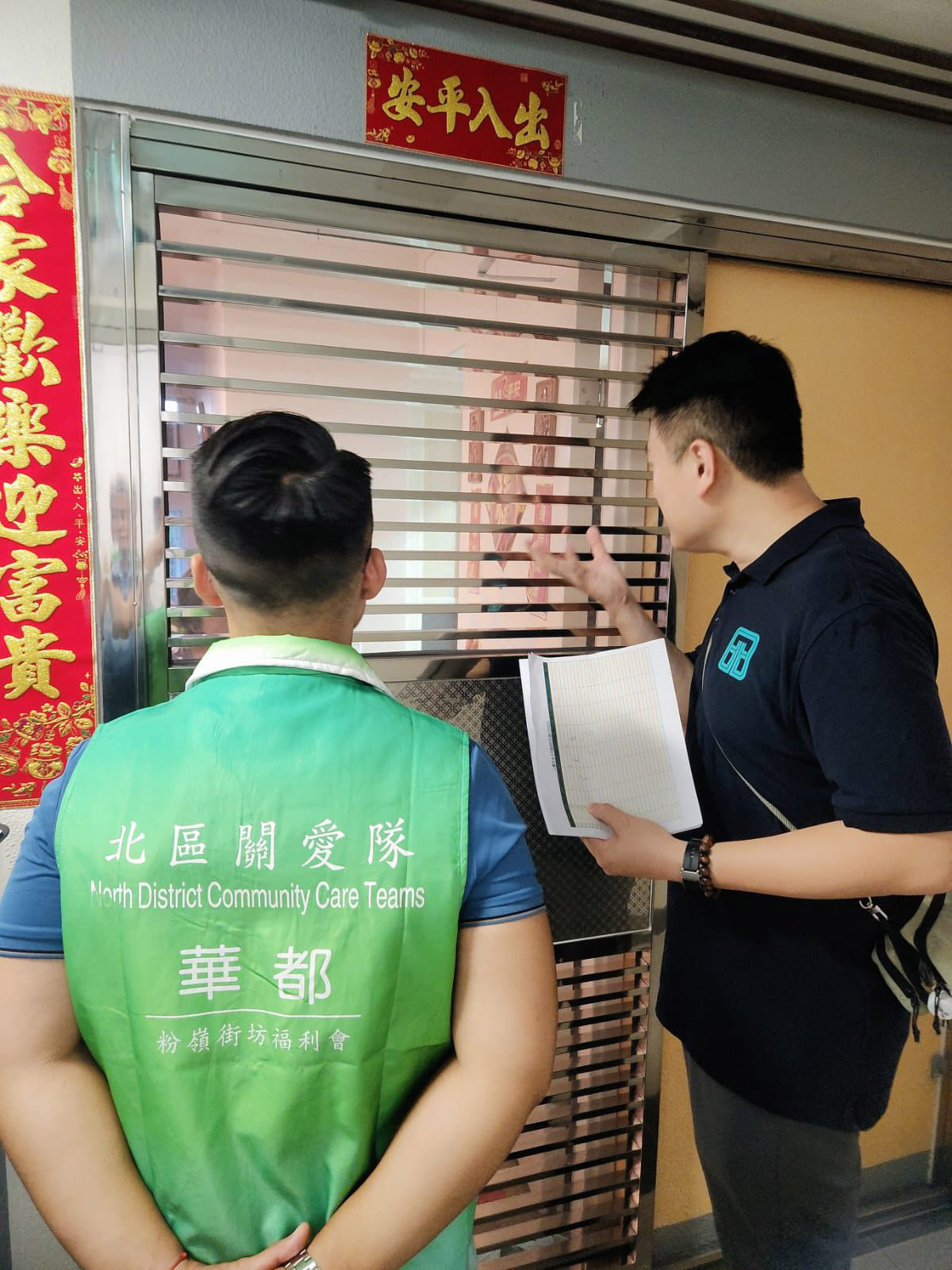
Yet, two decades of door-knocking have made nourishing a close neighborhood rapport such a bone-deep habit that it has almost calcified into something of a somatic reflex for him.
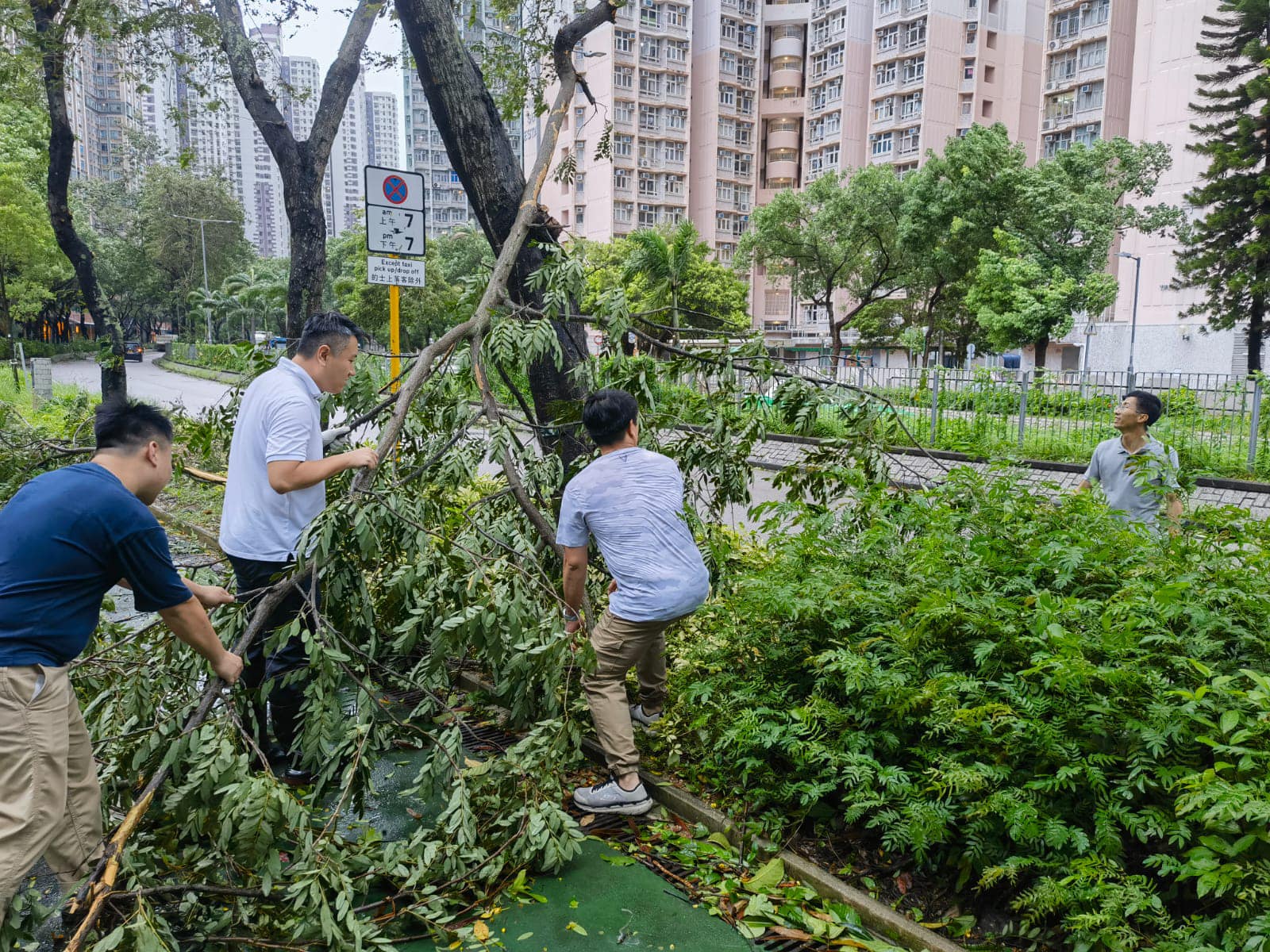
On Dec 22 last year — winter solstice or dung zi, a day of great familial significance in Chinese culture — a day-long water outage struck parts of Yiu’s constituency. He worked late into the day rushing between buildings to fetch water for affected households so “they could cook for their family reunion”, he says, but only realized he had missed his own family dinner after having accomplished the mission.
ALSO READ: LegCo hopeful backs Northern Metropolis as key to HK tech, talent
Being a lawmaker, Yiu says he believes it hardly carries the magnitude of a “life inflection point”. Neither does it bear the fingerprints of “divine providence”, even considering a chronology seemingly begging for symbolic reading. Merely three months before being elected, he at last underwent his long-awaited heart surgery.
The operation does not symbolize a personal rebirth, nor does his new position represent the pinnacle of his life. In his view, both are just steps in the life of a pragmatist, hell-bent on doing good deeds and wanting to live life to the fullest.
Contact the writer at wanqing@chinadailyhk.com
