

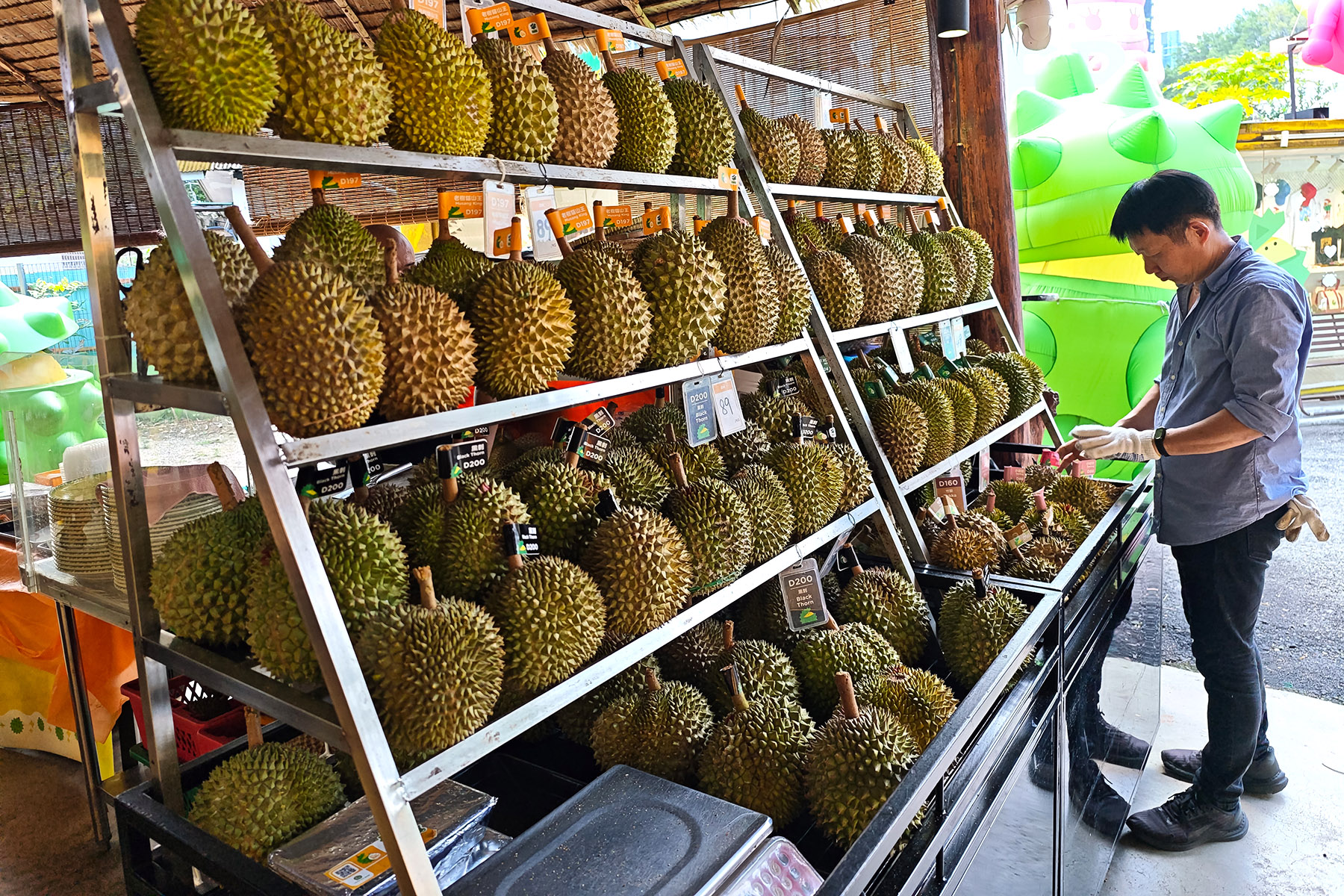
Malaysia's durian producers have been urged to register their varieties locally and abroad to better protect the fruits of their labor.
The call was made by the Intellectual Property Corporation of Malaysia, or MyIPO, and an intellectual property lawyer, in response to questions by The Star on how to safeguard the nation's favorite fruit.
MyIPO Director-General Yusnieza Syarmila Yusoff said more farmer groups, producers and state agencies should consider Geographical Indication, or GI, registration for unique, region-linked durian varieties.
GI is a sign identifying products as originating from a specific place, where their quality, reputation or unique characteristics are closely tied to that location.
READ MORE: Durian rush in Asia
In Malaysia, applications for GI registration can be filed with MyIPO by eligible producers, associations, or competent authorities representing them.
"GI registrations ensure that only producers within the designated geographical areas who meet the required specifications may use these names, thereby preventing parties outside the region from exploiting or misrepresenting these well-known Malaysian durian varieties.
"GI protection enables genuine producers to enjoy stronger branding and premium market pricing because consumers recognize the authenticity and unique qualities linked to the specific geographical origin," she said.
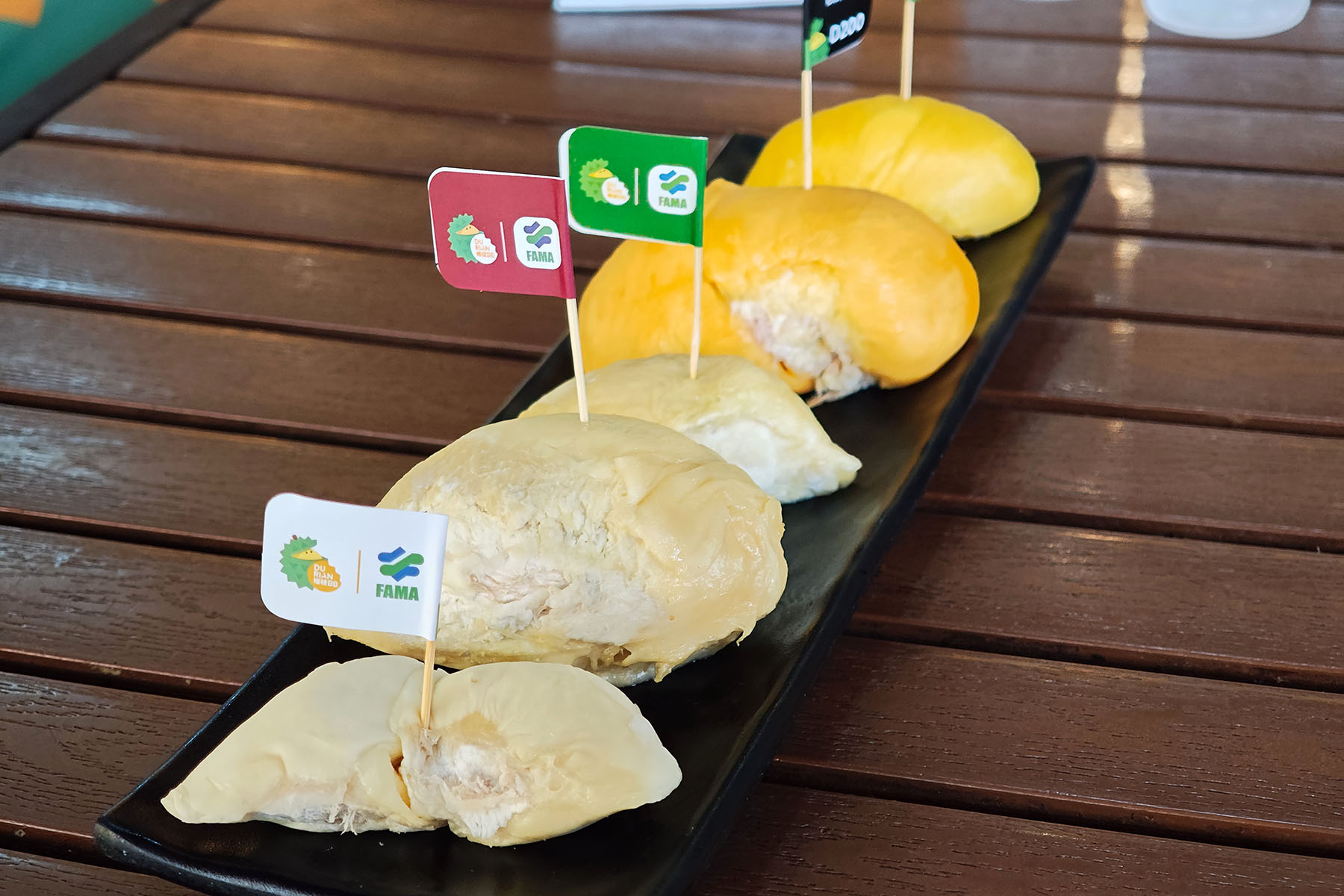
Four durian varieties have been registered with MyIPO so far, namely Musang King, Black Thorn, Balik Pulau, and Durian Nyekak.
They are part of 128 items registered with MyIPO.
In Malaysia, GI-registered products are legally protected under the Geographical Indications Act 2022, but international protection requires separate registration in foreign jurisdictions.
"While Malaysia recognizes and protects the registered durians domestically, they have not yet registered in foreign jurisdictions.
"MyIPO continues to work closely with ministries and relevant authorities to explore avenues for international GI protection," said Yusnieza.
She said expanding GI registrations will help reinforce Malaysia's identity and heritage in regional agricultural debates.
She said the recognition of Musang King, Balik Pulau and Black Thorn as GIs strengthens Malaysia's position as the origin of these globally renowned varieties.
"It highlights the connection between their unique qualities and Malaysia's environment, cultivation practices and local communities," she said.
She said that GI protection also supports Malaysia's claims in discussions involving originality and heritage while raising the profile of Malaysian durians in global markets.
Meanwhile, an intellectual property lawyer has explained that Malaysia can protect the identity of durian varieties like the Musang King from being exploited overseas.
Durian growers can do this by getting an intellectual property practitioner to file such rights outside Malaysia, says Bar Council Intellectual Property Committee Co-chairperson Foong Cheng Leong.
To make a geographical indication claim for a durian variety like Musang King as an exclusive Malaysian product, an application should be filed in every country's designated government department that deals with IP.
"Any registered rights will need to be extended outside of Malaysia.
"Thus, they need to instruct a local or foreign IP practitioner to file those rights.
"Each country would have its own designated government department to accept such applications," Foong said.
Globally, GI is often used for wines, spirits, and agricultural products, such as Darjeeling tea from India and Greece's feta cheese.
Brand names
Another way to protect the identity of Malaysia's durian varieties is through brand names that no one else can use other than those who are licensed.
It was reported that the Ministry of Agriculture and Food Security had received two proposals — one backing durian and another pushing for pineapple — both seeking recognition as the country's official national fruit.
ALSO READ: Fruitful friendship
Malaysia's push for durian to be recognized as the national fruit, however, has drawn a sharp reaction from Indonesia.
Indonesia has asserted its larger production gives it the right to declare durian as its national fruit.
Asked to comment on whether two or more countries can make claims on the same fruit, Foong said any country can claim any fruit to be its national fruit.
"There is no exclusivity to it," he added.
