

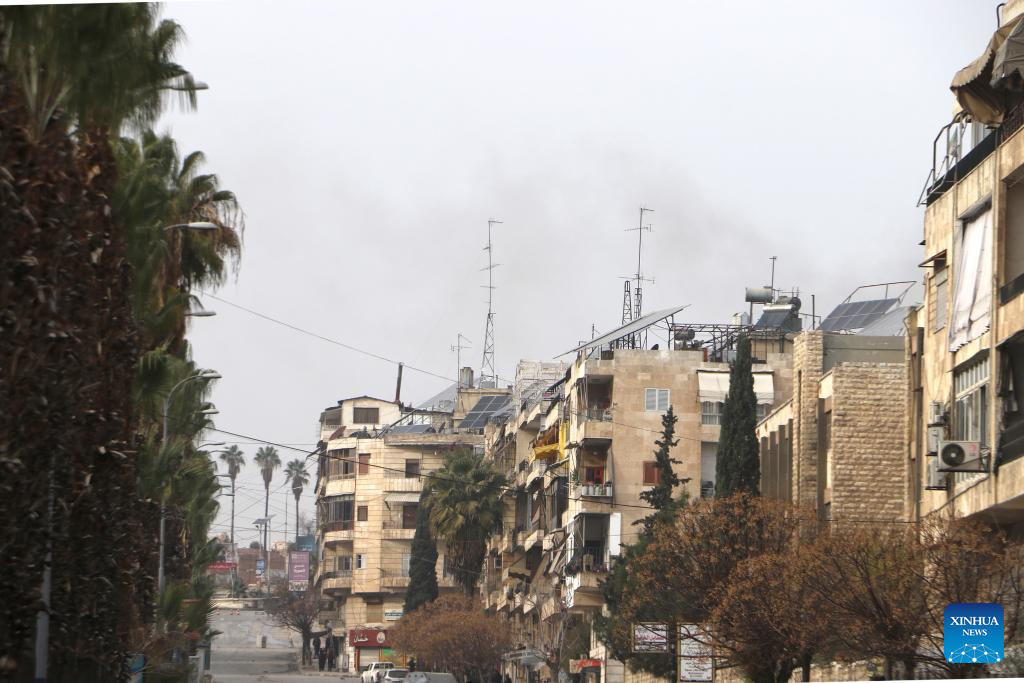
DAMASCUS/UNITED NATIONS/ANKARA/BAGHDAD - The Syrian army on Thursday launched heavy shelling against positions of the Kurdish-led Syrian Democratic Forces (SDF) in the Sheikh Maqsoud and Ashrafieh neighborhoods of Aleppo, as the civilian death toll rose amid escalating clashes, state media and local authorities said.
The state-run SANA news agency, citing a military source, said the strikes targeted previously identified SDF positions inside the two neighborhoods, marking a sharp escalation following days of intermittent fighting and security operations in the northern city.
In a later report, the news agency said that residents of contested Kurdish neighborhoods in the city began handing over parts of the areas to Syrian state authorities, as internal security forces prepared to deploy and restore order.
Demanding the withdrawal of SDF from parts of Aleppo, the Internal Security Command in the city announced the curfew in the neighborhoods of Ashrafieh, Sheikh Maqsoud, Bani Zaid, al-Siryan, al-Halak and al-Midan, effective from Thursday evening until further notice. All movement is prohibited in these areas.
In a separate statement carried by SANA, the Syrian government urged the withdrawal of SDF fighters from the Sheikh Maqsoud and Ashrafieh neighborhoods.
The presence of armed groups in residential areas endangers civilians and obstructs political solutions, it said, adding that Kurds are an integral part of the Syrian people and full partners in the country under state institutions.
Earlier on Thursday, the Syrian army released maps marking locations it identified as being under SDF control in Sheikh Maqsoud and Ashrafieh. The army urged civilians to avoid these areas as military forces readied to engage using what officials referred to as "appropriate weapons".
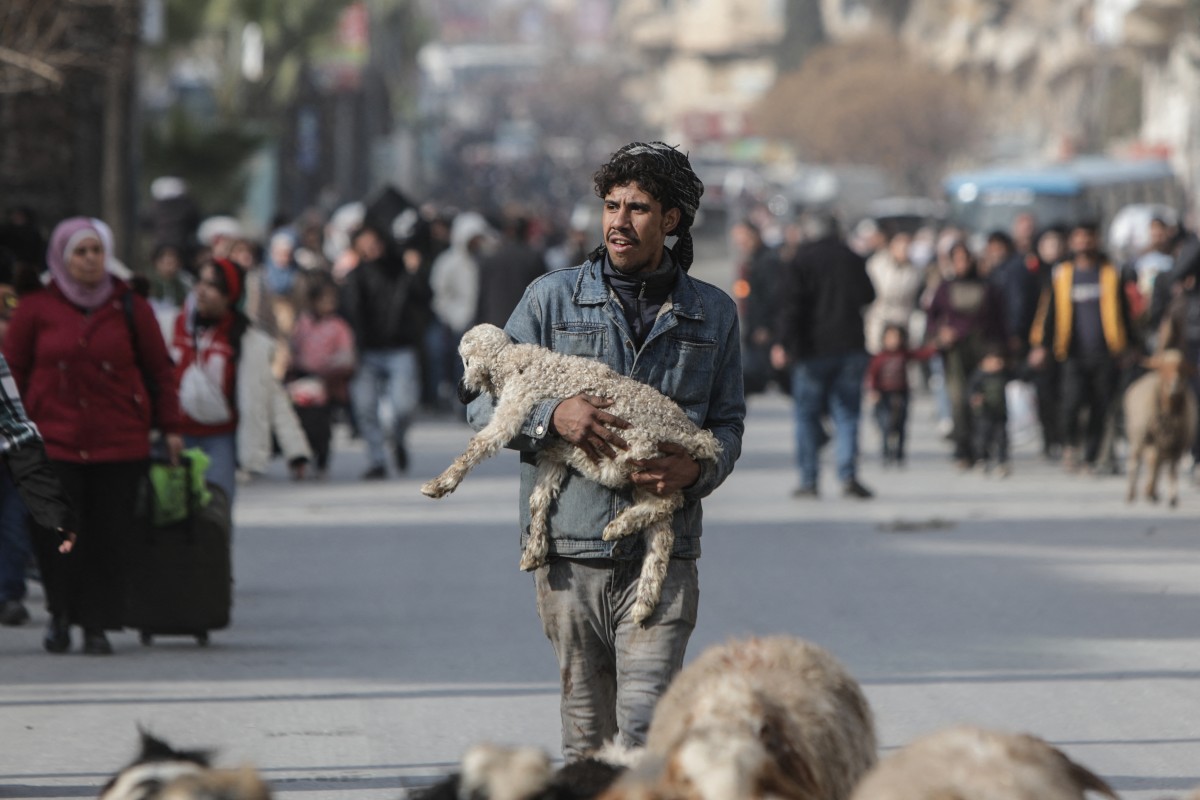
Aleppo's Health Directorate said the number of civilians killed in the clashes has risen to nine, with at least 55 others wounded.
A correspondent for Syria's state TV al-Ikhbariya reported that residential neighborhoods in Aleppo were struck by what he described as long-range heavy artillery fire launched by the SDF. The Syrian army's operations command issued an urgent safety advisory to residents of Ashrafieh and the adjacent Bani Zaid neighborhood, urging them to stay away from windows and move to lower floors to reduce the risk of injury.
In a related development, the General Authority of Civil Aviation and Air Transport announced an extension of the suspension of all flights to and from Aleppo International Airport until 11:00 p.m. local time on Friday, citing ongoing security concerns.
In a statement, SDF General Commander Mazloum Abdi accused Syrian government-affiliated forces of deploying tanks and artillery in Aleppo's neighborhoods, shelling civilians and displacing residents during an ongoing negotiation process. He said efforts are underway with various parties to halt the attacks.
ALSO READ: Syria faces rising security tensions amid sectarian unrest, protests
The group stated that the number of civilian victims from what it described as "indiscriminate attacks" by Syrian government-affiliated forces on Sheikh Maqsoud and Ashrafieh has risen to 12 killed and 64 wounded, adding that civilians remained trapped under the rubble of damaged buildings.
The Britain-based Syrian Observatory for Human Rights warned that the concurrent escalation posed a direct threat to civilian lives, saying continued shelling of populated areas is worsening instability and deepening humanitarian suffering.
The fighting comes against the backdrop of stalled talks between Syria's transitional government and the SDF on military integration under a March 2025 agreement, highlighting the fragility of the security situation in Aleppo and the growing risks faced by civilians caught in contested areas.
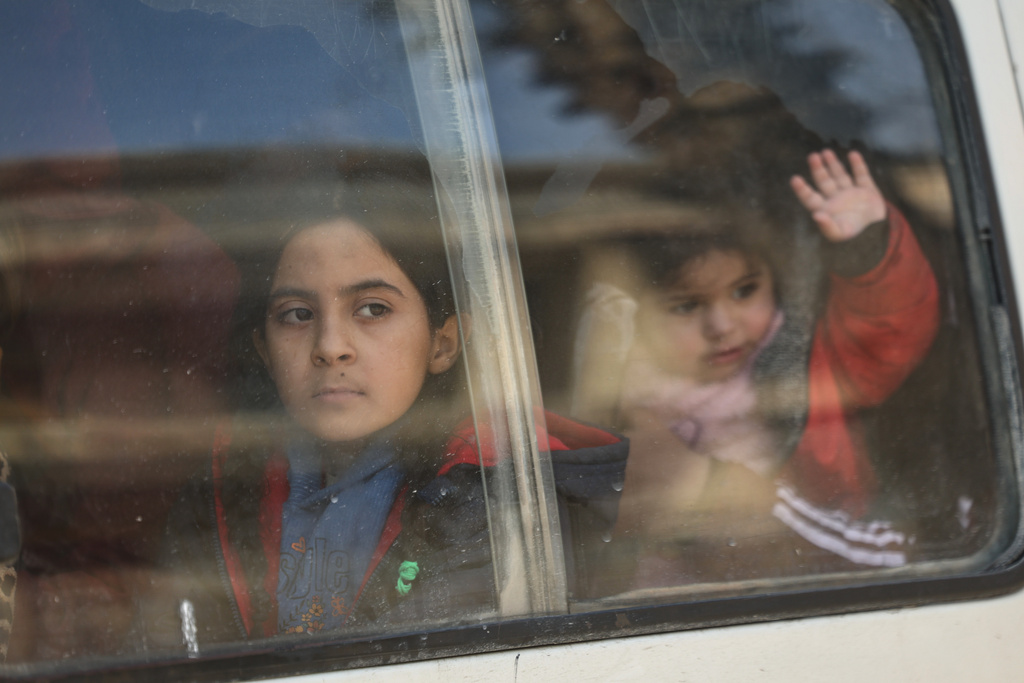
Civillian casualties, displacement
Two days of deadly hostilities in Aleppo, Syria have led to civilian casualties and thousands of displacements, UN humanitarians said Thursday.
Authorities reported that at least five civilians, including two women and a child, were killed and dozens more were injured.
The UN Office for the Coordination of Humanitarian Affairs (OCHA) said the renewed hostilities in Syria's second-largest city also resulted in damage to health facilities and other critical infrastructure.
The office said that several health facilities, including Zahi Azarak, Ibn Rished and Othman hospitals, were affected, with some reportedly halting operations in the wake of the damage.
"Movement restrictions have been imposed on key roads," OCHA said. "Since yesterday (Wednesday) morning, thousands of families have fled their homes, with many seeking shelter with host communities in Aleppo city and the district of Afrin."
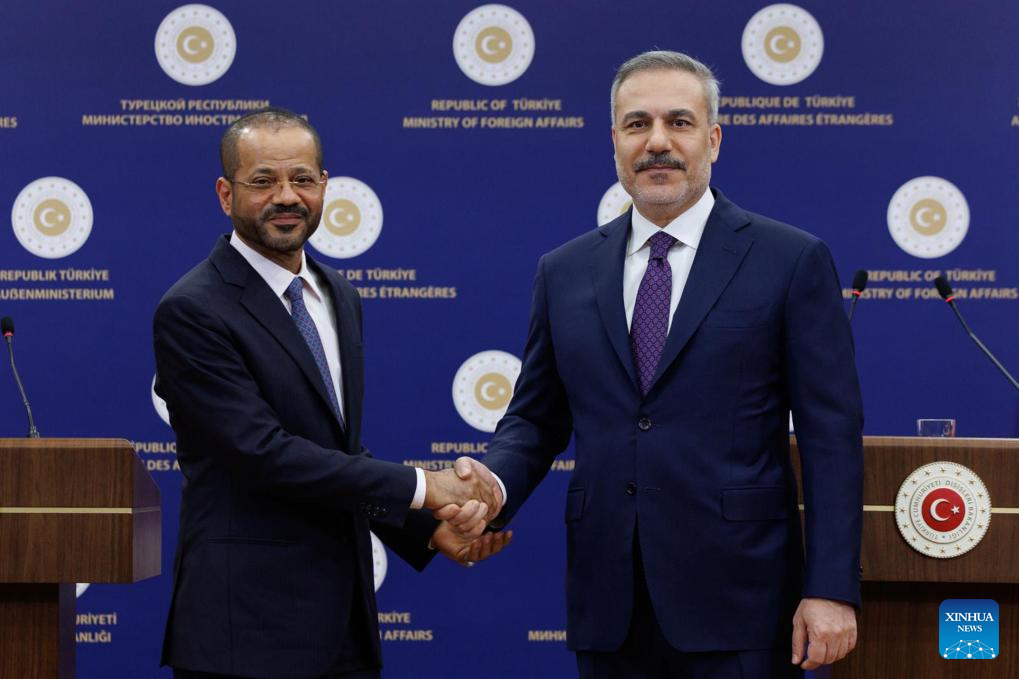
Also on Thursday, Turkish Foreign Minister Hakan Fidan accused the SDF of undermining Syria's stability and coordinating with Israel.
"The SDF's insistence on maintaining the status quo stands as the most important hurdle to Syria's comfort and stability," Fidan said at a joint press conference with visiting Omani Foreign Minister Sayyid Badr bin Hamad Al Busaidi.
Fidan said recent developments in Aleppo are directly linked to Turkiye's national security. Ankara is coordinating with all relevant parties, he added. The Foreign Ministry also accused the SDF of serving as "a tool for Israel's 'divide and rule' policy, in coordination with Israel".
Turkiye considers the US-backed SDF, which controls large parts of northeastern Syria, a terrorist organization. Ankara says the SDF is dominated by the Kurdish People's Protection Units (YPG), an extension of the Kurdistan Workers' Party (PKK), which has waged an armed campaign against the Turkish state since 1984.
READ MORE: Aleppo clashes: Syrian authorities, Kurdish forces agree on immediate truce
Meanwhile, Iraqi President Abdul Latif Rashid expressed "profound concern" over the unrest and urged all parties to exercise "maximum restraint" and return to dialogue, according to a statement from the presidency. He said the crisis could lead to more civilian casualties, especially among women and children, and stressed that all segments of Syrian society are vital to the country's unity.
