

Underwater archaeology has helped uncover the secrets of watery graves. The joint efforts of Hong Kong and Chinese mainland experts have been crucial in rediscovering the artifacts of the sunken Nanhai One, showcasing the nation’s expertise in preserving submerged cultural heritage. Xue Jingqi writes.
Nestled in the heart of Pingtan Island — the “county of islands” off the coast of Southeast China’s Fujian province — a handful of fishing boats lie at anchor. Just a stone’s throw from the waterfront stands a striking four-story red house. Its yard is home to two towering trees and an old, weathered boat.
With the warmth of spring and the promise of summer, this once-quiet building — the Underwater Archaeology Training Base — springs to life, welcoming eager minds ready to plunge into history’s depths and emerge as trained underwater archaeologists.
“We’re just like fishers — relying on the weather for our livelihood,” says Tseung Pak-long, who helms the Institute of Hong Kong Underwater Archaeology Research, staring thoughtfully at the calm sea surface, beneath which turbulent currents conceal the unpredictable nature of his work. He traveled nearly eight hours by high-speed train from the Hong Kong Special Administrative Region to Pingtan the previous day, intent on assisting with the training of an underwater archaeology class at the base.
READ MORE: Nanhai I shipwreck exhibition shows Silk Road spirit in Hong Kong
The period from May to November marks the typhoon season, with July to September being the peak months for changeable weather. Despite the risks, this window is ironically the most suitable for underwater archaeology and research. “The temperature and seabed conditions are optimal during these months,” Tseung explains.
As he left Hong Kong, Typhoon Wipha was racing across the ocean, prompting the Hong Kong Observatory to issue the No 10 warning on July 20, the city’s highest. Tseung held faint hopes that Fujian, being farther from the storm’s eye, would be spared the worst, but the gale that greeted him upon disembarking quickly dispelled any illusions of calm.
At this moment, waiting was the only option, and patience is a skill every archaeologist has mastered.
A sunken legacy
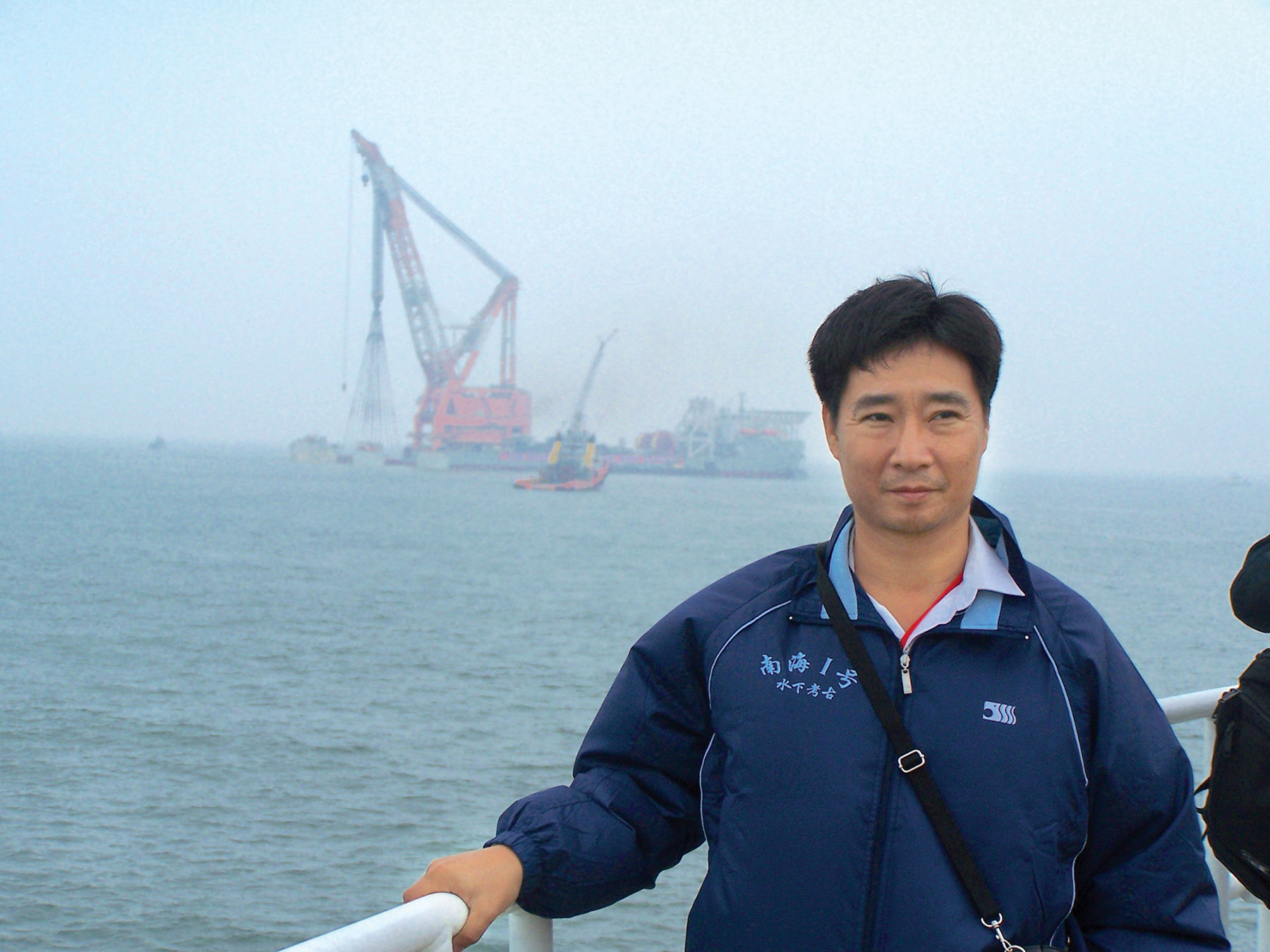
“Let’s sit here by the boat,” says Cui Yong, gesturing toward the vessel. His lifelong career — as one of China’s earliest underwater archaeologists, before retiring as deputy director of the Guangdong Institute of Cultural Relics and Archaeology — has been deeply rooted in maritime history.
A pivotal moment came in 1987 when the young Cui was tasked with cataloging artifacts from a sunken Song Dynasty (1127-1279) ship — 247 pieces that would leave an indelible mark on his memory.
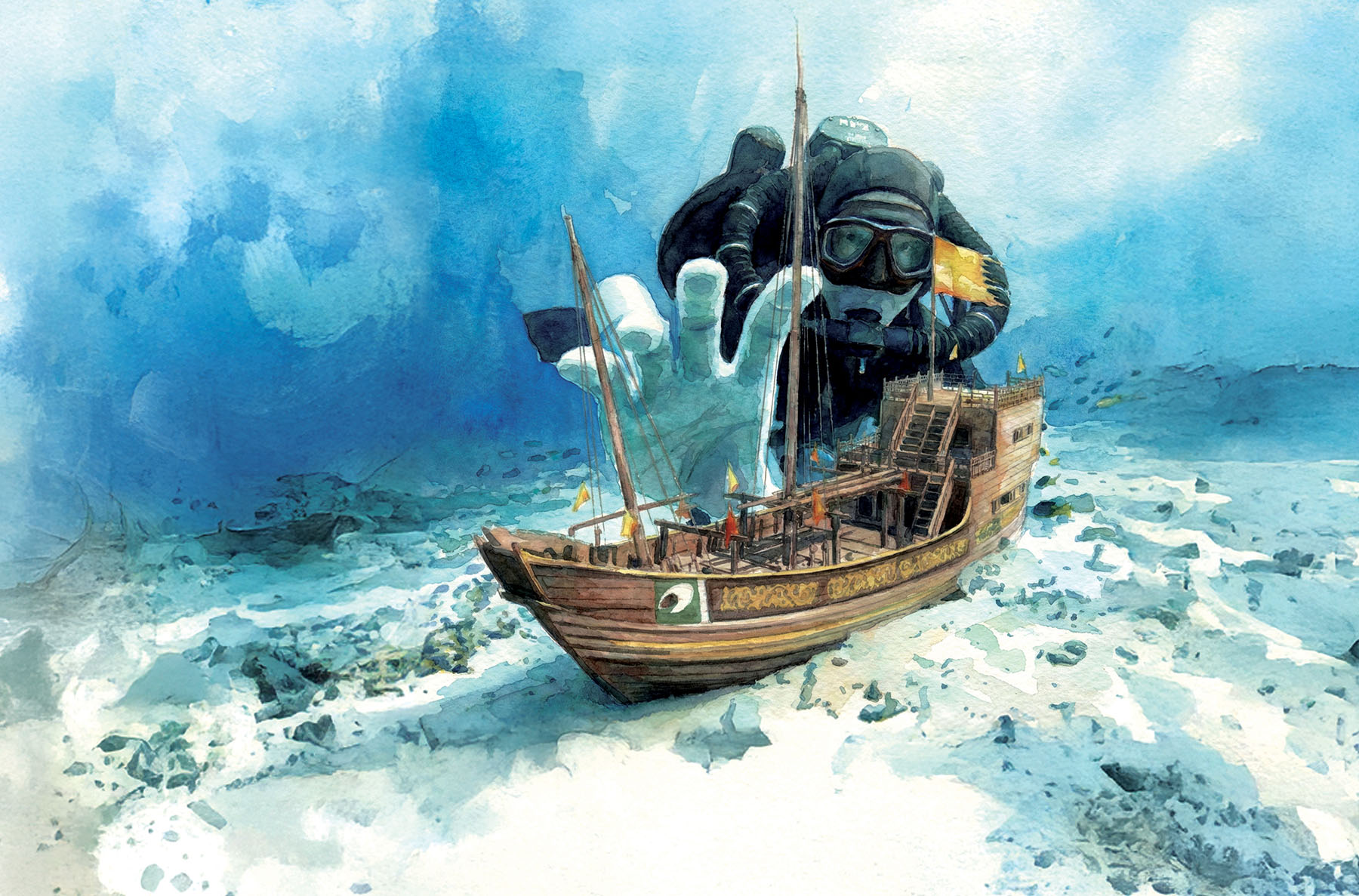
More than eight centuries ago, a merchant vessel laden with goods set sail from Quanzhou Port, bound for the Indian Ocean. It tragically sank off the coast of Guangdong province, lost to time until it was discovered during a joint Sino-British search in 1987. The ship, now known as Nanhai One — Nanhai stands for South China Sea, where it was found — has since captivated imaginations with decades of ongoing archaeological work.
Submerged ships and their contents, once isolated from oxygen, can be remarkably well-preserved in their watery graves, creating enigmatic sites of underwater heritage. However, the vastness of the ocean floor remains largely unexplored due to human physiological limits and the rudimentary technology of earlier times.
“It’s probable that a greater number of monuments, reflecting the skill and industry of man, will, over the ages, be collected from the ocean bed than at any other time on the surface of the continents,” mused British geographer Charles Lyell (1797-1875) in his seminal work, Principles of Geology.
Thanks to advances in diving technology, terrestrial archaeology has naturally extended underwater. “In the early days, only a few countries, mainly developed nations like Japan, the United Kingdom, the United States and France, were involved in underwater archaeology,” notes Cui.
Interest in underwater archaeology within China grew in the 1990s, with the Nanhai One project prompting collaborative efforts with British and Japanese experts. Despite several attempts, the ship’s recovery remained elusive, further complicated by financial constraints that halted the project.
But, help came from across the waters in Hong Kong.
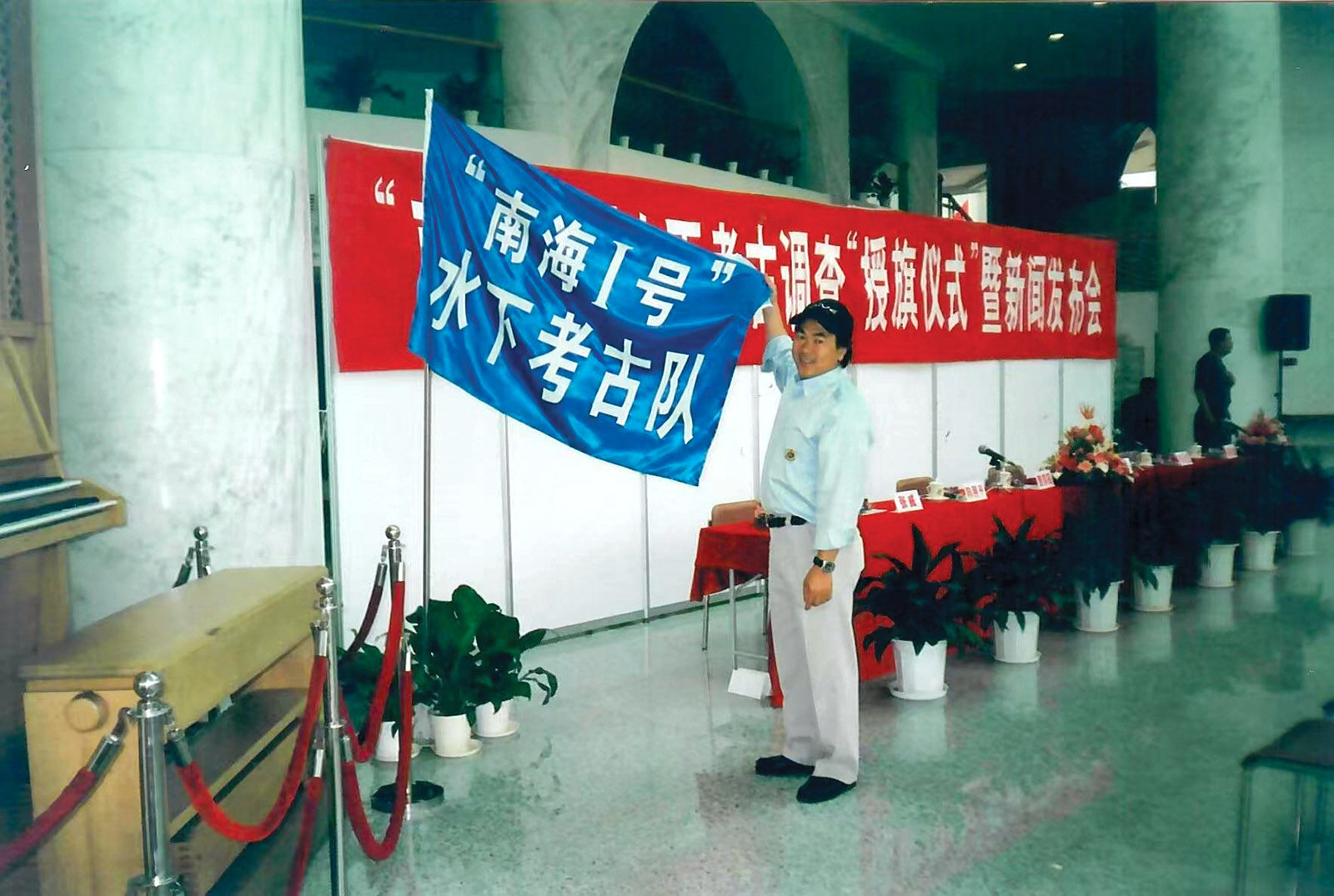
In 1999, Cui and several colleagues were invited to conduct underwater archaeological surveys in the city. There, they met businessman Steve Chan, who ran a diving equipment store. “It was shortly after Hong Kong’s return to the motherland. Everyone wanted to do something for the country,” Cui says.
Without hesitation, they decided to get it off the ground. A year later, armed with a vessel, diving gear, and a generous sum of HK$1.2 million ($154,000), Chan stepped forward as the project’s pioneering investor. “It was our last stand, a final roll of the dice,” says Cui.
Chan’s unwavering optimism provided hope as the team’s resources dwindled. At the eleventh hour, Cui’s discovery of key artifacts confirmed the location of Nanhai One’s resting place, validating Chan’s faith and foresight.
“Life’s ledger can be tallied in two ways,” Chan reflects. “One is tangible where one plus one neatly equals two. The other is intangible, measured by the heart. If you do one thing right in your lifetime, that’s a life without regrets.”
This summer, Chan proudly watched an unmanned search vessel undergoing maintenance. He marveled at the rapid pace of technological advancement and the new era it heralds for today’s underwater archaeologists.
Currents of change
Becoming a qualified underwater archaeologist means navigating a demanding path of training and assessment.
The journey from a novice to a certified expert is long and arduous. According to the National Cultural Heritage Administration, the Chinese mainland has only 196 professionals certified to conduct frontline underwater archaeological work.
“Undergraduate education in archaeology takes at least four years, while diver training typically spans just a few months,” explains Cui, emphasizing the importance of a solid archaeological foundation, combined with a passion for diving. “Our ideal candidates are those with an archaeological background and a love for diving too.”
Tseung embodies this ideal. A graduate of Wuhan University’s archaeology program and one of the first Hong Kong students to seek further education on the mainland, his connection with the ocean and the mainland seems predestined.
Born and raised in Hong Kong, Tseung developed a profound interest in Chinese history and culture — especially classics like Romance of the Three Kingdoms, a 14th-century historical novel set between 184 BC and 280 AD. His fascination led him to pursue archaeology. With no local programs available, he waited a year to be admitted to Wuhan University’s archaeology department, which offered opportunities to visit various archaeological sites across the country.
Yet, his hometown’s vibrant maritime and diving scene remained a strong pull. A chance meeting with Chan in 2015 marked the beginning of a new chapter, combining his passions for archaeology and diving.
In the calm waters surrounding Pingtan, Tseung stands on the shore, his eyes trained on the deceptively still sea. Beside him is a fellow diving expert. Both have spent long hours meticulously planning the trip.
Pointing toward the sea, Tseung explains that the calm is deceptive, just the eerie stillness before a storm. The approaching typhoon is expected to bring widespread and intense ocean currents, making underwater conditions perilous and murky.
“We might not be able to dive,” he says with a wistful smile. But this disappointment is familiar to Tseung, who knows all too well that underwater archaeology often means coming up empty-handed, even after reaching a sunken ship. He likens the process to opening a blind box — forever unpredictable and filled with unknowns and challenges. Yet, it’s precisely this unpredictability that draws him to the field.
“Returning empty-handed is part of life, filled with its sighs and wonders,” he insists.
Tseung has heard countless stories of Nanhai One and often reflects on his mentor Chan’s pivotal decision that helped shape Chinese underwater archaeology.
“The archaeology journey in China has been fraught with challenges,” Tseung says. “Now that we’ve established our own direction and uniqueness, it’s crucial to pass these on to the next generation.”
With this mission in mind, he visited schools around Hong Kong, sharing stories of underwater archaeology, and recreating archaeological excavation sites to inspire the younger generation to explore this niche industry.
By the end of 2023, the Greater Bay Area Underwater Archaeology International Cooperation Center in Guangzhou had signaled a new chapter for the discipline. The submerged cultural heritage of the Lingnan region is poised to be unveiled to the world. Hong Kong, once a pivotal node along the Maritime Silk Road and now a global shipping hub, continues to play a vital role in East-West trade. As China’s underwater archaeology ventures worldwide, the SAR’s influence is expected to grow even stronger.
Time capsules
Each ship carries a tale, from procurement and loading to sailing and, sometimes, sinking. Last’s year’s documentary, The Sinking of the Lisbon Maru, uncovered a previously little-known chapter of history: in 1942, after the ship carrying 1,800 British prisoners of war was torpedoed by a US submarine in the East China Sea en route from Hong Kong to Japan, heroic Chinese fishermen rescued hundreds of survivors.
Over the decades, several underwater search teams failed to locate the wreck. It wasn’t until September 2017 that director Fang Li’s technical team, using a combination of marine technologies, including sonars and unmanned underwater vehicle, successfully detected the ship’s location.
Ancient shipwrecks like Nanhai One narrate the life and times of the Maritime Silk Road, one of the oldest known sea routes linking East and West, and dubbed the Road of Porcelain, Tea or Spice.
Centuries later, the Belt and Road Initiative today continues to forge a solid bond of trade and human connection, as fragments of history are salvaged from the ocean depths, not just reconstructing the past, but also reflecting the nation’s confidence and vision as it ventures into the deep blue.
Originating during the Han Dynasty (206 BC-AD 24), the Maritime Silk Road was a primary conduit for ancient China’s foreign trade, reaching Southeast Asia, West Asia, and Africa.
“When it comes to the Maritime Silk Road, people often only know the start and end points, the sales channels and the origins of goods. But, the route itself, mediated by the sea, is the most challenging to trace,” Cui says, using Nanhai One as a “time capsule” for retracing the ancient maritime path.
“Each shipwreck is a dot. The more you find, the more connected they become, forming a line that reveals the route,” he says.
ALSO READ: Facing up to history
As these silent capsules on the seabed are uncovered, they reveal the maritime-terrestrial intermingling, human warmth, and bustling trade of centuries past. These legacies continue to illuminate the ancient trade routes.
“We must honor our ancestors who left us this tragic yet invaluable (insight into our) cultural heritage,” Cui told students at a new underwater archaeology training session in the red house by the sea on Pingtan.
Spanning three decades and more, Cui’s career has paralleled Nanhai One’s rediscovery and excavation. His patience and resilience, he insists, are the hallmarks of a successful archaeologist. “One day at a time, and before you know it, you’ve lived through history.”
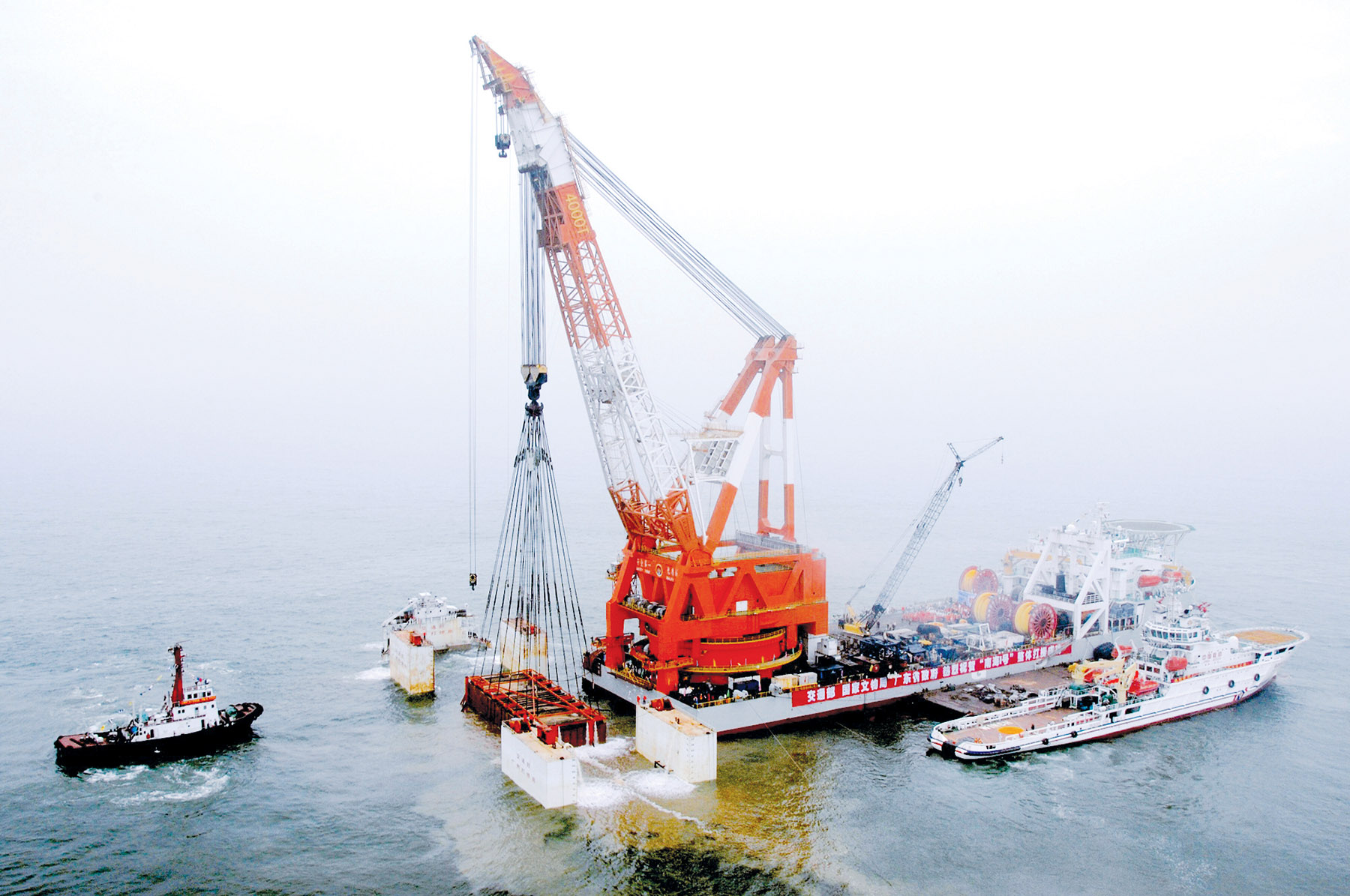
Recalling the Nanhai One expedition’s journey over 30 years, Cui sees it as a witness to China’s underwater archaeology development, from in-situ excavation to cofferdam extraction and deep-sea projects. “We’ve pieced together every segment of this grand mosaic.”
Like the aged boat in the training center’s courtyard, its body tells stories of storms and years gone by. Its original shape may no longer be recognizable, but its presence reminds everyone of the journey taken and to understand the path ahead.
Contact the writer at idaxue@chinadailyhk.com
