

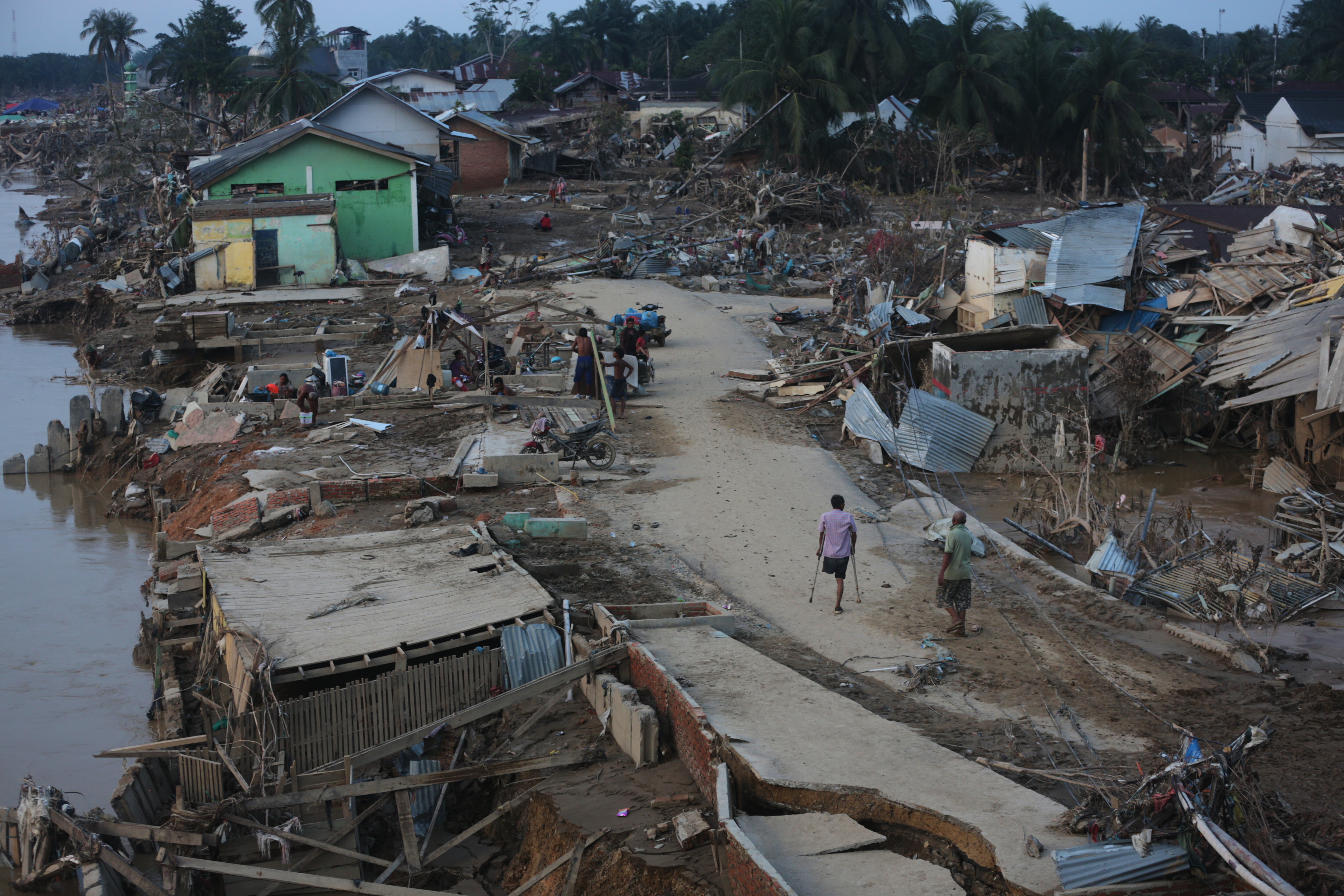
BANGKOK/JAKARTA/COLOMBO/ UNITED NATIONS - Parts of South and Southeast Asia have witnessed the most devastating flooding in years as a result of relentless downpours compounded by a tropical cyclone, with Indonesia, Sri Lanka, and Thailand reporting a combined death toll exceeding 1,400, with nearly 900 people still missing.
It is believed that human-induced vulnerabilities have amplified the flood impact despite the heavy rainfalls, with experts appealing to strengthen early warning systems, shelter facilities, and disaster management plans.
Heavy toll
As of Wednesday, 770 people had died and 463 were missing from recent floods and landslides in North Sumatra, West Sumatra, and Aceh provinces in Indonesia.
In Sri Lanka, the death toll from adverse weather triggered by Cyclone Ditwah has risen to 479, with another 350 people missing, while more than 1.6 million people from 455,405 families have been affected nationwide.
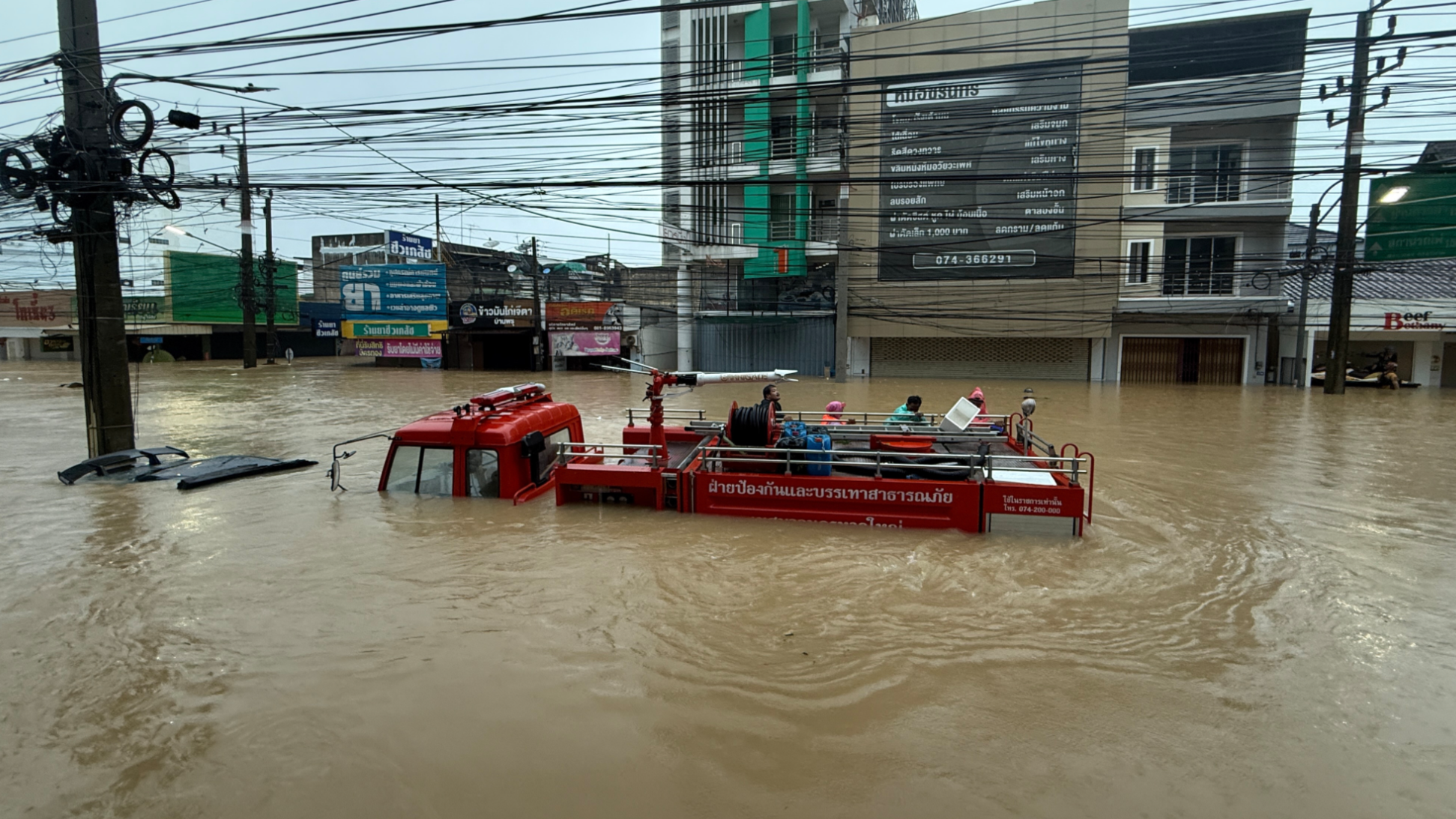
Thailand has experienced a heavy rainstorm unseen in centuries in its Hat Yai district in Songkhla province, with satellite images showing the district was once mostly submerged under 2 to 3 meters of floodwater. As of Tuesday, the floods had caused 180 deaths in the country, of which 142 were in Hat Yai.
In Indonesia and Sri Lanka, washed-out roads and collapsed bridges have cut off remote villages, with bad weather worsening the situation. In Thailand, it is estimated that damage could reach around 40 billion baht (about $1.25 billion).
Asia is currently warming nearly twice as fast as the global average, fuelling more extreme weather and wreaking a heavy toll on the region's economies, ecosystems and societies, according to the World Meteorological Organization.
Relief underway
Addressing the country on Sunday night, Sri Lankan President Anura Kumara Dissanayake appealed for international solidarity. Indonesian authorities also reported fuel shortages and limited transportation access that continue to hamper evacuation efforts.
Aid is arriving from various sides to support the flood-hit countries that struggle to begin cleanup and reconstruction.
The Asian Development Bank has approved a 3-million-US-dollar disaster relief grant for Sri Lanka to support emergency operations.
Chinese leaders have offered condolences over the disastrous flooding that hit the region. Upon Colombo's request, China has decided to provide emergency humanitarian assistance to Sri Lanka, including a cash grant and supplies such as life jackets, tents, blankets and bed sheets.
The Red Cross Society of China has provided emergency cash aid to the Sri Lanka Red Cross Society, while Chinese businesses and community groups in Sri Lanka have also lent their helping hands.
Meanwhile, Chinese community groups and enterprises in Thailand have mobilized funds and supplies for emergency response, with the Zhejiang Chamber of Commerce in Thailand delivering both relief goods and cash to affected areas.
System alarm sounded
Jazaul Ikhsan, lecturer in civil engineering at Muhammadiyah University of Yogyakarta, said these floods, which occurred almost simultaneously, were the result of a combination of extreme weather and human intervention through maladaptive spatial planning.
High rainfall was indeed the initial trigger, but damage to watersheds, inadequate drainage systems, and land use change exacerbated the impact. Several technical indicators show that flood control infrastructure is insufficient for current climate conditions, Ikhsan said.
Hijrah Saputra, lecturer in disaster management at Indonesia's Airlangga University, noted that the early warning system has not reached remote villages, spatial planning is not yet disciplined, and environmental rehabilitation is still sporadic.
"If we want to reduce casualties in the future, then resilience must be built through spatial planning, watershed ecology, and regionally integrated early warning systems," he said.
There was a lack of proper public training or guidance to help people understand how to carry out emergency plans, said Thailand's environmental and health expert Sonthi Kotchawat.
Flood warnings were issued too late, a scientist from Thailand's Kasetsart University said in an article published in local media.
"Every November, provinces in the southern region of Thailand host a familiar clash ... What Thailand does not yet have is the bridge: from what scientists see in July to what district chiefs need by September," he wrote.
Supporting from UN
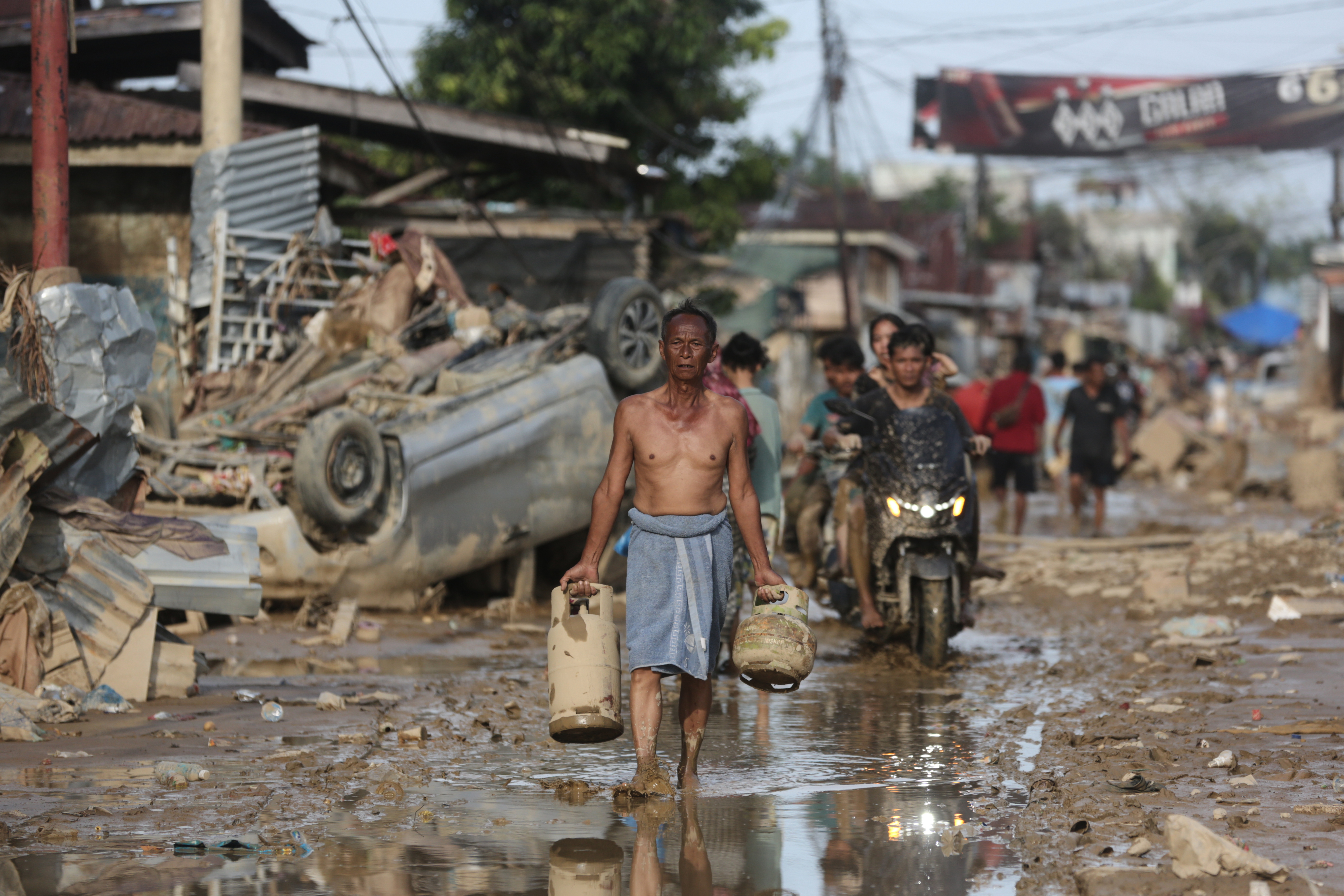
The United Nations continues to support the governments of some South and Southeast Asian nations in responding to the catastrophic flooding and landslides that have reportedly killed over 1,500 people and impacted nearly 11 million people, a UN spokesperson said Thursday.
In Sri Lanka, the United Nations and its partners continue to support the government-led response and assessments, Stephane Dujarric, spokesperson for the UN secretary-general, told a daily briefing.
He said that in close coordination with the authorities, the United Nations and its humanitarian partners have delivered emergency aid, including food, hygiene supplies, kitchen sets and water tanks, and early recovery efforts are underway, including deeper damage assessments.
For Vietnam, UN Emergency Relief Coordinator Tom Fletcher allocated $2.6 million from the UN Central Emergency Response Fund on Wednesday to bolster assistance in the most affected provinces, to support shelter, water, sanitation and hygiene, as well as food security interventions to complement the government-led efforts, said the spokesperson.
Dujarric noted that in Indonesia, the government-led response to the devastating floods in Aceh continues despite major logistical and access challenges, and the United Nations is working closely with the government there on logistics, health, water and sanitation, and is facilitating coordination with local partners.
The United Nations will continue to closely monitor the situation in the region and remain in close contact with national authorities, he said.
Parts of South and Southeast Asia have witnessed the most devastating flooding in years as a result of relentless downpours compounded by a tropical cyclone, with Sri Lanka, Indonesia, Thailand, Vietnam and Malaysia among the hardest hit, facing record-breaking rainfall, storm surges and widespread inundation.
