

Excavations reveal how early settlers fed themselves, cultivated crops and navigated waters linking distant communities, Yang Feiyue reports in Fuzhou, Fujian.
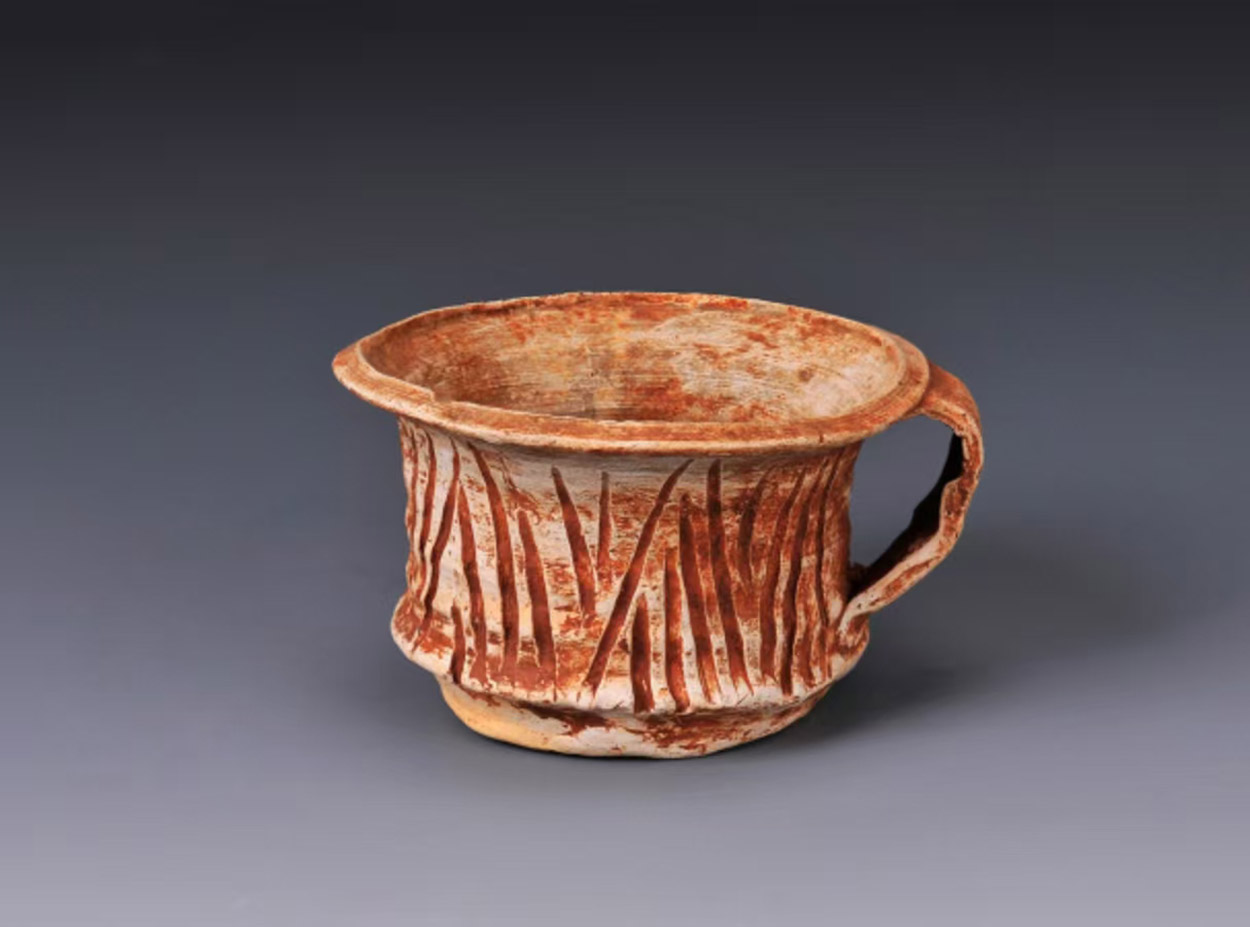
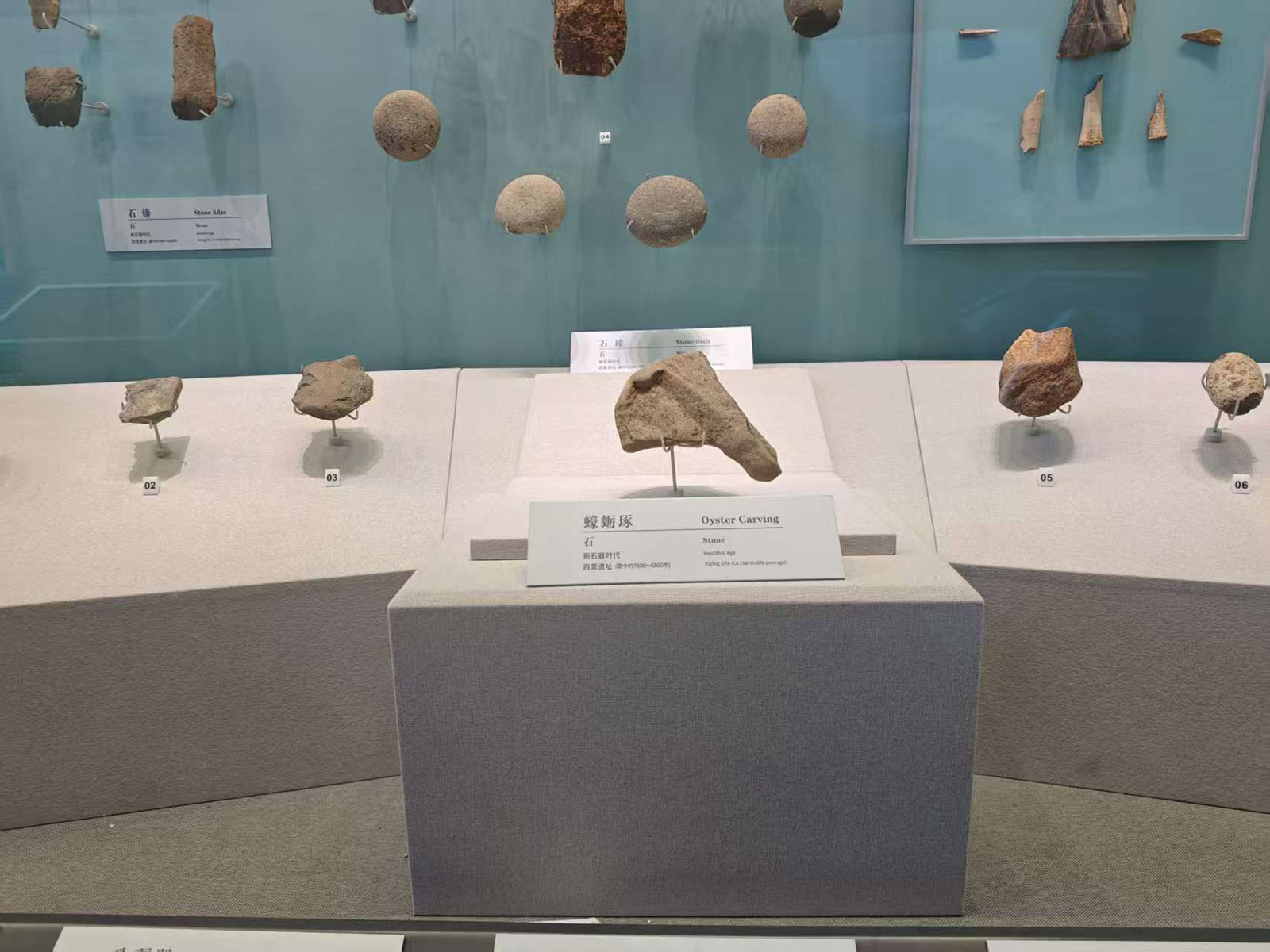
Rows of pottery fragments, stone tools and human remains are displayed at the Keqiutou Site Museum in Pingtan county, Fuzhou, Fujian province. Some pottery bears shell impressions, wave patterns and dotted marks. Among the objects is a jade ornament shaped like a jue, an ancient ring-shaped implement.
"Pingtan has 37 prehistoric sites," says Lin Yan, a volunteer guide at the museum, pointing to a map showing the locations of the discoveries.
The Keqiutou site group comprises four main sites that preserve evidence of human activity spanning thousands of years, from the early Neolithic period to the Bronze Age, she explains.
Animal bones and shells offer clues to how people lived. Remains of sika deer, wild boar and water buffalo, alongside large quantities of shells, suggest that early island inhabitants relied on fishing, hunting and gathering shellfish.
ALSO READ: Mysteries of migration
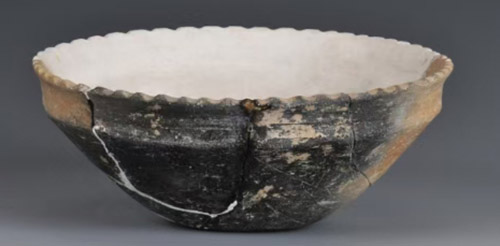
The pottery also records changes in craft traditions. Shell impressions, wave patterns and dotted designs adorn the vessels, while a polished black pot and a flower-rimmed vessel demonstrate the range of forms produced by the early inhabitants.
Only one jade object has so far been found in the Keqiutou site group, researchers say. Its presence raises questions about how objects and materials moved between communities.
For Fan Xuechun, who has spent four decades working in Fujian archaeology, the site group offers an important window into the region's prehistoric relationship with the sea.
"It is a very important site for studying prehistoric maritime culture," he says.
"Although it is not the earliest maritime culture, it represents an important stage in the development of both land-based and maritime cultures."
Fan's team conducted surveys in Pingtan in 2015 and 2016, identifying more than 10 prehistoric sites. The four main sites in the Keqiutou group provide a chronological sequence, with Xiying representing the earliest phase and Guishan the latest. Fan places the broader sequence of the site group between about 8,300 and 3,000 years ago.
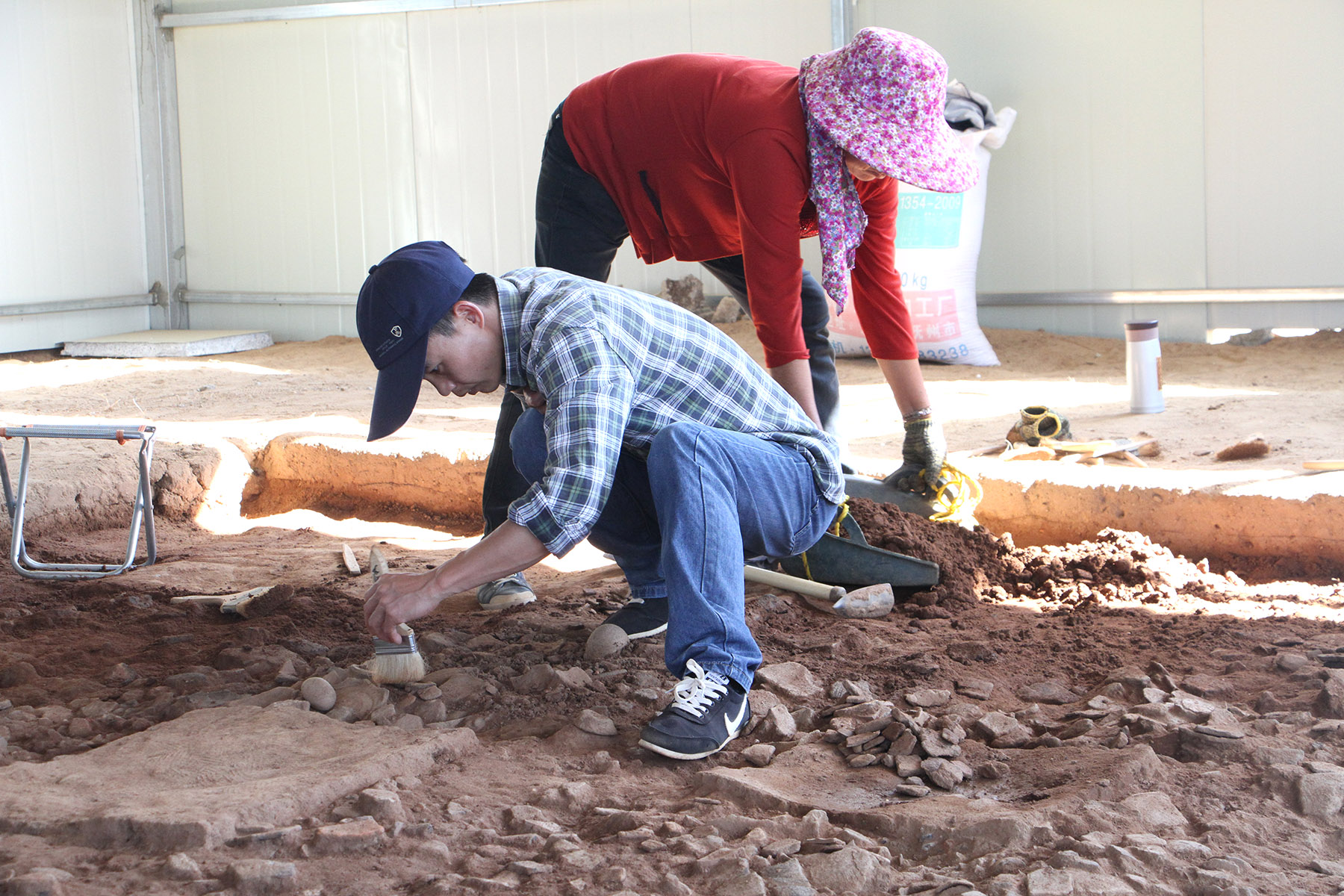
Excavations at Xiying have uncovered a shell deposit, pottery, animal remains and three burials. Analysis of human remains has also shed light on the inhabitants' diet.
A recent study published in Antiquity found that people buried at Xiying consumed substantial amounts of marine food, including resources from higher levels of the marine food chain. The findings offer a picture of communities whose lives were closely tied to the surrounding waters.
Seeds of farming
The archaeological record also points to changes in how people obtained food.
A small number of rice remains have been found at Xiying, although the specimens were not directly dated. A separate study published online in August 2026 in the Journal of Archaeological Science examined evidence of rice cultivation on Haitan Island in Pingtan. It concluded that rice farming began there at least 7,000 years ago and continued into the Bronze Age.
Fan says the discoveries offer an opportunity to examine how different agricultural traditions reached and developed on the island.
"Rice agriculture came from inland areas, while millet and foxtail millet were associated with dryland farming traditions in northern China," Fan says. The presence of these crops on the island offers clues to the spread of agricultural practices along China's southeastern coast.
The findings also bear on a long-standing debate over the origins and dispersal of Austronesian-speaking peoples. The language family comprises more than 1,200 languages spoken by over 400 million people across a vast area extending from Madagascar in the Indian Ocean to Easter Island in the Pacific.
One influential theory, proposed by Australian archaeologist Peter Bellwood, links the spread of Austronesian languages to the expansion of farming populations from southern China through Taiwan and into the islands of Southeast Asia.
For Fan, pottery offers another line of evidence for connections among prehistoric communities on both sides of the Taiwan Strait.
He points to similarities in pottery between the lower reaches of the Minjiang River, Matsu, Jinmen and Taiwan.
The resemblance goes beyond individual decorative features, he says.
"They are not just similarities between one or two sites. These places belong to a cultural sphere, and they share an aesthetic sense."
Other archaeological discoveries in Fujian have added to the picture. At Qihe Cave in Zhangping, researchers found pottery, fishhooks and fish-shaped ornaments, alongside human remains. DNA analysis of one individual, dated to about 8,400 years ago, revealed genetic affinities with present-day indigenous populations in Taiwan.
On Liangdao, an island in Matsu, two human burials have been dated to about 8,300 and 7,600 years ago. The remains, together with archaeological materials found there, offer further evidence of early communities living on islands along the southeastern coast.
Taken together, discoveries at Qihe Cave, Liangdao and Pingtan help researchers explore how people adapted to coastal and island environments and how communities may have interacted across the Taiwan Strait.
Fan believes that by the Keqiutou period, about 6,500 to 5,500 years ago, communities around the lower Minjiang River estuary and Pingtan were capable of crossing the Taiwan Strait.
Although no canoes or paddles dating from the period have been found in Fujian, people were already living on Pingtan, Matsu and Jinmen more than 7,000 to 8,000 years ago, he says.
"Without the ability to travel by sea, it would have been difficult for them to reach these islands," he explains.
Connecting research
The discoveries have also prompted closer cooperation among researchers in China and overseas.
Lin Ying, director of academic exchange at the Pingtan International Austronesian Research Institute, says one of the institute's main aims is to use archaeological evidence from the Keqiutou site group to investigate the origins and dispersal of Austronesian-speaking peoples.
The institute is also working to strengthen academic exchanges across the Taiwan Strait and internationally. Its activities include cooperation with museums and heritage institutions, as well as joint research with universities and archaeological organizations.
ALSO READ: Shelling out
The research has involved scholars from several institutions. In April 2026, a team from Xiamen University published a study in Antiquity examining how people on Haitan Island adapted to a maritime environment about 7,500 years ago. In August, researchers from Fujian Normal University and the Institute of Archaeology, Chinese Academy of Social Sciences, published a study in the Journal of Archaeological Science tracing the development of rice farming on the island from the Neolithic period to the Bronze Age.
"We hope to use research from different disciplines to promote cultural understanding across the Taiwan Strait," Lin says.
The institute also hopes to connect academic work with the protection of archaeological sites and public education, he says, enabling more people to learn about Austronesian-speaking peoples and maritime civilization.
Contact the writer at yangfeiyue@chinadaily.com.cn
